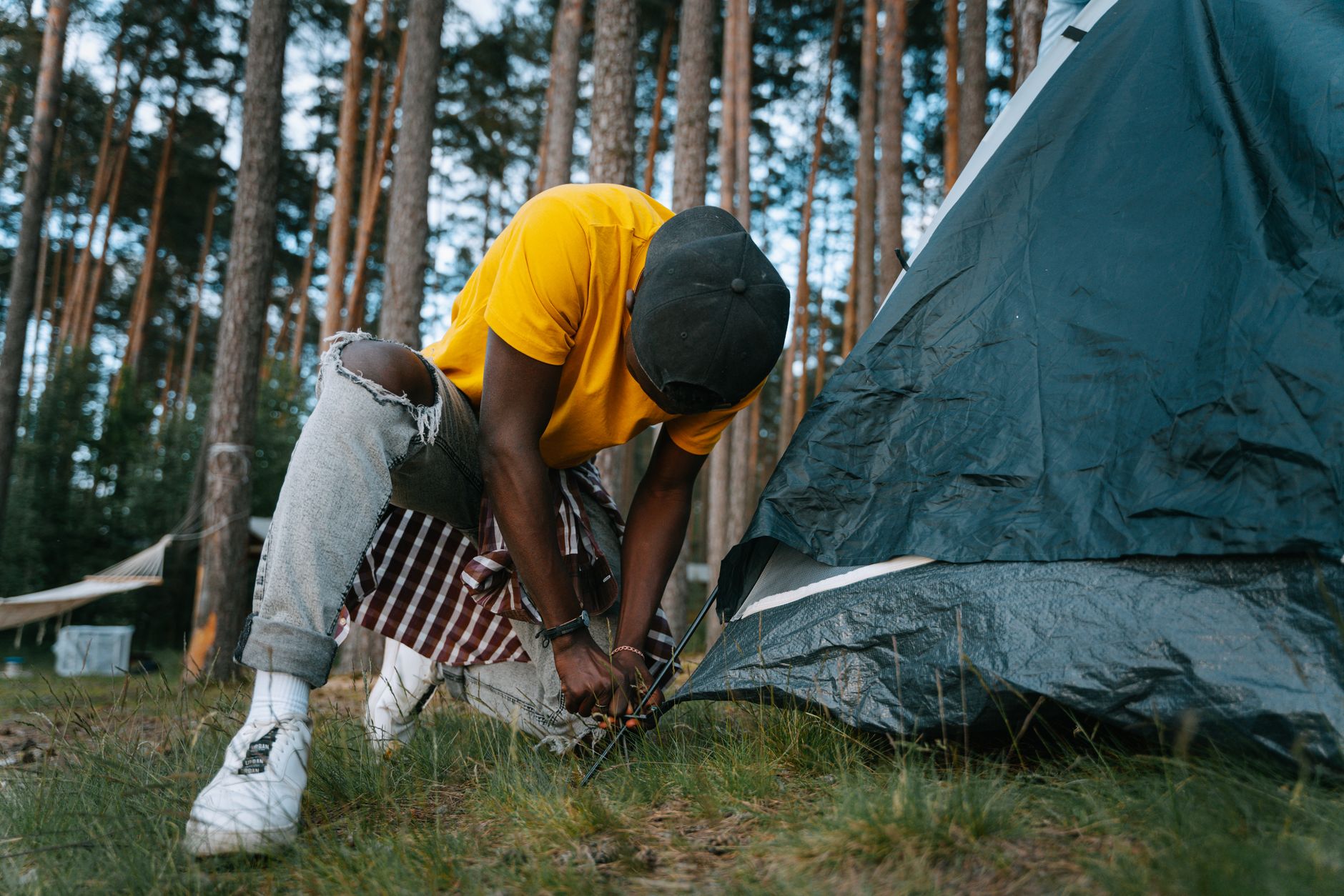
Choosing the best lightweight backpacking tent is one of the most consequential gear decisions you’ll make before hitting the trail. Too heavy and you’ll feel it in your knees by mile ten. Too cheap and you’ll be soaking wet at 2 a.m. wondering where it all went wrong. I’ve spent years hauling tents across everything from desert slot canyons to exposed alpine ridges, and I can tell you: the market has never been better — or more confusing.
This guide cuts through the noise. I tested seven shelters across a range of budgets, weather conditions, and terrain types to bring you honest, no-fluff rankings. Whether you’re a weekend warrior looking for a solid first tent or a seasoned thru-hiker counting every gram, there’s a setup on this list that belongs in your pack.
One thing I want to emphasize before diving in: “lightweight” doesn’t have to mean “fragile.” The best lightweight backpacking tents today use materials that would’ve seemed futuristic a decade ago — silnylon, Dyneema composite fabric, and advanced aluminum alloys that shave weight without sacrificing the structural integrity you need when a storm rolls in at elevation.
What Makes a Backpacking Tent Truly Lightweight?
The benchmark most thru-hikers and serious weekend packers use is the three-pound threshold for a solo shelter and around four to five pounds for a two-person tent. Anything under that and you’re in ultralight territory. Anything over five pounds for two people and you’d better be car camping or have a very compelling reason. Weight isn’t the only number that matters, though — packed size, setup time, and livability in nasty weather are equally important factors that reviews often gloss over.
Single-wall designs save weight by eliminating the separate rainfly, but they can suffer from condensation buildup, which is miserable when you wake up damp inside a supposedly waterproof tent. Double-wall tents — a canopy plus a separate fly — add a bit of weight but dramatically improve ventilation and true weather performance. For most three-season conditions, a well-designed double-wall tent in the two-to-three pound range hits the sweet spot. For extended trips and extreme conditions, investing in a Dyneema-based single-wall shelter starts making financial and logistical sense.
Also worth considering: pole type and guy-wire systems. Freestanding tents are faster to pitch and more forgiving on rocky ground where staking is difficult. Non-freestanding designs require good anchor points but dramatically cut pole weight. Knowing which type fits your most common terrain will narrow your choices faster than any spec sheet.
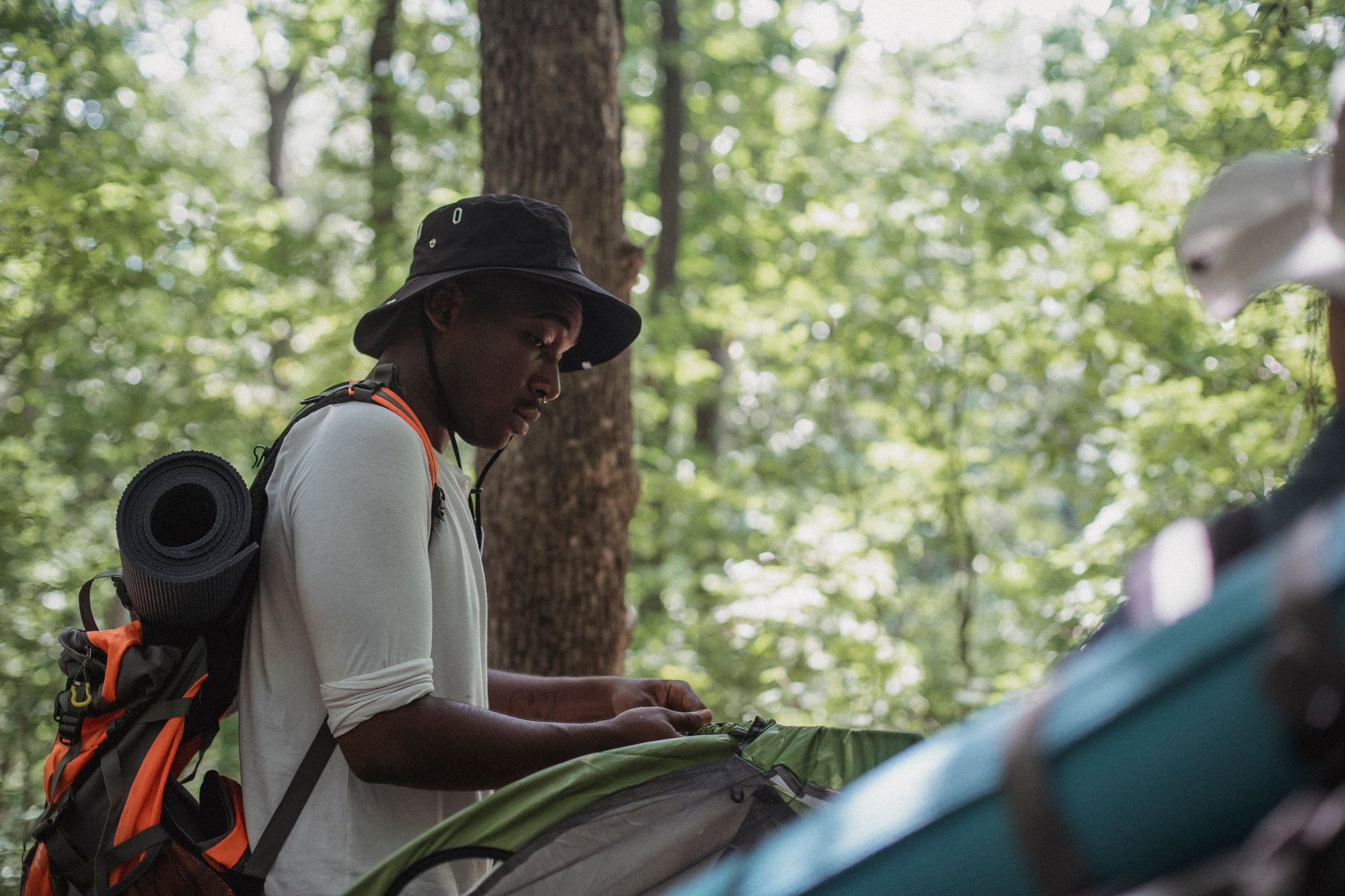
Best Lightweight Backpacking Tents: Our Top 7 Picks
1. Big Agnes Copper Spur HV UL2 ⭐⭐⭐⭐⭐
The Copper Spur HV UL2 has been the gold standard two-person ultralight tent for good reason. At around 2 lbs 10 oz, it packs down to the size of a Nalgene and pitches in under five minutes. The hubbed pole system creates exceptional interior volume for its weight class — you won’t feel like you’re in a coffin. I’ve used this shelter in sustained rain for three nights in the Cascades and kept completely dry.
Pros:
- ✅ Exceptional weight-to-livability ratio
- ✅ Easy freestanding pitch on any terrain
- ✅ Two doors and two vestibules for couples
Cons:
- ❌ Premium price point will sting the budget-conscious buyer
2. MSR Hubba Hubba NX 2 ⭐⭐⭐⭐⭐
The Hubba Hubba NX 2 is arguably the most popular two-person backpacking tent ever made, and it’s earned that reputation. Weighing in around 3 lbs 10 oz, it’s not the lightest on this list, but what you get in return is bulletproof durability and bombproof weather performance. I’ve had mine for years and the seams still look factory fresh. The pitch is fast and intuitive enough that you can set it up in the dark after a long day without losing your mind.
Pros:
- ✅ Proven durability for heavy multi-season use
- ✅ Excellent storm performance and taut pitch geometry
- ✅ Wide availability of replacement parts
Cons:
- ❌ Heavier than competitors at this price tier
3. Nemo Hornet OSMO Elite 2P ⭐⭐⭐⭐⭐
Nemo’s Hornet OSMO line completely reinvented what this tent could be. The OSMO fabric is a proprietary blend that resists moisture absorption far better than traditional nylon, meaning the packable weight stays consistent whether you pitch it in dry heat or morning dew. At just 2 lbs 1 oz for the Elite version, it pushes seriously into ultralight territory without the Dyneema price tag. The Flybar pole system lifts the fly off the inner tent wall, reducing condensation contact noticeably compared to older Hornet versions.
Pros:
- ✅ Industry-leading weight for a freestanding double-wall design
- ✅ OSMO fabric maintains dry packable weight in humid conditions
- ✅ Improved condensation management over previous generations
Cons:
- ❌ Narrow interior can feel cramped for two large adults with gear
4. REI Co-op Flash Air 2 ⭐⭐⭐⭐
If you want serious ultralight performance without spending Dyneema money, the REI Flash Air 2 deserves a hard look. It clocks in around 1 lb 13 oz, making it genuinely competitive with shelters costing two or three times more. The trade-off is a non-freestanding design that requires trekking poles for the main pitch. If you’re already hiking with poles — and you should be — that’s not a trade-off at all. Weather protection is solid for three-season use, though I’d add extra guylines in exposed alpine environments.
Pros:
- ✅ Sub-two-pound packed weight at a mid-range price
- ✅ Excellent value in the ultralight category
- ✅ Spacious floor plan for its weight class
Cons:
- ❌ Non-freestanding — requires trekking poles or substitute stakes
5. Zpacks Duplex Tent ⭐⭐⭐⭐⭐
The Zpacks Duplex is the tent that ultralight obsessives dream about. Built from Dyneema Composite Fabric, it weighs an almost absurd 1 lb 1 oz for a two-person shelter. The pitch is trekking-pole dependent but takes under three minutes once you’ve done it a few times. Weather performance is exceptional for a shelter this light — Dyneema doesn’t absorb water, doesn’t sag when wet, and is pound-for-pound stronger than steel. The price is high, but for dedicated thru-hikers logging hundreds of miles, the weight savings translate directly to less joint stress and faster daily mileage.
Pros:
- ✅ Lightest two-person shelter in its class
- ✅ Dyneema fabric is waterproof and incredibly durable per gram
- ✅ Two-door design maximizes ventilation and access
Cons:
- ❌ Significant upfront investment — not a casual purchase
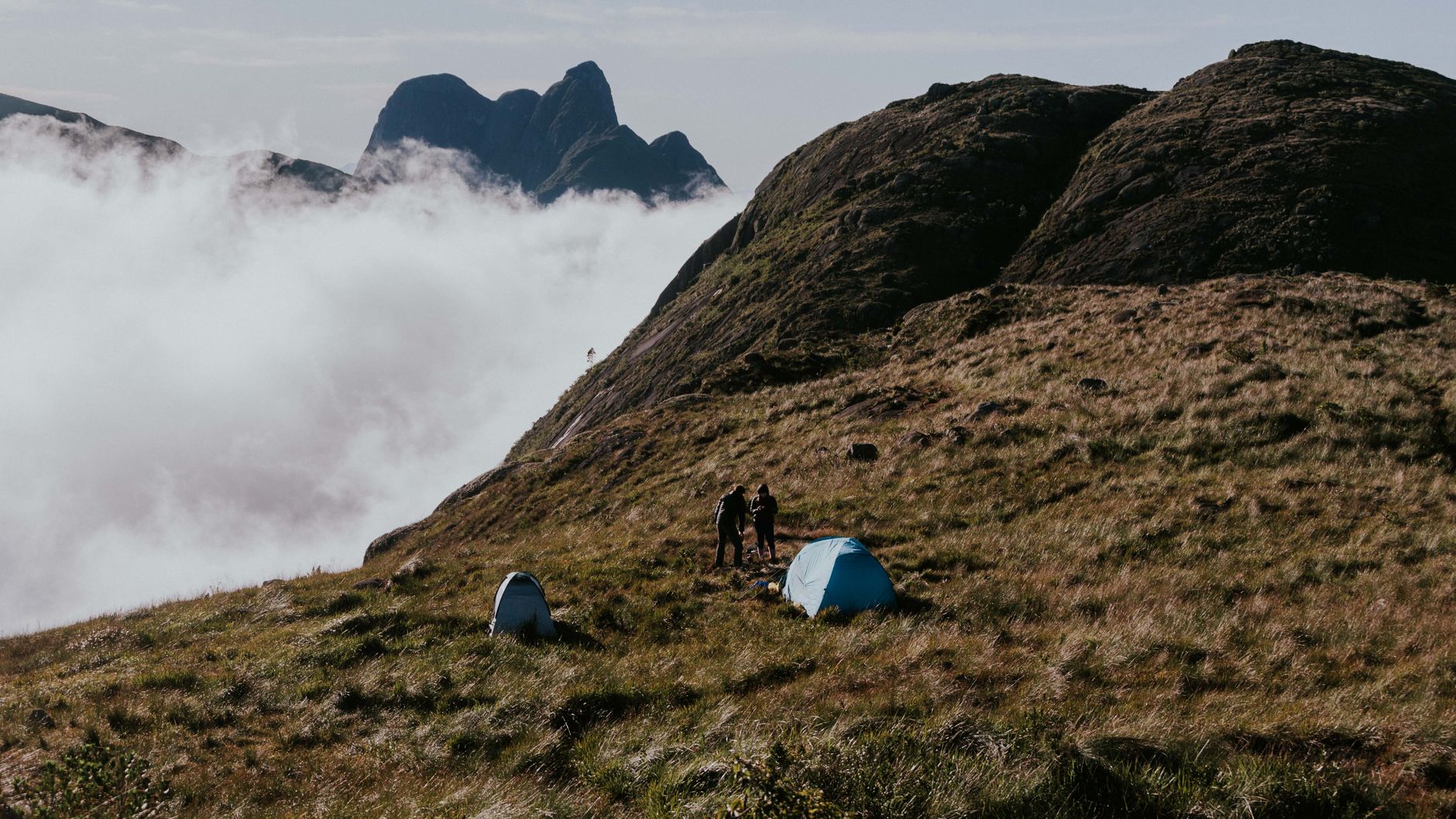
How to Choose the Right Lightweight Backpacking Tent for Your Style
The biggest mistake new backpackers make is buying the lightest tent they can afford before understanding how they actually camp. A solo hiker doing desert trails in the Southwest has radically different needs than a couple doing week-long trips in the Pacific Northwest. Sit down and answer three questions honestly: What’s the typical weather where I hike? Do I hike with trekking poles? Am I camping solo or with a partner?
If you’re starting out, a freestanding double-wall design in the three-to-four pound range gives you maximum versatility and forgiveness. Once you’ve logged enough nights to know your preferences — whether you run hot, whether you prioritize vestibule space, whether you need fast one-person setup — then you can make an educated move toward something lighter and more specialized. If you want to see how experienced thru-hikers approach these decisions, check out our deep-dive on every piece of gear Lucy Barnard used to walk the Americas — her shelter choices are instructive for anyone trying to dial in a long-distance kit.
Also think seriously about your sleep system as a whole. Your tent choice doesn’t exist in a vacuum — it interacts with your sleeping pad’s R-value, your quilt or bag’s temperature rating, and how much condensation management you need. If you’re building out a full ultralight sleep setup, our guide to ultralight sleeping systems under 3 pounds is worth reading alongside this one.
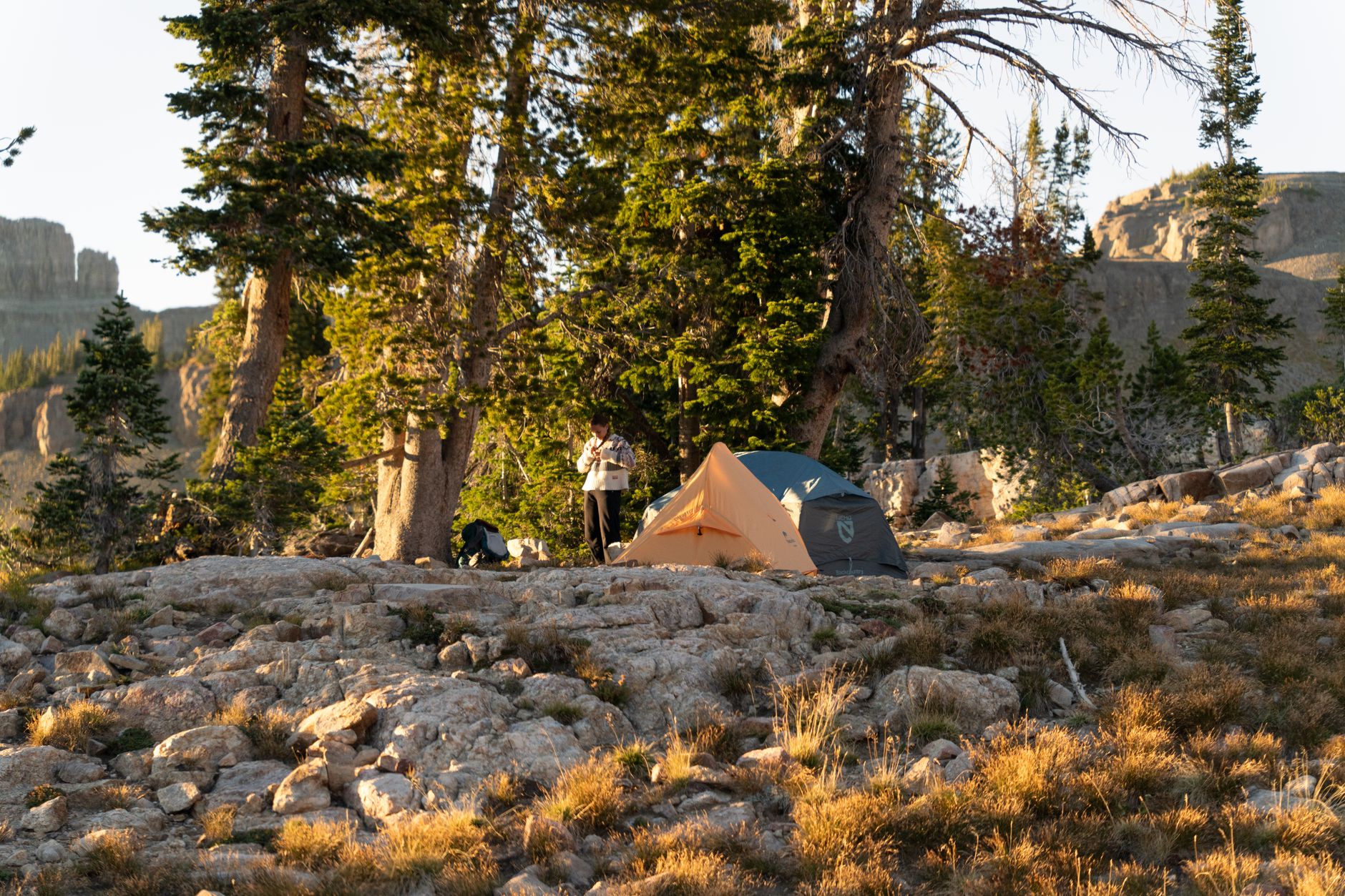
Pitching Tips That Actually Improve Performance
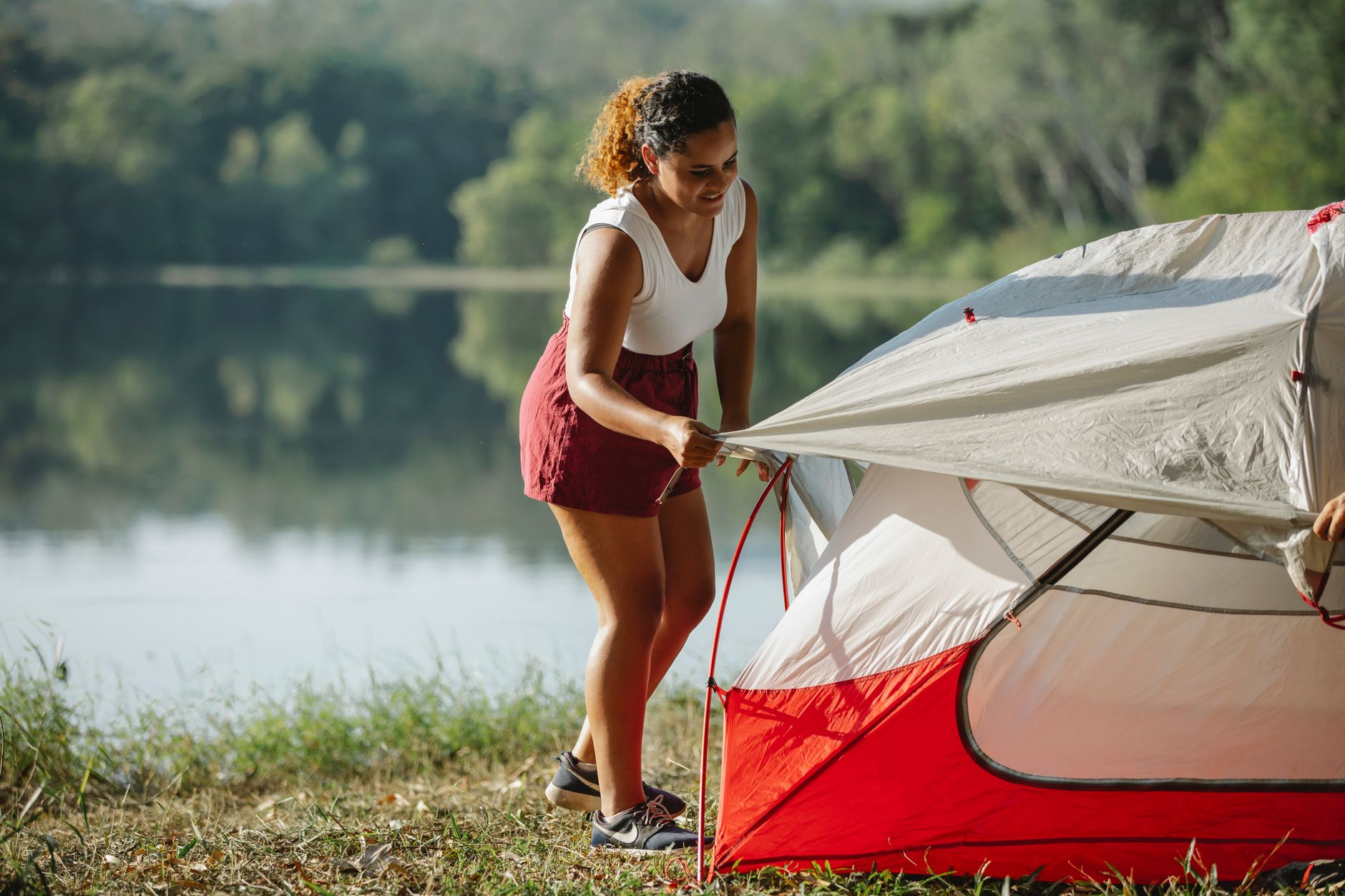
Even the best lightweight backpacking tent performs poorly if you pitch it carelessly. The single biggest performance killer is a loose, floppy fly. Pull your guylines out and stake them every single time — even if it looks clear. Ridge winds arrive fast, especially above treeline, and a properly tensioned fly sheds rain and wind dramatically better than a baggy one. Take five extra minutes at camp to get it right and you’ll stay dry when conditions deteriorate at midnight.
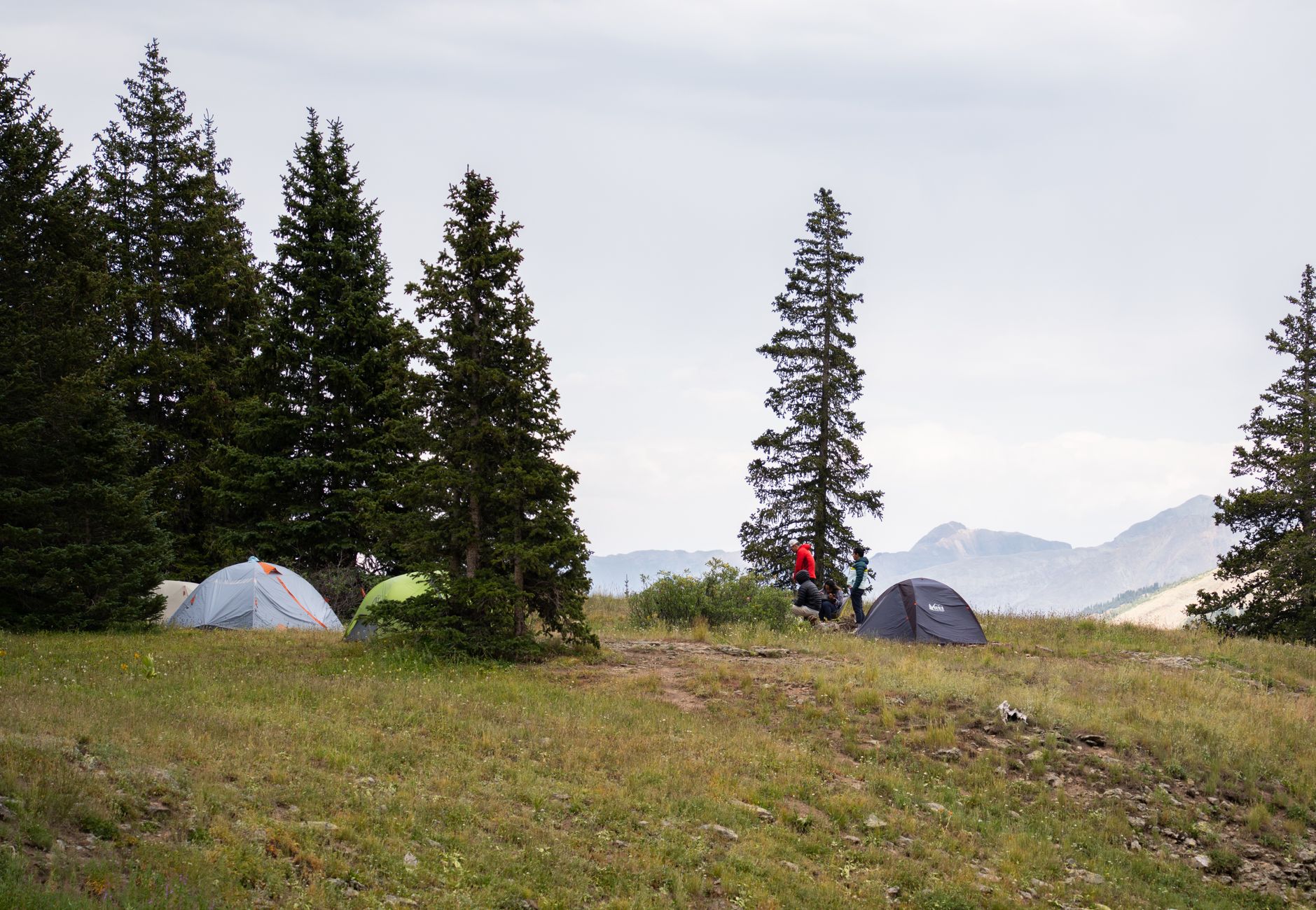
Site selection matters more than most gear advice acknowledges. Look for ground that’s slightly elevated relative to its surroundings so water drains away from your tent rather than pooling underneath it. Avoid pitching directly under large dead branches. Orient your door away from the prevailing wind direction. None of this is revolutionary advice, but it’s consistently ignored by hikers who then blame their tent when they wake up cold and wet. The tent did its job — the pitch failed it.
Caring for Your Tent to Maximize Its Lifespan
A quality lightweight backpacking tent is an investment that should last many years if you treat it right. The number one enemy is UV degradation — silnylon and silpoly fabrics weaken with prolonged sun exposure over time. Don’t leave your tent pitched in direct sunlight for days when you’re at a base camp. Pack it away or at least collapse it when you’re out for the day. Store it loosely at home rather than compressed in its stuff sack, which fatigues the fabric along crease lines.
Seam sealing is another area where new tent owners drop the ball. Many lightweight tents arrive needing user-applied seam sealer — check your manual and apply it before your first major trip. Reapply when you notice seams starting to let moisture through. It takes twenty minutes and extends the life of your shelter by years. Clean your tent with a damp cloth and mild soap, never a washing machine, and never store it damp or mildew will become a permanent roommate.
Conclusion
The best lightweight backpacking tent for you is the one that matches your terrain, your trip length, and your physical style of camping — not just the one with the most impressive spec sheet. For most three-season backpackers, the Big Agnes Copper Spur HV UL2 or Nemo Hornet OSMO Elite represent the pinnacle of what thoughtful engineering can deliver at a reasonable weight. If you’re going full ultralight, the Zpacks Duplex is in a class of its own. If budget is tight, the REI Flash Air 2 punches well above its price.
Whatever you choose, get out and use it before a big trip. Pitch it in your backyard, sleep in it, find its quirks. The trail is no place to read an instruction manual for the first time.
Shop Backcountry Gear Labs on Etsy
Hoodies, tees, hats, and more for campers and hikers who live for the trail.
Get Weekly Gear Picks
Join the Backcountry Gear Labs newsletter for expert gear picks and backcountry advice, every week.
Pingback: Ultralight Shelter Showdown: Tarptent ProTrek vs. 5 Budget-Friendly Alternatives Under $300 - Backcountry Gear Labs