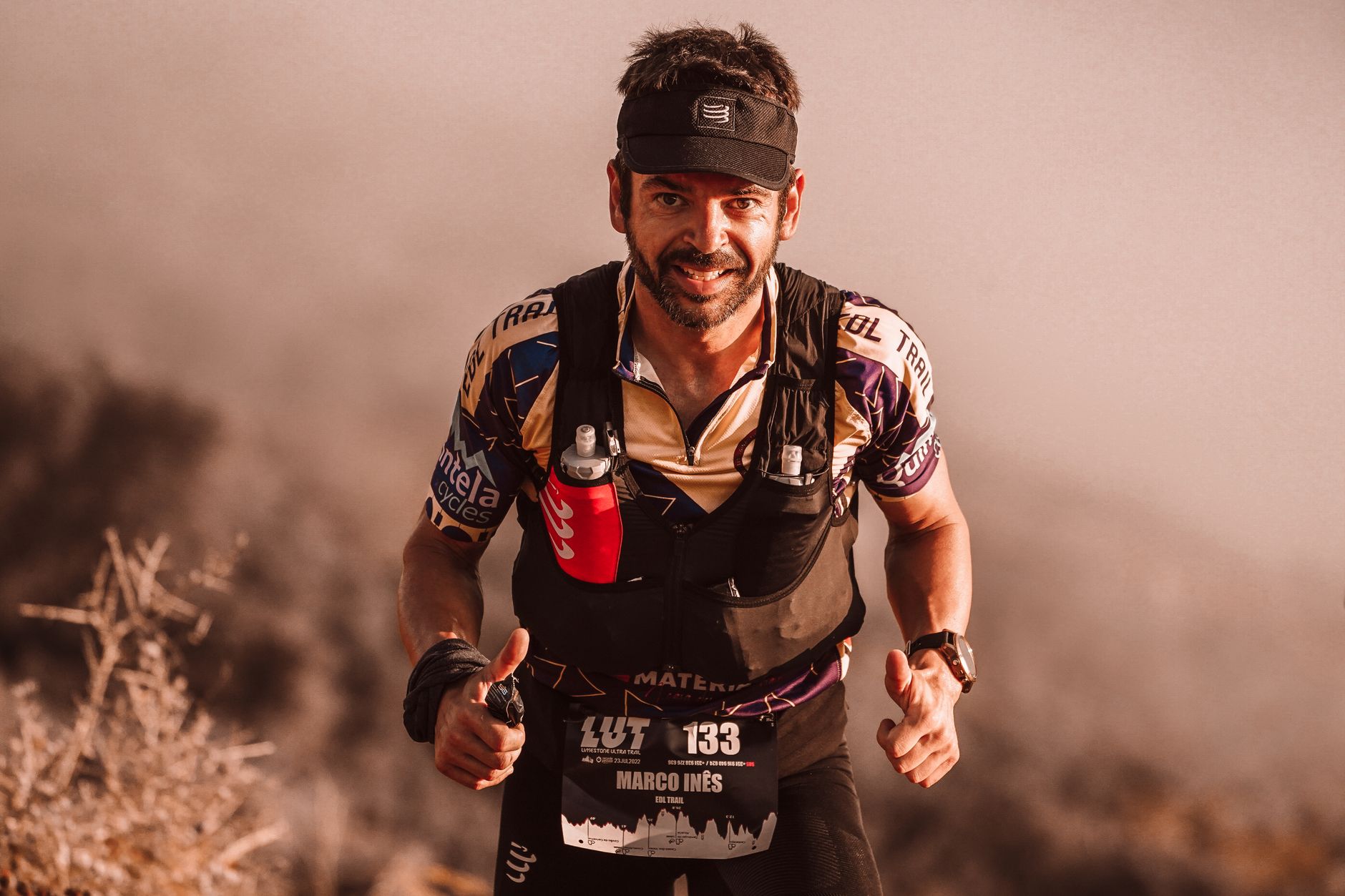
Finding the best trail running shoes for ultra distances is one of the most consequential gear decisions you’ll make before a 50K or 100-miler. The wrong shoe doesn’t just cause blisters — it destroys your quads on technical descents, leaves your metatarsals bruised after mile 40, and turns a strong training block into a DNF. I’ve been testing trail shoes across mountain terrain, volcanic rock, and muddy singletrack for years, and this year’s lineup is genuinely competitive in ways we haven’t seen before.
The HOKA Tecton X 3 arrives as the headliner of this comparison, carrying forward the carbon fiber plate architecture that made the Tecton X 2 a podium staple while addressing some of the durability and fit complaints that plagued its predecessor. But HOKA isn’t running unopposed. Salomon, Saucony, Brooks, La Sportiva, and Altra have all put serious engineering muscle into their ultra-distance offerings this cycle. The question isn’t which shoe is “best” in a vacuum — it’s which shoe is best for your foot shape, your race terrain, and your personal weight-versus-protection trade-off.
I ran each of these shoes through a structured testing protocol built specifically for 50K-and-beyond demands: cushion longevity past mile 25, rock plate protection on technical scree, upper durability through water crossings, and the real-world weight penalty you feel after hour six. Here’s the full breakdown.
How We Tested: Ultra-Specific Criteria That Actually Matter
Most shoe reviews clock 20 to 30 miles and call it a day. That’s fine for a 10K trail race — it’s almost useless for ultra evaluation. My testing protocol logs a minimum of 60 miles per shoe across at least three surface types, with deliberate inclusion of late-run miles (miles 25 through 40) where cushion compression, hot spots, and heel cup breakdown become apparent. Each shoe gets run through loose talus, packed dirt, wet root systems, and at least one sustained climb of 2,000 feet or more.
I track four core metrics: cushion longevity (how does the midsole feel at mile 35 compared to mile 5?), rock plate protection (using a standardized sharp-gravel section where I deliberately land mid-foot), weight trade-off (actual on-scale weight versus perceived weight fatigue at hour five), and upper structural integrity after water exposure. I also factor in stack height consistency — several shoes in this comparison use foam compounds that compress significantly when wet, a real problem during river crossings in mountain ultras.
One note on fit: I run in a medium-width foot with moderate arch. Where a shoe skews narrow or wide in meaningful ways, I’ve called it out directly in the card notes below. Ultra feet swell — any shoe that fits perfectly at mile zero but creates pressure points by mile 20 gets penalized accordingly.

The Best Trail Running Shoes for Ultra Distances: 6 Models Ranked and Reviewed
1. HOKA Tecton X 3 — The Benchmark
The Tecton X 3 is HOKA’s most refined carbon-plated trail shoe yet. The dual carbon fiber plate system — one plate in the forefoot, one in the heel — delivers propulsion without the stiff, disconnected feel that plagues lesser carbon trail shoes. The updated PEBA-based midsole foam retains significantly more volume after extended compression than the EVA blend used in the X 2, which translates to genuine cushion at mile 35. The fit has been widened very slightly in the toe box, addressing a common complaint from long-distance runners whose feet swell late in races. Weight comes in at 9.2 oz (men’s size 9), which is competitive given the dual-plate architecture. The outsole rubber coverage has improved on the medial forefoot — an area where the X 2 showed premature wear — and the upper uses a more abrasion-resistant engineered mesh that held up through three wet crossings without delaminating. The rock plate protection is exceptional on moderate technical terrain. On extreme sharp scree, the plate’s stiffness can actually reduce ground feel to a degree that becomes a stability liability — something to consider if your target race includes aggressive off-camber boulder fields.
Pros:
- ✅ Best cushion longevity tested past mile 30
- ✅ Dual carbon plates deliver measurable energy return on runnable terrain
- ✅ Improved toe box width accommodates late-race foot swell
- ✅ Superior upper durability through water crossings
Cons:
- ⚠ Plate stiffness reduces stability on extreme off-camber boulders
- ⚠ Premium price point is hard to justify for training use
2. Salomon S/LAB Genesis — The Technical Terrain Specialist
Salomon’s S/LAB Genesis is the shoe I’d reach for if my race involves sustained rocky, highly technical terrain where grip and ground feel outweigh raw cushion volume. The Contagrip TD outsole is one of the best sticky-rubber compounds in trail running, with 5mm lugs that bite into loose dirt without becoming unwieldy on hardpack. The Vibe midsole technology does a solid job of dampening vibration across sharp rock gardens, though total stack height is lower than the Tecton X 3, which means cumulative impact fatigue sets in earlier on 50-mile-plus efforts. The Sensifit upper wraps the midfoot securely without creating pressure points, and the toe bumper is robust enough to handle aggressive rock strikes. This is a precision instrument for technical mountain racing, not a high-mileage cushion platform.
Pros:
- ✅ Elite grip and ground feel on technical rocky terrain
- ✅ Sensifit upper delivers secure lockdown without hot spots
- ✅ Excellent toe protection for aggressive downhill running
Cons:
- ⚠ Lower stack height increases fatigue on road-to-trail transitions beyond mile 40
- ⚠ Runs narrow — size up half if you have wide feet
3. Saucony Peregrine 15 — The All-Rounder
The Peregrine 15 is the shoe I recommend most often to runners entering their first ultra. It threads the needle between cushion volume, weight, and protection in a way that forgives early pacing mistakes and foot strike inefficiencies. The PWRTRAC outsole uses an aggressive lug pattern that performs reliably across mud, packed dirt, and loose gravel without the specialized feel of a more extreme trail shoe. The PWRRUN midsole is not carbon-plated, but its rebound characteristics hold up well through extended mileage — I noticed only modest compression degradation at mile 35 compared to mile 5. The rock plate is full-length and provides solid protection without eliminating all ground feel. At 9.6 oz, it’s not the lightest option here, but perceived weight fatigue is lower than the scale number suggests, likely due to the balanced geometry.
Pros:
- ✅ Versatile across multiple terrain types — ideal for mixed-surface ultras
- ✅ Full-length rock plate with good protection-to-ground-feel balance
- ✅ Most accessible price in this comparison
Cons:
- ⚠ No carbon plate means less energy return on runnable sections
- ⚠ Upper shows wear faster than HOKA and Salomon on abrasive surfaces
4. Brooks Catamount 4 — The Cushion-Speed Balance
Brooks has quietly built the Catamount line into one of the most underrated ultra shoes on the market. The Catamount 4 uses a nitrogen-infused DNA Flash midsole that is genuinely springy and holds its volume better than most non-PEBA foams I’ve tested. The carbon fiber plate here is a single-plate system positioned under the forefoot, delivering a noticeable toe-off assist on runnable terrain. At 8.9 oz, it’s the lightest shoe in this comparison, and that matters more than you’d think after mile 30 when every gram feels compounded. The TrailTack rubber outsole is grippy on wet roots and hardpack but struggles slightly in deep mud. Cushion longevity is excellent — second only to the Tecton X 3 in my testing. The toe box is generous by Brooks standards, accommodating swell well.
Pros:
- ✅ Lightest shoe in this comparison at 8.9 oz
- ✅ DNA Flash foam holds cushion volume exceptionally well past mile 30
- ✅ Generous toe box accommodates late-race swelling
Cons:
- ⚠ Single forefoot plate provides less heel cushion protection than dual-plate systems
- ⚠ Struggles in deep mud — best suited for hardpack and rocky terrain
5. La Sportiva Cyklon Cross — The Mountain Specialist
If your ultra takes you above treeline into genuine alpine terrain — loose rock, scree fields, sustained off-camber scrambling — the Cyklon Cross is the most capable shoe in this comparison. The FriXion XF outsole compound is engineered for dry alpine rock with a stickiness that’s genuinely impressive on granite slabs. The heel-to-toe drop is 6mm, which positions it in a middle ground that works well for runners transitioning from both high-drop road shoes and minimal trail shoes. Rock plate protection is aggressive and full-coverage. The trade-off is cushion volume — La Sportiva prioritizes responsiveness and ground feel over plush cushioning, which means this shoe asks more of your legs on sustained runnable sections. Best for technical mountain 50Ks rather than flatter 100-mile courses.
Pros:
- ✅ Best in class grip on dry alpine rock and scree
- ✅ Aggressive full-coverage rock plate for technical mountain terrain
- ✅ Durable upper built for rugged high-country use
Cons:
- ⚠ Lower cushion volume increases leg fatigue on long runnable sections
- ⚠ Narrower fit is not ideal for runners with wide or swelling feet
6. Altra Olympus 6 — The Maximum Cushion Option
Altra’s Olympus 6 is the choice for runners who prioritize cushion volume above all else — particularly those managing plantar fasciitis, recovering from stress injuries, or simply logging massive training mileage where joint preservation is the priority. The foot-shaped toe box is Altra’s signature and it genuinely shines in ultras where foot swell is extreme. The EGO MAX midsole delivers the highest stack height in this comparison at 33mm, with a zero-drop geometry that works brilliantly for runners who have trained in zero-drop shoes but creates a real injury risk for those who haven’t. The rock plate is present but on the lighter end — I’d call it rock-resistant rather than rock-proof. On very sharp terrain, you’ll feel more through the forefoot than with the Tecton X 3 or La Sportiva. Weight is higher at 10.8 oz, and that’s felt. Best suited for runnable 50Ks and 100-milers where the terrain is forgiving.
Pros:
- ✅ Maximum cushion volume — best for joint preservation on high-mileage training
- ✅ Widest toe box in the comparison — accommodates extreme foot swell
- ✅ Zero-drop geometry supports natural foot strike for adapted runners
Cons:
- ⚠ Heaviest shoe tested at 10.8 oz — weight fatigue is real past mile 35
- ⚠ Zero-drop is a liability for runners not adapted to it — Achilles injury risk
- ⚠ Rock plate is minimal — not recommended for highly technical terrain
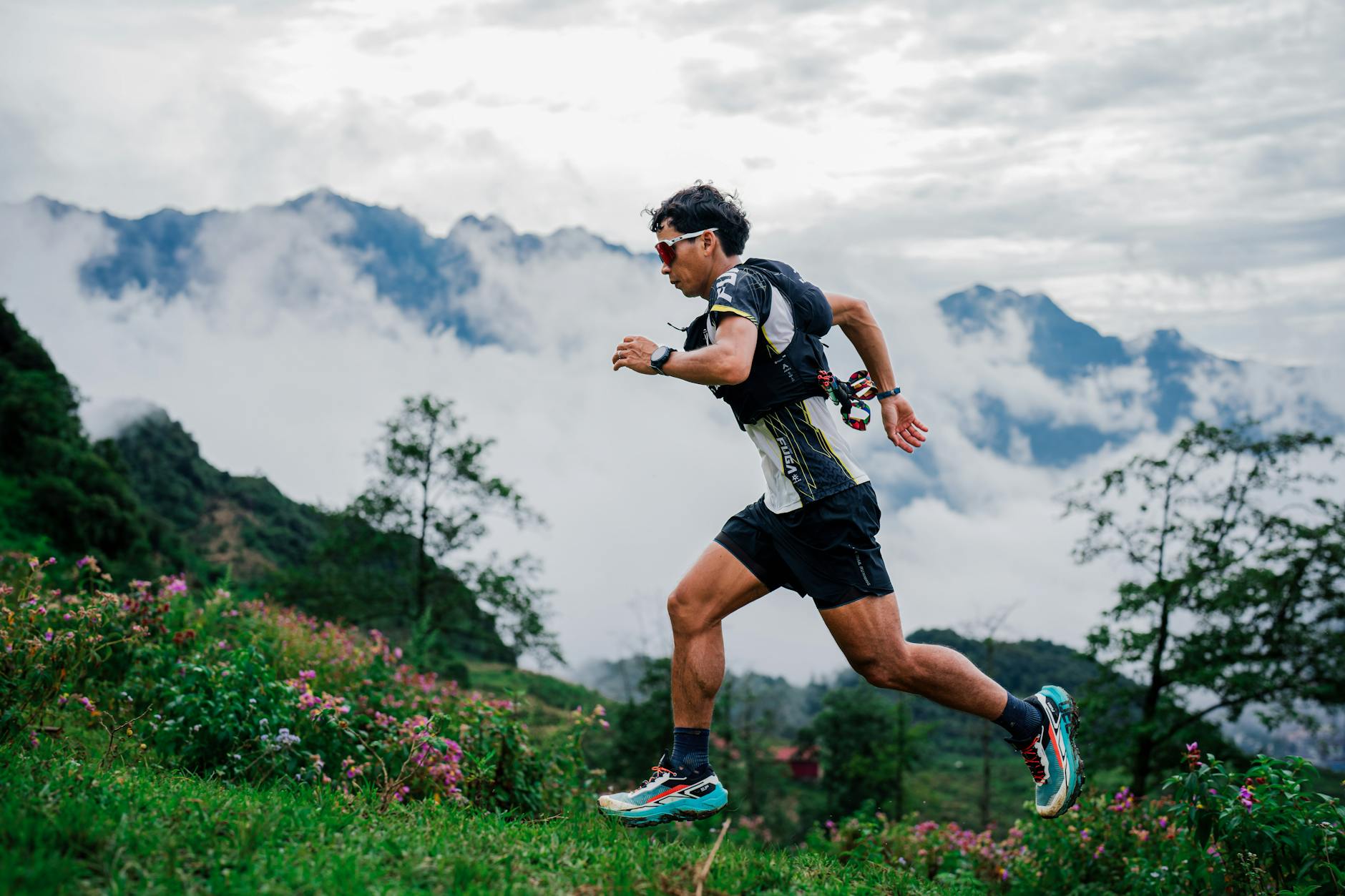
Cushion Longevity and Rock Plate Protection: The Ultra-Specific Trade-Off Explained
Here’s the tension that every ultra shoe designer is fighting: the foams that provide the most cushion volume tend to compress more under sustained load, and the rock plates stiff enough to fully deflect sharp stone strikes also reduce the proprioceptive feedback you need to run efficiently on technical terrain for six-plus hours. There is no perfect answer — only honest trade-offs. The Tecton X 3 and Brooks Catamount 4 represent the best current engineering attempts to minimize that compromise, using PEBA-adjacent foam compounds that compress less and recover faster than traditional EVA blends.
Rock plate coverage matters differently depending on your terrain. A full-length rigid plate like the La Sportiva Cyklon Cross offers maximum underfoot protection but reduces the shoe’s ability to flex naturally through the gait cycle, which creates quad and calf fatigue over distance. A partial forefoot plate like the Catamount 4 protects the most vulnerable strike zone while preserving natural midfoot flex. For 50K runners covering mixed terrain, I’d argue the partial plate design is actually the smarter choice unless your course is predominantly sharp scree. For 100-mile courses with significant road or packed-dirt sections, maximum cushion longevity trumps plate coverage — and that’s where the Tecton X 3 and Altra Olympus 6 pull ahead.
Weight Trade-Offs: What the Scale Doesn’t Tell You
A 2-ounce difference in trail shoe weight sounds trivial. At mile 35, it isn’t. Research on running economy suggests that 100 grams of additional shoe weight increases oxygen consumption by roughly 1% — and in an ultra, that adds up to meaningful energy expenditure over 8 to 30 hours of movement. The Brooks Catamount 4’s 8.9 oz weight advantage over the Altra Olympus 6’s 10.8 oz translates to real caloric and neuromuscular savings over a full 100-mile effort. That said, a heavier shoe with better cushion longevity may be the more efficient net choice if it reduces the injury-protective compensation patterns (quad bracing, shortened stride) that your body adopts when cushion degrades.
My practical framework: if your ultra is under 50K and terrain is moderate, prioritize weight and energy return — the Tecton X 3 or Catamount 4. If your race extends to 100K or beyond on runnable terrain, prioritize cushion longevity — the Tecton X 3 or Olympus 6. If terrain is extreme and technical, prioritize protection — the S/LAB Genesis or La Sportiva Cyklon Cross. If you’re new to ultras or managing foot health issues, prioritize forgiving fit and versatility — the Saucony Peregrine 15 remains the most sensible starting point. For those building out a complete long-distance kit, the same careful approach to fit and function applies to your gear choices broadly — a philosophy explored well in this breakdown of what Lucy Barnard carried across continents and the gear lessons learned from sustained multi-month efforts.
The Verdict: Which Ultra Trail Shoe Should You Buy?
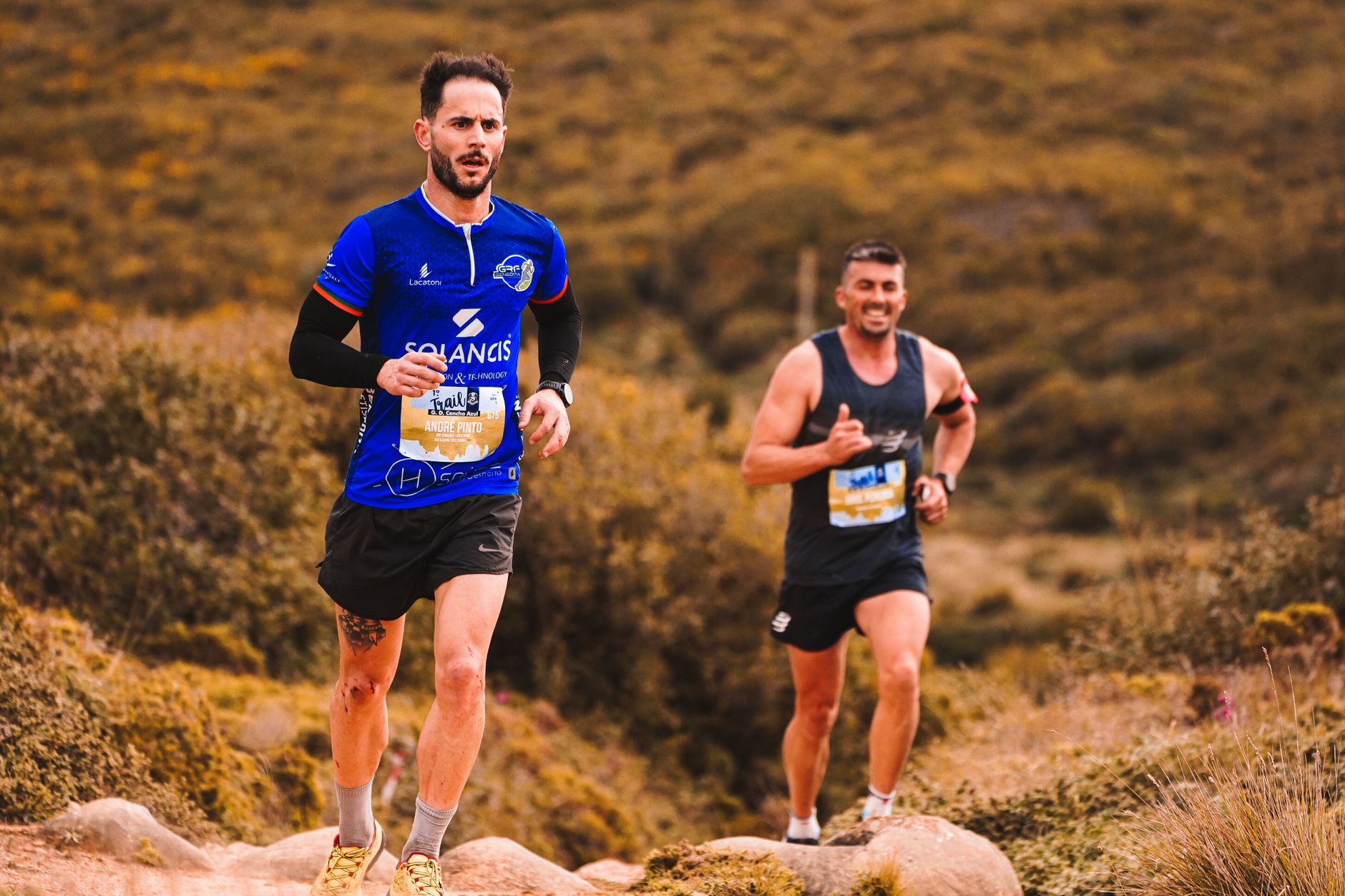
The HOKA Tecton X 3 earns the top slot in this comparison because it delivers the best combination of cushion longevity, energy return, and upper durability for the widest range of ultra-distance scenarios. It is the closest thing to a do-it-all elite ultra shoe currently available, and the improvements over the X 2 are substantive rather than cosmetic. If your budget allows and your race terrain is moderate to highly runnable, it’s the clear recommendation.
For runners on tighter budgets or logging high training volume, the Saucony Peregrine 15 represents extraordinary value without significant performance compromise. For technical mountain specialists, the Salomon S/LAB Genesis and La Sportiva Cyklon Cross are the honest choices even if they ask more of your legs. And if maximum cushion volume is your non-negotiable — due to injury history, biomechanics, or race distance — the Altra Olympus 6 delivers that in a package no other shoe in this comparison can match. The best trail running shoes for ultra distances are the ones that match your specific terrain, your foot shape, and the demands of your target race distance — not necessarily the ones that top every aggregate review list.
Shop Backcountry Gear Labs on Etsy
Hoodies, tees, hats, and more for campers and hikers who live for the trail.
Get Weekly Gear Picks
Join the Backcountry Gear Labs newsletter for expert gear picks and backcountry advice, every week.