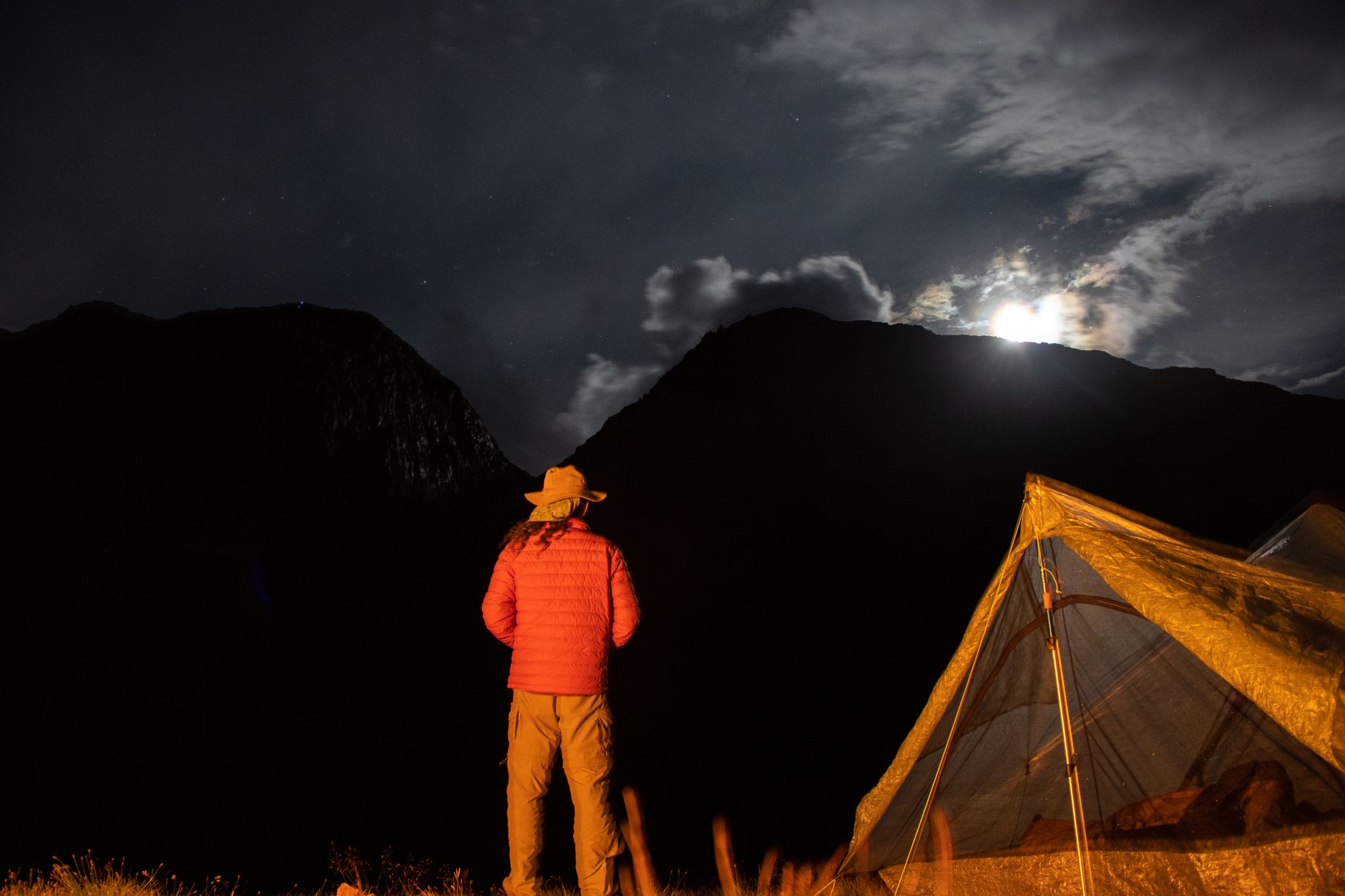
Finding the best ultralight backpacking shelter is one of the most consequential gear decisions you’ll make — it affects every single night in the backcountry. The Tarptent ProTrek sits near the top of the ultralight shelter conversation for good reason: bomber construction, thoughtful design, and a pedigree that serious thru-hikers respect. But at its premium price point, plenty of backpackers are left wondering if a budget alternative could do the job just as well for a fraction of the cost.
In this comparison, I’m putting the Tarptent ProTrek head-to-head against five budget-friendly shelters priced under $300 — including popular names like Lanshan, 3F UL Gear, and Naturehike. I’ll break down weight, packed size, durability, weather resistance, and overall value so you can make an informed decision before your next trip. Whether you’re a weekend warrior or a long-trail obsessive, this breakdown has you covered.
Full disclosure: I’ve spent time in several of these shelters across a range of conditions — from high-desert wind to Pacific Northwest drizzle — so the takes here come from real-world experience, not spec-sheet speculation. Let’s get into it.
Tarptent ProTrek: Key Specs and What You’re Actually Paying For
The Tarptent ProTrek is a trekking-pole-supported, single-wall shelter built with Dyneema-blend silnylon and silpoly fabrics that punch well above their weight class. It pitches taut, sheds water aggressively, and offers a livable interior for a solo backpacker without ballooning your pack weight past the 20-ounce mark. Henry Shires, the designer behind Tarptent, has always prioritized functional geometry over marketing fluff — and the ProTrek reflects that philosophy.
The ProTrek checks in at approximately 19 to 21 ounces depending on configuration and stakes used, with a packed size that slides easily into a side pocket. Waterproofing is rated at 3,000mm HH with fully taped seams, and the single-wall design eliminates the condensation management challenges of a double-wall by using strategic venting and a pitched beak vestibule. You’re paying for precision stitching, quality silnylon, and a design that’s been refined over years of real hiker feedback — not factory-floor guesswork.
The honest trade-off? The ProTrek retails between $300 and $350, depending on current availability. That’s a serious investment, especially for newer backpackers still dialing in their systems. The shelters below aim to undercut that price while delivering competitive performance — so let’s see how they stack up on the metrics that actually matter on trail.
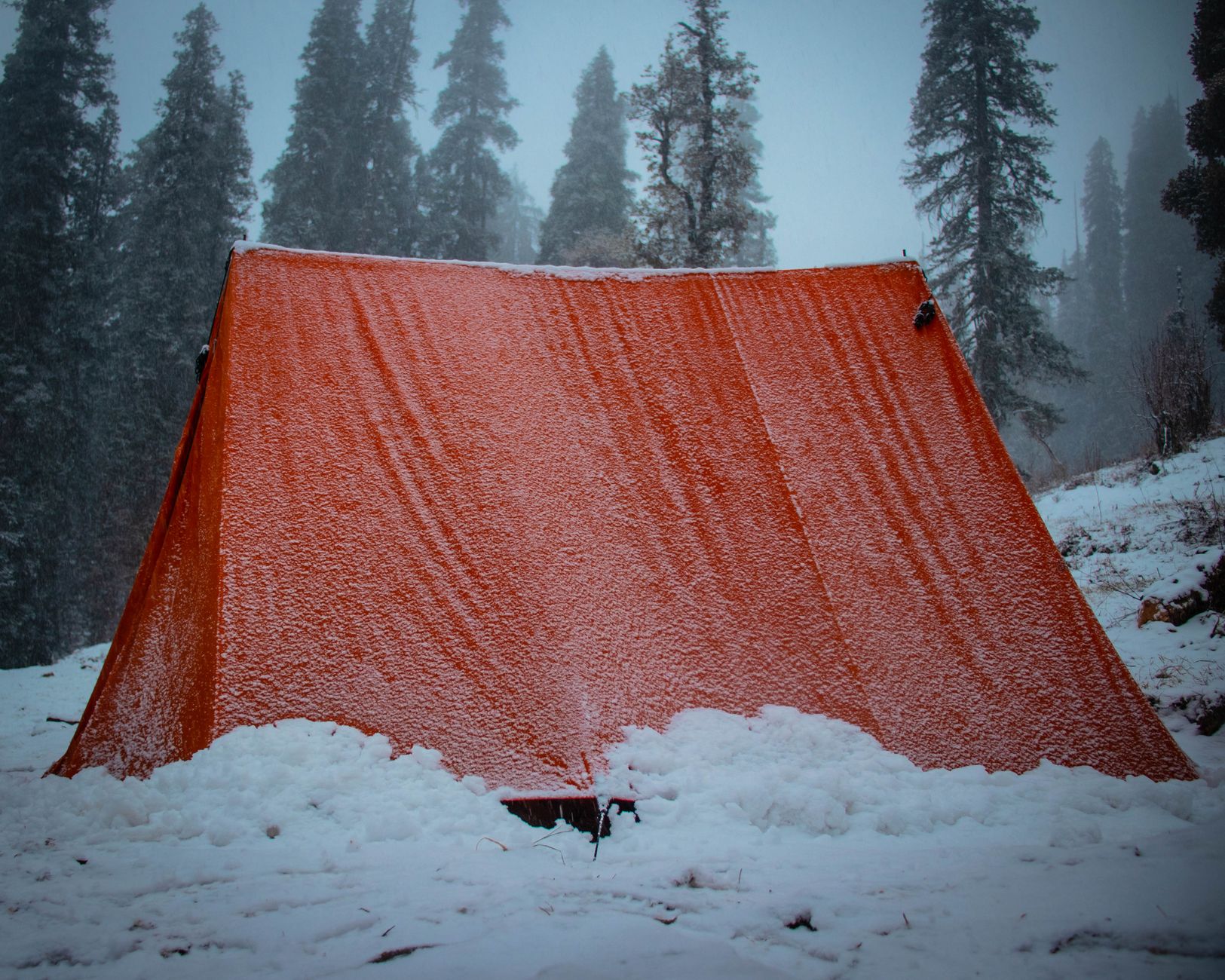
Best Ultralight Backpacking Shelter Alternatives Under $300: The Contenders
1. Lanshan 1 Pro Ultralight Tent ⛺
The Lanshan 1 Pro is arguably the most popular budget ultralight shelter in the thru-hiking community, and for good reason. It uses 20D silnylon with a 3,000mm HH rating, pitches via two trekking poles, and comes in under 2 pounds — making it a genuine contender for gram-counters on a budget. The double-wall design is a notable upgrade over the standard Lanshan, significantly reducing interior condensation. Street price typically falls around $100 to $130, making it one of the strongest value plays in this entire category.
Pros:
- ✅ Excellent weight-to-price ratio
- ✅ Double-wall construction cuts condensation
- ✅ Spacious enough for taller hikers
Cons:
- ✗ Seams require DIY sealing out of the box
- ✗ Floor durability is mediocre on rocky terrain
2. 3F UL Gear Lanshan 2 Pro ⛺
The 3F UL Gear Lanshan 2 Pro is the two-person version of the same platform, and it’s an absurdly capable shelter for the price. It weighs around 2.5 pounds for a two-person tent, uses 20D ripstop silnylon throughout, and features a double-wall design with a dedicated inner mesh tent and a silnylon fly. Solo hikers frequently use it as a palatial single, giving you real stretching room and gear storage space. Expect to pay around $160 to $200 depending on the retailer and colorway.
Pros:
- ✅ Outstanding interior volume for the weight
- ✅ Solid two-trekking-pole pitch system
- ✅ Strong weather performance for a budget shelter
Cons:
- ✗ Zippers are the weakest link — inspect and wax early
- ✗ Packed size is slightly bulky compared to competitors
3. Naturehike Cloud-Up 1 Ultralight Tent ⛺
Naturehike has built a massive following by producing surprisingly competent shelters at aggressive price points, and the Cloud-Up 1 is their flagship ultralight offering. It weighs around 2.2 pounds, uses a double-wall aluminum-pole design (no trekking poles required), and delivers a clean pitch that holds up well in moderate wind and rain. The 210T ripstop nylon fly with 3,000mm HH coating isn’t as refined as Dyneema or silnylon, but it performs adequately through three-season conditions. Price typically lands between $120 and $160.
Pros:
- ✅ Freestanding design — great for rocky ground
- ✅ No trekking poles required
- ✅ Excellent value for car-to-backcountry transition hikers
Cons:
- ✗ Aluminum poles add weight vs. trekking-pole setups
- ✗ Fly material doesn’t breathe as well in high humidity
4. Clostnature Lightweight Backpacking Tent ⛺
Clostnature is a lesser-known name that deserves more attention in the best ultralight backpacking shelter conversation. Their 1-person tent uses 20D ripstop nylon with a 3,000mm coating and comes in at around 1.9 pounds — one of the lightest freestanding options in this price bracket. The double-wall setup handles condensation better than most single-wall budget shelters, and the cross-pole pitch is stable enough to handle gusty conditions. Priced between $130 and $170, it’s an underdog worth considering.
Pros:
- ✅ Impressively light for a freestanding design
- ✅ Double-wall keeps condensation in check
- ✅ Compact packed size fits a side bottle pocket
Cons:
- ✗ Limited brand support and warranty track record
- ✗ Vestibule is tight for large packs
5. Geertop Ultralight 1-Person Backpacking Tent ⛺
Geertop’s ultralight single-person tent rounds out this list as the most stripped-down, minimalist option of the group. It hovers around 2 pounds, uses a basic double-wall construction with a 2,000mm HH fly, and pitches quickly with included aluminum poles. It’s best suited for fair-weather three-season trips where extreme weather isn’t expected — think summer mountain meadows, not late-October ridgelines. But at under $100 on sale, it offers a genuinely functional entry point into ultralight shelter without breaking anything close to the bank.
Pros:
- ✅ Lowest price point of the group
- ✅ Fast, intuitive pitch system
- ✅ Solid for beginner ultralight hikers
Cons:
- ✗ 2,000mm HH isn’t confidence-inspiring in heavy rain
- ✗ Overall construction feels noticeably less refined than competitors
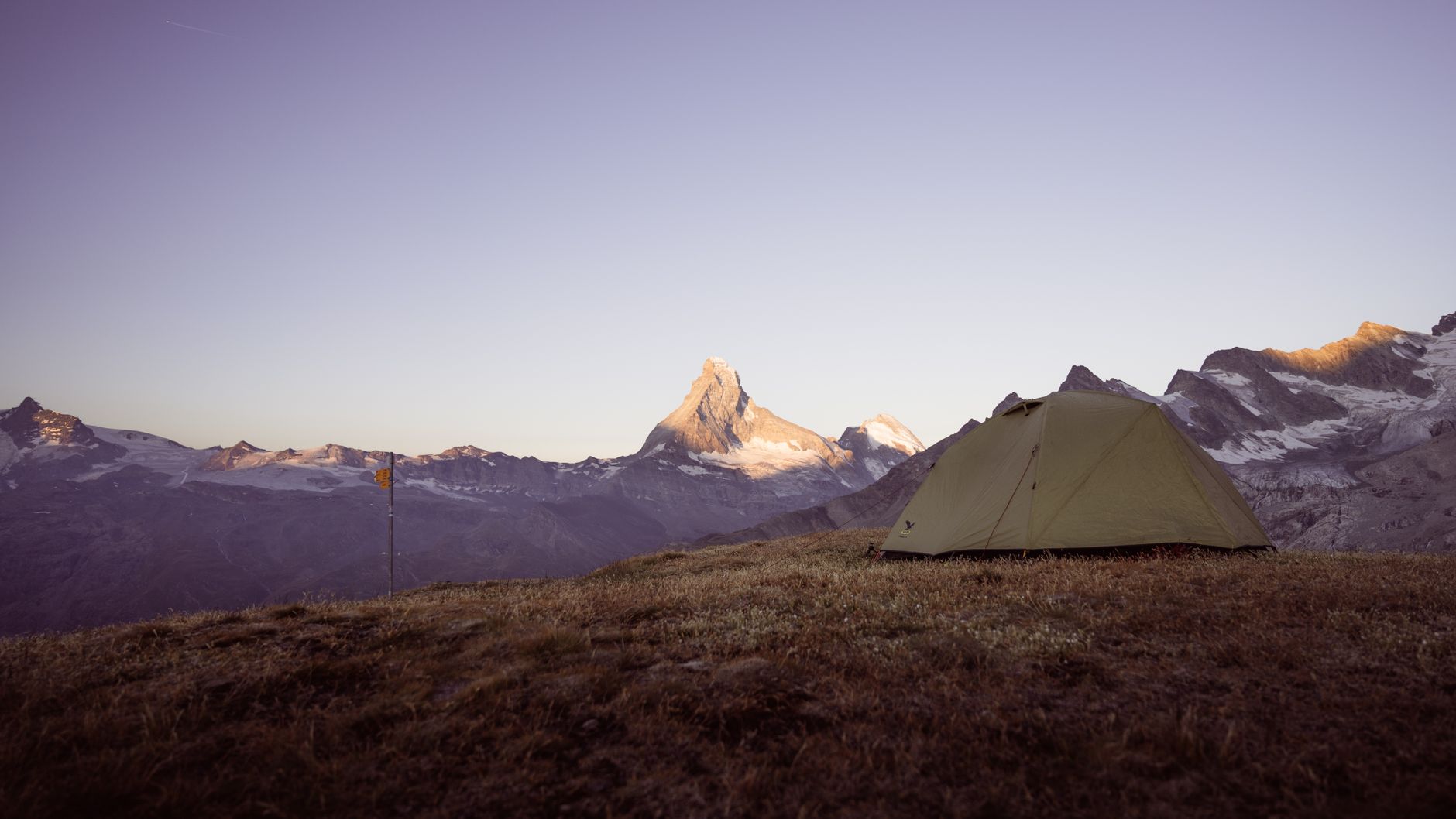
Weight, Packed Size, and Durability: How Budget Shelters Actually Compare
The weight gap between the ProTrek and these budget alternatives is real, but it’s narrower than you might expect. The ProTrek’s sub-21-ounce trail weight is genuinely impressive, but the Lanshan 1 Pro and Clostnature options both get close to that figure while coming in at less than half the price. Where budget shelters consistently fall behind is in material longevity — cheaper silnylon and thinner floor fabrics show wear faster, especially on abrasive granite or desert hardpack. If you’re doing a weekend trip per month, that degradation matters over two or three seasons. If you’re thru-hiking and replacing gear annually anyway, it matters far less.
Packed size tells a similar story. The ProTrek stuffs down to a tidy cylinder that disappears into a main compartment or hangs off the outside of a frameless pack. Most budget options in this list are within a few cubic inches of that, though the 3F UL Lanshan 2 Pro is the outlier — its two-person floor plan shows up in packed volume, even though it’s still manageable. For pure commuter-style overnight missions, any of the five alternatives pack efficiently enough to not be a dealbreaker.
Durability is where the premium justifies itself for heavy users. Tarptent’s stitching, seam tape quality, and pole sleeve construction represent a meaningful step above what you’ll find on Chinese-market shelters. That said, for backpackers who want to understand their full system before spending big, pairing a budget shelter with solid navigation and safety gear — like what we covered in our ultralight backpacking gear tested breakdown — is a smart way to build out your kit without overcommitting on any single item.
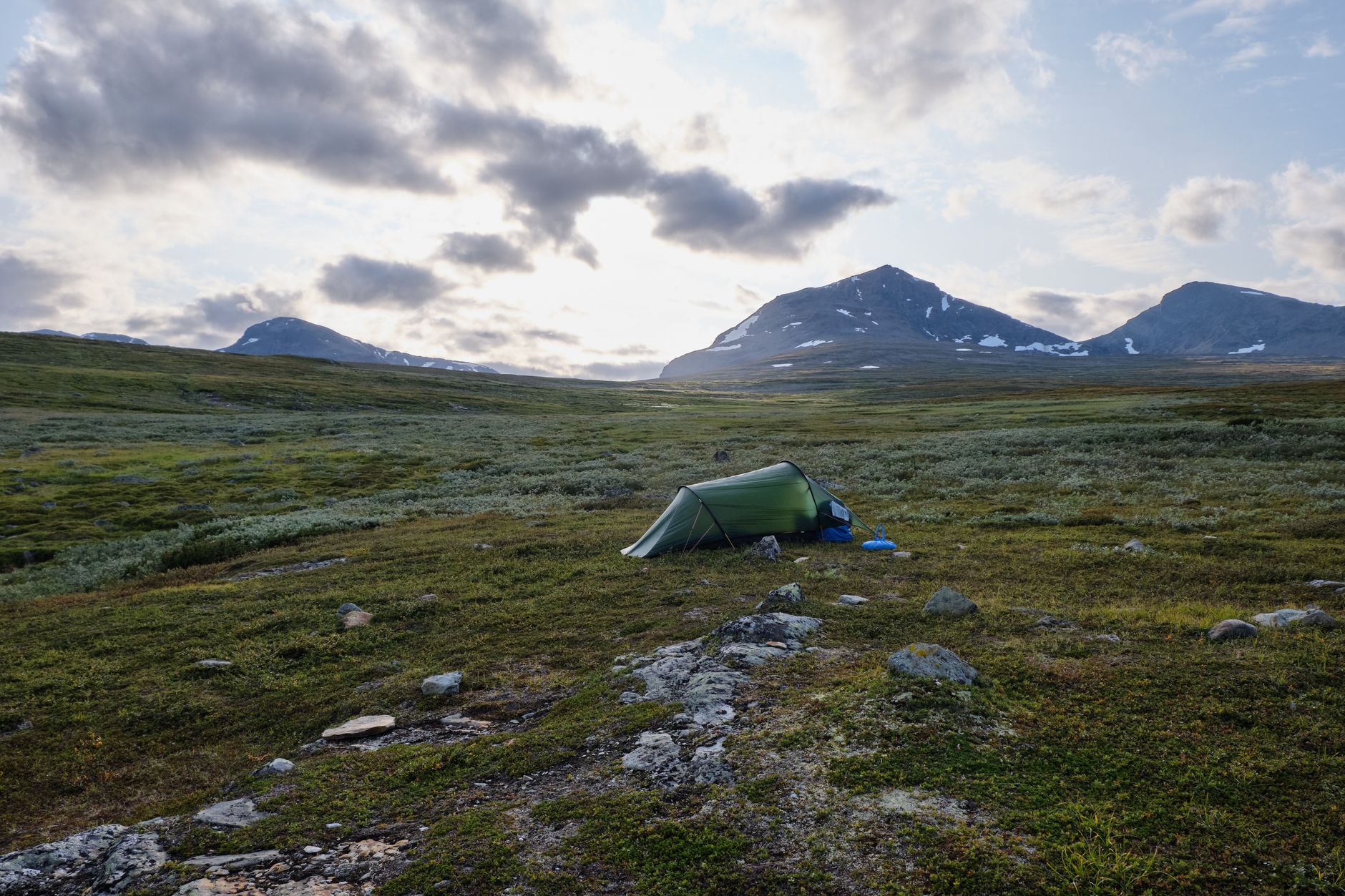
Value for Backpackers on a Budget: Who Should Buy What
The Tarptent ProTrek earns its price for hikers doing serious mileage in unpredictable weather — think PCT sections, high-route traverses, or shoulder-season alpine trips where a shelter failure has real consequences. The craftsmanship, warranty support, and weather performance ceiling genuinely justify the premium for that use case. If you’re planning a 500-plus-mile thru-hike and want one shelter that keeps you dry through everything, the ProTrek is a sound investment.
For backpackers doing three-season trips under moderate conditions — weekend trips, established trail systems, summer through early fall — the Lanshan 1 Pro and Naturehike Cloud-Up 1 deliver 80 to 85 percent of the ProTrek’s real-world performance at less than 40 percent of the price. That remaining 15 to 20 percent gap only becomes apparent in sustained heavy weather or over hundreds of nights of use. Budget shelters also make excellent secondary or loaner shelters for group trips where you need options without doubling your gear budget.
The Geertop and Clostnature options are best positioned for newer backpackers dialing in their preferences before making a serious investment. There’s no shame in starting with a $120 tent — it lets you figure out what you actually value in a shelter (interior volume? vestibule access? condensation management?) before spending premium dollars on the features that matter most to your specific style. It’s the same logic that applies to any major gear category, from water filtration to footwear. If you’re building out your shelter system alongside your lightweight backpacking tent setup, our roundup of the 7 best lightweight backpacking tents tested is worth a read for more context across the broader tent market.
Final Verdict: Is the Tarptent ProTrek Worth the Premium?
Yes — for the right hiker. The Tarptent ProTrek is a best ultralight backpacking shelter for experienced backpackers who know exactly what they want: refined geometry, reliable weather protection, and a sub-pound-and-a-half setup that doesn’t demand constant babysitting in a storm. It’s a piece of kit that rewards experience and repays the investment over many seasons of use.
But if you’re newer to ultralight travel, budget-conscious, or simply doing lighter-duty trips in milder conditions, the Lanshan 1 Pro is my top pick from the alternatives — excellent weight, solid weather resistance, and a community of experienced users who’ve ironed out the kinks through collective field testing. The 3F UL Lanshan 2 Pro earns a close second for hikers who want room to breathe. The Naturehike Cloud-Up 1 is the call for anyone who refuses to deal with trekking-pole pitch logistics.
Bottom line: don’t let perfect be the enemy of functional. Any of these five alternatives will get you out there sleeping under the stars and learning what you need in a shelter — and that experience is worth more than any single piece of gear.
Shop Backcountry Gear Labs on Etsy
Hoodies, tees, hats, and more for campers and hikers who live for the trail.
Get Weekly Gear Picks
Join the Backcountry Gear Labs newsletter for expert gear picks and backcountry advice, every week.
Pingback: Ultralight Camp Kitchen: Build a Complete Backcountry Cooking Setup Under 2 Pounds - Backcountry Gear Labs