
Summer hiking gear for extreme heat isn’t optional anymore — it’s survival strategy. National parks across the American Southwest are issuing heat emergencies with increasing regularity, with rangers pulling overdue hikers off canyon trails and helicopters responding to heat stroke victims who simply didn’t come prepared. If you’re planning a summer hike in Death Valley, the Grand Canyon, Bryce, Zion, or any desert environment, the gear decisions you make before you leave the trailhead are the ones that will keep you walking out under your own power.
This guide covers 12 gear upgrades specifically chosen for dangerous summer heat — the kind where ambient temps push past 105°F and trail surfaces bake above 130°F. We’re talking hydration systems that actually keep water cold, electrolyte tools, UV protection, cooling tech, emergency communication, and first aid supplies built specifically for heat-related emergencies. This isn’t a general summer checklist. It’s a targeted upgrade guide for people who take heat seriously.
I’ve hiked in triple-digit heat in the Sonoran Desert, the Grand Canyon inner gorge, and the canyon country near Bears Ears. Some of these upgrades I learned the hard way. All of them belong in your pack before you take another summer desert hike.
Summer Hiking Gear: Hydration Systems That Actually Perform in the Heat
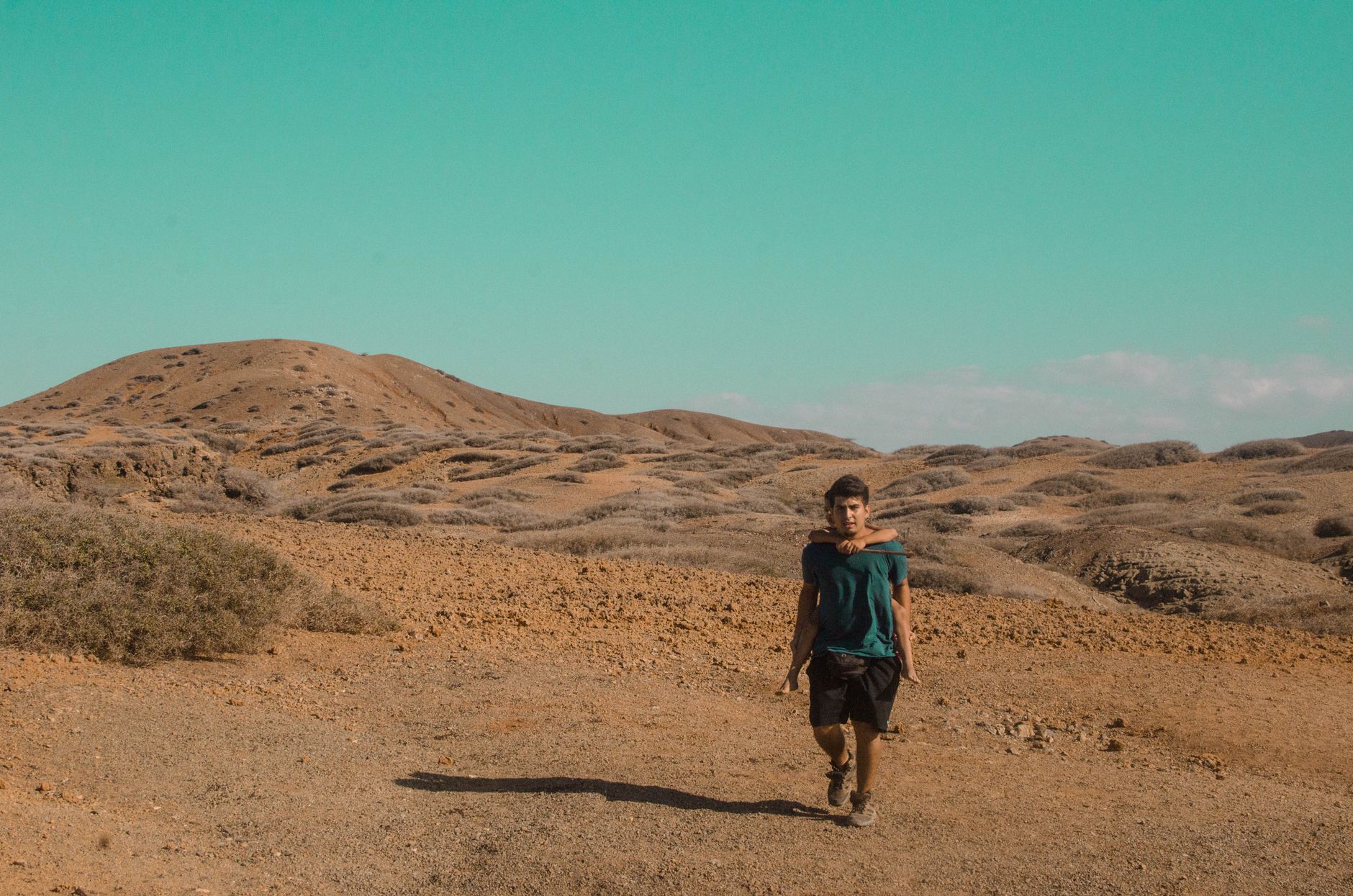
The single biggest mistake desert hikers make is underestimating how fast they deplete fluids. A moderate hike in 100°F heat can demand more than a liter per hour — and that’s before you factor in the brutal effect of radiant heat reflecting off canyon walls or exposed slickrock. Your hydration system needs to do two things: carry enough volume and keep that water drinkable and cool long enough to matter.
Insulated hydration reservoirs are the upgrade most hikers skip until they’ve suffered through a hike sipping hot water that tastes like sun-baked plastic tubing. A 3-liter insulated reservoir from brands like Hydrapak or CamelBak’s Crux line will keep water noticeably cooler than a standard bladder. Pair that with an insulated tube cover — a simple sleeve that prevents your drinking hose from acting like a solar water heater. On long canyon hikes, pre-freeze your reservoir the night before. It’ll be melted and cold by mid-morning, giving you a head start on the day’s heat.
For day hikes in extreme heat, carry a supplemental insulated hard-shell bottle — a 32oz Nalgene or Hydro Flask — as a backup. This gives you a separate vessel for electrolyte drinks, which don’t mix well with plain-water reservoir systems. A good rule: one liter of plain water, one liter of electrolyte solution, minimum, per two hours of hot-weather hiking.
1. CamelBak Crux Insulated Hydration Reservoir 3L ⭐⭐⭐⭐⭐
The Crux reservoir features a high-flow bite valve, kink-resistant tubing, and insulation that meaningfully extends the cool drinkability of your water on exposed desert trails. The 3L capacity is the sweet spot for full-day summer hikes where refill points are sparse.
Pros:
- ✅ Insulated sleeve slows heat transfer noticeably
- ✅ 20% more water per sip than standard reservoirs
Cons:
- ⚠️ Slightly heavier than non-insulated bladders
2. Hydro Flask 32oz Wide Mouth Insulated Bottle ⭐⭐⭐⭐⭐
The gold standard for cold water retention in brutal heat. Ice can last 24 hours or longer in genuine high-temperature environments, which makes this the best sidecar bottle for electrolyte mixing or backup cold water on multi-hour desert hikes.
Pros:
- ✅ Exceptional insulation — ice genuinely lasts
- ✅ Durable, wide mouth easy to fill from streams or spigots
Cons:
- ⚠️ Heavy relative to capacity — not for ultralight builds
Electrolyte Accessories and Salt Replacement You Actually Need
Water alone won’t save you in extreme heat. Hyponatremia — dangerously low blood sodium caused by drinking too much plain water while sweating out electrolytes — is a real and serious threat on desert trails. The fix isn’t complicated, but it requires the right gear and a disciplined intake schedule. Electrolyte capsules like Precision Hydration or SaltStick are compact, light, and far more effective than sugary sports drinks for sustained heat hiking.
Carry a dedicated small pill organizer or a purpose-built electrolyte dispenser so you’re not fumbling with packets mid-hike. Serious desert hikers pre-schedule electrolyte doses — typically one capsule per hour of strenuous hiking, adjusted for sweat rate. If you’re already craving salty food, you’re behind. Stay ahead of the curve rather than chasing symptoms.
3. SaltStick Electrolyte Capsules (100-Count) ⭐⭐⭐⭐⭐
SaltStick capsules are formulated to approximate the electrolyte profile of sweat — sodium, potassium, magnesium, and calcium in practical ratios. They’re NSF-certified, well-studied among endurance athletes, and genuinely effective at preventing the cramping, headaches, and nausea that precede more serious heat illness.
Pros:
- ✅ Precise electrolyte ratios matched to sweat loss
- ✅ NSF certified, no sugar, no caffeine
Cons:
- ⚠️ Requires consistent water intake to work properly
UPF Sun Hoodies and Cooling Towels: The Best Summer Hiking Gear for UV and Temperature Control
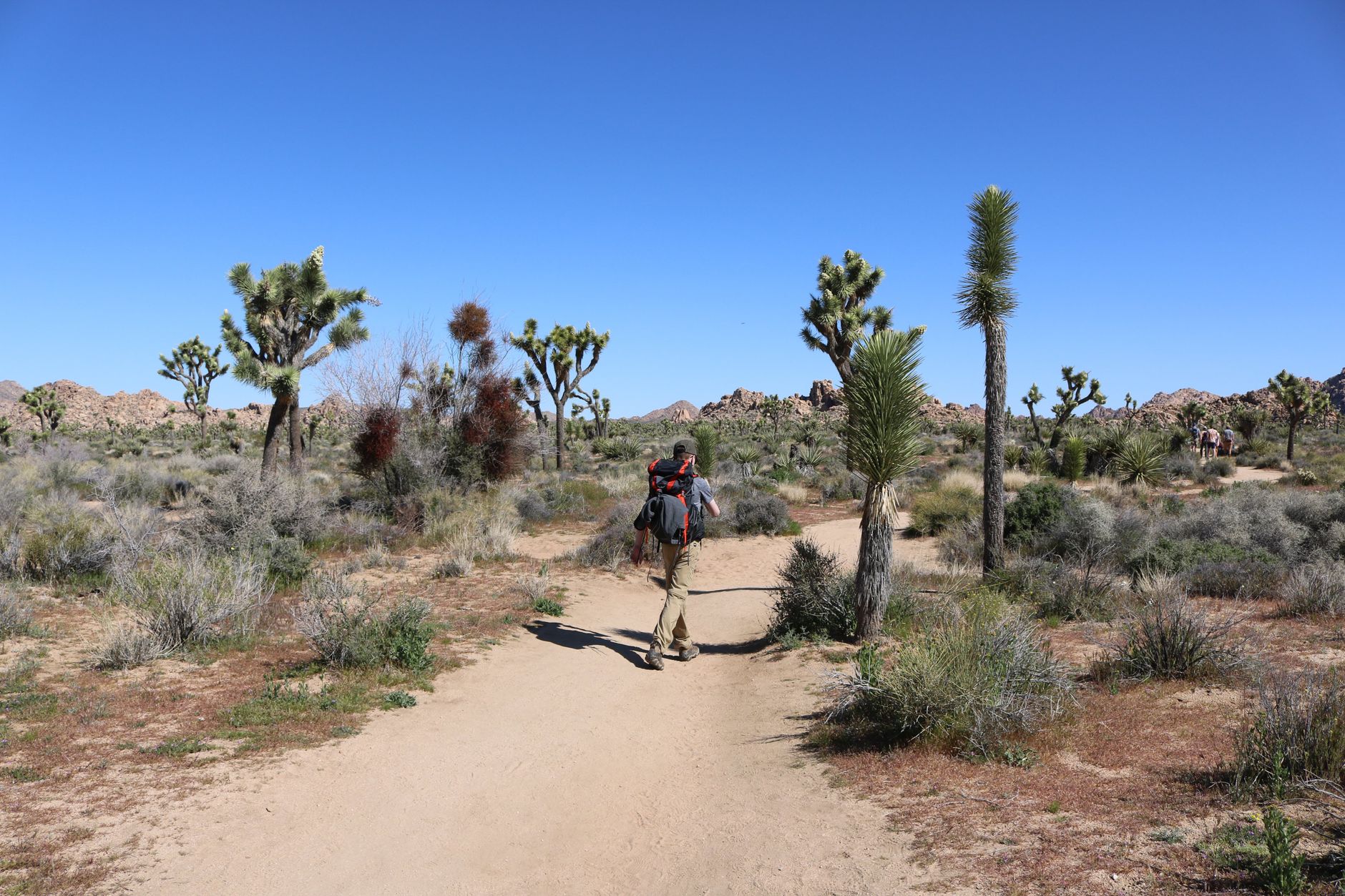
A quality UPF 50+ sun hoodie is the single most underrated piece of summer hiking gear for extreme heat. It sounds counterintuitive — adding a layer in the heat — but a lightweight, breathable sun hoodie keeps direct UV radiation off your skin far more effectively than sunscreen alone, reduces sweat evaporation rate (which actually helps regulate core temperature), and eliminates the need to constantly reapply sunscreen to arms and neck on all-day hikes. Brands like Outdoor Research, Patagonia’s Tropic Comfort line, and Columbia’s Terminal Tackle series deliver excellent sun protection in sub-6-oz packages.
Cooling towels are a genuine field tool, not a gimmick — with one important caveat: the evaporative effect only works if there’s air movement. Wet a cooling towel, drape it across the back of your neck or your wrists, and it can drop perceived temperature by 10 to 15 degrees in the right conditions. On still, humid days the effect diminishes, but in the dry desert heat where most summer hiking emergencies happen, evaporative cooling is highly effective. Frogg Toggs Chilly Pad and Mission Enduracool are the two field-tested standards. Keep one in an outer pack pocket where it’s accessible without stopping.
If you’re planning an extended desert route and haven’t already reviewed our 7 Best Summer Cooling Gear Picks Tested in Brutal 100°F Heat, that piece goes deep on comparative cooling performance across multiple product categories.
4. Outdoor Research Echo Hoodie UPF 50+ ⭐⭐⭐⭐⭐
The Echo Hoodie is a desert hiker’s go-to sun layer: 4.6 oz, stretchy recycled polyester, UPF 50+, with a helmet-compatible hood and thumbholes that lock cuffs over the back of your hands. It breathes well in dry heat and dries fast when soaked down at a water source.
Pros:
- ✅ Genuinely lightweight at 4.6 oz
- ✅ Full UPF 50+ coverage including neck and hands
Cons:
- ⚠️ Lighter colors show trail dust more than darker versions
Emergency Communication Devices for Desert and Backcountry Heat Emergencies
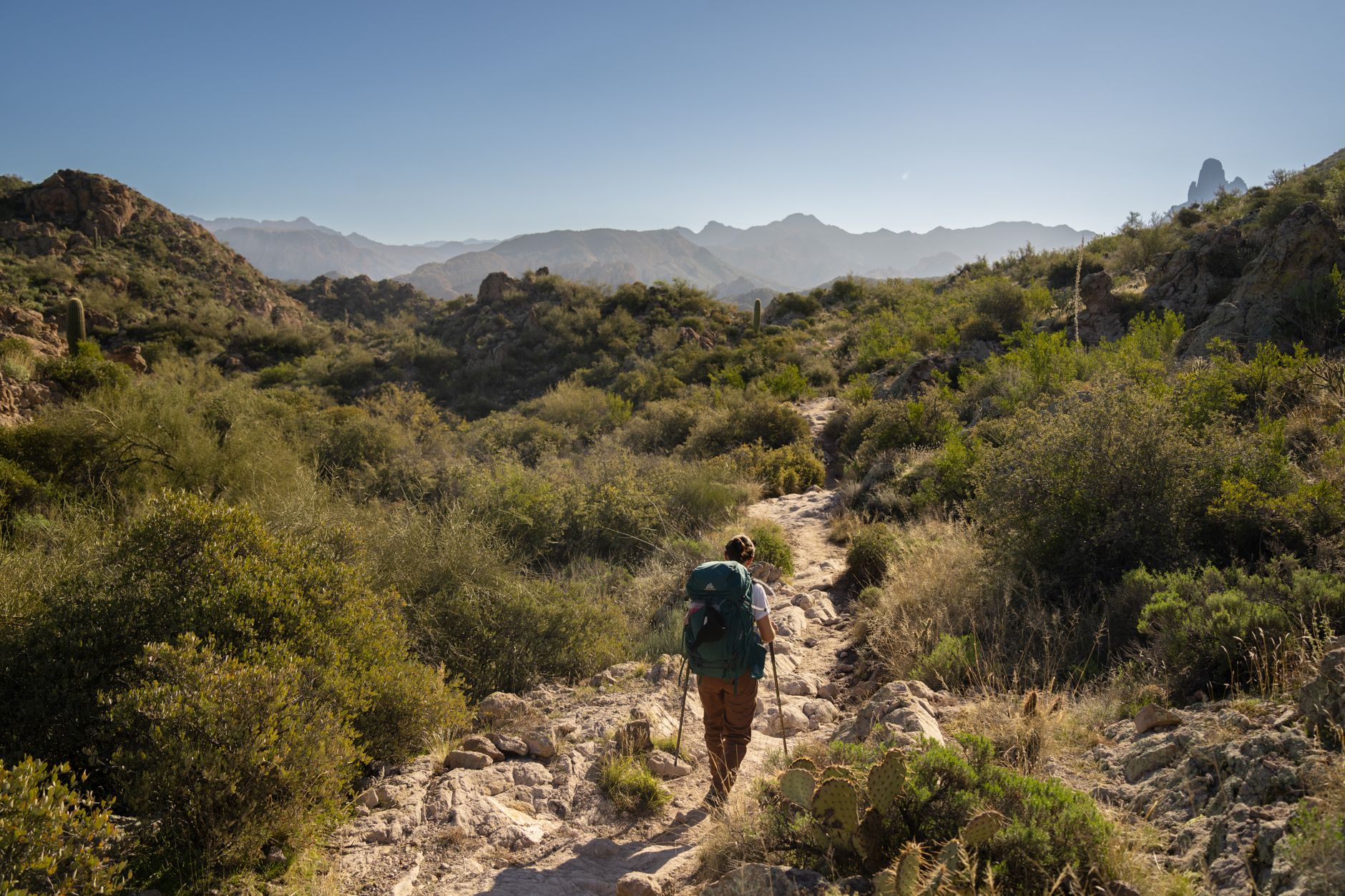
Cell service is nonexistent on the vast majority of canyon and desert trails where heat emergencies happen most frequently. If you or a hiking partner goes down with heat stroke — and heat stroke can progress from warning signs to life-threatening in under 30 minutes — your ability to call for help depends entirely on whether you brought a satellite communicator. This is non-negotiable gear on any remote summer hike.
The Garmin inReach Mini 2 remains the benchmark for its combination of two-way satellite messaging, SOS capability with a monitored response center, GPS tracking, and weather forecast access. The SPOT Gen4 is a cheaper entry point with reliable SOS capability but limited two-way messaging. For serious desert hikers, the inReach is worth the subscription cost — the ability to communicate your status and location with family or a ranger station before a situation becomes critical is something no other device class provides. Pair your device with a pre-arranged check-in schedule with someone reliable who knows your route and expected return time.
Also worth noting: a well-planned desert packing list like the one we assembled for Bears Ears covers emergency communication as a cornerstone item — because in remote canyon country, it’s as essential as water.
Heat-Specific First Aid: What to Actually Carry for Heat Illness in the Field
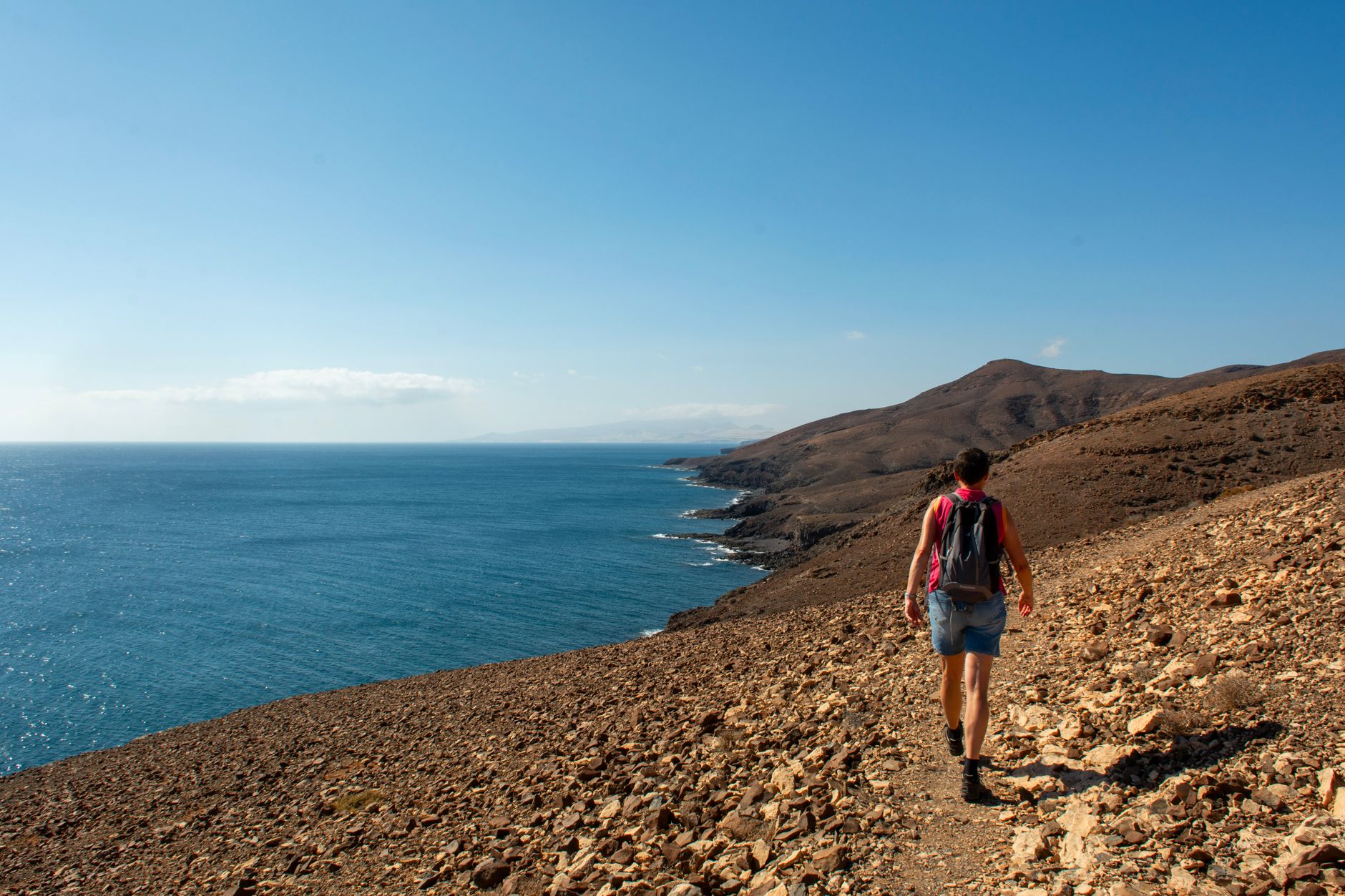
Standard first aid kits aren’t built for heat emergencies. Your heat-specific first aid additions should address the most common and dangerous conditions on summer trails: heat exhaustion, heat stroke, and severe sunburn. At minimum, carry a small digital thermometer — rectal temperature is the only reliable way to assess heat stroke severity in the field, and early identification of a core temp above 104°F changes your response urgency completely. Adventure Medical Kits and Wilderness First Aid protocols recommend this as standard practice for hot-weather trips.
Add chemical instant-cold packs to your kit — at least two. In a heat stroke emergency, rapid cooling of the neck, armpits, and groin (where major blood vessels run close to the surface) is the single most impactful field intervention before evacuation. Combine with your cooling towel soaked in water at those same sites. Carry oral rehydration salts (ORS) packets — different from standard electrolyte tabs — for anyone who has stopped being able to drink voluntarily. ORS formulations maximize gut absorption of fluids when the body is under extreme stress.
Round out your heat first aid with high-SPF lip balm (SPF 50+), a quality broad-spectrum sunscreen (SPF 50+ mineral preferred for long-wear in sweat), blister treatment supplies for feet that swell in heat, and a small SAM splint in case a heat-dazed hiker takes a fall. The best summer hiking gear list isn’t complete without a first aid kit that’s actually been updated for the conditions you’re hiking in.
5. Garmin inReach Mini 2 Satellite Communicator ⭐⭐⭐⭐⭐
The inReach Mini 2 is the best satellite communicator available for remote desert hiking. Two-way messaging via the Iridium satellite network means you can communicate situation details before triggering a full SOS — a critical capability when you need ranger guidance rather than a full search and rescue response. GPS tracking gives your emergency contacts real-time location data.
Pros:
- ✅ Two-way satellite messaging, not just SOS
- ✅ Weather forecasts accessible from the trail
Cons:
- ⚠️ Requires monthly satellite subscription plan
The gear upgrades in this guide aren’t about comfort — they’re about margin. The difference between a brutal but memorable desert hike and a medical emergency is often measured in preparation decisions made the night before. Start with hydration volume and quality, lock in your electrolyte strategy, layer on UV protection, add satellite communication, and build a first aid kit that’s actually calibrated to heat illness. Do all of that, and you dramatically shift the odds in your favor no matter what the thermometer reads on the trailhead sign.
Shop Backcountry Gear Labs on Etsy
Hoodies, tees, hats, and more for campers and hikers who live for the trail.
Get Weekly Gear Picks
Join the Backcountry Gear Labs newsletter for expert gear picks and backcountry advice, every week.