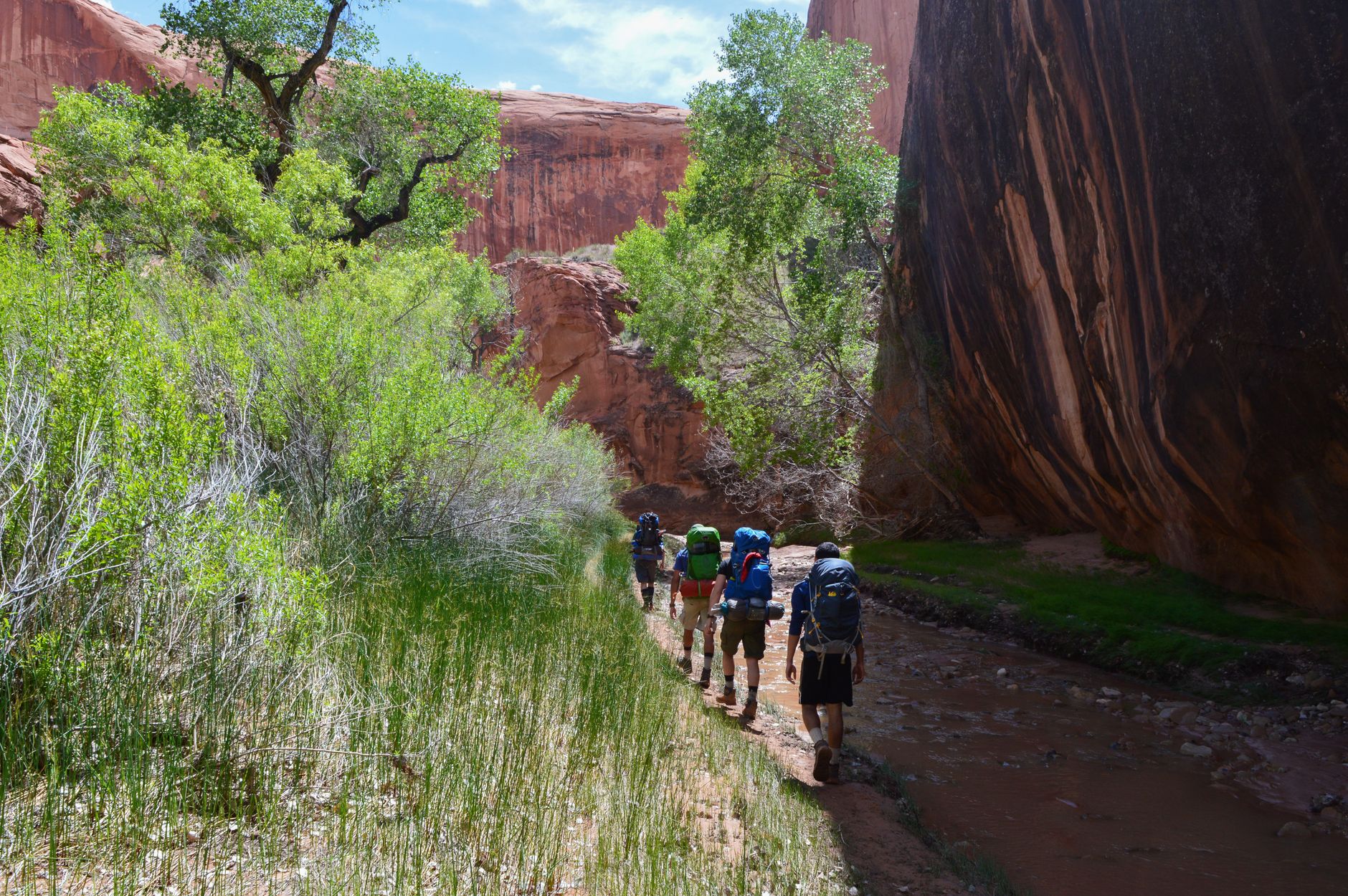
If hiking Bears Ears National Monument is on your bucket list, there has never been a more urgent reason to go — and to go prepared. The monument’s dramatic reduction, which stripped protections from roughly 90% of its original acreage, has left some of Utah’s most sacred canyon country in a state of uncertain access. Roads that once led to protected wilderness now pass through land open to extraction and development. For desert hikers putting together a Bears Ears packing list right now, this is the moment to move.
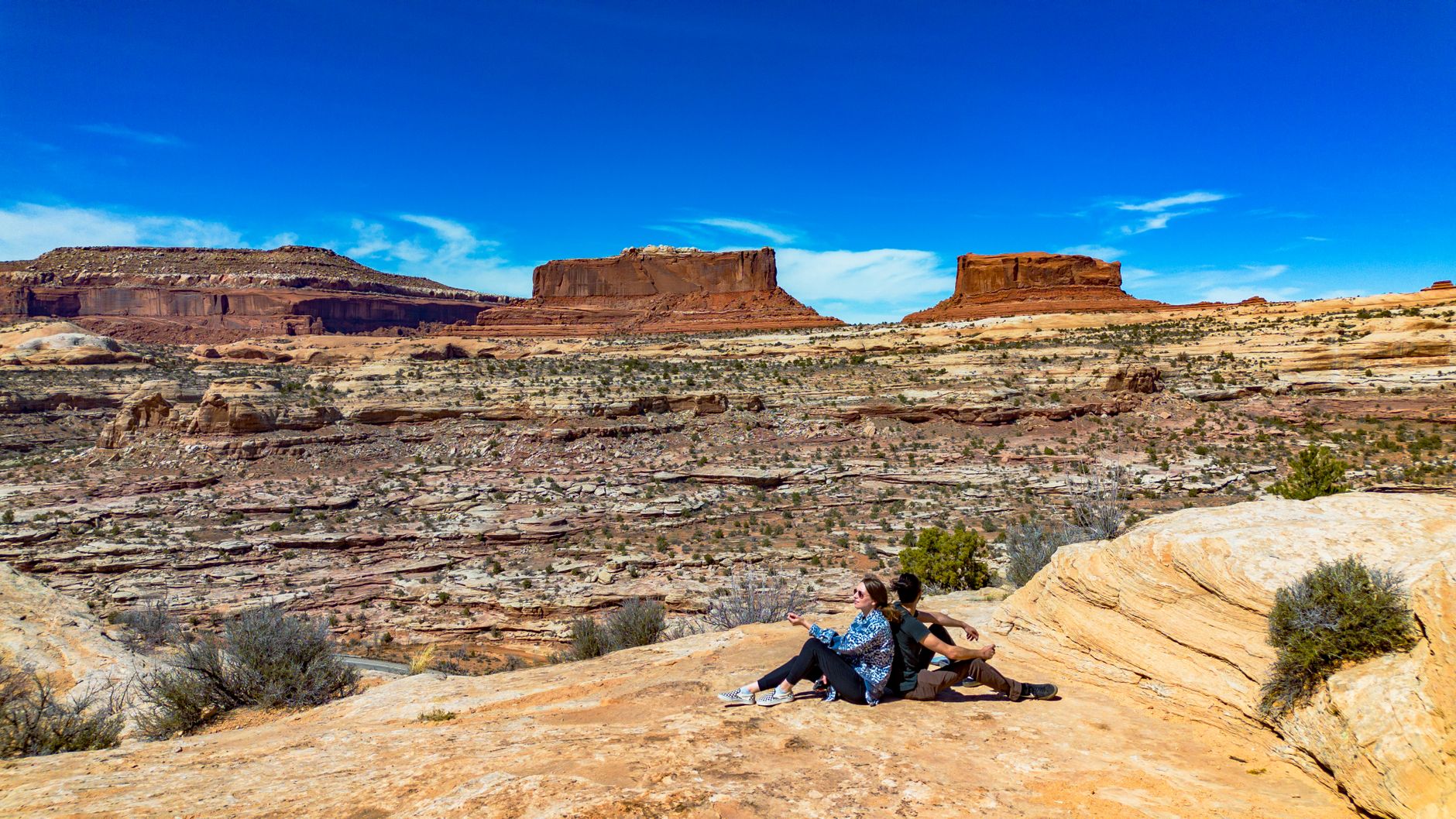
Bears Ears sits in the heart of the Colorado Plateau — red rock canyons, ancient cedar mesas, thousand-year-old ancestral puebloan ruins, and absolutely zero margin for error if you show up underprepared. The terrain is remote, water sources are scarce, temperatures swing from brutal midday heat to frigid canyon nights, and cell service is essentially nonexistent. This is not the kind of place you wing it. This is the kind of place that rewards meticulous gear selection and punishes careless packing.
I’ve spent time in the Bears Ears region — Comb Ridge, Cedar Mesa, Grand Gulch, Owl Creek — and I’ll tell you flat out: the desert canyon environment has its own demands that are totally different from forest or alpine hiking. Below is the essential gear breakdown I’d hand to any hiker heading into this landscape, whether you’re planning a quick day loop or a multi-day backcountry traverse before conditions or access change any further.
Bears Ears Packing List: Navigation and Leave-No-Trace Essentials
Much of Bears Ears has no maintained trail. You’re navigating by canyon rims, drainages, and rock features — which means GPS tools and paper topo maps are not optional, they’re survival tools. Download your offline maps before you leave pavement. The Gaia GPS app with a downloaded Cedar Mesa layer is the combination I personally rely on. Carry a physical backup, because screens crack and batteries die.
Leave-No-Trace compliance is especially critical in Bears Ears because you’re frequently moving through fragile cryptobiotic soil crusts, which take decades to recover from a single careless footstep, and through irreplaceable archaeological sites. Pack out every scrap. Never touch cultural artifacts or rock art panels. Camp on rock or established sites only. The ethics of visiting a threatened monument mean you owe the land the most careful version of yourself.
Water Carrying and Filtration for Desert Canyon Hiking
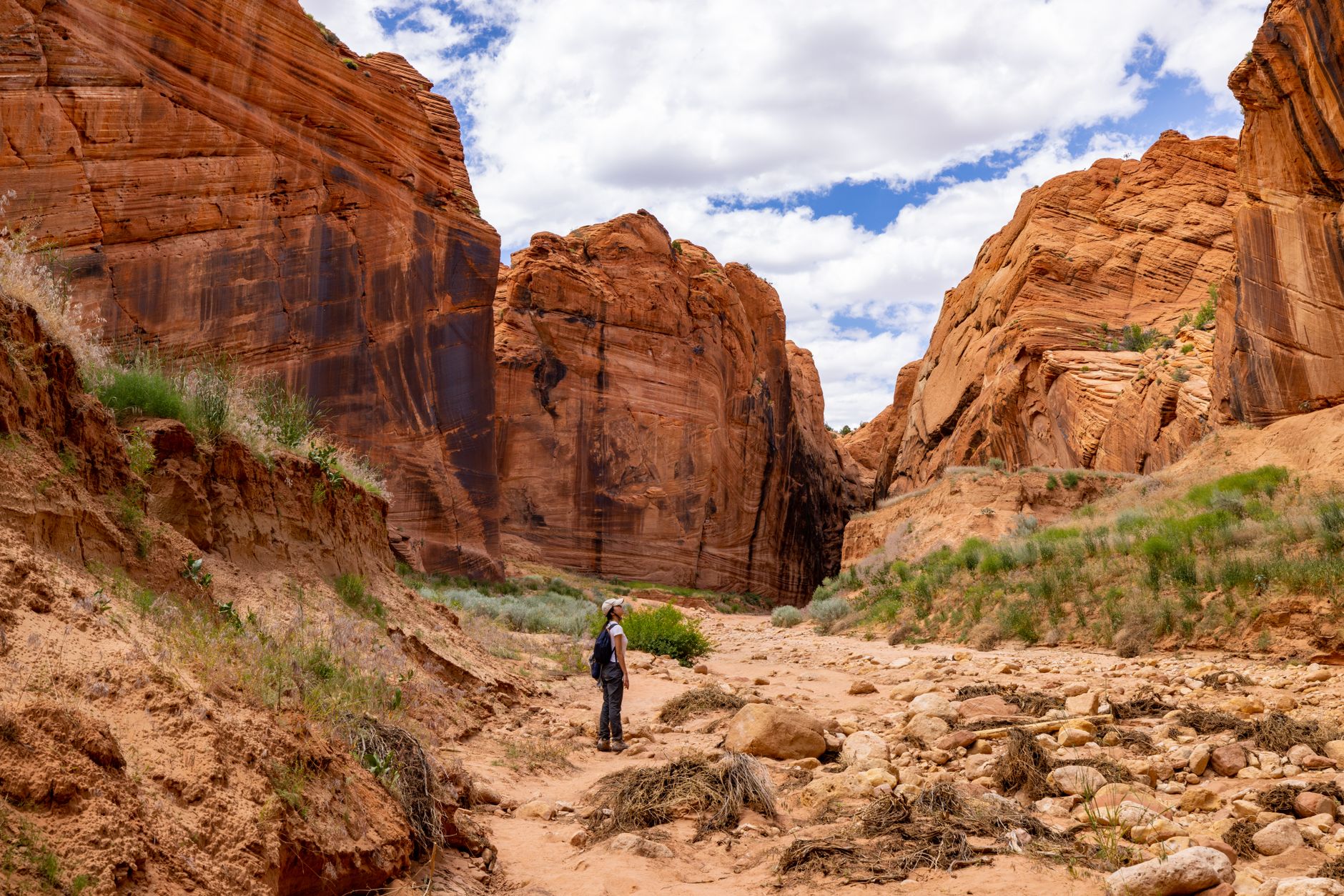
Water is the variable most likely to get you into serious trouble in Bears Ears. Springs and potholes marked on maps can be completely dry depending on recent rainfall, and summer heat can push your water needs past five liters per day on exposed terrain. Carry more capacity than you think you need — I never go into canyon country with less than four liters of carry capacity. Potholes, when they hold water, are often shared by cattle and wildlife, so filtration isn’t optional.
A Sawyer Squeeze paired with a Platypus collapsible reservoir is my standard setup for desert canyon work — light, reliable, fast enough for group filtering. For longer trips, a gravity filter system frees up time at camp. Whatever you choose, carry a backup purification method. Aquatabs weigh almost nothing and have bailed me out when a filter freeze-cracked overnight in shoulder-season canyon country. Heat management matters too — check out our 7 best summer cooling gear picks tested in brutal heat for additional strategies when temperatures spike in exposed canyon terrain.
Shelter and Sleep System for Desert Overnights
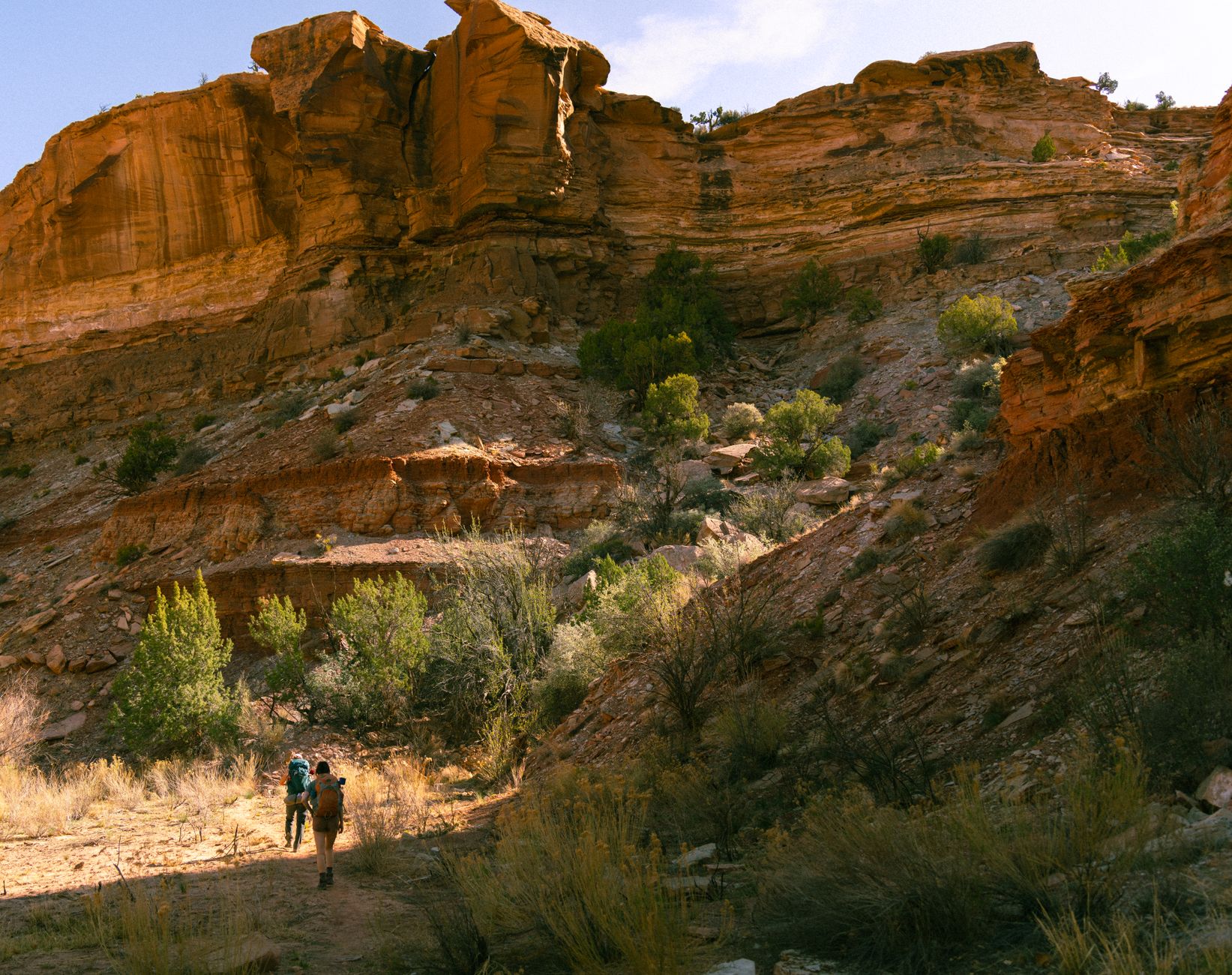
Bears Ears temperatures are deceptive. July afternoons can hit 100°F on the canyon floor, but drop into the low 40s or even below freezing in the shoulder seasons on exposed mesa tops. A sleep system rated to at least 20°F gives you genuine four-season flexibility in this environment. If you’re trying to keep base weight honest, a quality quilt-and-pad combination outperforms a traditional sleeping bag for warmth-to-weight ratio — our ultralight sleeping systems roundup ranks seven real-world tested combos under three pounds if you want a deep dive.
For shelter, a double-wall freestanding tent handles the sandy, rocky ground at Bears Ears far better than a non-freestanding setup — you often can’t stake into slickrock or compacted sand. I’ve camped under the open sky in the canyon country when weather looked locked in, but spring and fall bring fast-moving storms that can turn a bivouac into a wet disaster in 30 minutes. Bring a shelter you trust, not one you’re gambling on.
Sun Protection, Clothing, and Desert Canyon Layers
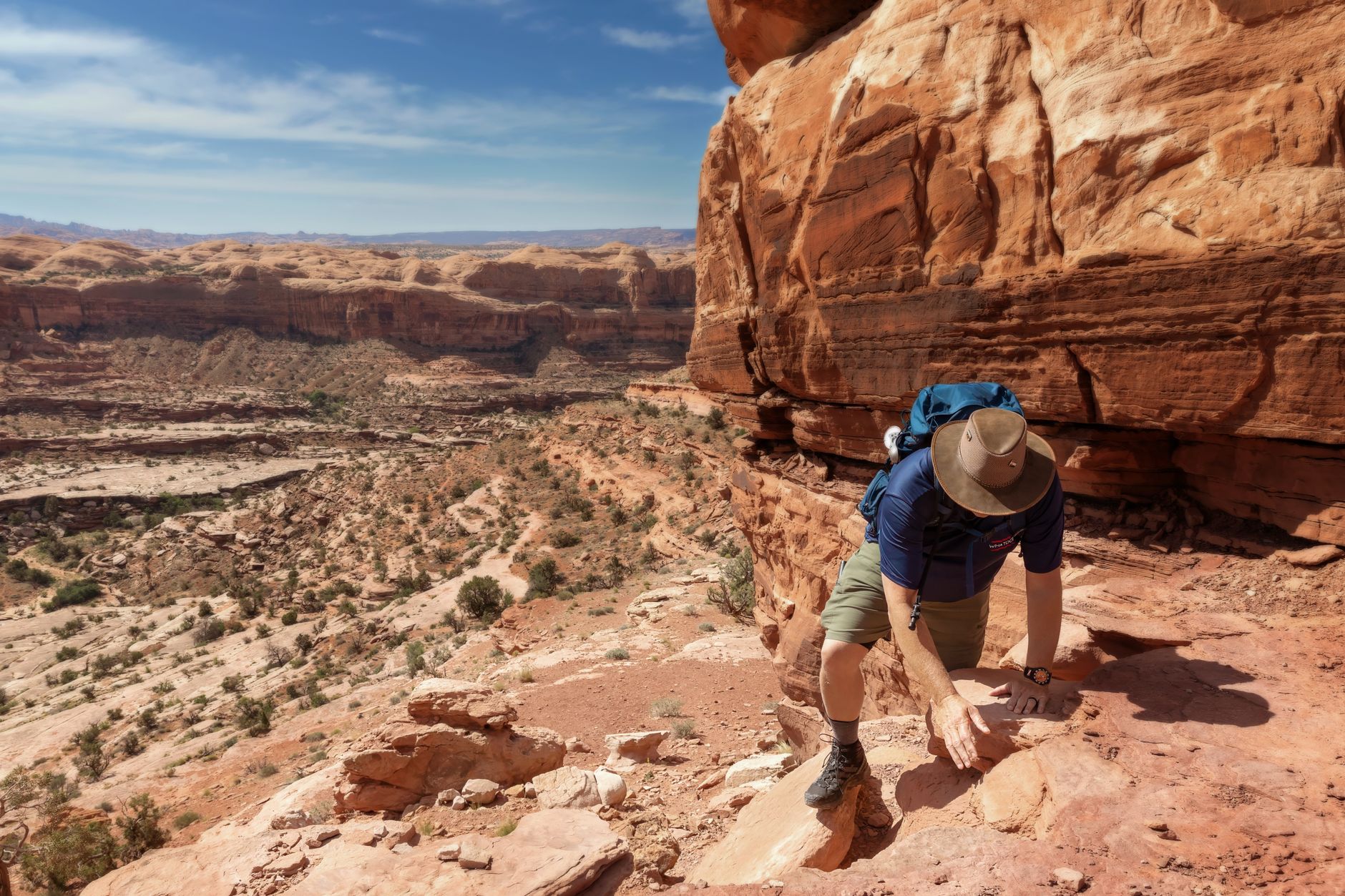
Canyon hiking exposes you to reflected radiation off sandstone walls on top of direct sun overhead. Standard SPF 30 sunscreen is not enough. Go SPF 50+, reapply every two hours, and cover your hands, ears, and the back of your neck with UPF-rated clothing rather than depending entirely on cream. A wide-brim hat with a neck drape is not optional gear at Bears Ears — it’s basic desert survival equipment. I wear a Sunday Afternoons Desert Hat whenever I’m in canyon country for this exact reason.
Your clothing layers need to handle both the extreme heat and the cold shoulder-season nights. A lightweight merino baselayer pulls double duty — cooling with moisture management during the day, insulating at night. Carry a puffy or windshell for mesa tops regardless of the season. The canyon walls trap heat at floor level while the exposed rims above can be 20 degrees colder with wind. Dress for both environments simultaneously, because you’ll be moving between them all day.
Footwear, Trekking Poles, and Ankle Protection on Slickrock
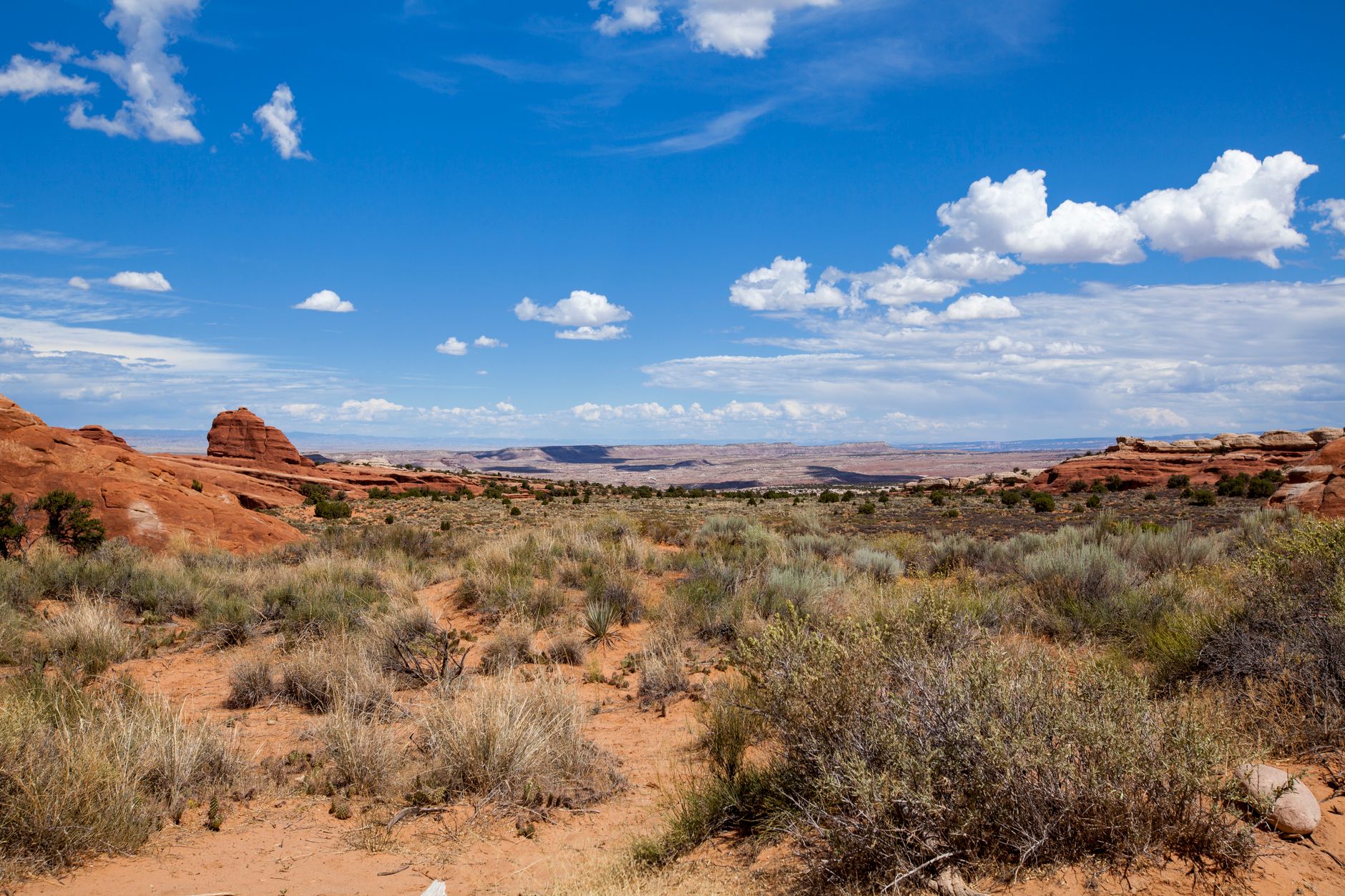
The terrain at Bears Ears is genuinely ankle-hostile. You’ll be crossing loose talus fields, negotiating slickrock domes, scrambling ledge systems, and pushing through dense sage and scrub oak. A mid-height trail runner with substantial rubber sole coverage is my preferred setup — something like the Salomon X Ultra 4 Mid GTX for shoulder season, or a dry-season trail runner like the Altra Lone Peak for summer heat when breathability matters more than waterproofing.
Trekking poles pay serious dividends on slickrock. The friction coefficient on wet sandstone drops to nearly zero, and a trekking pole plant on a steep dome traverse can be the difference between a controlled descent and a nasty fall. They also save your knees on the long canyon exit slogs with a loaded pack. Pair your footwear and poles with a pair of quality gaiters for the sandy sections — fine desert sand destroys feet inside unprotected shoes over a full day of hiking.
Essential Gear Picks for Your Bears Ears Packing List
1. Sawyer Squeeze Water Filter ⭐⭐⭐⭐⭐
The Sawyer Squeeze is the gold standard for desert canyon filtration — lightweight at 3 oz, filters to 0.1 micron, and handles the turbid pothole water you’ll encounter throughout Cedar Mesa and Grand Gulch. It’s rated to 100,000 gallons and backflushes in seconds. No batteries, no pumping, no moving parts to fail in a remote canyon.
Pros:
- ✅ Ultralight and packable
- ✅ Works with collapsible reservoirs for squeeze-through filtering
- ✅ Long service life — no cartridge replacement
Cons:
- ❌ Can freeze and crack if not stored properly in cold temperatures
2. Gaia GPS App (Premium Subscription) ⭐⭐⭐⭐⭐
Gaia GPS Premium is the navigation app I trust most in Bears Ears — offline USGS topo maps, satellite imagery, and custom route building all work without cell service. The downloadable layers cover every canyon, mesa, and drainage you’d hike in the monument, and you can import GPX routes from trip reports ahead of time. Pair it with a dedicated GPS device as a backup on longer routes.
Pros:
- ✅ Best offline topo coverage for canyon country
- ✅ Satellite imagery layer critical for route-finding on unmarked terrain
Cons:
- ❌ Premium subscription required for best map layers
3. Salomon X Ultra 4 Mid GTX Hiking Boot ⭐⭐⭐⭐⭐
For shoulder-season Bears Ears hiking where wet slickrock and cold mornings are in play, the Salomon X Ultra 4 Mid GTX delivers the ankle support and traction you need on mixed canyon terrain. The Contagrip TD outsole grips sandstone confidently and the mid-height collar gives meaningful lateral support on uneven rock without the stiffness of a traditional backpacking boot.
Pros:
- ✅ Excellent slickrock traction
- ✅ Gore-Tex waterproofing handles morning stream crossings and wet rock
- ✅ Lighter than traditional backpacking boots
Cons:
- ❌ Gore-Tex liner runs warm in peak summer heat
4. Garmin inReach Mini 2 Satellite Communicator ⭐⭐⭐⭐⭐
In Bears Ears, there is no cell signal. There may be nobody within miles of you for days. The Garmin inReach Mini 2 provides two-way satellite messaging and SOS capability anywhere on earth, and at 3.5 oz it’s genuinely pocketable. This is the single most important safety item on your Bears Ears packing list — not optional, not overreacting, just honest risk management for remote desert canyon travel.
Pros:
- ✅ Two-way messaging, not just one-way SOS
- ✅ Integrates with Gaia GPS for tracking
- ✅ Extremely compact and lightweight
Cons:
- ❌ Requires active subscription plan
5. Black Diamond Trail Ergo Cork Trekking Poles ⭐⭐⭐⭐⭐
Cork grips wick sweat and never get slippery in desert heat — a real advantage over foam grips when your hands are sweating through miles of exposed canyon. The Black Diamond Trail Ergo Cork uses a slight ergonomic angle that reduces wrist strain on long flat approaches, and the FlickLock adjustment is genuinely one-handed operable when your other hand is on a canyon wall. They’ve held up to slickrock scrambling, sandy stream crossings, and loaded descents without complaint.
Pros:
- ✅ Cork grip excels in desert heat
- ✅ FlickLock mechanism is fast and reliable
- ✅ Durable carbide tip grips slickrock well
Cons:
- ❌ Heavier than carbon fiber alternatives
Conclusion: Go to Bears Ears. Go Prepared. Go Now.
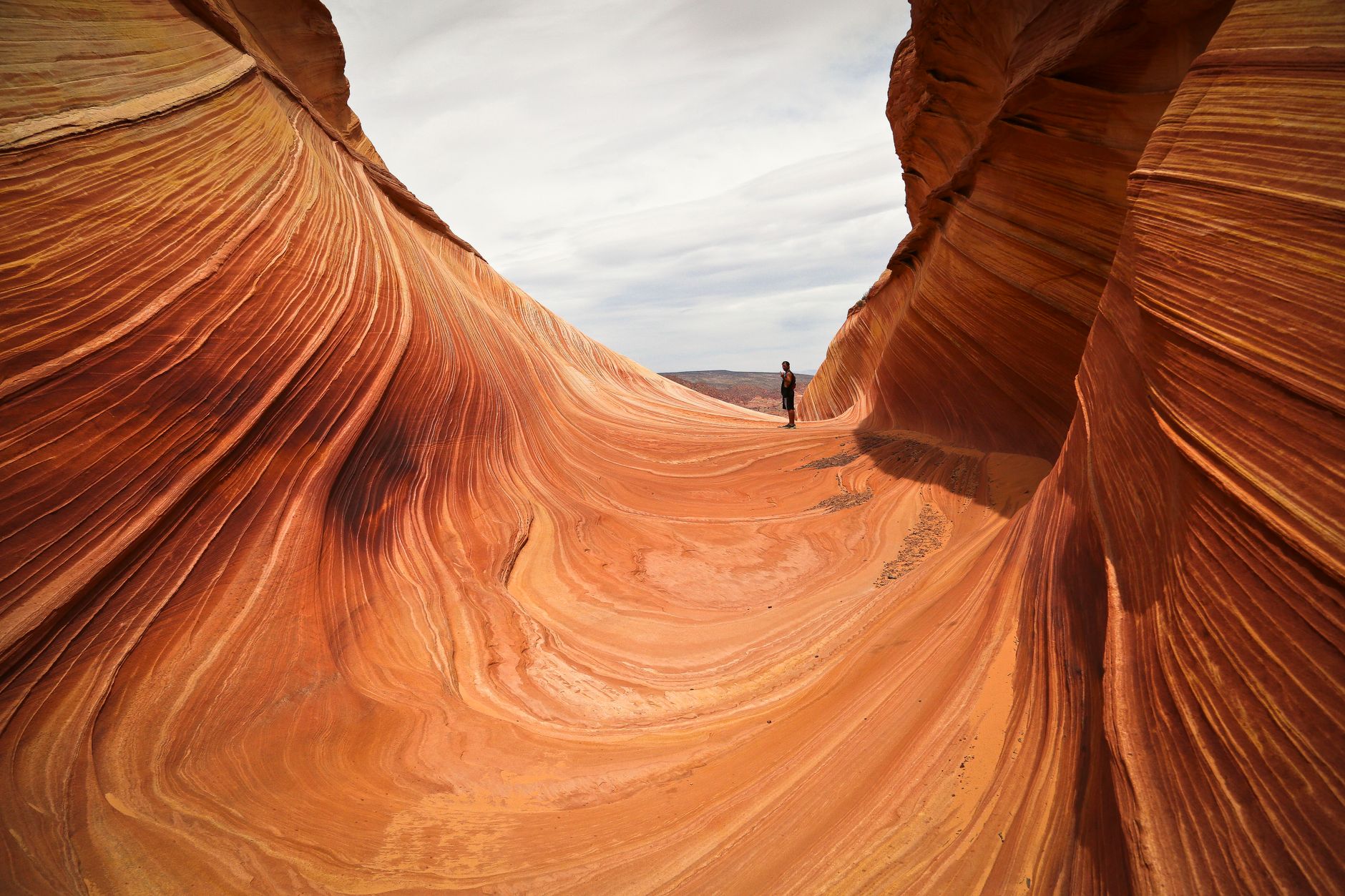
The political status of Bears Ears National Monument may continue to shift, and the land itself doesn’t wait for bureaucratic resolution. The canyon country — the Cedar Mesa ruins, the Valley of the Gods, the sprawling silence of Grand Gulch — is worth every ounce of thoughtful preparation you put into your Bears Ears packing list. Getting there equipped properly isn’t just about your safety; it’s a form of respect for a landscape that has endured for millennia and that deserves visitors who take it seriously.
Pack smart, carry water obsessively, navigate carefully, and leave nothing behind. The monument has seen enough threats from outside — the least we can do is arrive as responsible guests and take only photographs of a place that may look very different in the years ahead.
Shop Backcountry Gear Labs on Etsy
Hoodies, tees, hats, and more for campers and hikers who live for the trail.
Get Weekly Gear Picks
Join the Backcountry Gear Labs newsletter for expert gear picks and backcountry advice, every week.