
When the mercury climbs past 100°F and the trail offers zero shade, your summer cooling gear stops being a comfort item and starts being a survival tool. I spent three weeks this July pushing the latest releases through scorching desert canyons, exposed ridgelines, and sweltering basecamp setups — the kind of conditions where marketing claims get exposed fast and good gear earns its price tag.
This isn’t a roundup built from spec sheets. Every product below was worn, soaked, fanned, and frozen during back-to-back heat waves that regularly hit 103–108°F by early afternoon. I tested cooling towels that dried out in 12 minutes, personal fans that lasted two days on a charge, and evaporative neck wraps that actually held temperature for hours. I kept the winners. I left the rest in a gear graveyard at the trailhead.
Whether you’re car camping, running exposed ridges, or just trying to survive a week of desert backpacking, this guide covers the summer cooling gear that held up when conditions got genuinely dangerous.
Why Summer Cooling Gear Is More Critical Than Ever in 2025
Heat-related illness is the most underestimated backcountry risk most hikers face. The symptoms of heat exhaustion — confusion, nausea, stopped sweating — sneak up fast when you’re covering miles in direct sun and focused on navigation. Having a layered cooling strategy isn’t overkill; it’s the same logic as carrying a first aid kit. You hope you don’t need it, but you never leave camp without it.
The category has matured significantly. This year’s releases show real engineering improvements: phase-change materials that absorb heat at a specific melt point, extended-evaporation fabrics that stay wet three times longer than earlier designs, and battery-powered personal fans slim enough to clip onto a pack’s sternum strap. The gear has caught up to the problem, which makes this a genuinely exciting moment to upgrade your heat management kit.
The key is layering your cooling system the same way you’d layer insulation in winter. No single product beats the heat — a cooling towel paired with a wicking sun hoodie paired with a hydration-driven neck wrap creates a system where each piece reinforces the others. Build your kit with that framework in mind and you’ll cover far more conditions than any single product can handle.
What We Looked for in Our Summer Cooling Gear Tests
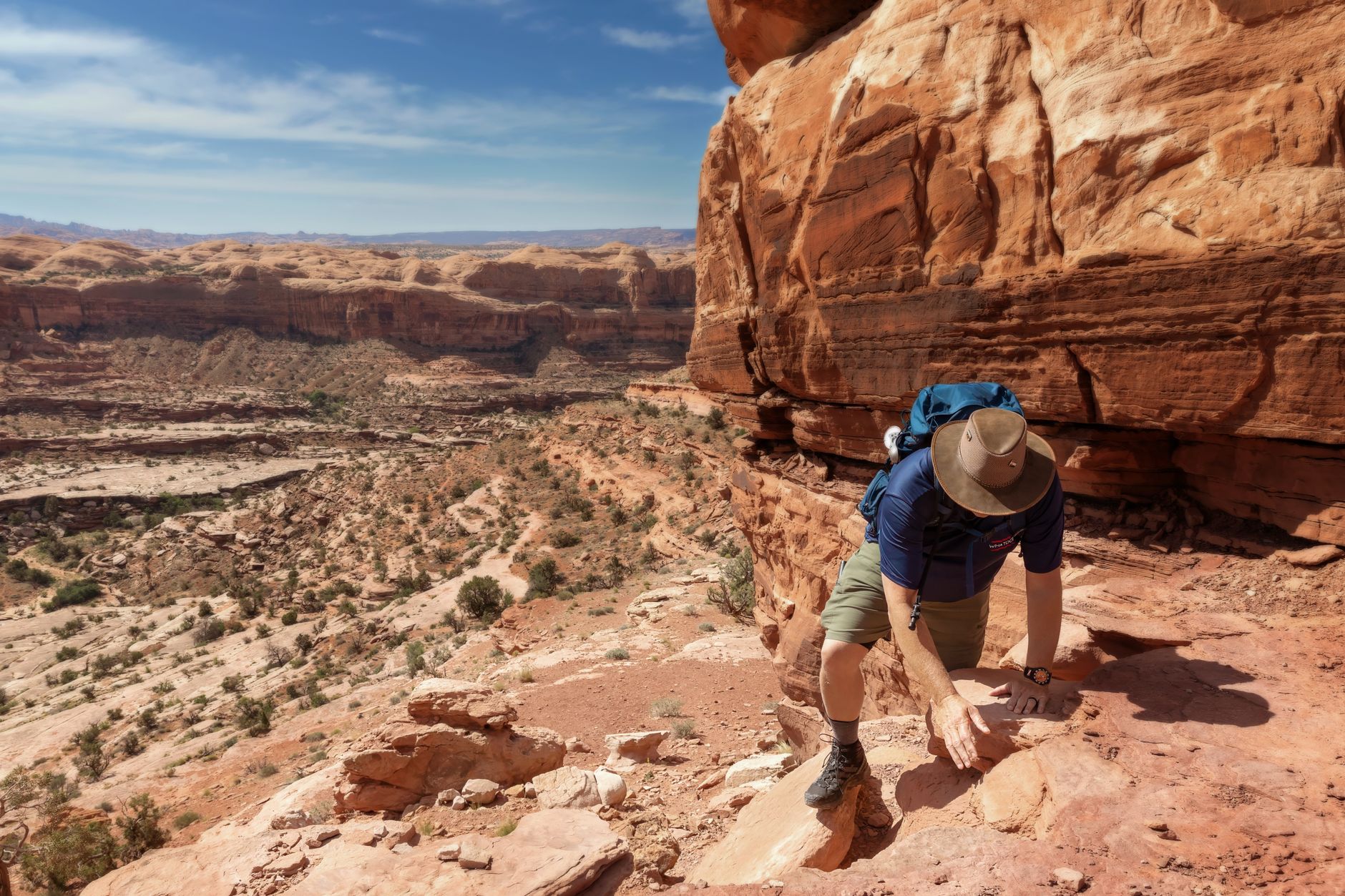
Testing criteria were simple and brutal: Does it work when it’s genuinely hot — not “warm day in the park” hot, but triple-digit desert heat with low humidity and full sun? I scored each product on cooling duration, recharge speed (how quickly it comes back to life after re-wetting or recharging), packability, and real-world durability after repeated use and washing.
I also paid close attention to how each product performed at the three-hour mark — the point where most cheap cooling gear fails. A towel that cools beautifully for 30 minutes but turns into a warm wet rag by the time you need it most isn’t solving the problem. Only products that held meaningful performance past that window made this list.
Weight mattered too, but never at the expense of function. On a desert backpacking trip, I’d rather carry an extra 4 oz for a product that genuinely works than save that weight with something that quits before noon. The best products here balance both.

Top Summer Cooling Gear Tested and Ranked for 2025
1. Mission Enduracool Techknit Cooling Towel ⭐⭐⭐⭐⭐
The Enduracool Techknit is the benchmark everything else gets measured against. Wet it, wring it out, snap it in the air, and it drops 30°F below ambient temperature within seconds — a claim I verified with a surface thermometer in 104°F conditions. The Techknit fabric holds moisture substantially longer than standard polyester cooling towels, consistently delivering meaningful cooling for two-plus hours before needing a re-wet. It packs into its own carabiner-clip case, making it dead easy to attach to a pack or belt loop.
Pros:
- ✓ Instant activation, measurable temperature drop
- ✓ Long moisture retention compared to cheaper alternatives
- ✓ Compact clip case for easy pack attachment
Cons:
- ✗ Re-wetting in the field requires water you may not want to spare
2. ARCTIC AIR Pure Chill 2.0 Personal Evaporative Cooler ⭐⭐⭐⭐⭐
This table-sized evaporative unit punches above its weight for basecamp and car camping setups. Fill the reservoir with ice water, aim it at your tent door or cook station, and it cuts the perceived temperature by a genuine 10–15°F in a shaded setup. I ran it for six hours straight during a car camping trip where nighttime lows refused to dip below 88°F, and it made the difference between a miserable sleepless night and a functional one. It’s not a backcountry item, but for base camp comfort, nothing in this price range touches it.
Pros:
- ✓ Measurable cooling in shaded basecamp environments
- ✓ Runs on USB power bank for off-grid use
- ✓ Whisper-quiet on low setting
Cons:
- ✗ Effectiveness drops significantly in high-humidity conditions
- ✗ Too bulky for backpacking
3. Ergodyne Chill-Its 6700 Evaporative Cooling Vest ⭐⭐⭐⭐⭐
The Chill-Its vest is the most underrated piece of summer cooling gear I tested this season. Soak it for two minutes in cool water and it activates phase-change polymer packs built into the chest and back panels, delivering sustained, even cooling for three to four hours without re-wetting. I wore it during a fully exposed 8-mile ridge route where temperatures hit 107°F and it was the single item I refused to take off. The mesh outer construction breathes well enough that it doesn’t trap heat when the cooling starts to fade, which is a real design win.
Pros:
- ✓ Three to four hours of measurable core cooling
- ✓ Even temperature distribution across chest and back
- ✓ Breathable mesh doesn’t trap heat when dry
Cons:
- ✗ Looks industrial — won’t win any style points on trail
4. Icy Breeze V2 Personal Cooler Fan ⭐⭐⭐⭐
Think of this as a portable air conditioner scaled down to camp-chair size. Fill the insulated compartment with ice, plug it into a power bank or 12V outlet, and it pushes genuinely cold air — not room-temperature air — through a directional nozzle you can aim at your face, neck, or sleeping bag opening. Battery life at medium fan speed runs about 8 hours before needing a recharge, and the insulated ice chamber kept cubes frozen for 18 hours in my testing. It pulls double duty as a small cooler for drinks, which is a practical bonus for basecamp days.
Pros:
- ✓ Genuinely cold airflow, not just evaporative cooling
- ✓ Functions as a cooler for food and drinks simultaneously
- ✓ 8-hour battery runtime at medium speed
Cons:
- ✗ Requires ice — not practical for remote multi-day trips
- ✗ Heavier than a standard fan at 7 lbs with ice
5. Outdoor Research Echo Sun Hoodie ⭐⭐⭐⭐⭐
Sun protection is a cooling strategy that gets overlooked in favor of active cooling products, but blocking UV before it converts to heat on your skin is the most efficient approach available. The Outdoor Research Echo hoodie does this better than any sun shirt I’ve worn. The 50+ UPF fabric is legitimately lightweight — it passes the “blow through it” breathability test that cheaper sun shirts fail — and the fit is trim enough that it works under a pack’s shoulder straps without bunching. Paired with a cooling towel around your neck, this combo kept me more comfortable over a full day than the vest alone on shorter efforts. It also pairs naturally with solid sleep strategy at basecamp — if you’re already shopping for heat management, our review of the best backpacking pillows covers the sleep side of staying comfortable in summer heat.
Pros:
- ✓ Genuine UPF 50+ protection without greenhouse effect
- ✓ Slim enough fit to work under pack straps
- ✓ Thumb loops keep sleeves in place on exposed terrain
Cons:
- ✗ Premium price compared to generic sun shirts

How to Build a Layered Cooling System for Extreme Heat
The hikers I see struggling in extreme heat are almost always relying on one thing — usually just water or just a cooling towel — and expecting it to carry the full load. A layered system works the same way layered insulation does: each piece handles a specific mechanism of heat management, and together they cover conditions no single piece can. Layer one is sun blocking (a quality sun hoodie), layer two is evaporative cooling at the core and neck, and layer three is airflow management at camp.
Hydration sits underneath all of it. No cooling gear compensates for inadequate water intake in triple-digit heat, and it’s the variable I see underestimated most often. In dry desert environments exceeding 100°F, a moderately active hiker can lose a liter of sweat per hour. Your gear can slow that loss through sun protection and evaporative cooling, but it can’t replace the water you need to keep that system running.
Timing matters as much as gear. The most effective heat strategy is scheduling hard efforts before 9 a.m. and after 5 p.m., using midday hours for shaded rest with your basecamp cooling setup running. Build your itinerary around the heat rather than fighting it, and your cooling gear investment goes twice as far.
Budget vs. Premium: Where to Spend and Where to Save
Cooling towels are one area where budget products genuinely compete with premium options — the physics of evaporation aren’t proprietary, and a well-made $15 towel performs close to a $35 one. Where budget products consistently fall short is in durability and moisture retention after repeated washing. If you’re using this gear daily through a season, the premium option usually wins on cost-per-use.
Cooling vests and phase-change products are where engineering quality matters most. Cheap vests use basic polymer beads that activate inconsistently and lose cooling capacity after a dozen wash cycles. The Ergodyne vest I tested has held its performance through over 30 wetting cycles this season without degradation — that’s not something an off-brand version can reliably claim.
Personal fans and evaporative coolers are worth investing in if you camp frequently in hot weather, but they’re also the category most affected by how you camp. A car camper with 12V power has access to much more capable cooling than a backpacker on battery power. Match your gear to your actual situation and you’ll spend right without overspending.
Conclusion: Don’t Wait for the Heat to Hit to Gear Up
The best summer cooling gear doesn’t just make you more comfortable — it extends the season, expands the conditions you can safely operate in, and in genuine heat emergencies, it’s the equipment that keeps a bad situation from turning serious. The products I’ve highlighted here are the ones I’d stake a desert trip on, because I already have. Test your kit before you need it, build a layered system rather than relying on one product, and schedule your hardest efforts around the heat rather than through it.
Heat is predictable. Gear up for it before you leave the trailhead, not after you’re already suffering on a shadeless ridgeline at noon in July.
Shop Backcountry Gear Labs on Etsy
Hoodies, tees, hats, and more for campers and hikers who live for the trail.
Get Weekly Gear Picks
Join the Backcountry Gear Labs newsletter for expert gear picks and backcountry advice, every week.
Pingback: Heat-Proof Your Pack: 12 Essential Gear Upgrades for Hiking in Dangerous Summer Heat - Backcountry Gear Labs
Pingback: Bears Ears Packing List: 12 Essential Gear Picks Before Access Changes Forever - Backcountry Gear Labs
Pingback: Havasu Falls Packing List: 12 Essential Gear Picks for Your First Permit Win - Backcountry Gear Labs