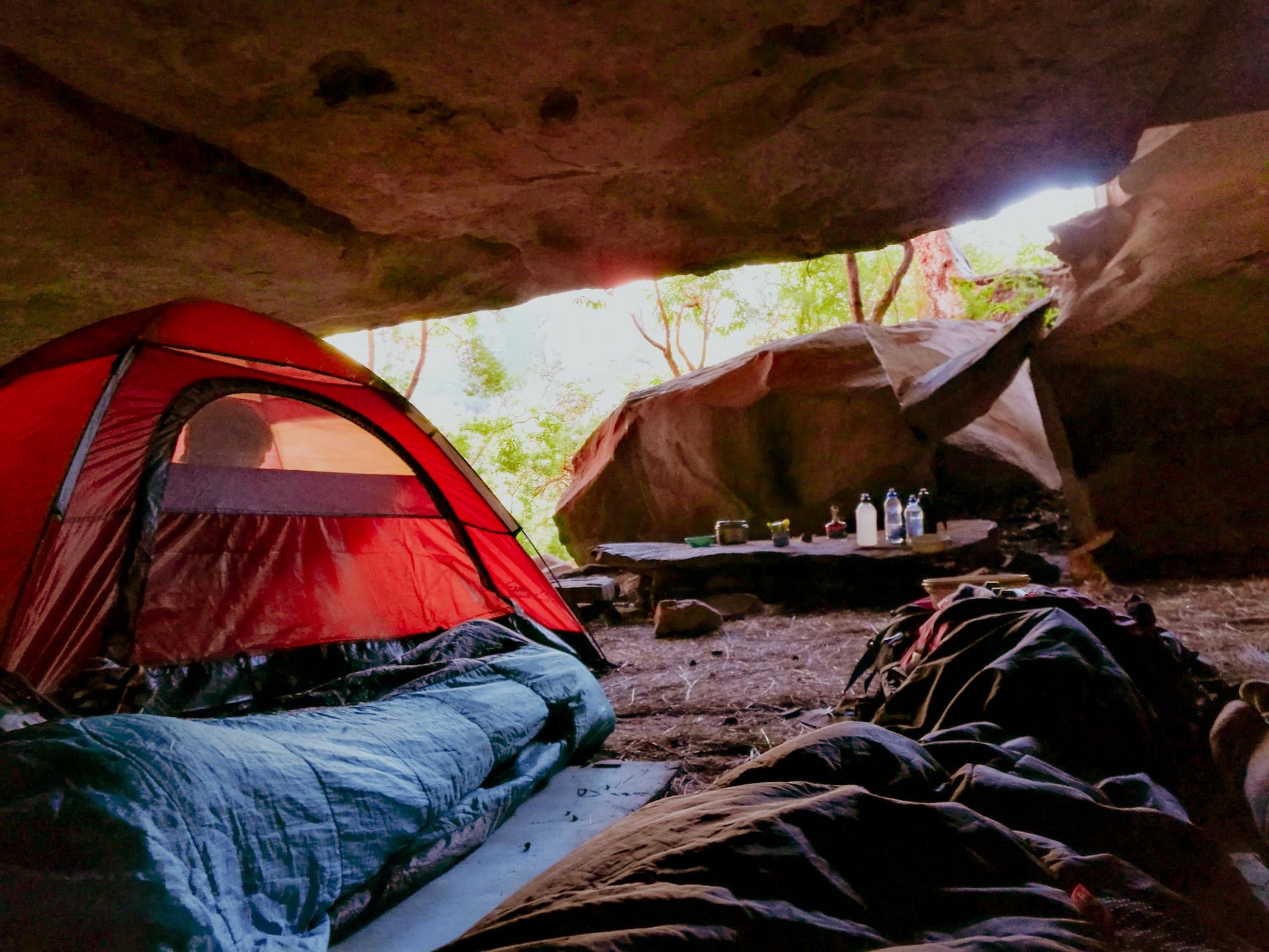
Finding the best backpacking pillow sounds trivial until you’ve logged a 20-mile day, crawled into your sleeping bag, and spent the next six hours fighting a lumpy stuff sack stuffed with a fleece and a rain jacket. Sleep is recovery. Recovery is performance. And after testing more than 20 pillow models across desert canyons, alpine basecamp nights, and long-trail campsites, I can tell you that your pillow choice matters more than most gear guides let on.
This guide cuts through the marketing noise and gives you real field data: weight, packed size, comfort ratings from actual overnight testing, and durability after repeated trips. We tested inflatables, foam hybrids, compressible down fill, and everything in between. Whether you’re an ultralight gram-counter or a comfort-first weekend warrior, there’s a right pillow for your sleep style — and probably a wrong one you’ve been tolerating for years.
We also tackle the comfort-vs-weight debate head-on, because experienced backpackers are increasingly abandoning the “stuff sack full of clothes” strategy — and for good reason. A dedicated pillow weighing 2 ounces can outperform a lumpy improvised setup every time. Let’s get into it.
Why Experienced Hikers Are Ditching the Stuff Sack Pillow
The stuff sack method has been gospel in ultralight circles for decades. The logic is clean: use what you’re already carrying, save weight, save space. But the math only works if you’re actually sleeping well. Neck strain, disrupted sleep, and waking up stiff aren’t just comfort complaints — they compound across multi-day trips. By day three of a five-day route, poor sleep shows up in your decision-making, your pace, and your motivation.
A proper backpacking pillow solves problems that a bundled jacket never can: consistent loft, a surface that stays in place, and the right amount of give for your sleep position. Side sleepers especially notice the difference, since a flat or uneven improvised pillow means your neck is torqued all night. If you’ve been curious about how sleep surface and support intersect on longer trips, our breakdown of the best camping cot for side sleepers covers similar ergonomic territory for car camping and base camp setups.
The turning point for most hikers is finding a pillow light enough that carrying it doesn’t feel like a compromise. Once you cross below the 3-ounce threshold — and some of our top picks do — the argument for leaving your pillow at home essentially disappears. You’re not trading weight for comfort anymore. You’re getting both.
How We Tested: Our Rating Criteria Explained
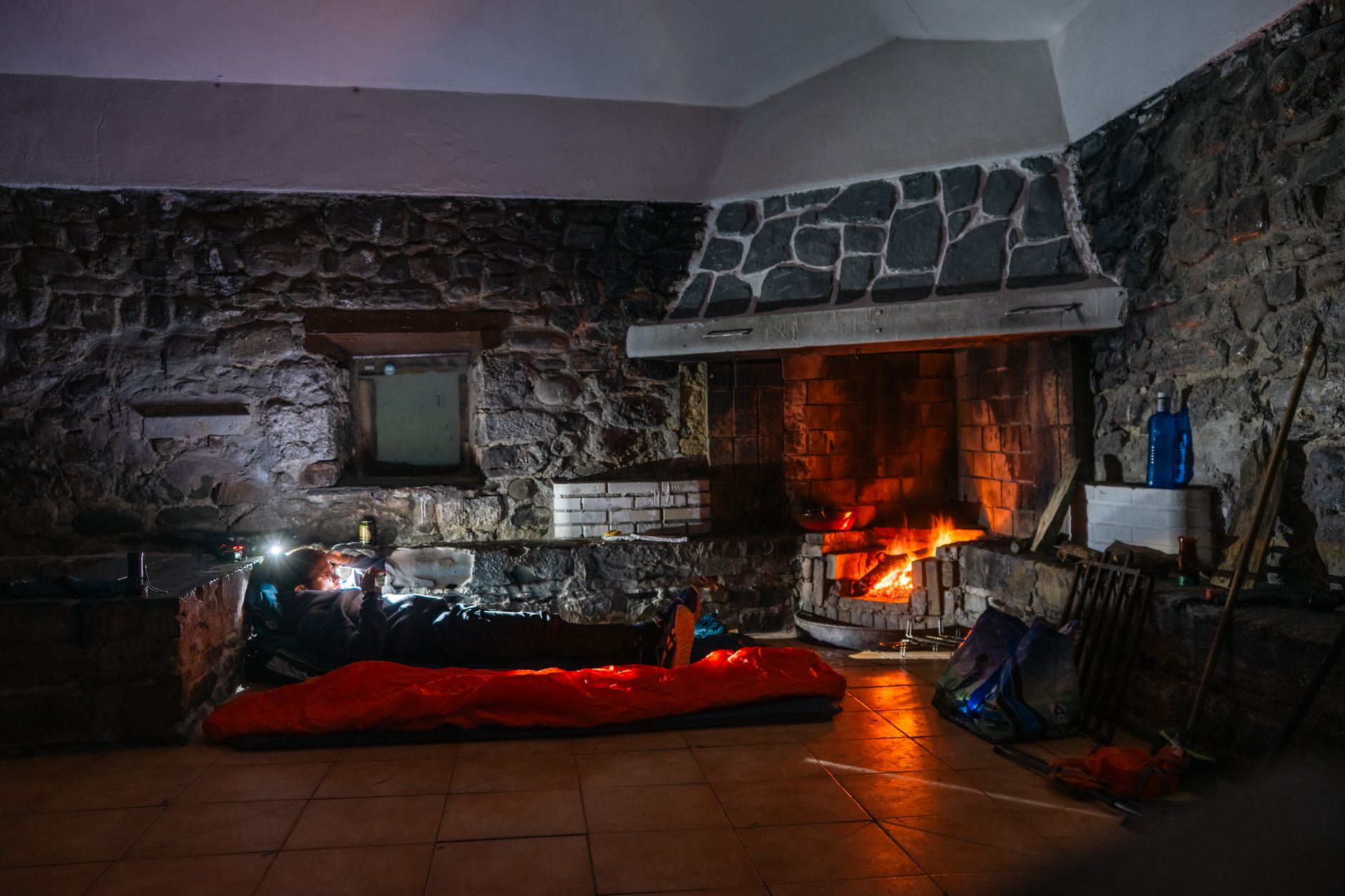
Every pillow in this guide was tested over a minimum of three nights in the field. We evaluated each model on four criteria: weight (measured on a calibrated kitchen scale, not taken from manufacturer specs), packed size (volume in a stuff sack or compressed), comfort rating (a 1-10 score based on sleep quality and neck support), and durability (any delamination, valve failure, or fabric wear after repeated use and packing cycles).
We also noted sleep position performance. A pillow that works brilliantly for back sleepers may be genuinely bad for side sleepers, and we flagged those differences clearly. Testers included back, side, and stomach sleepers across varied temperature conditions from the high 30s to the mid-70s Fahrenheit. Inflation method mattered too — anything requiring more than three breath cycles to reach full inflation was penalized, because nobody wants to be gasping into a pillow valve at 11,000 feet.
Price was considered but not weighted heavily in our rankings. A $15 pillow that gives you a 6/10 sleep night after night is worse value than a $60 pillow that consistently delivers an 8.5. We made judgment calls based on the full field picture, not the price tag alone.
The 7 Best Backpacking Pillows: Tested and Ranked
1. Therm-a-Rest Air Head Lite ⭐⭐⭐⭐⭐
The Therm-a-Rest Air Head Lite is the pillow we keep coming back to. At 1.8 ounces and packing down to the size of a golf ball, it punches so far above its weight class it feels unfair to the competition. The brushed polyester top surface grips your sleeping bag liner without sliding, and the chamber-free inflation design means there are no pressure points when fully inflated. Comfort rating: 8.5 out of 10 across back and side sleepers.
Pros:
- ✓ 1.8 oz — one of the lightest quality options tested
- ✓ Packs to golf-ball size
- ✓ Brushed top surface grips sleeping bag without sliding
- ✓ Survived 30+ pack/unpack cycles without valve issues
Cons:
- ✗ Slim profile may not suit stomach sleepers who prefer more loft
- ✗ Bottom shell feels slightly crinkly in quiet conditions
2. Sea to Summit Aeros Premium Pillow ⭐⭐⭐⭐⭐
If comfort is your top priority and you can tolerate a slightly heavier kit, the Sea to Summit Aeros Premium is the gold standard. The multi-chamber design and diagonal cut allow it to contour to your head regardless of sleep position. Comfort rating: 9.2 out of 10 — the highest in our entire test group. Side sleepers in particular raved about the lateral support. It weighs 2.9 ounces in the regular size and packs into its own stuff sack about the size of a billiard ball.
Pros:
- ✓ Highest comfort score of all 20+ pillows tested
- ✓ Multi-chamber construction prevents pressure flat spots
- ✓ Excellent side sleeper support
- ✓ Soft TPU top panel feels like real pillow fabric
Cons:
- ✗ Heavier than ultralight alternatives at 2.9 oz
- ✗ Premium price point
3. Nemo Fillo Elite Ultralight Pillow ⭐⭐⭐⭐⭐
The Nemo Fillo Elite hits a sweet spot that very few pillows reach: it’s ultralight at 1.8 ounces but uses a thin foam insert on the top panel to eliminate that cold, plasticky feel that kills sleep for temperature-sensitive hikers. The foam layer also means it never fully deflates on you the way a single-chamber inflatable can. Comfort rating: 8.8 out of 10. Back sleepers consistently rated it their top pick over the entire test period.
Pros:
- ✓ Foam top panel eliminates cold plastic feel
- ✓ Won’t go fully flat if it loses some air overnight
- ✓ Ties well across sleep positions
- ✓ 1.8 oz keeps it squarely in ultralight territory
Cons:
- ✗ Foam layer adds slight bulk compared to pure inflatables
- ✗ Not as compressible as the Air Head Lite
4. Klymit Pillow X ⭐⭐⭐⭐
The Klymit Pillow X earns its spot as the best budget option in the guide. At roughly half the price of the Sea to Summit or Nemo options, it delivers a comfort rating of 7.5 out of 10 and holds air reliably across multi-night trips. The X-Frame inflation design reduces material and weight while maintaining enough structure to support your head. At 2.4 ounces, it’s not the lightest but it’s a genuine pillow at a price that doesn’t sting.
Pros:
- ✓ Best value pillow in the test group
- ✓ Durable construction — no valve issues after heavy use
- ✓ Good loft for back sleepers
Cons:
- ✗ Noisy material — audible when you shift positions
- ✗ Less contouring than premium multi-chamber designs
- ✗ Side sleepers reported neck strain on longer nights
5. TETON Sports ComfortLite Camp Pillow ⭐⭐⭐⭐
If you run hot, hate the feel of inflatable surfaces, or share a tent with someone who doesn’t appreciate 3 a.m. rustling, the TETON ComfortLite is your answer. It’s a compressible pillow filled with synthetic down-alternative insulation. It won’t match the ultralight inflatables on weight — it comes in at 5.6 ounces — but the comfort rating hits 8.3 out of 10 and it sleeps like a real pillow from your bed at home. Great option for three-season trips where base weight isn’t your obsession.
Pros:
- ✓ Feels closest to a home pillow of anything tested
- ✓ Silent — no crinkling or noise during the night
- ✓ Excellent for hot sleepers (breathable fill)
- ✓ Machine washable
Cons:
- ✗ Heaviest option on this list at 5.6 oz
- ✗ Larger packed size — won’t fit inside most hip belt pockets
6. Cotopaxi Napo Inflatable Pillow ⭐⭐⭐⭐
The Cotopaxi Napo stood out in testing for two reasons: build quality and sustainability. The ripstop nylon shell felt genuinely robust — more so than most inflatables at this price — and it’s made from recycled materials without sacrificing performance. Comfort rating of 7.8 out of 10, weight of 2.2 ounces, and the flat valve design inflates in two to three breath cycles. Good all-around choice for hikers who care about what their gear is made from.
Pros:
- ✓ Recycled materials construction
- ✓ Notably durable ripstop nylon shell
- ✓ Fast inflation with flat valve
- ✓ Competitively priced for build quality
Cons:
- ✗ Comfort ceiling slightly lower than Sea to Summit or Nemo
- ✗ Limited size options currently available
7. Zpacks DCF Cuben Fiber Pillow ⭐⭐⭐⭐
For the gram-obsessed ultralight purist, the Zpacks DCF pillow sits at a jaw-dropping 0.8 ounces. It’s not for everyone — the Dyneema Composite Fabric shell is minimalist and the inflation feel is firm — but if you’re building a kit where every single gram is accounted for, this is the pillow that makes it onto the list. Comfort rating of 6.8 out of 10, which reflects its functional rather than luxurious nature. It does exactly what it promises: provide a light, packable head support that beats a rolled-up jacket by a mile.
Pros:
- ✓ Lightest pillow tested at 0.8 oz
- ✓ Extremely durable DCF construction
- ✓ Packs to virtually nothing
Cons:
- ✗ Premium price for a no-frills experience
- ✗ Lowest comfort rating on the list — firm and unforgiving
- ✗ Not suited for comfort-priority sleepers

Comfort vs. Weight: How to Make the Right Call for Your Kit
The comfort-vs-weight debate in backpacking pillows isn’t as binary as the gear community sometimes makes it sound. The real question is: what kind of trip are you doing, and how does your sleep affect your performance the next day? On a two-night overnighter with a relaxed pace, you might genuinely enjoy the plush TETON ComfortLite and not feel the extra ounces. On a technical route where you’re covering serious mileage and altitude, the difference between a good night’s sleep and a rough one is trail safety.
Our recommendation for most three-season backpackers is to land somewhere in the 2-to-3-ounce range with an inflatable-foam hybrid like the Nemo Fillo Elite. You’re not sacrificing meaningful base weight, and you’re getting a comfort score high enough that sleep quality is a genuine asset rather than a liability. If you’re thru-hiking and building a sub-10-pound base weight kit — the kind of approach detailed in resources like this thru-hiker’s full packing breakdown — the Air Head Lite or even the Zpacks DCF becomes a more defensible choice.
The one thing that surprised us most across 20-plus models: variance in comfort didn’t correlate strongly with weight. A 1.8-ounce pillow with a smart design consistently outslept 4-ounce options with poor construction. Invest in the right design first, then optimize for weight. Don’t buy heavy assuming it means comfortable.
What to Look for When Buying a Backpacking Pillow
Valve design matters more than most buyers realize. A flat, one-way valve that seals with a push of your finger is vastly preferable to a twist or cap-style valve that you’re fumbling with in the dark. Look for pillows that specify a one-way valve in their product descriptions. Also pay attention to the inflation method: some pillows come with a pump sack that lets you fill them without breathing into them — useful at altitude where you don’t want to hyperventilate before sleep.
Surface texture is the second underrated spec. A smooth, slippery nylon shell will slide against most sleeping bag liners, meaning you’ll wake up with your head on the tent floor. Brushed polyester, soft TPU, or velvet-feel coatings all grip better. If you’re a restless sleeper who tosses and turns, prioritize a pillow with a textured or grippy top surface above almost anything else.
Finally, consider size. Most inflatable backpacking pillows come in regular and large options. If you’re a broad-shouldered side sleeper, the regular size will leave your head tipping off the edge all night. Size up. The weight difference between regular and large is usually less than half an ounce, and the sleep quality difference is significant.
Final Verdict: Our Top Pick for Most Backpackers
If we could only recommend one pillow to one hiker, it’s the Sea to Summit Aeros Premium. It earned the highest comfort score in our entire test group, performs across all sleep positions, and at under 3 ounces, it’s light enough to carry on any trip without second-guessing your kit. The price is real, but so is the sleep quality difference. You’ll feel it by morning two.
For ultralight-focused hikers, the Therm-a-Rest Air Head Lite is the call. For budget-conscious beginners who just want something better than a jacket, the Klymit Pillow X delivers genuine value. There’s no bad choice among the seven listed here — only choices that match different priorities. Know your sleep style, know your trip type, and pick accordingly. Your neck will thank you.
Shop Backcountry Gear Labs on Etsy
Hoodies, tees, hats, and more for campers and hikers who live for the trail.
Get Weekly Gear Picks
Join the Backcountry Gear Labs newsletter for expert gear picks and backcountry advice, every week.