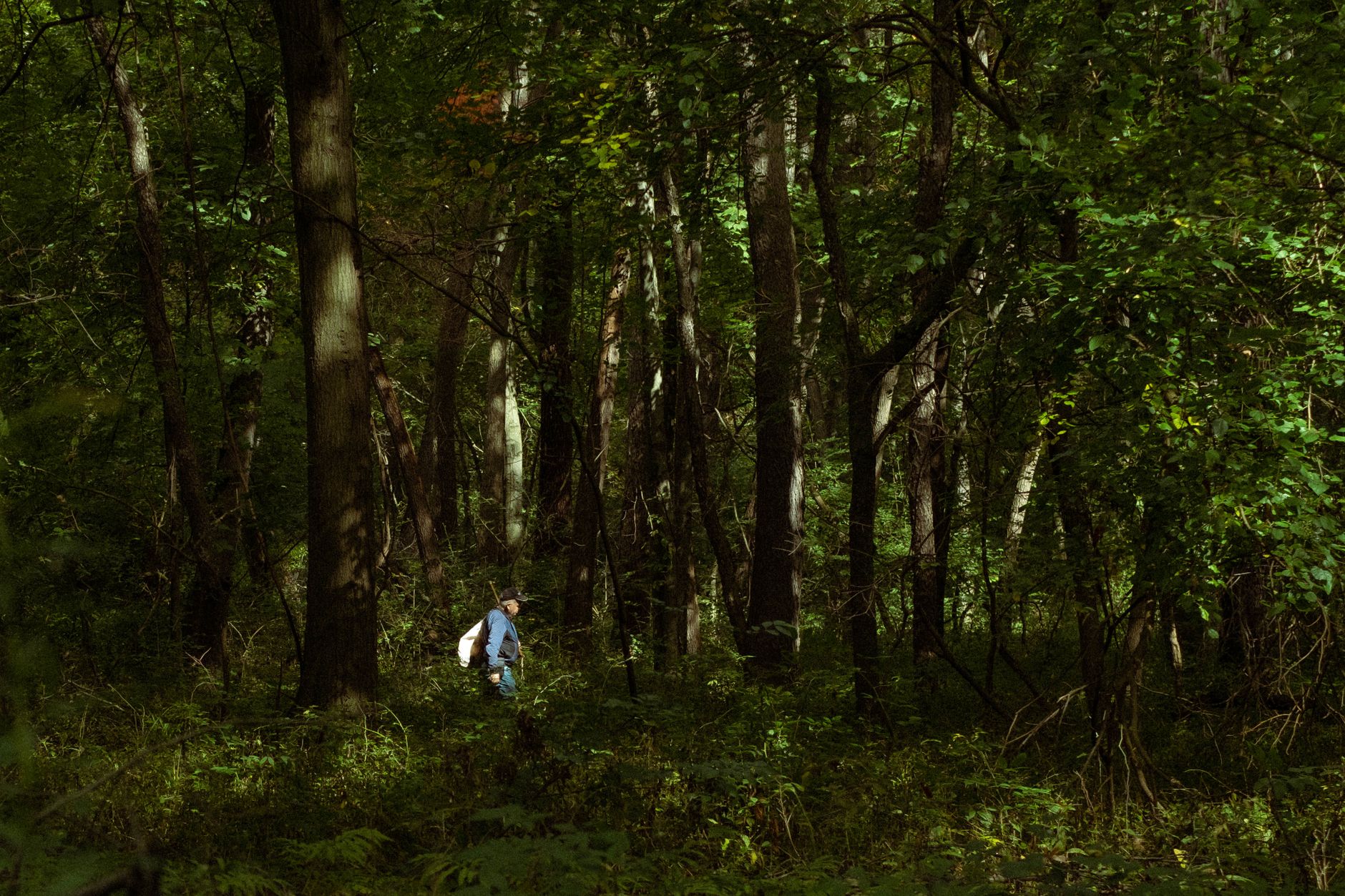
Tick prevention gear has never mattered more for hikers and backpackers heading into fall trail season. With tick-borne illness reports climbing across the Northeast, Midwest, and Pacific Northwest, the window between a casual brush with tall grass and a serious health consequence is getting narrower. As someone who logs hundreds of trail miles a year — often crawling through brushy terrain testing gear — I’ve stopped treating tick protection as an afterthought and started building it directly into my kit.
This guide covers the three categories that actually move the needle: permethrin-treated clothing and treatments, mechanical tick removal tools, and field barrier protection. I’ve tested or used everything listed here in real conditions — not just read the spec sheets. Whether you’re a weekend day hiker or a backcountry thru-packer, there’s a layer of protection here that belongs in your pack before peak fall hiking season hits hard.
A quick note on risk: ticks carrying Lyme disease, Rocky Mountain spotted fever, and alpha-gal syndrome (a red meat allergy triggered by Lone Star tick bites) are active well into October and even November in warmer regions. Protecting yourself isn’t paranoia — it’s trail hygiene.
Why Permethrin-Treated Clothing Is Your First Line of Defense
Permethrin is a synthetic insecticide derived from chrysanthemum flowers, and when it’s bonded to fabric, it doesn’t just repel ticks — it kills them on contact. Studies from the CDC and military research have shown that permethrin-treated clothing can reduce tick attachment by up to 73.6% compared to untreated clothing. That’s not marketing copy; that’s field data. The key distinction: permethrin goes on your clothes, not your skin. DEET goes on exposed skin. Use both and you’ve created a layered barrier that ticks genuinely struggle to penetrate.
Factory-treated clothing from brands like Insect Shield and ExOfficio uses a bonded treatment that lasts through 70 washes — far longer than spray-on treatments you apply yourself. If you already own synthetic or nylon hiking pants and shirts, a DIY permethrin spray like Sawyer’s 0.5% concentration can treat your entire wardrobe for under $20 and stays active for six washes or six weeks of outdoor exposure, whichever comes first. Treat before you leave home, let it dry completely (24 hours minimum), and the protection is already working before you hit the trailhead.
Critical fit tip: tucking treated pants into treated socks closes the ankle gap that ticks use most often to find skin. It looks goofy. It works. Light-colored clothing also lets you spot crawling ticks before they find a bite site — a simple visual advantage that costs nothing.
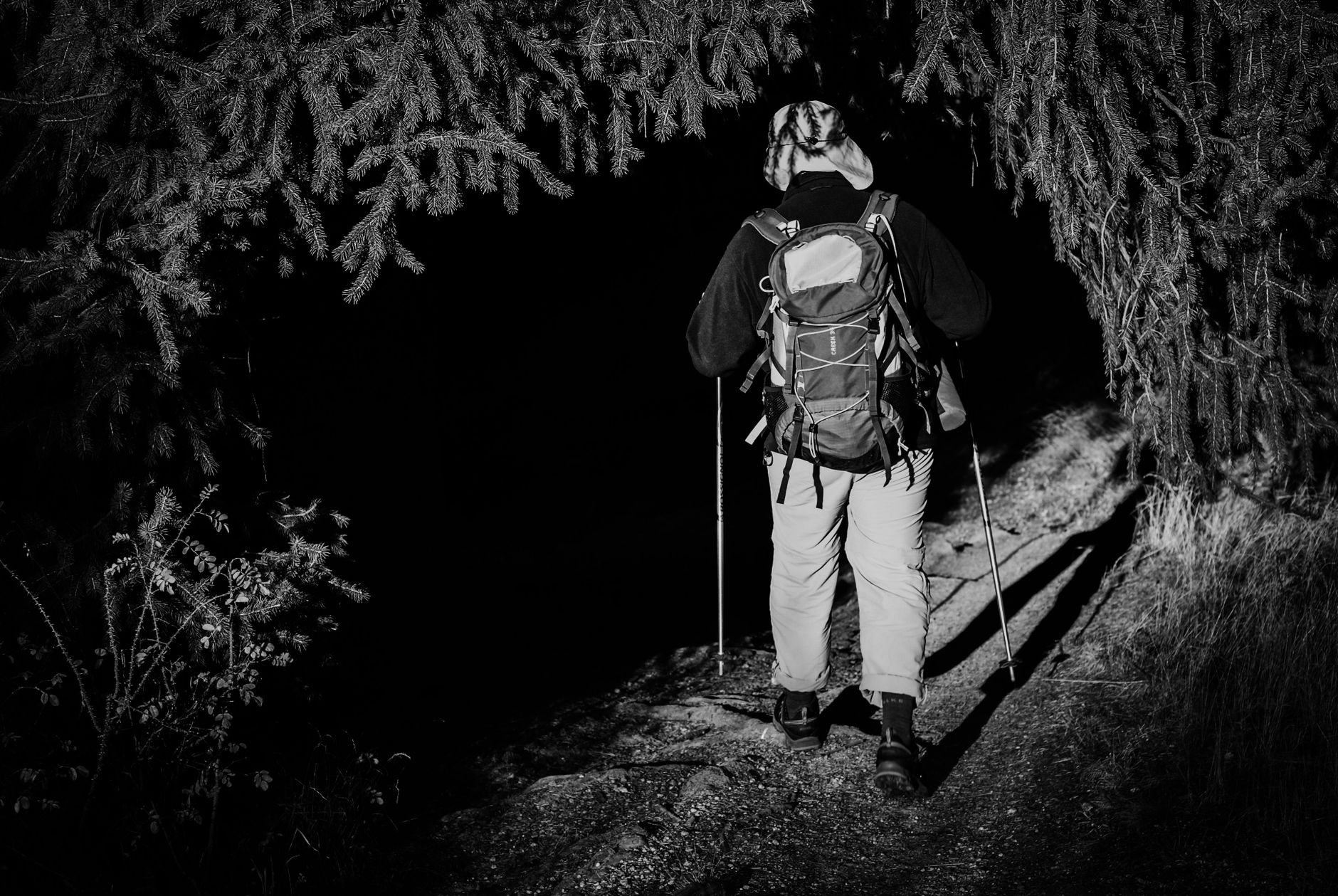
Best Tick Prevention Gear: Top Picks Tested on Trail
1. Sawyer Products Permethrin Clothing Insect Repellent ⭐⭐⭐⭐⭐
The gold standard for DIY permethrin treatment. Sawyer’s 0.5% permethrin spray bonds to fabric fibers and is odorless once dry. A single 24 oz trigger spray bottle treats a full outfit (shirt, pants, socks, gaiters, hat) with enough left over for your pack and tent footprint. I’ve used this for multiple seasons across brushy Appalachian ridgelines and dense Pacific Northwest undergrowth with zero tick attachment after application.
Pros:
- ✅ Kills ticks on contact — doesn’t just repel
- ✅ Lasts 6 washes or 6 weeks of outdoor exposure
- ✅ Treats multiple garments per bottle — excellent value
Cons:
- ⚠ Requires 24-hour dry time before use — plan ahead
- ⚠ Toxic to cats while wet — keep pets away until fully dry
2. Insect Shield Lightweight Convertible Pants ⭐⭐⭐⭐⭐
Factory-bonded permethrin treatment rated for 70 washes means you pull these on and forget about reapplication. The Insect Shield convertible design gives you full leg coverage in dense brush and zip-off shorts on exposed ridgelines — practical versatility without bulk. The fabric is a breathable nylon blend that dries fast and resists snags on briars. These pants have become my default lower-body layer for any hike with potential tick exposure from April through November.
Pros:
- ✅ 70-wash factory-bonded treatment — no maintenance needed
- ✅ Convertible zip-off design for versatile conditions
- ✅ Lightweight and quick-drying nylon fabric
Cons:
- ⚠ Higher upfront cost than treating your own pants
- ⚠ Limited color options — mostly earth tones
3. TickEase Dual-Tipped Tick Remover ⭐⭐⭐⭐⭐
This is the tick removal tool I keep clipped inside the lid of every pack I own. One end is a fine-pointed tweezer for adult ticks; the other is a slotted remover designed specifically for nymph-stage ticks, which are the size of a poppy seed and the most common transmitters of Lyme. The stainless steel construction doesn’t flex or bend, and the fine tips give you the control to grip at the skin surface — not the abdomen — which is how you avoid the common mistake of squeezing pathogens into the bite wound.
Pros:
- ✅ Dual-tip design handles both adult and nymph ticks
- ✅ Stainless steel — won’t corrode in wet pack pockets
- ✅ Weighs almost nothing — no excuse not to carry it
Cons:
- ⚠ Small enough to misplace — tether it or clip it to your first aid kit
4. Ben’s 30 DEET Tick and Insect Repellent Wipes ⭐⭐⭐⭐
For skin-exposed areas — wrists, neck, face perimeter — a reliable DEET repellent is a non-negotiable part of tick prevention gear. Ben’s 30% DEET formula hits the sweet spot: strong enough to deter ticks and mosquitoes for up to six hours, but not the industrial-strength 98% DEET that eats through gear coatings and plastic watch faces. The individual wipe packets are the backcountry-smart format — no spills, pre-measured doses, and they pack flat in a hip belt pocket.
Pros:
- ✅ 30% DEET — effective without melting gear
- ✅ Wipe format is packable and spill-proof
- ✅ Works on mosquitoes, gnats, and black flies too
Cons:
- ⚠ Single-use wipes create waste — not ideal for multi-week trips
- ⚠ DEET can degrade synthetic fabrics — apply to skin only
5. Outdoor Research Helium Gaiters ⭐⭐⭐⭐
Ankle gaiters are underrated tick prevention gear. They close the pants-to-boot gap that ticks exploit to reach skin, and on treated clothing they add one more permethrin-saturated barrier between the ground and your ankle. The Outdoor Research Helium gaiters are ultralight (under 2 oz per pair), pack into their own stuff sack, and work over trail runners or boots. Treating them with Sawyer spray before a trip turns them into an active tick barrier rather than just a passive fabric shield.
Pros:
- ✅ Under 2 oz per pair — negligible pack weight
- ✅ Closes the critical ankle gap where ticks enter
- ✅ Compatible with permethrin spray treatment
Cons:
- ⚠ Fit can be snug over thick boot cuffs — size up if in doubt

Tick Removal in the Field: What to Do When One Latches On
No prevention system is 100%. Ticks find gaps — the back of the knee during a steep scramble, the hairline after a pack adjustment. The protocol when you find an attached tick is simple but precise: use fine-pointed tweezers or a purpose-built removal tool, grasp as close to the skin surface as possible, and pull upward with steady even pressure. Do not twist, jerk, or crush the body. Do not apply heat, petroleum jelly, or nail polish — those are folklore remedies that increase pathogen transfer risk.
After removal, clean the bite site with isopropyl alcohol or soap and water. If you’re in a remote area, note the date and rough location of the bite, and if possible, seal the tick in a small zip-lock bag or sealed container. Some labs offer tick testing services, and your doctor may want to know the species. If you carry a good backcountry first aid kit — like the options we reviewed in our guide to the best budget first-aid kits for backcountry travel — include a removal tool and an alcohol wipe specifically earmarked for tick response.
Transmission risk for Lyme disease increases significantly after 36 to 48 hours of tick attachment. That’s why the daily full-body tick check at camp — every single evening — is your most valuable prevention tool. Prioritize: scalp, behind ears, neck, armpits, groin, back of knees, and between toes.
Field Habits That Multiply Your Gear’s Effectiveness
Gear amplifies good habits but can’t replace them. Stay on the center of the trail whenever possible — ticks don’t jump or fly; they quest from vegetation at the trail edge, extending their front legs to grab passing hosts. Walking the middle of even a narrow singletrack reduces contact dramatically. When you stop for a break, choose open rock or dry dirt over leaf litter and tall grass. Ticks concentrate in moist, shaded micro-environments.
At camp, treat your tent footprint and the ground cloth area with permethrin if you’re in a high-exposure region. Hang your pack rather than leaving it on the ground in brushy terrain. After your daily body check, do a gear check too — ticks can ride in on packs, sleeping bag stuff sacks, and even trekking pole straps and transfer to you hours later inside a shelter.
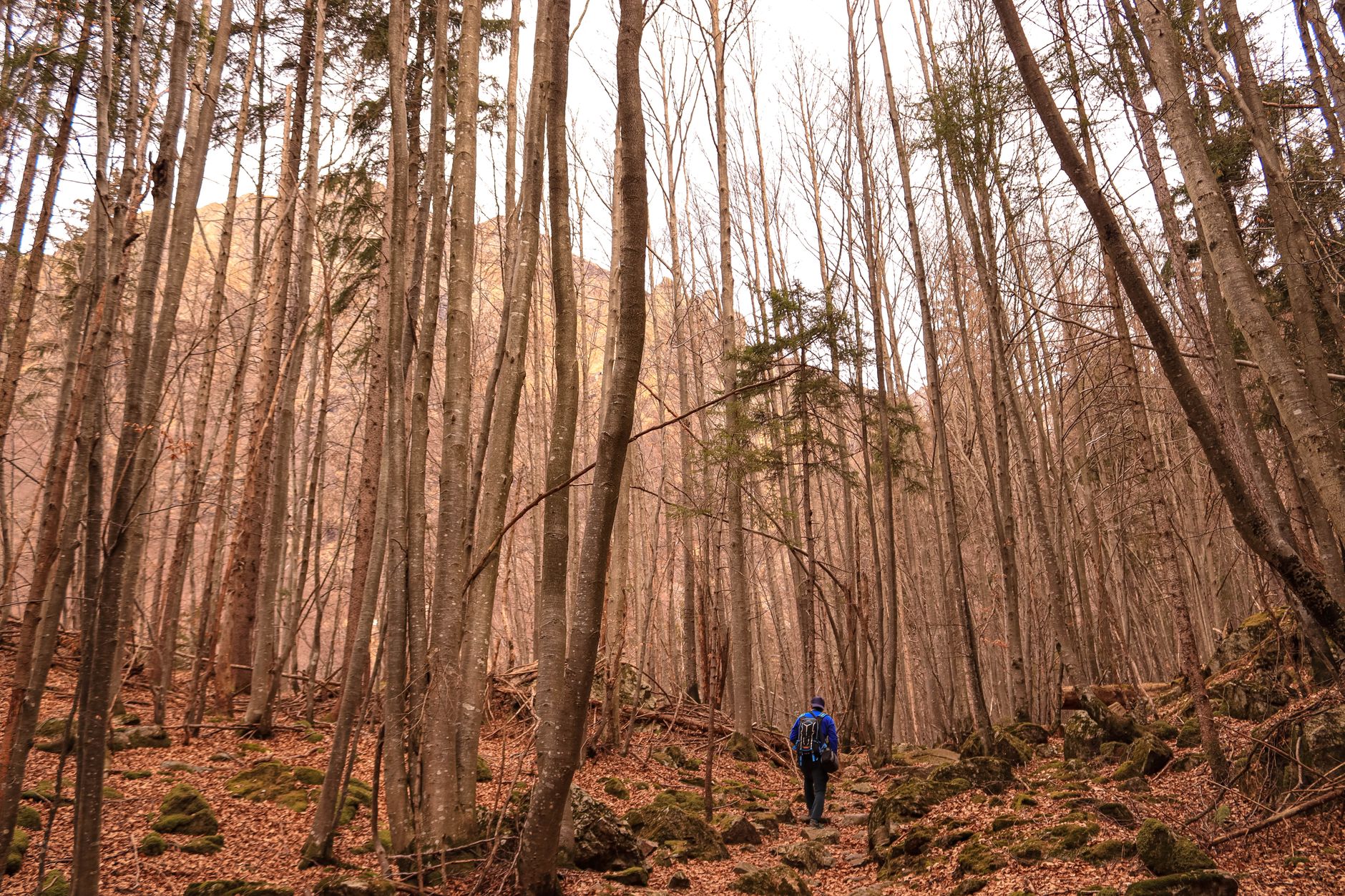
Fall-specific awareness: in many parts of the US, leaf litter season dramatically increases hidden tick density. Stepping through dried leaves is functionally the same as walking through tall grass in terms of exposure. If your fall hiking season takes you into hardwood forests with deep leaf accumulation — the kind of terrain common in the Mid-Atlantic and upper Midwest — treat that environment with the same vigilance you’d apply to summer meadow hiking.
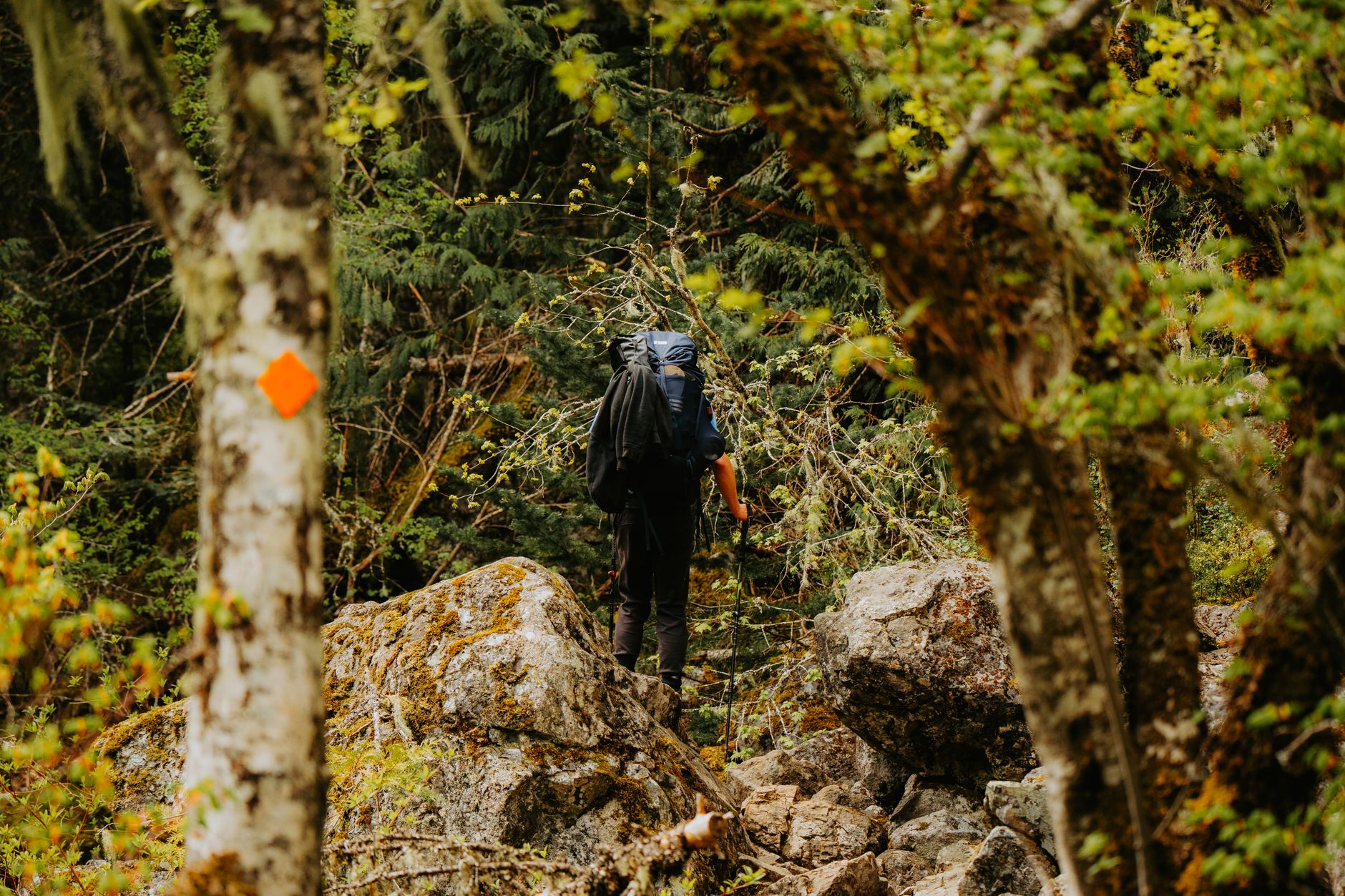
Building a Complete Tick Prevention System Before You Hit the Trail
Think of tick prevention in three layers: passive barrier (permethrin-treated clothing and gaiters), active repellent (DEET on exposed skin), and detection/response (removal tool, body checks, first aid protocol). Each layer addresses a failure mode in the others. Permethrin kills what lands on your clothing; DEET deters what approaches your skin; your removal tool handles anything that gets through both.
The total cost of a solid tick prevention setup is genuinely low. A bottle of Sawyer permethrin, a pack of DEET wipes, and a TickEase remover runs under $30 combined — less than most day hikers spend on snacks for a single outing. Treating an existing wardrobe is cheaper than buying factory-treated clothing, and for most hikers it’s the smarter entry point. Upgrade to dedicated Insect Shield garments once you know you’re hiking high-exposure terrain regularly.
The fall hiking season is some of the best time on trail — cooler temperatures, less crowded routes, stunning foliage. Don’t let tick risk keep you indoors. Build the system, treat the gear, carry the tools, and do the checks. That’s the complete protocol, and it genuinely works.
Stay safe out there.
— Camp Mavrik, Backcountry Gear Labs
Shop Backcountry Gear Labs on Etsy
Hoodies, tees, hats, and more for campers and hikers who live for the trail.
Get Weekly Gear Picks
Join the Backcountry Gear Labs newsletter for expert gear picks and backcountry advice, every week.