
Planning your Bibbulmun Track thru-hike means reckoning with one of the world’s most demanding long-distance walking environments. Stretching nearly 1,000 kilometers from Kalamunda near Perth to Albany on the Southern Ocean, the Bibb dishes out scorching summer temperatures, long dry stretches between water sources, venomous wildlife encounters, and relentless red-dirt bush that will punish gear not built for the job. This isn’t the PCT. The logistics, the heat, and the fauna demand a purpose-built loadout — not a recycled northern-hemisphere kit.
I’ve spent time in the Western Australian bush and obsessively researched what experienced Bibbulmun thru-hikers actually carry versus what they ditch by day three. This guide cuts through the noise and gives you specific, tested product recommendations across every critical category, with honest notes on why each one earns its spot in an Australian bush context. Whether you’re walking the full trail end-to-end or tackling a multi-week section, this is the gear framework you need.
The Bibbulmun Track is walkable year-round, but most thru-hikers push through the southern winter (roughly May through September) to avoid peak heat. Even then, inland sections can hit 30°C-plus by midday, and water carries of 20-plus kilometers between tanks are genuinely common in the northern sections. Budget your kit around those realities first.
Heat Management: Sun Protection and Ventilation Clothing for Australian Conditions
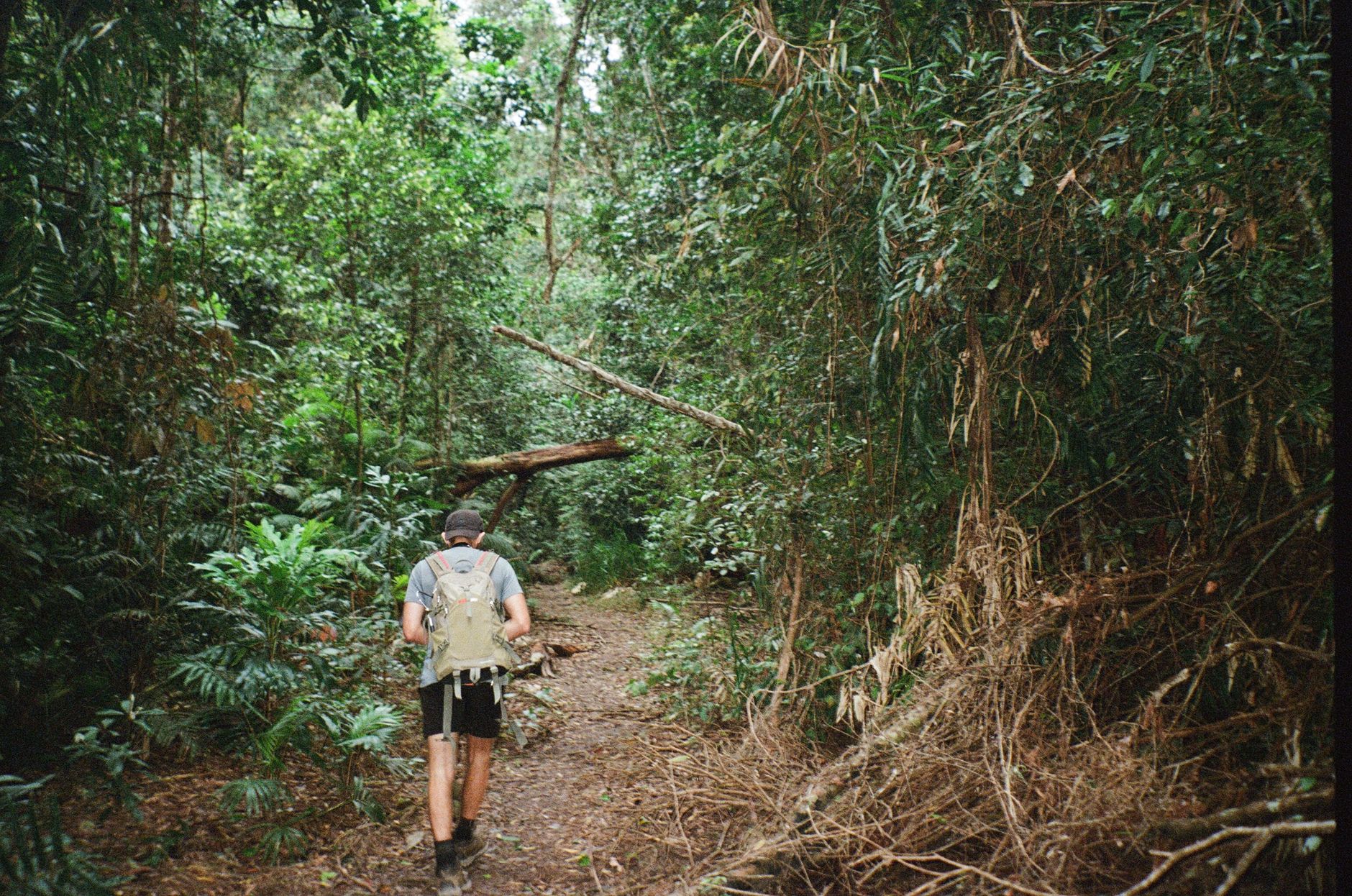
Heat is the defining challenge of a Bibbulmun Track thru-hike. UVB radiation in Western Australia is among the highest on the planet — the Bureau of Meteorology routinely records UV indexes above 10 even in shoulder seasons. Long sleeves are not optional; they’re survival strategy. The mistake most first-timers make is reaching for the lightest possible shirt without considering sun-blocking rated fabric (UPF 50+). A soaked-through cotton tee protects almost nothing and dries slowly. Purpose-built UPF hiking shirts with mechanical stretch and active ventilation panels are the correct answer.
Pair your sun shirt with a broad-brim hat that won’t buckle in the jarrah forest cross-breeze. A neck cape or buff adds another layer of protection on exposed ridgeline sections. Gaiters are worth reconsidering here too — not for mud, but to keep spinifex seeds, bindii, and potential snake contact away from your lower legs. Lightweight trail gaiters in the 30-40g range add almost nothing to pack weight but meaningfully change your risk profile on this track.
1. Outdoor Research Echo Sun Hoodie ⭐⭐⭐⭐⭐
Price range: $75-90 | Mid-range pick
The Echo Sun Hoodie delivers UPF 50+ protection in a featherweight stretch-woven fabric that moves with you. The integrated hood means you’re never scrambling for a hat mid-climb, and the vented underarms keep airflow moving when temperatures spike on exposed fire trail sections north of Dwellingup.
Built to last: Constructed from a lightweight nylon-spandex blend with a durable UPF weave that retains sun-blocking performance through repeated washes, and flatlock seams that won’t hot-spot on long mileage days.
Pros:
- ✓ Integrated hood eliminates need for separate headwear
- ✓ Stretch fabric doesn’t restrict pack strap movement
- ✓ Dries in under 90 minutes in Australian ambient heat
Cons:
- ✗ Light color options show red dust quickly
Water Carry Capacity: The Critical System Every Bibbulmun Thru-Hiker Needs
Water is where inexperienced hikers get into real trouble on the Bibbulmun Track. Unlike most European or North American long trails, water sources here are not evenly distributed. The northern section — particularly the first two weeks out of Kalamunda — demands carries of 15 to 25 kilometers between reliable tanks and dams. In summer, tanks can also run low. A 2-liter hydration reservoir isn’t a water system for this trail; it’s a liability. You need a minimum 4-liter carry capacity, and 6 liters is more defensible on northern sections when loaded at dawn.
Filtration is equally non-negotiable. Seasonal dams and natural rock catchments (gnamma holes) are your backup sources in dry spells, and their water quality is unpredictable. A squeeze-style filter like the Sawyer Squeeze is the Bibbulmun hiker’s workhorse — light, foolproof, and compatible with standard soft-flask threading. Running a dual system (primary reservoir plus a dedicated dirty bag and filter pouch) means you can top up and treat simultaneously, which matters when you’re managing heat and moving before the afternoon sun peaks.
2. Platypus Big Zip EVO 3.0L Reservoir ⭐⭐⭐⭐⭐
Price range: $45-60 | Budget pick
The Big Zip EVO is the easiest-to-fill reservoir on the market — the full-length zipper opening means no contorting the bag to reach the bottom when you’re tanking up at a murky bush dam. At 3 liters, it slots cleanly into most hiking pack bladder sleeves and pairs with a 1-liter soft flask for a total 4-liter carry without adding meaningful weight.
Built to last: Welded seam construction eliminates stitching that can leak or harbour bacteria, and the BPA-free polyethylene film resists the metallic taste that plagues cheaper reservoirs after extended field use.
Pros:
- ✓ Full-length zipper makes field refilling fast and clean
- ✓ Lie-flat design for faster freeze-drying between carries
- ✓ Wide availability and replacement hoses at gear shops in Perth
Cons:
- ✗ Hose bite valve can degrade with sustained UV exposure if left out
3. Sawyer Squeeze Water Filter ⭐⭐⭐⭐⭐
Price range: $35-45 | Budget pick
The Sawyer Squeeze has become the default filtration choice for Bibbulmun Track thru-hikers for good reason: it weighs 85 grams, filters to 0.1 microns, and handles the sediment-heavy water you’ll encounter in seasonal earth dams without clogging if you backflush regularly. Screw it onto a standard soft flask, squeeze into your clean reservoir, and move on.
Built to last: Hollow-fiber membrane construction is rated to 378,000 liters of use, housed in a polypropylene shell that resists cracking under field pressure and Australian ambient heat cycling.
Pros:
- ✓ No chemical taste — important when you’re already heat-fatigued
- ✓ In-line threading works with Platypus and most soft flasks
- ✓ Lifetime warranty from Sawyer
Cons:
- ✗ Flow rate slows considerably if you skip backflushing after turbid water sources
Snake and Wildlife Awareness: Gear That Reduces Real Risk
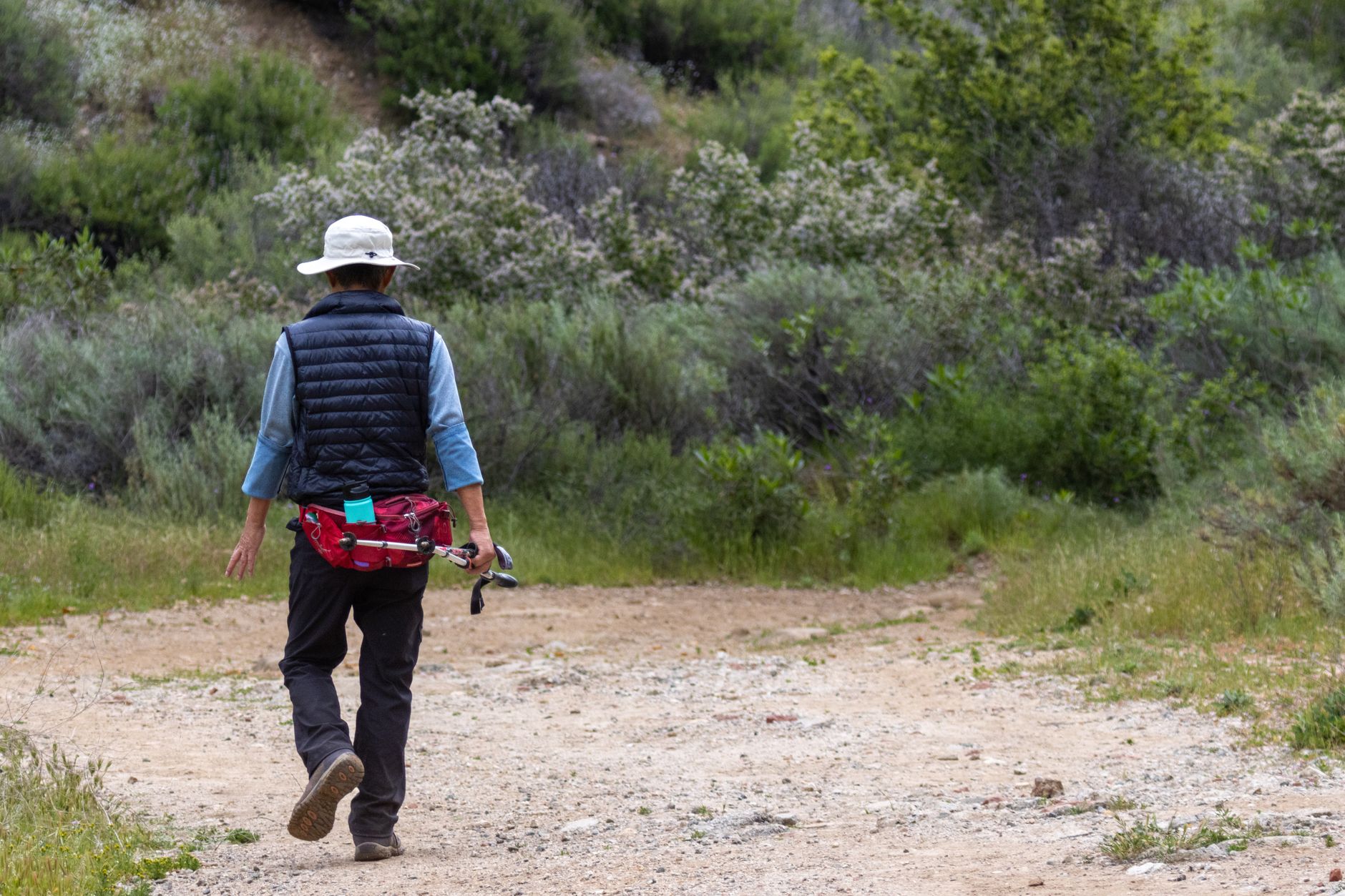
Western Australia is home to several of the world’s most venomous snake species, including the dugite, tiger snake, and western brown. On the Bibbulmun Track, encounters are common but bites are rare — because experienced walkers move predictably through the bush, watch where they step, and don’t reach blindly into logs or rocky overhangs. That said, gear choices genuinely affect your risk profile. As mentioned earlier, lightweight trail gaiters add a physical barrier; leather hiking boots offer more protection than trail runners in gnamma hole and rocky heath terrain. The debate over boots versus trail runners on the Bibbulmun is real, and if you’re considering footwear, check out our breakdown on pack weight and foot health — the principles on load distribution apply directly here.
Beyond snakes, consider that mosquitoes and march flies can be genuinely debilitating in the southern sections near the Warren and Shannon river systems, particularly after winter rains. A head net costs 20 grams and can mean the difference between a functional campsite setup and an hour of torment. Emergency communication is equally critical: the huts are spaced roughly 20 kilometers apart, and while many are near emergency water tanks, medical evacuation from deep bush sections can take hours. A PLB (Personal Locator Beacon) is legally recommended in Western Australia and, frankly, non-negotiable for a solo thru-hike. We’ve tested a range of devices in our satellite messenger showdown — a two-way messenger adds genuine peace of mind on the remote inland sections.
Shelter and Sleep: Hut-Compatible Bivy and Sleep System Strategy
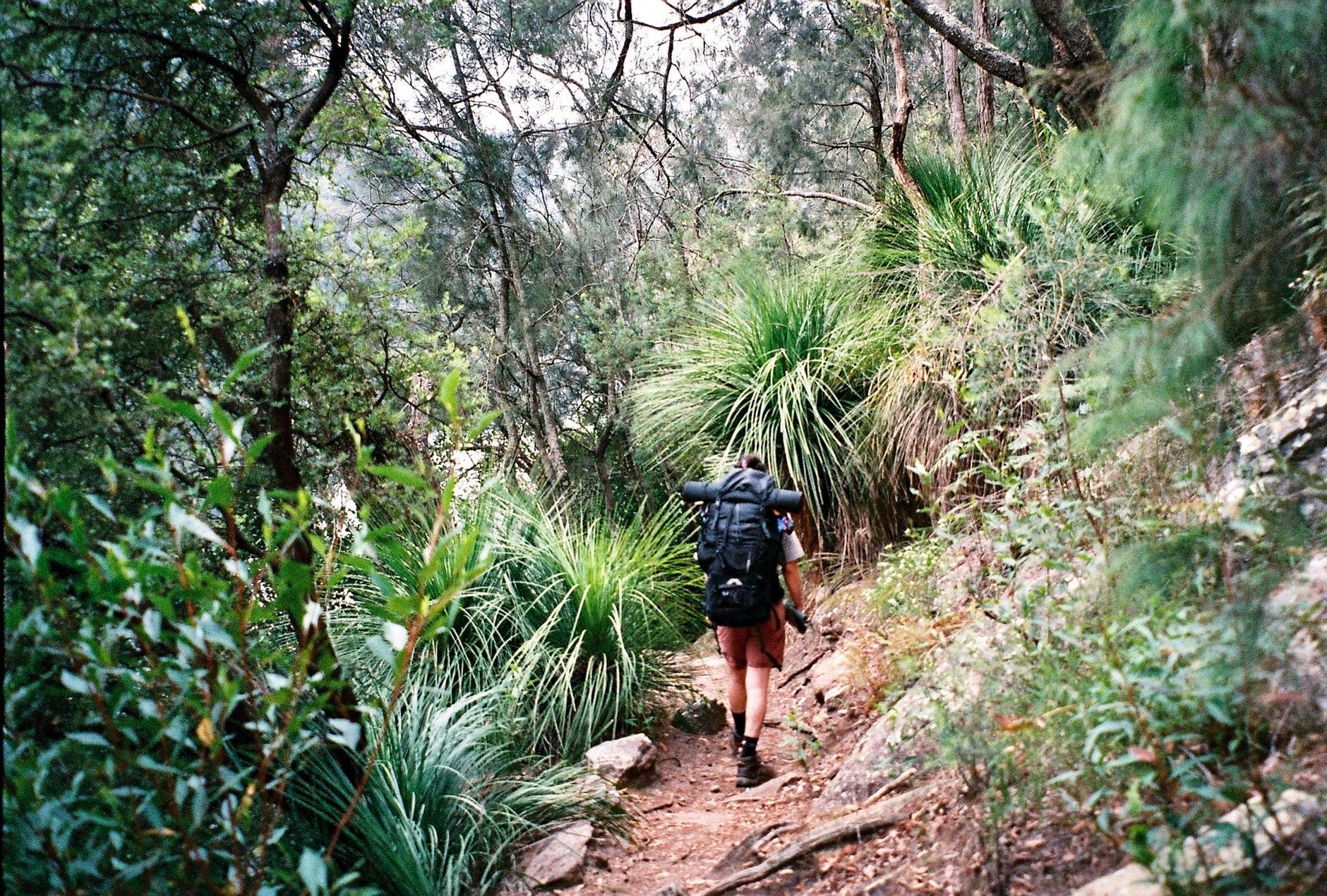
The Bibbulmun Track’s network of A-frame huts is one of its defining features — over 49 huts spaced roughly a day’s walk apart. Most thru-hikers use the huts as their primary sleep system, which means your shelter choices shift from tent to sleeping mat and bag. However, huts fill during school holidays and peak season, and a backup sleep solution is essential. A lightweight cuben fiber or silnylon tarp at 400-500g is the go-to for experienced Bibb walkers — not a full double-wall tent, which is overkill weight for a trail with limited exposed camping and frequent hut access.
Sleep system temperature rating is where hikers get caught out. The southern sections around Mt. Cooke and the Donnelly River can drop to near-freezing on clear winter nights even after warm days. A 5°C-rated quilt or sleeping bag is the minimum for a full thru-hike across all seasons. Down fill is preferred for its pack size, but the southern sections near the coast and river valleys bring genuine moisture — a hydrophobic down or synthetic hybrid holds its loft better when humidity climbs overnight.
4. Sea to Summit Spark SpIII Sleeping Bag ⭐⭐⭐⭐⭐
Price range: $280-360 | Premium pick
The Spark SpIII is rated to 0°C and packs to the size of a large grapefruit — ideal for the hut-based strategy where volume savings mean more food carry capacity. The 850-fill-power down and Nano treatment on the baffles gives it genuine moisture resistance for the coastal southern sections without the weight penalty of a fully synthetic bag. This is the sleep system choice of serious Bibb thru-hikers who’ve done the math.
Built to last: 10-denier Ultra-Dry Down nanofiber shell is DWR-treated and stretch-knit for packability, with precisely sewn box-wall baffles that prevent cold spots and maintain loft across extended multi-week trips.
Pros:
- ✓ 850 fill power down rated to 0°C handles worst-case Bibbulmun nights
- ✓ Packs to under 900g — meaningful savings on a 1,000km trip
- ✓ Australian brand with local sizing knowledge and warranty support
Cons:
- ✗ Premium price point is a stretch for budget-conscious thru-hikers
Pack Selection and Load Management for the Bibbulmun Track
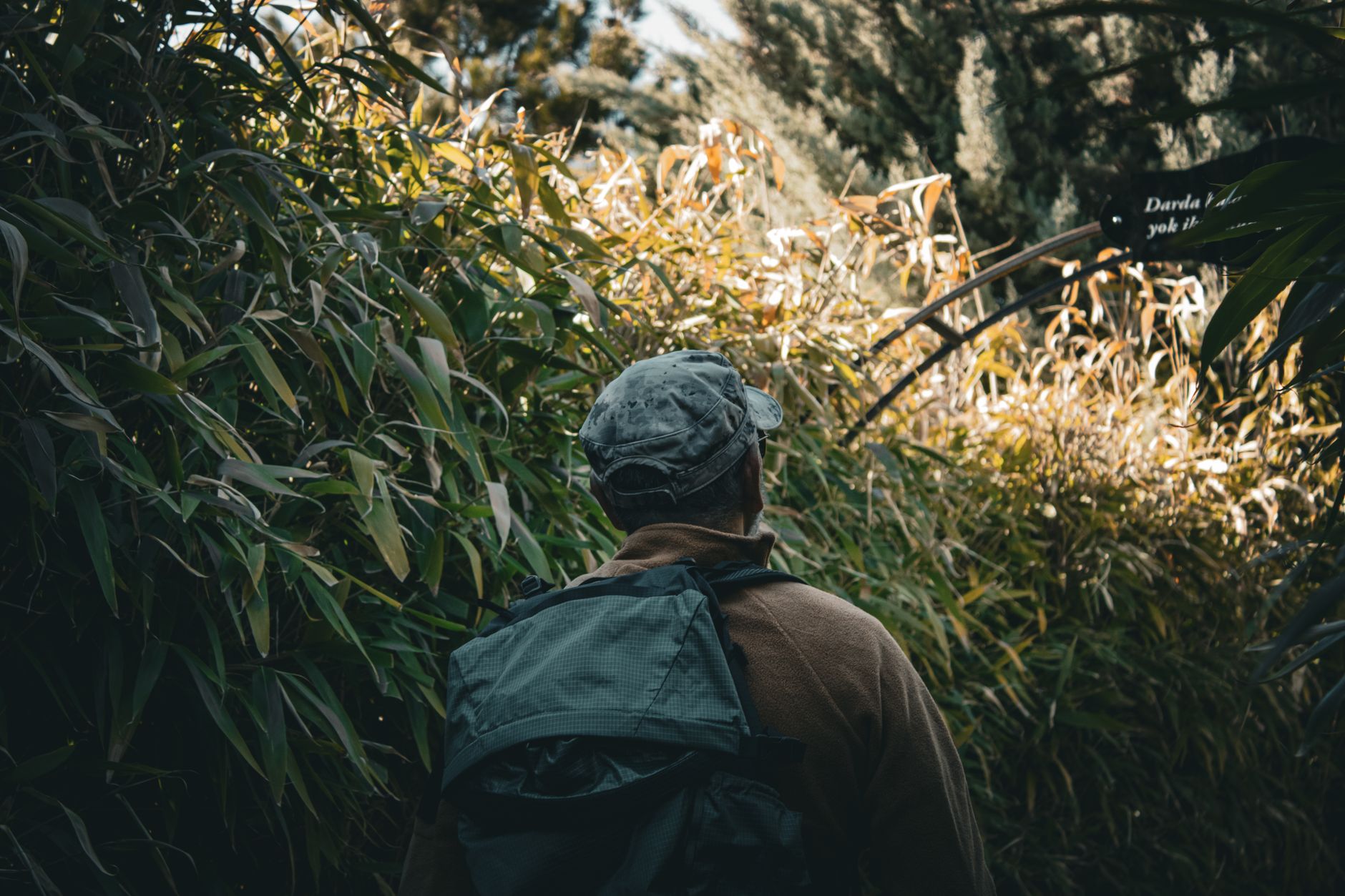
The Bibbulmun Track’s resupply structure — with towns accessible every 5-8 days — means you’re managing 4-6 days of food plus a heavy water carry. That math typically lands hikers in the 55-70 liter pack range, though ultralight hikers managing a cuben tarp and a quilt can push it to a 45-liter framed pack. The key is a load lifter system that transfers weight effectively to your hips — because Australian packs routinely carry 2-3 extra kilograms of water beyond what a PCT hiker might carry, and your shoulders will know about it by day four if your frame doesn’t do its job.
Hip belt pockets are not a luxury on this trail — they’re functional real estate for your water filter, emergency snacks, map, and a PLB where you can hit it fast. A pack without usable hip belt pockets on the Bibbulmun is a pack you’ll be frustrated with by week two. Look for at least 1.5-liter combined hip pocket volume and a ventilated back panel — the latter matters enormously in 35°C heat when a foam-contact back turns your shirt into a sweat sponge within the first hour of walking.
5. Osprey Exos 58 ⭐⭐⭐⭐⭐
Price range: $250-290 | Mid-range pick
The Osprey Exos 58 has earned its reputation as the go-to thru-hiking pack for good reason: the AirSpeed tensioned mesh back panel is genuinely effective at reducing sweat buildup in hot conditions, the LightWire peripheral frame manages loaded weights up to 20kg without transferring stress to your shoulders, and the hip belt pockets are large enough to swallow a water filter, a PLB, and a few Anzac biscuits simultaneously. It’s the sweet spot of capacity, weight, and load transfer for Bibbulmun conditions.
Built to last: 100-denier high-tenacity nylon body fabric with reinforced high-wear zones at the base and shoulder strap attachment points, paired with aluminum wishbone frame stays that flex without fatiguing across thousands of kilometers.
Pros:
- ✓ AirSpeed mesh back dramatically reduces heat buildup in Australian conditions
- ✓ Hipbelt pockets are genuinely large — real functional volume
- ✓ Top lid converts to a daypack for town resupply runs
Cons:
- ✗ Tensioned mesh back adds roughly 200g vs. a comparable frameless ultralight pack
Final Kit Considerations: Navigation, First Aid, and Emergency Protocol
The Bibbulmun Track Foundation’s topographic maps and the Bibbulmun Track app cover the trail comprehensively, but phone battery life in 35°C heat degrades faster than most hikers expect — lithium-ion cells lose capacity meaningfully above 30°C. A dedicated GPS unit with AA batteries (replaceable at any rural servo or small town along the route) is a smarter choice than relying solely on a phone. The Garmin eTrex series remains the workhorse recommendation for this exact reason.
First aid on a remote Australian trail needs to address snakebite pressure immobilization — the correct Australian protocol — not the tourniquet-and-cut approach still described in some American wilderness medicine guides. Pack at least 3-4 compression bandages (the same elongated bandage used for snake envenomation wraps in Australian first aid protocols), a course of antihistamine for march fly and bee reactions, and electrolyte tablets for hyponatremia prevention during high-water-intake days. Heat exhaustion is a genuine risk on long exposed sections; knowing the signs and carrying the tools to respond matters as much as any piece of hardware in your kit.
The Bibbulmun Track is an extraordinary walk. It rewards hikers who respect its specific demands with one of the most remote and visually dramatic long-distance experiences available anywhere in the Southern Hemisphere. Get your gear right, carry the water your map tells you to carry, and give the snakes the trail when they want it. The rest takes care of itself.
Shop Backcountry Gear Labs on Etsy
Hoodies, tees, hats, and more for campers and hikers who live for the trail.
Get Weekly Gear Picks
Join the Backcountry Gear Labs newsletter for expert gear picks and backcountry advice, every week.