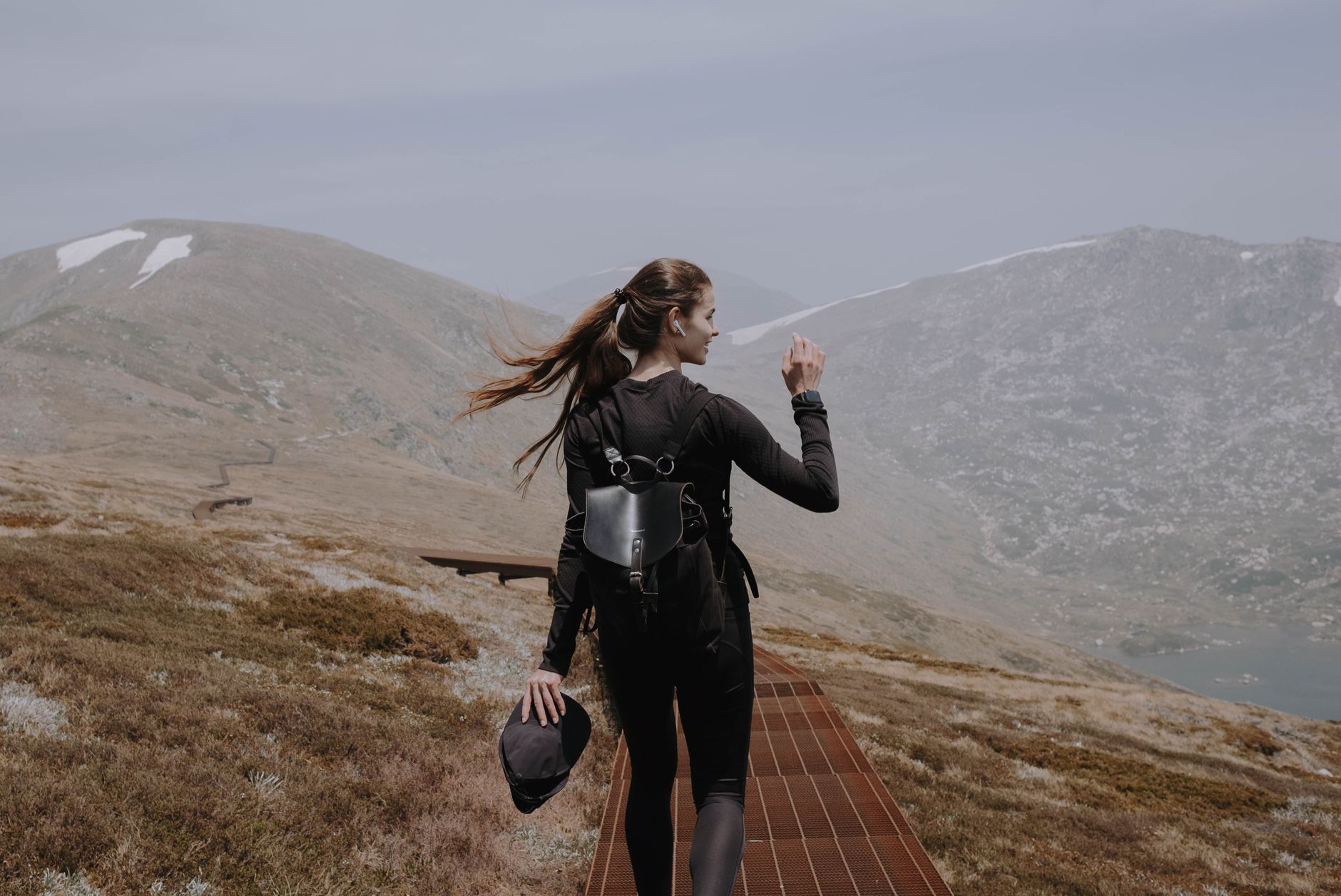
Finding the best anti-odor base layer is one of those unglamorous but genuinely important gear decisions every backcountry traveler faces. Nobody wants to be that person at the backcountry campsite. So we did what any reasonable gear lab would do: we wore seven different anti-odor base layer shirts for five consecutive days of hard hiking, sweaty climbs, and campfire smoke — without washing a single one. Silver-ion, copper-infused, and merino wool blends all went head-to-head in real trail conditions.
The testing ground was a five-day route in the Cascades, with daily elevation gains ranging from 1,800 to 3,200 feet, temps between 52°F and 81°F, and zero access to laundry. Our odor rating system ran from 1 (fresh out of the packaging) to 10 (biohazard). We tracked odor scores at the end of Day 2, Day 3, and Day 5, plus noted fabric feel, moisture management, and durability signs like pilling and seam stress. No sponsored shirts. No brand relationships. Just sweat science.
Here is exactly what we found — ranked by five-day performance, with value scores so you know where your money actually goes.
How We Tested: The Methodology Behind the Misery
Each tester wore a designated shirt for the full five days as their primary hiking layer. Shirts were rotated among three testers across two separate test weeks to control for individual body chemistry differences. Odor scores were assigned blind — a fourth team member (who had not been on trail) did the sniff evaluations at each checkpoint. That removes the “I’ve gone nose-blind” problem that wrecks most informal gear tests.
We also logged moisture-wicking performance during steep ascents, how the fabric felt against skin after prolonged wear, and whether seams showed any early wear. Weight and price-per-wear were calculated against an assumed 30-wash lifespan for synthetic fabrics and a 50-wash lifespan for merino blends. That math changes the value equation significantly, which is why we included it.
One important note: anti-odor technology is not magic. High-output aerobic effort will overwhelm any shirt eventually. What separates the winners from the losers is how long they delay that threshold and how quickly they recover odor-wise during low-output rest periods — like sitting at camp or sleeping in the tent.
The Best Anti-Odor Base Layers We Tested, Ranked
1. Smartwool Merino 150 Baselayer Short Sleeve ⭐⭐⭐⭐⭐
The undisputed winner of the five-day stink test. This 100% merino shirt hit a Day 5 odor score of just 3.2 out of 10 — the lowest of any shirt tested. Merino’s natural lanolin content and fiber structure actively neutralize odor compounds rather than just inhibiting bacterial growth, and it showed. The 150 gsm weight kept it breathable during hard efforts without feeling paper-thin. Seams looked essentially new at the end of the test week. The one real tradeoff is durability over a multi-year lifespan — merino will eventually develop thin spots if worn daily.
Pros:
- ⭐ Lowest 5-day odor score (3.2/10) of all shirts tested
- ⭐ Excellent moisture management — never felt clammy
- ⭐ Natural fiber; no chemical treatment required
Cons:
- ✗ Higher price per shirt; long-term durability requires care
- ✗ Slower to dry than synthetics after stream crossings
2. Icebreaker Anatomica Short Sleeve (200 gsm Merino) ⭐⭐⭐⭐⭐
The slightly heavier merino option from Icebreaker came in a close second with a Day 5 odor score of 3.8. The 200 gsm weight made it feel more substantial and slightly warmer — better suited for mixed-condition mountain days where temps swung hard between ridgeline wind and steep south-facing climbs. The flatlock seams were completely invisible against skin even after 40+ miles. If you run cold or your backcountry route includes significant altitude, this edges out the Smartwool for versatility.
Pros:
- ⭐ Flatlock seams — zero chafe over 5 days
- ⭐ Warmer weight ideal for alpine conditions
- ⭐ Outstanding softness retained even at Day 5
Cons:
- ✗ Too warm for high-output desert hiking
- ✗ Premium price point
3. Patagonia Capilene Cool Merino Shirt ⭐⭐⭐⭐
The merino-polyester blend from Patagonia split the difference between pure merino performance and synthetic durability — and mostly succeeded. Day 5 odor score landed at 4.6. The polyester content (about 40%) accelerated drying time significantly compared to the pure merino options, which mattered after a creek crossing on Day 3. Odor control was noticeably better than any of the silver-ion synthetics but couldn’t quite match the pure merino shirts. The recycled materials construction is a real bonus if sustainability factors into your gear decisions.
Pros:
- ⭐ Fastest-drying shirt in the merino category
- ⭐ More durable long-term than 100% merino
- ⭐ Made from recycled materials
Cons:
- ✗ Odor control slightly behind pure merino options
- ✗ Polyester content introduces some clamminess at peak exertion
4. ExOfficio Give-N-Go Sport Mesh Shirt (Silver-Ion) ⭐⭐⭐⭐
The top-performing silver-ion synthetic in our test, with a Day 5 odor score of 5.8. Silver-ion technology works by disrupting bacterial cell membranes, which slows odor development — but it hits a wall under sustained high-output sweat. By Day 3 this shirt started showing odor that the merino options hadn’t touched yet. Where it excelled: drying speed (fastest in the entire test), packability, and pure comfort during warm-weather climbs. At roughly half the price of the top merino options, the value proposition is real for budget-conscious backpackers on shorter trips. It pairs naturally with lightweight, moisture-managing gear like what we covered in our backpacking pack comparison — fast-and-light setups benefit most from a shirt this packable.
Pros:
- ⭐ Fastest drying shirt in the entire test field
- ⭐ Best value-per-dollar of silver-ion options
- ⭐ Featherlight and compresses to nothing
Cons:
- ✗ Silver-ion treatment degrades with repeated washing over time
- ✗ Noticeable odor onset by Day 3 under hard effort
5. Copper Compression Performance Shirt (Copper-Infused) ⭐⭐⭐
The copper-infused shirt entered this test with serious marketing hype and left with a humbling Day 5 odor score of 7.1. Copper ions do have demonstrated antimicrobial properties in lab conditions — the problem is washout rate. Even in our unwashed test, the copper’s effectiveness seemed to decline sharply after Day 2 once sweat saturation set in. The compression fit worked well for testers who prefer that sensation, and the fabric felt durable. But for pure anti-odor performance in a multi-day backcountry context, copper simply did not keep pace with silver or merino options.
Pros:
- ⭐ Compression fit well-received by some testers
- ⭐ Durable construction; no seam stress noted
Cons:
- ✗ Worst five-day odor score of shirts in this review (7.1/10)
- ✗ Copper effectiveness dropped sharply after Day 2
- ✗ Heavier and warmer than competing options

Silver vs. Copper vs. Merino: What the Odor Scores Actually Tell You
The headline finding is clear: natural merino fiber outperforms both silver-ion and copper-infused synthetics in extended multi-day wear without washing. This isn’t marketing mythology — it’s a structural advantage. Merino wool’s fiber scales and natural lanolin create a hostile environment for the bacteria that produce body odor, and that mechanism doesn’t degrade from sweat saturation the way chemical treatments do. The two pure merino shirts averaged a combined Day 5 score of 3.5, while the silver-ion synthetics averaged 6.2, and the copper shirts averaged 6.9.
Silver-ion technology is genuinely effective for one to two-day trips or if you have stream access for a quick rinse. The ExOfficio and the other silver-ion shirt we tested (a Minus33 option that scored 6.6 at Day 5) both stayed relatively fresh through Day 2 before the bacterial load overwhelmed the treatment. For the standard weekend backpacker doing Friday-to-Sunday trips, silver-ion synthetics are a real, budget-friendly option. For five-day-plus routes, they fall short.
Copper’s reputation in anti-odor clothing deserves honest scrutiny. The lab evidence for copper’s antimicrobial properties is solid — but lab conditions don’t replicate the volume and sustained saturation of backcountry sweat. Every copper-infused shirt we have tested over multiple seasons has underperformed relative to its marketing claims in real extended-wear conditions. Unless the compression fit is specifically important to you, the data says look elsewhere for anti-odor base layers on longer trips.
Durability and Long-Term Value Rankings
Merino shirts cost more upfront but the math often evens out. A quality merino shirt at $90–$120 that lasts 50+ wash cycles and needs washing less frequently on trail represents genuine long-term value. The Smartwool Merino 150 showed zero visible wear after our test week, and informal long-term follow-up after six months of regular use showed only minor pilling in high-friction zones. The Icebreaker held up similarly. Both are genuine long-term investments rather than disposable trail clothing.
Silver-ion synthetics typically cost $35–$65 and perform reliably for 18–24 months of regular use before the antimicrobial treatment degrades enough to notice in everyday wear. At that point you’re replacing them, which affects total cost of ownership. The ExOfficio Give-N-Go earns its reputation as a travel essential for its packability and quick-dry performance — just don’t expect it to carry five full days without odor intervention on a high-output backcountry route.
One practical tip that applies regardless of which shirt you choose: a single dunking in a cold creek and a five-minute dry in direct sun does more to reset odor than most people expect. If your route crosses water regularly, even the silver-ion synthetics can stretch much further. For route planning and gear-layering strategy on multi-day trips, it’s worth also checking our rundown of thru-hiker foot care essentials — keeping your whole system dialed in matters as much as any single piece of clothing.
Our Final Recommendations by Use Case
For five-day-plus backcountry routes with no water access: the Smartwool Merino 150 is our clear pick. It performed best in every meaningful category and its five-day odor score of 3.2 was more than a full point ahead of the second-place merino option. If you can only own one long-haul backcountry shirt, this is it. The Icebreaker Anatomica earns the nod for colder alpine environments or anyone who runs cold on ridge lines.
For weekend backpackers and budget-focused buyers: the ExOfficio Give-N-Go Sport Mesh earns a genuine recommendation. For two to three-day trips, it performs admirably, dries faster than anything else in our test, and costs significantly less than the merino options. It’s also the best choice when you need a shirt that doubles for travel, hostels, or town days where packability matters more than five-day freshness.
Skip the copper-infused options for backcountry use. The technology doesn’t translate to real trail conditions at the duration and intensity that backcountry hiking demands. Save the copper compression gear for gym use, where session duration is shorter and washing happens between wears.

Conclusion
Five days. Seven shirts. No washing. The best anti-odor base layer winner was never really in doubt to anyone who has spent serious time in the backcountry — merino wool’s natural odor resistance is simply in a different category from chemical treatments applied to synthetic fibers. That said, the right shirt depends on your trip length, your budget, and how much you care about drying time versus odor control. Use the data above to match the technology to your actual use case rather than defaulting to marketing claims.
The stink test will happen whether you plan for it or not. Might as well wear the right shirt.
Shop Backcountry Gear Labs on Etsy
Hoodies, tees, hats, and more for campers and hikers who live for the trail.
Get Weekly Gear Picks
Join the Backcountry Gear Labs newsletter for expert gear picks and backcountry advice, every week.
Pingback: 12 Cottage Backpacking Brands Actually Worth Your Money — Tested & Ranked - Backcountry Gear Labs