
The best backpacking packs market has never been more crowded, and that’s a good problem to have — if you know how to cut through the noise. At Backcountry Gear Labs, we spent three months testing five 45–65L packs across desert canyon systems, high alpine terrain, and rainy Pacific Northwest backcountry to deliver a verdict that actually means something. The question driving this whole project: have YETI, Cotopaxi, and Gregory earned their place against the entrenched heavyweights Osprey and Deuter?
Each pack was loaded to real-world weight (32–38 lbs), worn across a minimum of 40 trail miles, and scored blind by two testers on four criteria: weight, durability, organization, and value. We logged hot spots, failed zippers, frame flex under load, and hip-belt comfort on exposed terrain. No sponsored gear. No soft scores. Here’s what we found.
Before we dive in, a note on scope: this test covered packs in the 45–65L range — the sweet spot for 3–7 night trips where you need real capacity without committing to an expedition-sized coffin on your back. If your pack lives outside that window, some of these comparisons won’t apply directly, but the evaluation framework will.
How We Scored: The 4-Category Testing Framework
Each pack received a score from 1–10 in four categories. Weight was measured on a calibrated postal scale; we didn’t trust listed specs alone, because we’ve been burned before (looking at you, “listed weight without frame sheet”). Durability was assessed through abrasion testing, zipper cycling, and load stress — plus a deliberate drag-over-granite test for every pack’s base panel. Organization was evaluated based on pocket count, pocket usability, and whether the layout actually matched how a real person packs for a multi-night trip.
Value scoring factored in MSRP against total score. A pack that nails durability but costs $450 still has to justify that gap against a $220 competitor that scores 80% as well overall. We’ve seen too many gear guides skip this math. We didn’t. The final composite score out of 40 determined our ranking below.
One consistent methodology note: we tested each pack with the same cuben-fiber stuffsack cook kit loaded into the top lid — if you’re building out a full backcountry kitchen to pair with your pack, our Ultralight Camp Kitchen guide is a solid starting point for keeping that category honest.

The Best Backpacking Packs of 2026: Full Head-to-Head Results
The rankings surprised us. Osprey, predictably, remained the pack to beat in overall composite performance. But Cotopaxi closed the gap faster than we expected, and Gregory put in a strong showing that the brand’s recent redesign work made possible. YETI, on the other hand, entered the pack category with serious brand equity but delivered a product that feels more aspirational than trail-tested. Deuter quietly held its ground as the most underrated pick in the group.
Here’s the detail breakdown by pack, ordered by composite score.
1. Osprey Aether 65 — Composite Score: 36/40
The Aether 65 has been a benchmark pack for years, and it earned that reputation again in this test cycle. The AG (Anti-Gravity) suspension system continued to impress on heavy loads over uneven terrain, and the LightWire peripheral frame transferred load to the hip belt efficiently even when we stuffed it to the lid. Organization is excellent: the sleeping bag compartment divider is removable, the front panel access zipper opens wide enough to be genuinely useful, and the stow-on-the-go trekking pole attachment didn’t fail once across 40+ miles. Fabric durability on the base panel showed only light scuffing after the granite drag test.
Pros:
- ✅ Best-in-test suspension system under heavy load
- ✅ Excellent hip-belt comfort with substantial padding
- ✅ Smart, intuitive organization layout
Cons:
- ❌ Heaviest pack in the test at 4 lbs 11 oz
- ❌ Premium MSRP leaves less room for other gear budget
2. Gregory Baltoro 65 — Composite Score: 34/40
Gregory’s Baltoro has been refined into something genuinely special. The Response AFS hip belt auto-cant system — which pivots the hip wings to match your gait — is the single most noticeable comfort feature in this entire test, especially over boulder fields where your pelvis is rotating constantly. The pack scored second-highest in durability thanks to its 210D nylon shadow-checked main body fabric and beefy YKK zippers throughout. Organization is strong, with a dedicated front shove-it pocket large enough for a puffy jacket, and a well-positioned water bottle pocket that doesn’t require you to dislocate your shoulder to access.
Pros:
- ✅ Auto-cant hip belt is genuinely trail-changing
- ✅ Strong durability across all fabric panels
- ✅ Excellent water bottle accessibility
Cons:
- ❌ Also on the heavier end at 4 lbs 9 oz
- ❌ Top lid is not removable for summit pushes
3. Deuter Aircontact Core 50+10 — Composite Score: 32/40
Deuter’s Aircontact Core earned the highest value score of the test and quietly placed third overall. The VariFlex hip belt system impressed with its wide range of motion, and the Aircontact back system — a tensioned mesh design that channels airflow — was second only to Osprey’s Anti-Gravity in ventilation. At 4 lbs 4 oz, it’s not a lightweight, but for a fully-featured pack at its price point, the math is hard to argue with. Organization is functional without being lavish: there’s a tool loop in the lid, a fleece-lined valuables pocket, and dual side pockets that stretch wide. The expandable lower collar (the “+10” in the name) proved useful on longer trips when we needed extra space for wet gear.
Pros:
- ✅ Best value score in the test
- ✅ Excellent back ventilation for warm-weather hiking
- ✅ Expandable collar adds genuine flexibility
Cons:
- ❌ Hip belt pockets are smaller than competitors
- ❌ Load lifter straps could use more adjustment range
4. Cotopaxi Tarak 26L / Allpa 50L — Composite Score: 29/40
Cotopaxi enters this category with a genuinely different product philosophy, and credit where it’s due: the Allpa 50L is built with serious sustainability credentials (Global Recycled Standard certified materials) and a clamshell opening that makes packing a legitimate pleasure. Our testers loved the hip-belt organization — six total pockets between the belt and harness — and the ripstop nylon base held up better than expected against the granite drag. Where Cotopaxi stumbled was suspension performance under real backcountry loads. Above 30 lbs, the frame sheet flexed noticeably and hip-belt load transfer became inconsistent on steep descents. It’s a strong pack for weekend trips and travel; it’s not yet ready to compete with Osprey and Gregory on a 7-night alpine route.
Pros:
- ✅ Best sustainability story in the test
- ✅ Clamshell opening is genuinely useful for trip organization
- ✅ Impressive hip-belt pocket count
Cons:
- ❌ Frame flex under heavy loads hurts comfort on technical terrain
- ❌ Shoulder strap padding compressed quickly during multi-day use
5. YETI Crossroads 60 — Composite Score: 24/40
YETI’s cooler-and-drinkware credibility is real. Their pack credibility is not there yet. The Crossroads 60 is a well-built bag in terms of materials — the fabric quality is excellent and the zippers are bombproof — but the suspension system feels like an afterthought. The hip belt doesn’t transfer load the way any competitor at this price point does, and the absence of a proper frame sheet means that above 25 lbs the pack behaves more like a heavy travel bag than a backpacking pack. Organization is solid for a travel or gym-to-trail crossover pack, but dedicated backpackers will find the internal layout frustrating on trips longer than a night or two. At its MSRP, YETI is asking you to pay for the name. Trail performance doesn’t back that up.
Pros:
- ✅ Premium fabric and zipper construction
- ✅ Excellent crossover appeal for travel and trail
Cons:
- ❌ Weakest load transfer in the test — not suitable for heavy backcountry use
- ❌ Overpriced relative to backcountry performance delivered
- ❌ No proper frame sheet for true backpacking loads

Weight vs. Comfort: Where Most Pack Buyers Go Wrong
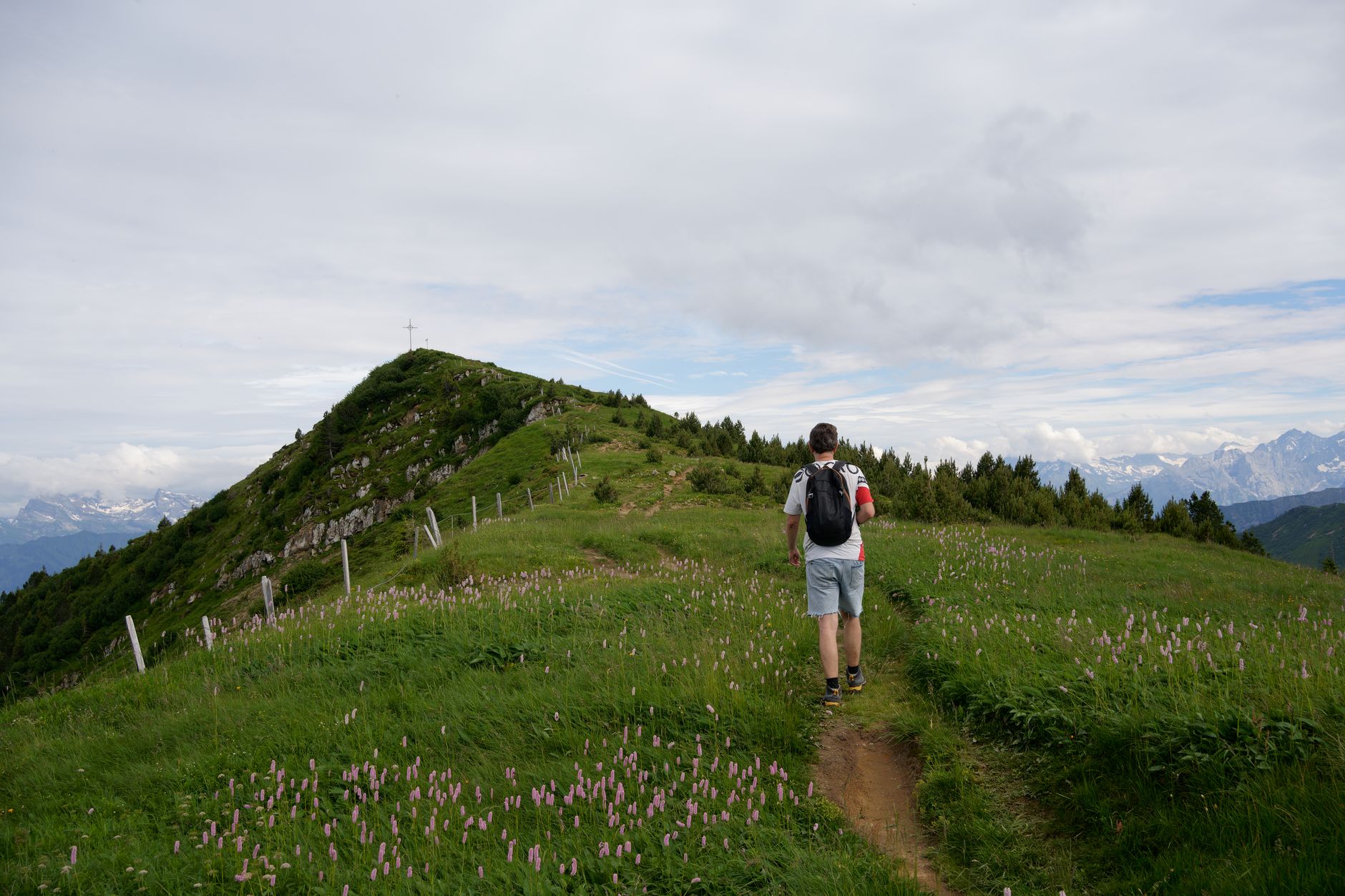
The most common mistake we see in pack buying decisions is optimizing for scale weight instead of carried weight. A 3 lb 8 oz frameless ultralight pack that transfers 0% of your load to your hips will feel heavier at mile 12 than a 4 lb 8 oz pack with a proper suspension system. In this test, the Osprey Aether was the heaviest pack on a scale and the least fatiguing pack to wear. That’s not a coincidence — it’s physics. The AG suspension system offloads so much weight to the hip belt that your shoulders genuinely rest during flat sections.
If you’re moving toward lighter-weight backpacking and want to reduce pack weight meaningfully, the better lever to pull is what goes inside the pack, not the pack itself. Trimming your sleep system, shelter, and cook kit will save you far more grams than downgrading your suspension. Our guidance: don’t go frameless until your base weight (without food and water) is consistently under 12 lbs. Until then, carry the suspension.
Organization That Actually Works on the Trail
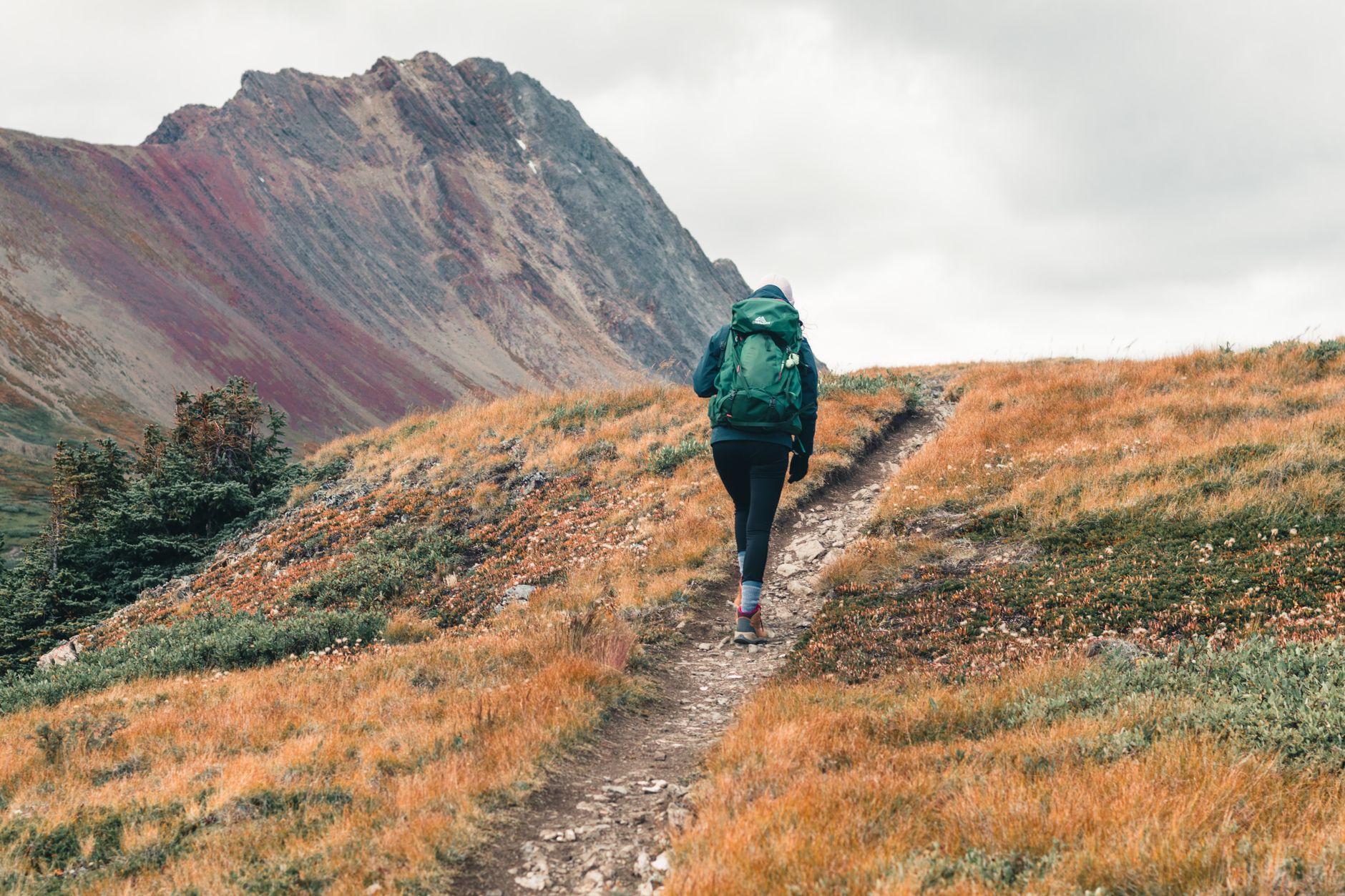
Pocket count is a vanity metric. What matters is whether you can access what you need without taking your pack off, and whether the layout matches how you actually use gear across a multi-day trip. In this test, Osprey and Gregory both nailed this. The Gregory Baltoro’s front stretch pocket was the single most-used feature across all testers — it ate a puffy jacket, a rain shell, and a wet buff simultaneously without complaint. YETI’s pocket layout, by contrast, made sense in a showroom and fell apart in practice.
Hip-belt pockets deserve special mention. All five packs offered them, but only Osprey and Cotopaxi had hip-belt pockets large enough to hold a modern smartphone in a case. For navigation, snack access, and trail safety, that matters. If you’re relying on your phone for GPS in the backcountry, that hip-belt pocket access is more than a convenience — check out our guide on phone GPS vs. dedicated GPS devices to understand when your phone is (and isn’t) the right tool.
Final Verdict: Do the Newcomers Deserve the Hype?
Short answer: Cotopaxi yes, with caveats. YETI no, not yet. Gregory absolutely — but Gregory isn’t a newcomer, it’s just had a quiet few years. If you’re a backpacker doing serious multi-day trips in technical terrain with loads above 30 lbs, Osprey and Gregory are still the benchmarks, with Deuter as the underrated value pick that should be on more shortlists. If you’re a weekend backpacker who values sustainability, travel versatility, and organizational convenience, Cotopaxi’s Allpa is worth a hard look at its price point.
YETI will get there. The brand has the resources and the manufacturing relationships to build a world-class pack. This generation isn’t it. Buy the Crossroads if you love the brand and want a do-everything bag for car camping and light trail use. Don’t buy it as your primary backcountry pack at this stage of the product’s development.
The best backpacking packs in this test class — that is, packs that genuinely perform across weight, durability, organization, and value — remain Osprey and Gregory at the top, Deuter as the sleeper pick, and Cotopaxi as the brand to watch over the next two product cycles. That’s our honest read after 40+ miles and three months of field time.
Shop Backcountry Gear Labs on Etsy
Hoodies, tees, hats, and more for campers and hikers who live for the trail.
Get Weekly Gear Picks
Join the Backcountry Gear Labs newsletter for expert gear picks and backcountry advice, every week.
Pingback: Best Anti-Odor Base Layers Tested: 7 Shirts Worn 5 Days Without Washing - Backcountry Gear Labs