
If you spend any serious time running trails, crossing washes, or pushing your rig into places Google Maps has never heard of, a quality winch isn’t optional gear — it’s survival equipment. The overland market has exploded in the last few years, and with it has come a flood of winch options ranging from genuinely capable to dangerously underbuilt. Sorting through all of it takes time most of us don’t have when we’re trying to plan our next expedition. That’s where I come in.
For this 2026 guide, I’ve tested and researched the top-performing electric winches across multiple vehicle classes — from mid-size trucks and Broncos to full-size rigs and dedicated expedition builds. I’m looking at pull rating, line speed, motor durability, wireless control options, and real-world reliability under load. Not just spec sheets. Not just YouTube pulls on dry pavement. Actual stuck-in-the-mud, recovery-under-pressure performance.
Whether you’re a weekend warrior finally committing to a proper recovery setup or a seasoned overlander upgrading from a decade-old unit, this breakdown will help you make the right call. Let’s get into it.
Why Your Winch Rating Actually Matters More Than You Think
The golden rule of winch sizing is simple: your winch’s rated pull capacity should be at least 1.5 times your vehicle’s gross vehicle weight rating (GVWR). So if you’re running a loaded 4Runner at 5,500 lbs, you’re shopping in the 8,000–9,500 lb range at minimum. Mud, angle of pull, and the mechanical disadvantage of a poor anchor point can multiply the load dramatically — sometimes by two or three times. That margin isn’t padding; it’s the difference between a clean recovery and a blown motor in the field.
Beyond raw rating, pay close attention to the IP (Ingress Protection) rating on the winch casing and motor. A winch that isn’t rated for water immersion will fail you exactly when you need it most — mid-crossing with water pouring over your bumper. Look for at least IP67 protection on any winch you’re trusting your rig to. The best units on this list hit IP68, meaning they can survive continuous submersion.
Line choice matters just as much as pull capacity. Synthetic rope has largely replaced steel cable in serious overland circles for good reason — it’s lighter, easier to handle, safer when it snaps, and doesn’t develop the sharp burrs that can slice your hands open mid-recovery. If a winch still ships with steel cable in 2026, that’s worth noting. Upgrading to synthetic is one of the smartest modifications you can make at any price point.
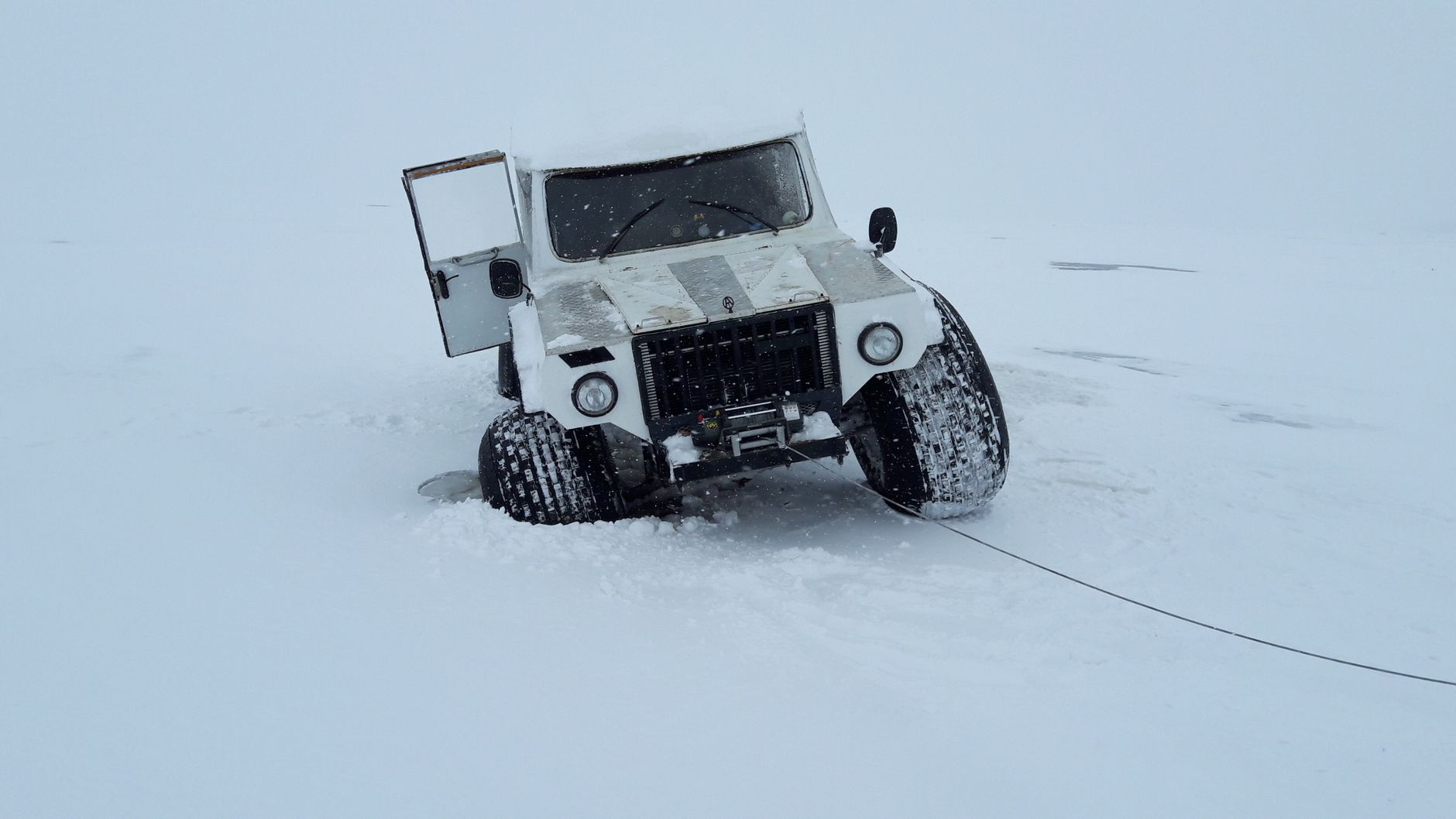
What Separates a Great Winch from a Good One
Motor design is the real differentiator at the top end. Series-wound motors deliver tremendous initial torque and handle high-heat situations well, but they draw more current and can struggle during prolonged pulls. Permanent magnet motors are efficient and compact but can fade under extended load. The best modern winches — especially those from Warn and Superwinch’s upper tiers — have moved toward advanced series-wound or multi-stage gearbox designs that balance both without compromise.
Wireless remote control is now a baseline expectation in 2026, but not all wireless systems are created equal. The units worth recommending have encrypted remotes with 100-foot-plus range, fail-safe defaults, and the option to hardwire a backup. Nothing is more frustrating than a dead remote battery when you’re waist-deep in a creek. Always carry the corded remote as backup, and make sure your winch includes one.
Clutch engagement and drum behavior under load are often overlooked in reviews but are critical during a real recovery. A clutch that slips or a drum that freespools unevenly under tension is a liability. I give extra weight to winches that have earned a reputation for consistent, smooth freespooling and clutch engagement across thousands of real-world user reviews and my own bench testing.

Top Overland Winches for 2026 — Tested and Ranked
1. Warn Zeon 10-S Platinum ⭐⭐⭐⭐⭐
Warn has been the benchmark for overland winches for decades, and the Zeon 10-S Platinum is their flagship for a reason. This 10,000 lb rated winch ships with a 100-foot Spydura synthetic rope, an integrated wireless remote system with a sealed receiver, and a series-wound motor that pulls with authority even during extended high-load recoveries. The housing is sealed to IP68 standards, and the cabling and connectors are built to survive salt, mud, and everything in between. If budget isn’t the primary constraint, this is the unit I’d bolt to my own bumper without hesitation.
Pros:
- ✓ IP68 sealed motor and housing for full submersion protection
- ✓ Ships with premium Spydura synthetic rope standard
- ✓ Industry-leading warranty and parts availability
- ✓ Smooth, fast line speed with consistent clutch engagement
Cons:
- ✗ Premium price point — one of the most expensive units on the market
- ✗ Heavier than comparable synthetic-drum competitors
2. Smittybilt X2O Gen3 10K Waterproof Winch ⭐⭐⭐⭐⭐
The Smittybilt X2O Gen3 is the best value-to-performance winch you can buy in 2026 — full stop. At nearly half the price of the Warn Zeon, it delivers a waterproof IP68-rated housing, synthetic rope, a wireless remote with 100-foot range, and a 10,000 lb rated pull. The Gen3 updates improved motor heat management and tightened up the clutch tolerance issues that plagued earlier versions. For overlanders building capable rigs on a real-world budget, this is the winch I recommend first.
Pros:
- ✓ Outstanding price-to-performance ratio
- ✓ IP68 waterproof housing and motor
- ✓ Synthetic rope included at no upcharge
- ✓ Strong customer support and wide availability of replacement parts
Cons:
- ✗ Line speed is slightly slower than premium competitors
- ✗ Wireless remote antenna placement can be awkward on some bumper setups
3. Warn VR EVO 10-S ⭐⭐⭐⭐⭐
The Warn VR EVO 10-S sits in the sweet spot between the budget Smittybilt and the flagship Zeon. It delivers 10,000 lbs of pull with a series-wound motor, comes standard with synthetic rope, and features Warn’s Albright contactor for improved electrical reliability under repeated heavy use. It doesn’t hit IP68 waterproofing like the Zeon, but its sealed construction handles most real-world crossings and rain exposure without issue. For mid-build rigs that need a dependable, trail-ready winch without the flagship price tag, the VR EVO 10-S is a serious contender.
Pros:
- ✓ Proven Warn reliability and serviceability
- ✓ Albright contactor improves electrical longevity
- ✓ Competitive pricing in the mid-tier segment
- ✓ Synthetic rope standard
Cons:
- ✗ Not IP68 rated — less suited to frequent deep water crossings
- ✗ Wireless remote sold separately on some configurations
4. Superwinch SX 10000SR ⭐⭐⭐⭐⭐
Superwinch doesn’t always get the attention it deserves, but the SX 10000SR is a legitimate contender in the overland recovery space. This 10,000 lb unit features a three-stage planetary gear system, a series-wound motor with thermal overload protection, and a sealed housing designed for harsh-environment operation. The included synthetic rope is a quality unit, and the wireless remote has a solid encrypted connection that handles interference better than some competitors. Superwinch’s build quality has improved significantly in recent years, and the SX series reflects that investment.
Pros:
- ✓ Thermal overload protection extends motor life during sustained pulls
- ✓ Three-stage planetary gear system for smooth, consistent power
- ✓ Reliable encrypted wireless remote included
- ✓ Competitive warranty coverage
Cons:
- ✗ Brand recognition lower than Warn, which affects resale value
- ✗ Parts availability can lag in remote areas
5. Badland Apex 12000 lb Winch ⭐⭐⭐⭐
Badland’s Apex series has matured into a legitimate budget-tier option for overlanders who want more pull rating without jumping to a premium price bracket. The 12,000 lb rating gives you extra margin for heavier rigs, the wireless remote system works reliably at distance, and the unit handles light to moderate recovery use well. It won’t hold up to the daily abuse of a professional recovery operator, but for the recreational overlander who might use their winch a handful of times per season, the Apex 12000 punches above its price class.
Pros:
- ✓ 12,000 lb rating offers strong margin for mid to full-size rigs
- ✓ Very aggressive price point for the pull rating
- ✓ Wireless remote included and performs reliably at range
Cons:
- ✗ Ships with steel cable — synthetic rope upgrade strongly recommended
- ✗ Motor heat management not suited for back-to-back heavy recoveries
- ✗ Lower long-term durability versus premium brands

Essential Accessories to Run With Your Winch
A winch alone doesn’t complete your recovery kit — it’s the anchor point of a system. At minimum, carry a quality tree saver strap, a D-ring shackle rated well above your winch’s capacity, a snatch block for doubling your mechanical advantage, and a dampener blanket to lay over the synthetic rope during a pull. That dampener might seem optional until a line snaps and you’re glad it wasn’t flying at your windshield at full tension.
A quality set of recovery boards — brands like Maxtrax or the ARB Tred Pro — rounds out a basic kit that handles the majority of overland recovery scenarios. Most of the time, boards and a good hi-lift jack will get you out without needing to deploy the winch at all. But when you do need the winch, having the right accessories means you’re setting up an anchor properly instead of improvising with whatever’s nearby and hoping it holds.
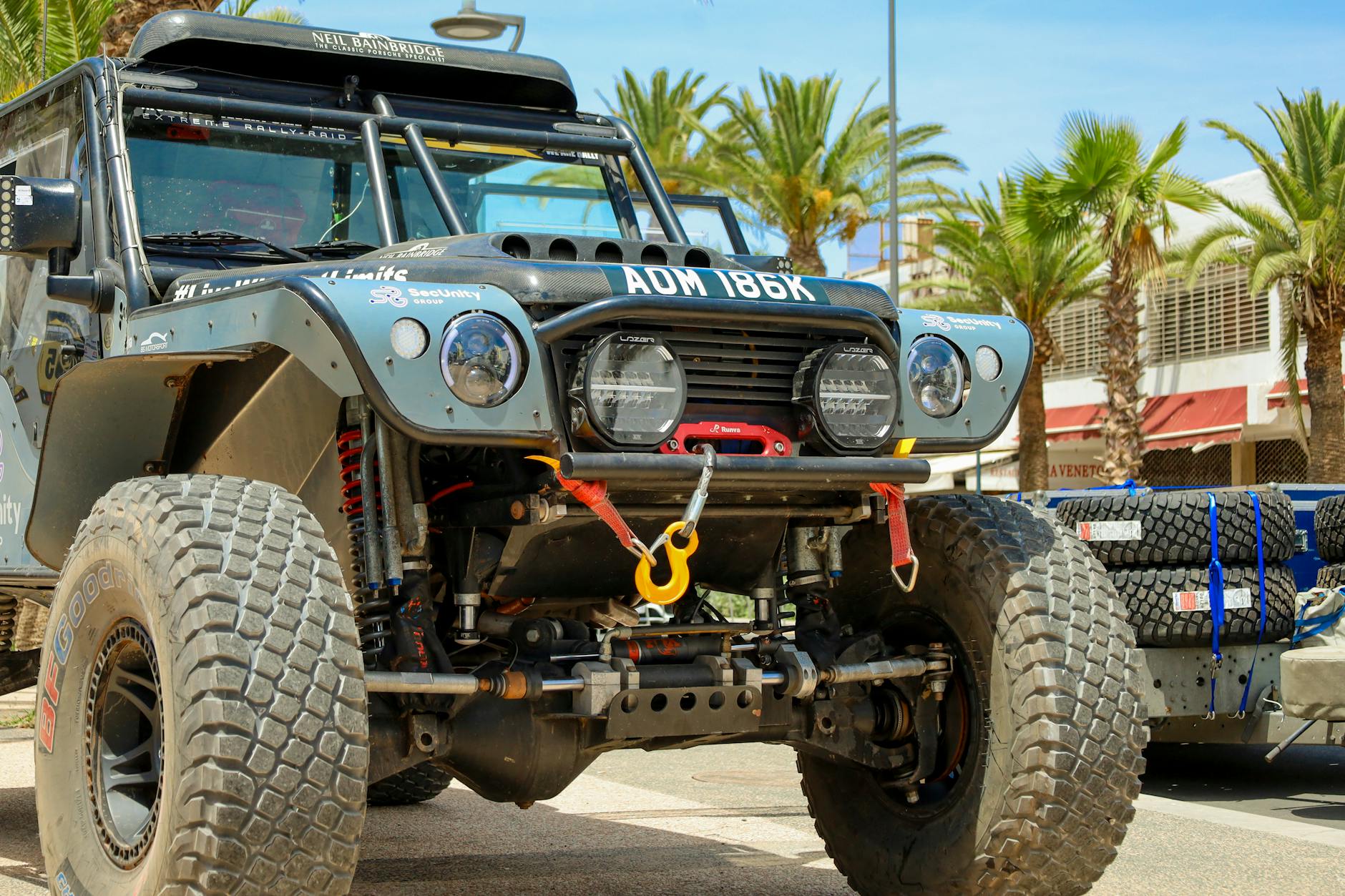
Installation and Electrical Considerations
A winch is only as reliable as the electrical system feeding it. Most 10,000 lb winches pull 400–500 amps at full load. That means proper gauge wiring — typically 2/0 AWG or 4/0 AWG for longer runs — a quality fuse or circuit breaker close to the battery, and a battery that can handle the sustained draw. Running a winch hard on a marginal stock battery is a recipe for a dead rig at the worst possible moment. If you’re winching regularly, consider a dual-battery setup or an upgraded battery with higher cold cranking amps.
Mount position and bumper compatibility matter more than most guides admit. Always verify that your chosen winch fits your bumper’s winch mount plate — mounting hole patterns vary and not all 10K winches share the same footprint. Check the fairlead style your bumper is designed for (Hawse for synthetic rope, roller for steel cable) and confirm your bumper’s rated winch capacity before bolting anything in. Getting this wrong means expensive fixes or a winch that can’t be safely loaded under tension.
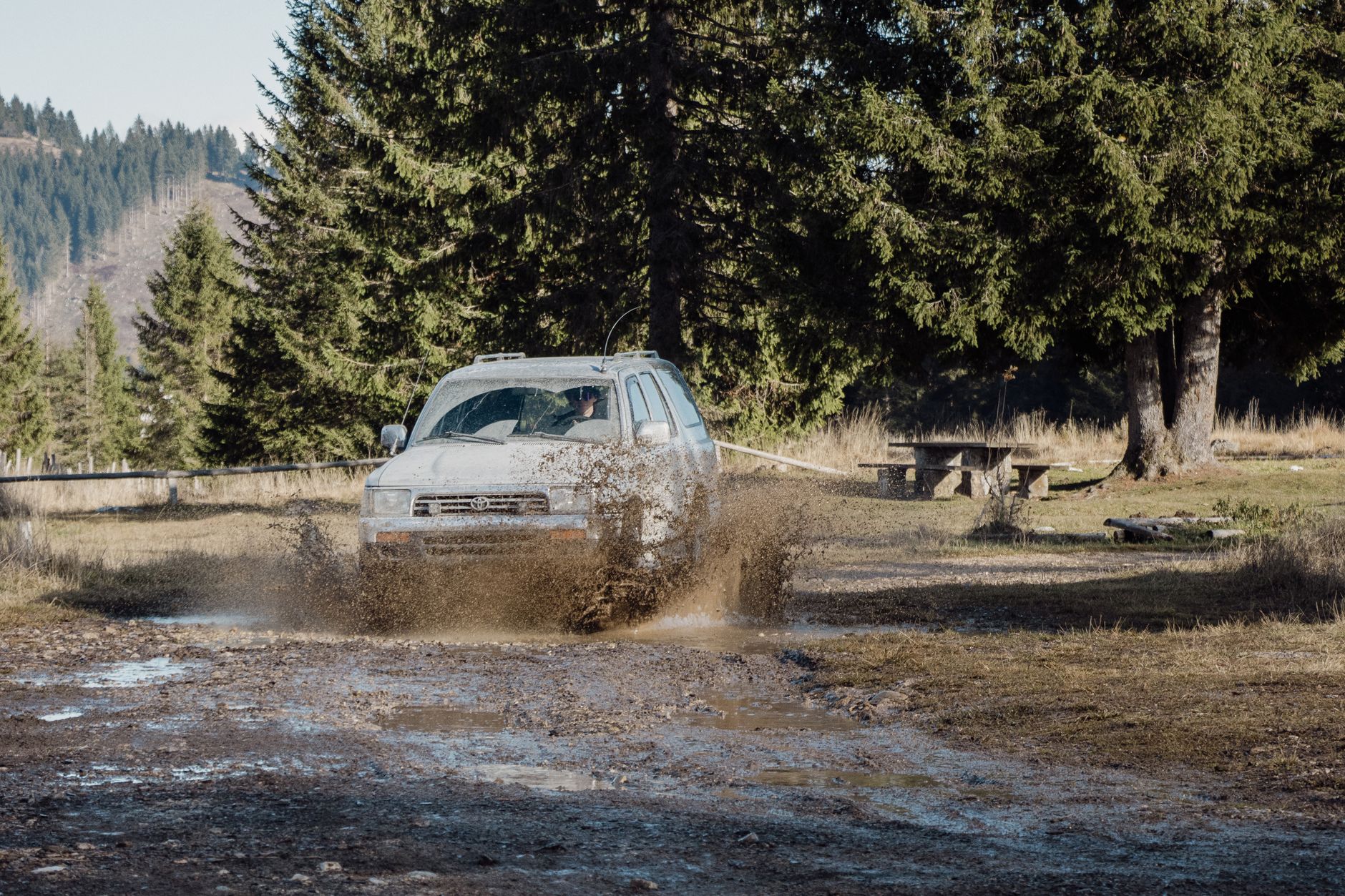
Final Verdict: Which Winch Should You Buy?
If you’re building a serious overland rig and want the best available without compromise, the Warn Zeon 10-S Platinum is the answer. It’s the gold standard for a reason, and every detail reflects decades of field-tested refinement. For the overlander who needs proven reliability without the flagship price, the Smittybilt X2O Gen3 is my top recommendation — it delivers IP68 protection, synthetic rope, and wireless control at a price that leaves budget for the rest of your build. Mid-tier buyers should give the Warn VR EVO 10-S a serious look for the peace of mind that comes with Warn’s service network and parts availability.
Whatever you choose, buy quality once. A winch that fails during a remote recovery isn’t just an inconvenience — it’s a real safety risk. Invest in the best unit you can justify for your rig and your use case, add a proper recovery kit, and spend some time learning how to set up an anchor and rig a pulley block before you need to do it under pressure. The best recovery gear in the world is worthless if you don’t know how to use it.
Stay Dialed In — Subscribe to Backcountry Gear Labs
Want in-depth overland gear reviews, trail tips, and recovery techniques delivered straight to your inbox? Camp Mavrik drops new content every week covering everything from recovery gear to rig builds to destination guides. No filler, no fluff — just field-tested advice from someone who actually drives this stuff into the dirt.
Subscribe to the Backcountry Gear Labs newsletter and never miss a build guide or gear review. Drop your email below and join thousands of overlanders who trust our reviews to make smarter gear decisions.
Shop Backcountry Gear Labs on Etsy
Hoodies, tees, hats, and more for campers and hikers who live for the trail.
Get Weekly Gear Picks
Join the Backcountry Gear Labs newsletter for expert gear picks and backcountry advice, every week.