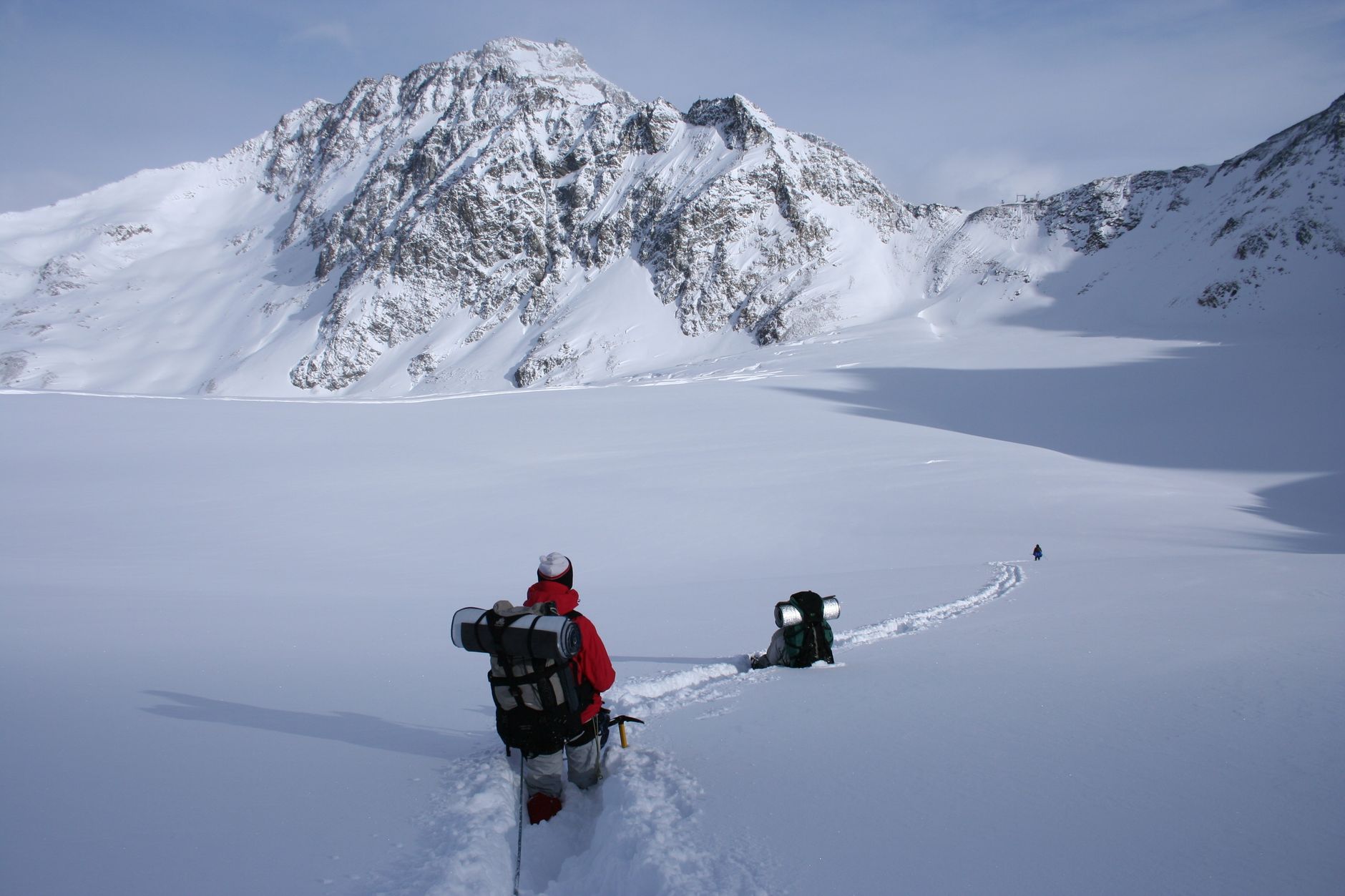
Emergency bivy shelter is one of those pieces of gear most day climbers never think about — until they’re huddled on a ledge at 11,000 feet watching the weather close in. That’s exactly the situation a group of climbers found themselves in after getting stranded near Pingora Peak in Wyoming’s Cirque of the Towers, one of the Wind River Range’s most striking and unforgiving arenas. A technical route that pushed beyond their expected timeframe, combined with fast-moving weather, turned a day climb into an unplanned overnight survival situation. Search and rescue teams responded the following morning, but the climbers spent a dangerous night exposed to alpine conditions with minimal gear.
This article breaks down what went wrong from a gear standpoint, identifies the specific equipment gaps that made their night miserable and potentially life-threatening, and reviews the best emergency bivy options currently on the market — ranging from ultralight insurance policies that weigh a few ounces to packable shelters capable of genuine overnight protection. Whether you’re tagging Wind River summits, scrambling Colorado 14ers, or running long alpine ridges, this is the gear analysis that could change how you pack.
If you want to understand the broader alpine day climb gear gaps that keep triggering rescues across the West, our Alpine Day Climb Checklist covering 15 gear lessons from the Mt. Shasta AI rescue is essential reading alongside this one.
What Happened on Pingora Peak — and Where the Gear Plan Failed
Pingora Peak sits at the heart of the Cirque of the Towers in the Popo Agie Wilderness, accessed via a multi-mile approach that immediately commits climbers to the backcountry. The technical routes on Pingora’s walls are legitimate alpine objectives — not casual scrambles. When a climbing party underestimates route time or encounters unexpected difficulty (wet rock, route-finding errors, gear issues), retreat options narrow fast. That’s the scenario that plays out in Wind River rescues repeatedly: climbers arrive at the trailhead expecting a day objective and end up spending an unplanned night without shelter, insulation, or adequate food and water.
The specific gear gaps in most of these situations follow a predictable pattern. Day climbers strip weight by leaving out sleeping bags and shelter, which makes sense on paper but creates catastrophic risk when the plan breaks down. At Pingora’s elevation, overnight temperatures can drop well below freezing even in summer, and the Cirque is notorious for afternoon thunderstorms that push in fast from the west. Without any form of windbreak or thermal protection, hypothermia risk becomes serious within a few hours of darkness, especially if climbers are wet from exertion or precipitation.
The fix is not to start hauling a four-season tent on every day climb. It’s to carry a genuine emergency bivy shelter — a category of gear that has evolved dramatically in recent years and now offers serious protection at weights that have no excuse for being left home.
The Best Emergency Bivy Shelter Options for Unplanned Backcountry Overnights
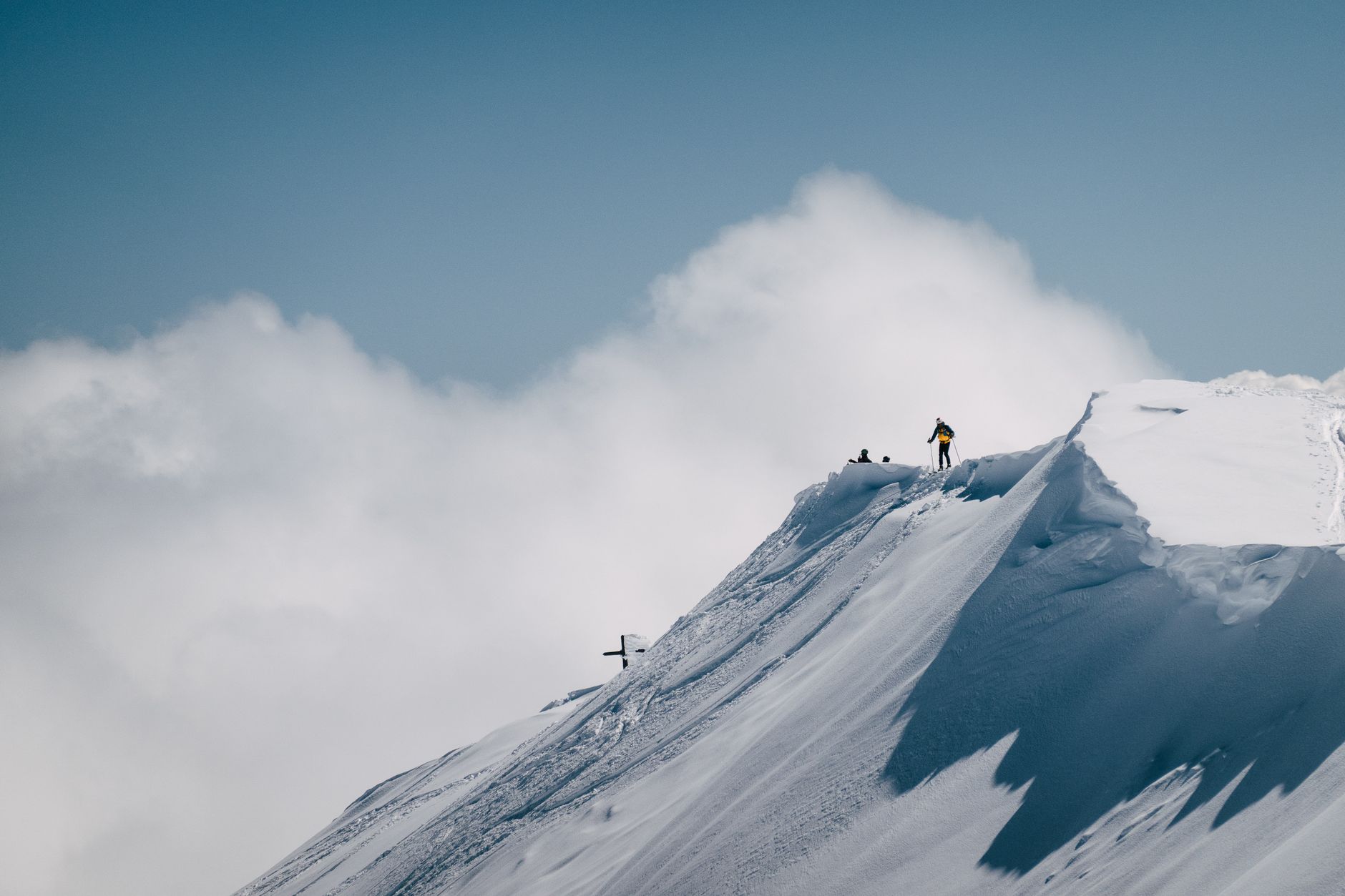
The emergency bivy shelter market breaks into three functional tiers: pure reflective emergency bags (the mylar “space blanket” category), upgraded bivy sacks with breathable or reinforced materials, and compact ultralight shelters that bridge the gap between emergency gear and minimalist backpacking. Each tier represents a different weight-to-protection tradeoff, and the right pick depends on your objective and risk tolerance. For technical alpine climbing, we’d argue anything below the mid-range tier is accepting unnecessary risk.
One critical note before the reviews: none of these products replace proper trip planning, communication devices, or the decision-making to turn around before conditions deteriorate. A satellite messenger — and our in-depth satellite messenger showdown testing Garmin inReach Mini 2, Zoleo, and SPOT Gen4 is the definitive guide on that topic — is the other non-negotiable piece of kit any alpine climber should carry. These bivies keep you alive until rescue arrives. The messenger is what gets rescue moving.
1. SOL Escape Lite Bivy (Adventure Medical Kits) ⭐⭐⭐⭐⭐
Price range: $25-35 | Budget pick
The SOL Escape Lite is the minimum viable emergency bivy shelter that every alpine day climber should have stuffed into their pack. It’s a step up from basic mylar bags — the outer layer reflects 70% of body heat while the interior uses a breathable film that dramatically reduces condensation buildup, a critical comfort and safety factor if you’re inside it for hours rather than minutes. At roughly 3.8 ounces and compressing to the size of a fist, there is genuinely no weight argument against carrying this on any objective above treeline.
Built to last: Constructed from a laminated aluminized polyethylene film bonded to a breathable vapor-permeable layer — far more tear-resistant than single-layer mylar emergency blankets, though it is still a single-use or limited-use product rather than a durable shelter.
Pros:
- ✓ Ultralight at under 4 oz — no excuse not to carry it
- ✓ Breathable interior reduces condensation misery
- ✓ Reflective exterior aids search and rescue visibility
Cons:
- ✗ Limited durability — not designed for repeated overnight use
- ✗ No insulation value on its own; relies entirely on heat reflection
2. Outdoor Research Helium Bivy (Outdoor Research) ⭐⭐⭐⭐⭐
Price range: $130-160 | Mid-range pick
For climbers who want emergency bivy shelter that can genuinely handle a full unplanned alpine overnight — not just keep them technically alive — the Outdoor Research Helium Bivy is the benchmark product. It’s a fully waterproof breathable bivy sack built from Pertex Shield fabric, with a no-see-um mesh head area and enough room to accommodate a sleeping bag or a fully layered climber. If the Pingora party had been carrying these, their night on the wall would have been uncomfortable but far less dangerous. This is the product that shifts “survival situation” into “miserable but manageable.”
Built to last: Pertex Shield 2.5-layer fabric delivers genuine 20,000mm waterproof rating with 10,000 g/m²/24hr breathability; seams are fully taped, and the zipper is a quality YKK waterproof-coil design that holds up to repeated alpine use.
Pros:
- ✓ Fully waterproof with seam-taped construction
- ✓ Breathable enough for extended wear without soaking out from inside
- ✓ Functional as a bivy system, not just an emergency wrapper
Cons:
- ✗ Heavier than pure emergency options at around 10-12 oz
- ✗ Price is a significant step up from budget options
3. Rab Superlite Bivy (Rab) ⭐⭐⭐⭐⭐
Price range: $60-85 | Mid-range pick
The Rab Superlite Bivy hits a practical sweet spot for technical alpine climbers who want real weather protection without the weight penalty of a full bivy sack system. It uses Pertex Quantum fabric on the bottom for abrasion resistance against rock and dirt, and a breathable top layer to manage moisture. The hood cinch system is genuinely functional in wind, which matters enormously in exposed Cirque of the Towers terrain where wind is constant. This is the pack-and-forget emergency bivy for the minimalist alpine rack.
Built to last: Pertex Quantum ripstop nylon base layer resists abrasion on rock surfaces; the breathable top film is bonded rather than laminated, which keeps weight down while providing adequate moisture management for emergency-duration use.
Pros:
- ✓ Abrasion-resistant base suitable for rocky alpine terrain
- ✓ Functional hood cinch manages wind exposure
- ✓ Sits between pure emergency and full bivy sack in weight and cost
Cons:
- ✗ Not fully waterproof — performs best combined with other layers
4. Black Diamond Bipod Shelter (Black Diamond) ⭐⭐⭐⭐⭐
Price range: $180-220 | Premium pick
For teams of two — which describes most roped climbing parties — the Black Diamond Bipod Shelter offers emergency bivy shelter capability that approaches a legitimate minimalist tent. Using trekking poles or ice axes as supports, it pitches into a low-profile A-frame that protects two climbers from wind, precipitation, and heat loss simultaneously. For Pingora-style objectives where you’re committing a rope team to a technical route, the Bipod’s per-person weight when shared makes a compelling case against the single-person options above.
Built to last: Ripstop nylon canopy with silicone coating and taped seams; the pole-compatible sleeve system uses reinforced webbing anchor points that hold in sustained alpine wind loads — construction targets real alpine use, not just camping.
Pros:
- ✓ Shelters two climbers — critical for roped teams
- ✓ Standing headroom and interior space dramatically reduces overnight misery
- ✓ Uses existing gear (trekking poles/ice axe) for pitching
Cons:
- ✗ Requires poles or axe to pitch — limited on a blank ledge
- ✗ Heavier than solo bivy options, even when split between two
5. Hyperlite Mountain Gear Ultamid 2 Flat (Hyperlite Mountain Gear) ⭐⭐⭐⭐⭐
Price range: $500-600 | Premium pick
This is the option for alpinists who run technical objectives regularly and want emergency shelter capability that doesn’t compromise at all on performance or longevity. The HMG Ultamid 2 Flat is a single-wall pyramid shelter built from Dyneema Composite Fabric — the same material that dominates ultralight backpacking — offering wind and precipitation protection that shames products three times its weight. It pitches with a single trekking pole and covers two climbers with legitimate floor space. This is not a panic purchase; it’s a commitment to building the right kit from the ground up.
Built to last: Dyneema Composite Fabric (DCF) construction offers an industry-leading strength-to-weight ratio, genuine waterproofing without coatings that degrade over time, and resistance to UV and abrasion that far outlasts standard nylon shelters — made in the USA with quality seam taping throughout.
Pros:
- ✓ Dyneema construction — lightest genuinely protective shelter material available
- ✓ Bombproof wind performance in alpine conditions
- ✓ Long-term investment that outlasts conventional shelters
Cons:
- ✗ Premium price point — significant upfront investment
- ✗ No floor — requires ground sheet in wet conditions
Building the Rest of Your Unplanned Overnight Kit Around Emergency Bivy Shelter
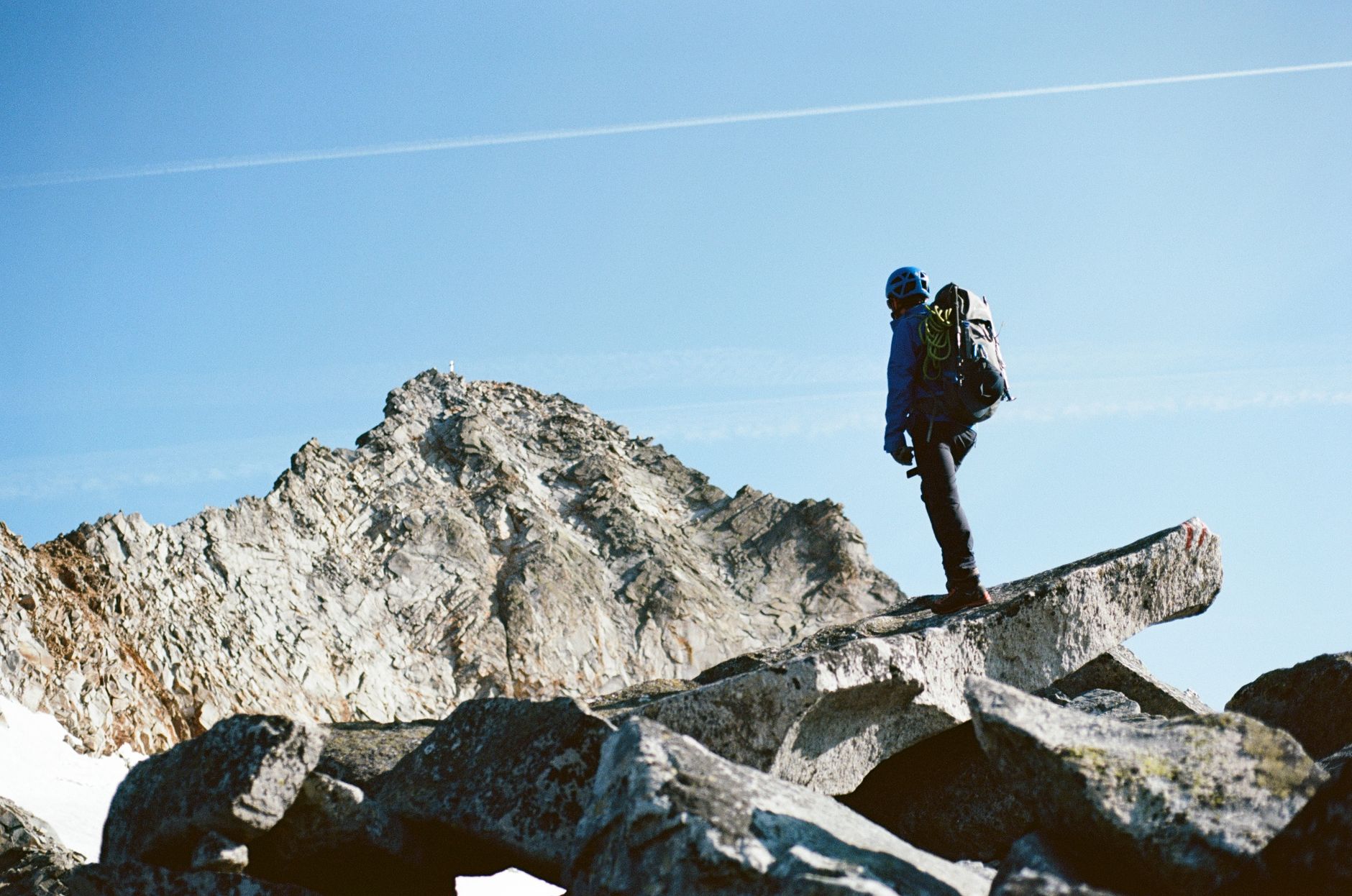
An emergency bivy alone won’t get you through a Pingora-style overnight safely. The shelter addresses your biggest heat-loss vulnerability, but a functional emergency overnight kit requires a few more non-negotiable additions. A lightweight insulating layer — at minimum a packable down or synthetic jacket — stays in the pack on every alpine day. Combined with your bivy, that layer is the difference between shivering through manageable discomfort and sliding into hypothermia. High-calorie snacks, a headlamp with fresh batteries, and at least one liter of water beyond your planned day supply round out the minimum kit.
Navigation tools deserve mention here because many Pingora-style situations begin with route-finding errors that compound into late finishes. A downloaded offline map on a phone backup battery, combined with a basic understanding of your descent route, removes one of the most common unplanned-overnight triggers before the situation develops. Gear decisions are only as good as the navigation skills that keep you on schedule.
The Weight Argument Against Carrying Emergency Bivy Shelter — and Why It’s Wrong
The most common pushback from experienced day climbers on emergency bivy gear is weight. Alpine climbing is already a weight-management game, and adding shelter feels like it breaks the compact, fast-moving ethic that defines modern technical climbing. But the math doesn’t support that argument. The SOL Escape Lite weighs under four ounces. The Rab Superlite is around six. Even the Outdoor Research Helium Bivy — a fully functional waterproof shelter — comes in under twelve ounces. Against the weight of a standard rack, a rope, and approach shoes, these numbers are irrelevant. What isn’t irrelevant is a night on a Wind River ledge without any of them.
The climbers on Pingora didn’t make a reckless decision to skip their bivy gear. They made the same reasonable-seeming calculation thousands of alpinists make every season — that the route would go as planned, that weather would hold, that they’d be back at the trailhead before dark. Rescue logs across Wyoming, Colorado, and California show consistently that this calculation fails at a meaningful rate. Carrying a four-ounce emergency bivy shelter is not pessimism. It’s the same logic that makes you carry a headlamp you expect never to use.

Conclusion
The Pingora Peak stranding is one data point in a much larger pattern of alpine rescues driven by the same preventable gear gap: climbers who commit to technical objectives without any form of emergency bivy shelter in their pack. The gear exists, it’s lighter than any reasonable excuse, and it spans price points from $25 to $600 depending on how much protection and longevity you want. The SOL Escape Lite is the absolute floor — every technical day climber should have one. The Outdoor Research Helium Bivy or Rab Superlite represent the realistic mid-range option for Wind River or similar objectives. And if you’re building a serious alpine kit from scratch, the HMG Ultamid 2 is the shelter you’ll still be using a decade from now.
Pack the bivy. Carry the satellite messenger. Know your descent. These aren’t advanced tactics — they’re the baseline that separates a survival story from a trip report.
Shop Backcountry Gear Labs on Etsy
Hoodies, tees, hats, and more for campers and hikers who live for the trail.
Get Weekly Gear Picks
Join the Backcountry Gear Labs newsletter for expert gear picks and backcountry advice, every week.