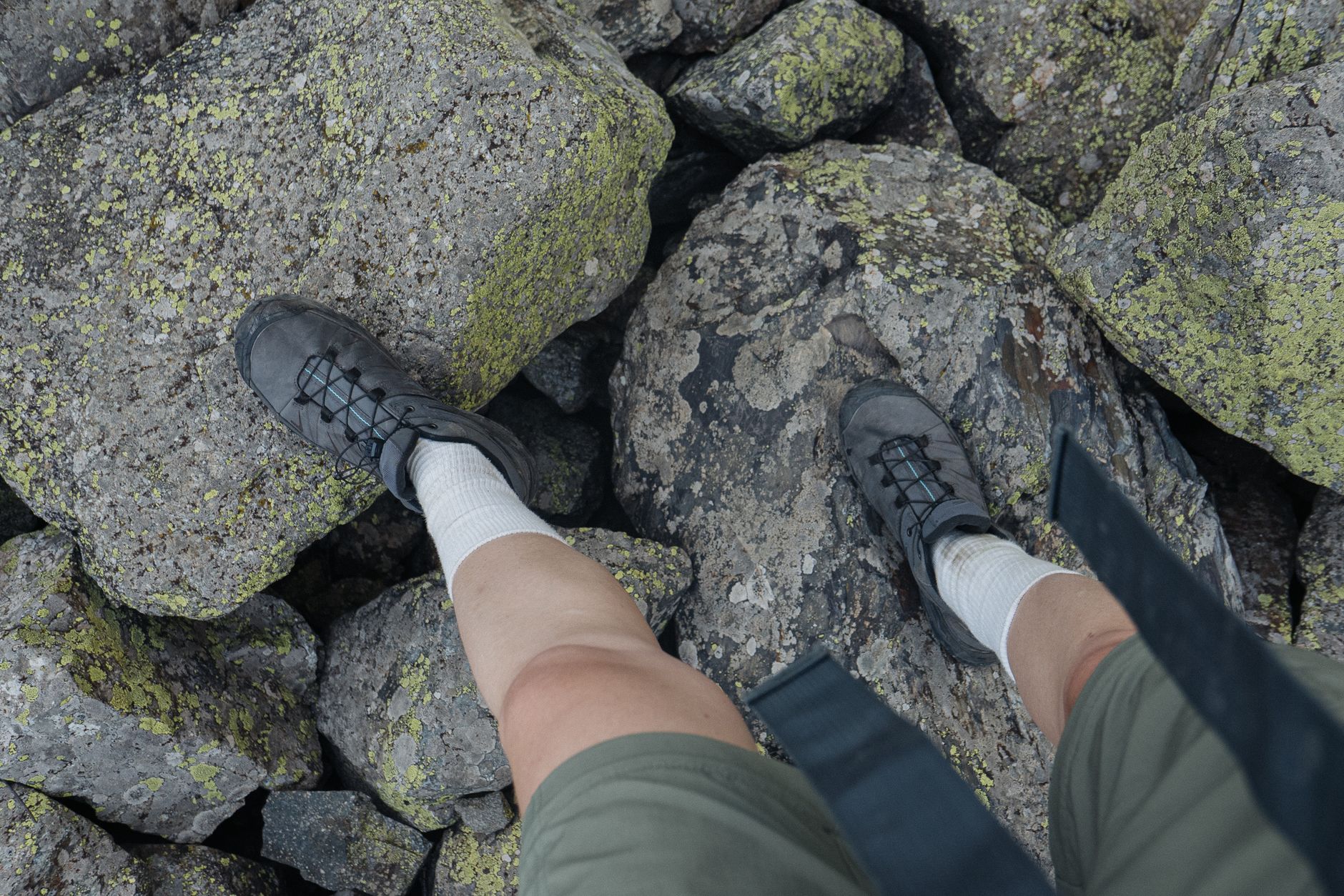
If you’ve ever limped into a trail town with raw heels and swollen toes, you already know: foot care for thru-hiking isn’t optional gear — it’s the difference between finishing your route and hitchhiking to the nearest urgent care. A solid thru-hiker foot care kit addresses everything from pre-trail skin conditioning to mid-day hot spot intervention to end-of-day recovery. I’ve tested all twelve products in this guide across long-distance hikes, putting serious miles on each one before making any recommendation.
Blisters account for more trail abandonments than bad weather, altitude, and poor navigation combined. That stat alone should push foot care higher up your pre-hike priority list. The products here aren’t theoretical picks — they’re items I’ve carried, used mid-mile, and relied on when the alternative was sitting on a boulder wondering if I’d make my next resupply. Each one earns its weight.
I’ve broken this guide into sections that follow the logical arc of a thru-hiker’s foot care strategy: prevention before the trail, protection during it, and recovery at camp. Whether you’re gearing up for a section hike or a full long-trail attempt, this kit gives you a fighting chance at arriving with your feet intact.
Pre-Trail Foot Prep: Toughening Skin Before Day One
Most hikers skip skin conditioning entirely and pay for it by mile five. Before you lace up for the first real day, your feet need to be prepped for the friction load they’re about to absorb. Callus-building takes weeks, not days — but the right topical products can accelerate skin toughening and reduce friction vulnerability even if you’re working on a shorter timeline.
Apply a foot toughening balm like Tuf-Foot or rubbing alcohol to high-friction zones (heels, ball of foot, little toe knuckles) every evening for at least three weeks before your start date. Pair that with dedicated hiking sock trial runs during your training walks — your socks matter as much as your shoes. Anything that causes irritation in a two-mile walk will wreck you at mile fifteen on a full pack day.
1. Bodyglide Original Anti-Chafe Balm 🥾
Bodyglide is a cult staple in the thru-hiking community for good reason. The invisible balm applies dry, won’t clog pores, and creates a genuine friction barrier that lasts through wet conditions, stream crossings, and sweat-soaked miles. Apply it to any hot spot zone before you start walking — don’t wait until you feel the heat.
Pros:
- ✅ Dry application, no greasy residue in socks
- ✅ Works in wet conditions and through multiple miles
Cons:
- ⚠️ Small sticks disappear quickly during heavy use weeks
2. Injinji Trail Midweight Crew Toe Socks 🥾
Toe socks eliminate the most common blister trigger: toe-to-toe friction. Injinji’s trail-specific version uses a moisture-wicking nylon blend with a reinforced heel and ball. They’re not the lightest option, but on a thru-hike, the blister prevention they provide is worth every gram. These have been my go-to liner-replacement sock for years of long-distance hiking.
Pros:
- ✅ Eliminates inter-toe blisters almost completely
- ✅ Durable enough for continuous high-mileage use
Cons:
- ⚠️ Takes a few miles to get used to the toe-sleeve fit

Hot Spot Intervention: The Best Blister Prevention Products for Mid-Hike Use
The golden rule of thru-hiking foot care: never ignore a hot spot. That warm, slightly irritated sensation you feel on your heel at mile three will be a full blister by mile eight if you don’t stop and address it. This section covers the products that belong in your hip belt pocket — within reach without removing your pack — because timing matters.
Hot spot intervention requires a two-step approach: reduce the friction source first, then protect the skin. Taping techniques using leukotape or kinesiology tape are the most reliable friction fix available. The adhesive stays put through sweat, water crossings, and multiple days of use — unlike cheaper bandages that migrate and fold within the first hour. Always carry a small pair of scissors in your kit so you can custom-cut tape to fit awkward toe contours.
3. Leukotape P Sports Tape 🥾
Leukotape P is the single most important product in a thru-hiker’s foot care kit. Its high-adhesion zinc oxide backing grips skin and won’t peel loose mid-hike. Applied over a clean, dry hot spot (or directly to blister-prone zones pre-hike), a single strip can protect through seventy-plus miles of trail. I’ve had pieces stay on for four days of consecutive hiking through rain. Nothing else comes close.
Pros:
- ✅ Superior adhesion — stays put through multi-day wet conditions
- ✅ Can be pre-applied to known blister zones as a preventive layer
Cons:
- ⚠️ Requires skin prep spray or clean/dry skin for best adhesion
4. Moleskin Plus Padding by Dr. Scholl’s 🥾
Old-school and still effective for cushioning existing hot spots before they escalate. Cut a donut shape around a developing blister to offload pressure from the center, or layer over tape for additional padding in high-friction zones. Moleskin has a higher friction surface than skin, so always apply it over a friction barrier like Leukotape rather than directly on raw skin.
Pros:
- ✅ Excellent cushion for pressure relief around sore spots
- ✅ Easily cut to any shape on trail
Cons:
- ⚠️ Adhesive weakens significantly in wet or sweaty conditions
Blister Treatment: Drain, Protect, and Keep Moving
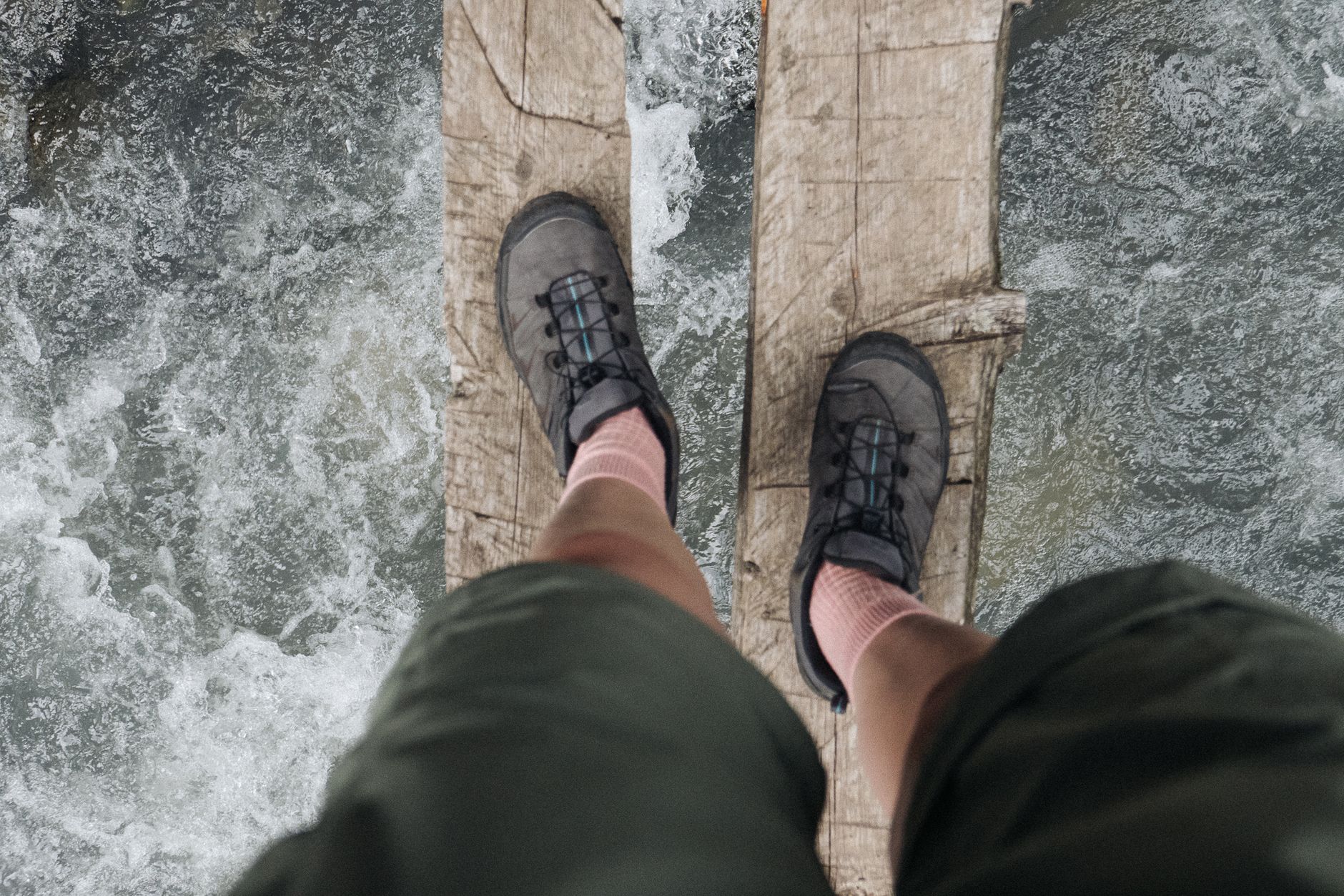
When prevention fails and a blister forms, clean treatment prevents a painful annoyance from becoming a trail-ending infection. For fluid-filled blisters, draining and covering is almost always the right move for thru-hikers who can’t afford a rest day. Use a sterile lancet, drain from the lowest point, preserve the roof skin, and apply a hydrocolloid dressing immediately — these create a moist healing environment and a second skin that allows you to keep hiking.
This is also where your backcountry first aid kit earns its place in your pack. A kit that includes antiseptic wipes, sterile lancets, and hydrocolloid dressings eliminates the need to carry duplicates and keeps your blister treatment organized. Don’t improvise with duct tape when proper wound care materials weigh almost nothing.
5. Band-Aid Hydro Seal Blister Cushion 🥾
Hydrocolloid technology makes these the modern standard for active blister care. The gel-forming interior absorbs fluid, protects the wound bed, and stays adhered for days — even over drained blisters. I’ve finished full twenty-mile days after applying one of these over a drained heel blister, with zero degradation in adhesion or comfort. The oval and heel-specific shapes fit real blister zones better than generic rectangles.
Pros:
- ✅ Multi-day adhesion without replacement needed
- ✅ Creates ideal moist healing environment under the dressing
Cons:
- ⚠️ Bulkier than tape solutions — adds slight volume inside shoe
6. Sawyer Antiseptic Wound Wash 🥾
Wound infection on a thru-hike is a serious risk that most hikers underestimate. Sawyer’s wound wash delivers a sterile saline solution under pressure, flushing debris and bacteria from open blister wounds more effectively than an antiseptic wipe alone. The squeeze bottle format works well with one hand, and the small form factor fits in any hip belt pocket without taking up meaningful space.
Pros:
- ✅ Pressurized stream cleans wounds more thoroughly than wipes
- ✅ Compact and lightweight for multi-day carry
Cons:
- ⚠️ Single-use bottle — pack out when empty
End-of-Day Recovery: Products That Repair While You Sleep
What you do at camp matters as much as what you do on trail. Pulling off your shoes and airing out your feet for thirty minutes before dinner is non-negotiable — moisture-saturated skin is dramatically more blister-prone the next morning. Use this time to inspect every pressure zone carefully, re-tape anything that shifted, and apply recovery products before you go horizontal.
Foot recovery at camp follows a simple protocol: clean, dry, treat, and protect. A foot soak in a camp collapsible basin with Epsom salts reduces inflammation in the metatarsal joints and softens hardened skin that could crack on cold mornings. Follow that with a targeted foot cream on heels and any cracked zones, then sleep in a clean pair of dry camp socks to keep your treatment in place overnight.
7. O’Keeffe’s Healthy Feet Foot Cream 🥾
Cracked heels and dehydrated skin are blister accelerators — dry skin tears and separates from underlying layers under friction load far faster than well-hydrated skin. O’Keeffe’s Healthy Feet cream is a concentrated urea-based formula that works overnight on even severely cracked heels. A small 3.2 oz jar lasts a full thru-hike section with nightly application, and it’s one of the most weight-efficient recovery investments in this kit.
Pros:
- ✅ Genuinely effective on cracked, trail-dried heel skin
- ✅ Long-lasting — small jar goes a long way
Cons:
- ⚠️ Heavy jar — decant into a small silicone container to save weight
8. Darn Tough Hiker Micro Crew Cushion Socks 🥾
Your camp socks and your trail socks should be different pairs. Darn Tough’s Hiker Micro Crew gives you a cushioned, 100% merino wool construction that delivers genuine foot recovery at camp — the natural lanolin in merino wool has mild antimicrobial properties and the temperature regulation keeps feet comfortable in a wide range of camp conditions. Their unconditional lifetime guarantee means you’ll replace any worn-out pair for free, which matters on a months-long hike.
Pros:
- ✅ Lifetime guarantee — replace worn pairs at no cost
- ✅ Merino regulates temperature and resists odor through extended use
Cons:
- ⚠️ Higher upfront price point than synthetic alternatives

Structural Support and Arch Tools: Preventing Plantar and Tendon Injuries
Blisters get all the attention, but plantar fasciitis, Achilles tendinitis, and stress fractures end far more thru-hikes than any surface wound. These are structural injuries that develop over weeks of repetitive stress — which means prevention has to start before symptoms appear, not after you’re limping. Footbed replacement and targeted taping are the two highest-return investments for structural injury prevention on long-distance routes.
Most trail shoes and boots ship with flat, unsupportive stock insoles that contribute nothing to arch stabilization. Swapping to a low-profile aftermarket footbed gives you meaningful arch support without the bulk of a full orthotic. Combined with correct lacing technique (heel-lock lacing eliminates most forefoot slippage that stresses the plantar fascia), a quality insole can extend your comfortable daily mileage significantly — especially in the back half of a long route when cumulative fatigue hits connective tissue hardest.
9. Superfeet GREEN Insoles 🥾
Superfeet GREEN has been the standard thru-hiker insole recommendation for over two decades, and it still holds up. The semi-rigid cap stabilizes the rearfoot, the high-profile arch support reduces plantar strain under load, and the organic coating resists odor through weeks of continuous use. They run about 60 grams per pair — a worthwhile weight trade for the structural support they deliver across hundreds of trail miles.
Pros:
- ✅ Proven rearfoot stabilization for plantar fascia protection
- ✅ Odor-resistant coating holds up through extended sweat exposure
Cons:
- ⚠️ High arch profile doesn’t suit all foot types — try before committing to a hike
10. KT Tape Pro Kinesiology Tape 🥾
KT Tape Pro’s synthetic version stays adhered through water crossings and multi-day applications in a way that cotton-based kinesiology tapes simply don’t match. For Achilles support, plantar fascia taping, and metatarsal offloading, it delivers genuine structural assistance without restricting range of motion. Learning two or three basic foot taping patterns before your hike is one of the most valuable foot care skills you can develop — the tape is only as good as the application.
Pros:
- ✅ Synthetic Pro version adheres through days of wet trail use
- ✅ Versatile — handles Achilles, arch, and toe applications
Cons:
- ⚠️ Application technique requires practice — watch instructional videos before trail
11. TheraGun Mini Percussive Therapy Device 🥾
A percussive therapy tool at camp sounds indulgent until you realize how quickly deep plantar fascia tension accumulates under daily high-mileage loads. The TheraGun Mini is genuinely compact, runs on USB-C charging, and delivers meaningful myofascial release to the plantar fascia, calf, and Achilles — the exact soft tissue zones that tighten and eventually fail on long routes. Five minutes per foot before sleep makes a measurable difference in morning mobility.
Pros:
- ✅ USB-C charging compatible with standard trail power banks
- ✅ Compact enough for a thru-hiker’s base weight commitment
Cons:
- ⚠️ Weight (150g) makes it a luxury item — best justified on extended routes
12. Zpacks Foot Gaiters 🥾
Trail debris — pebbles, pine needles, sand, and grit — enters low-cut trail runners constantly and creates micro-abrasion hot spots that are more insidious than direct friction because they develop slowly and unpredictably. Ultralight trail gaiters from Zpacks attach to most major trail runner brands and keep debris out without adding meaningful weight or heat. For anyone hiking in sandy desert sections, volcanic rock zones, or loose scree, these are worth their weight in prevented blisters ten times over.
Pros:
- ✅ Nearly weightless debris protection — eliminates a major hidden blister cause
- ✅ Compatible with most trail runner attachment points
Cons:
- ⚠️ Attachment hooks require some adjustment to fit different shoe models
Building Your Complete Thru-Hiker Foot Care Kit
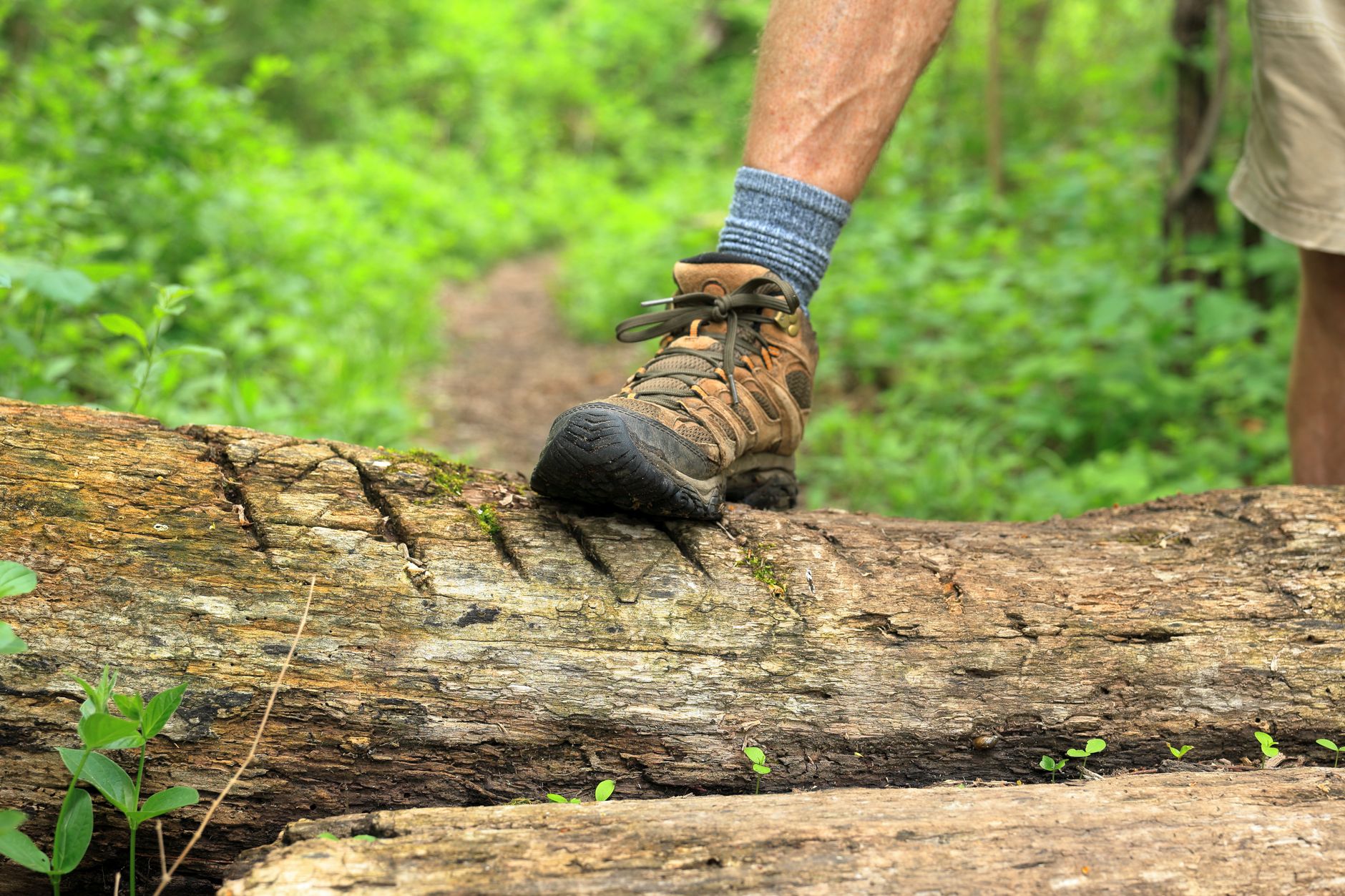
The twelve products in this guide represent a complete foot care system, not a pile of redundant items. Prevention products (Bodyglide, Injinji socks, Superfeet insoles, gaiters) work upstream. Intervention products (Leukotape, moleskin, KT Tape) work mid-problem. Treatment products (hydrocolloid dressings, wound wash) work when prevention fails. Recovery products (O’Keeffe’s cream, Darn Tough camp socks, TheraGun Mini) work overnight to keep you moving tomorrow. Every item has a specific function in that system.
You don’t need to carry everything on every hike. A three-day section hike can get by with Bodyglide, Leukotape, two hydrocolloid dressings, and good socks. A full trail attempt warrants the complete kit — the weight is trivial compared to the risk of a preventable injury forcing a bail-out at mile three hundred. Audit your kit before each trip based on route terrain, expected weather conditions, and how your feet historically respond to mileage load.
The best thru-hiker foot care kit is the one you actually use — proactively, before problems develop, not reactively after you’re already limping. Pay attention to your feet every time you stop for a water break. Check your socks for debris. Notice warmth or pressure changes before they escalate. Your feet carry everything else you’re hauling into the backcountry — they deserve the same research attention you give your pack or shelter.
Shop Backcountry Gear Labs on Etsy
Hoodies, tees, hats, and more for campers and hikers who live for the trail.
Get Weekly Gear Picks
Join the Backcountry Gear Labs newsletter for expert gear picks and backcountry advice, every week.
Pingback: Backcountry Foot Health Kit: 12 Products That Prevent Pain and Speed Recovery on Long Miles - Backcountry Gear Labs
Pingback: Best Anti-Odor Base Layers Tested: 7 Shirts Worn 5 Days Without Washing - Backcountry Gear Labs
Pingback: Barefoot vs. Cushioned Trail Shoes: 7 Expert Picks for Pain-Free Hiking - Backcountry Gear Labs