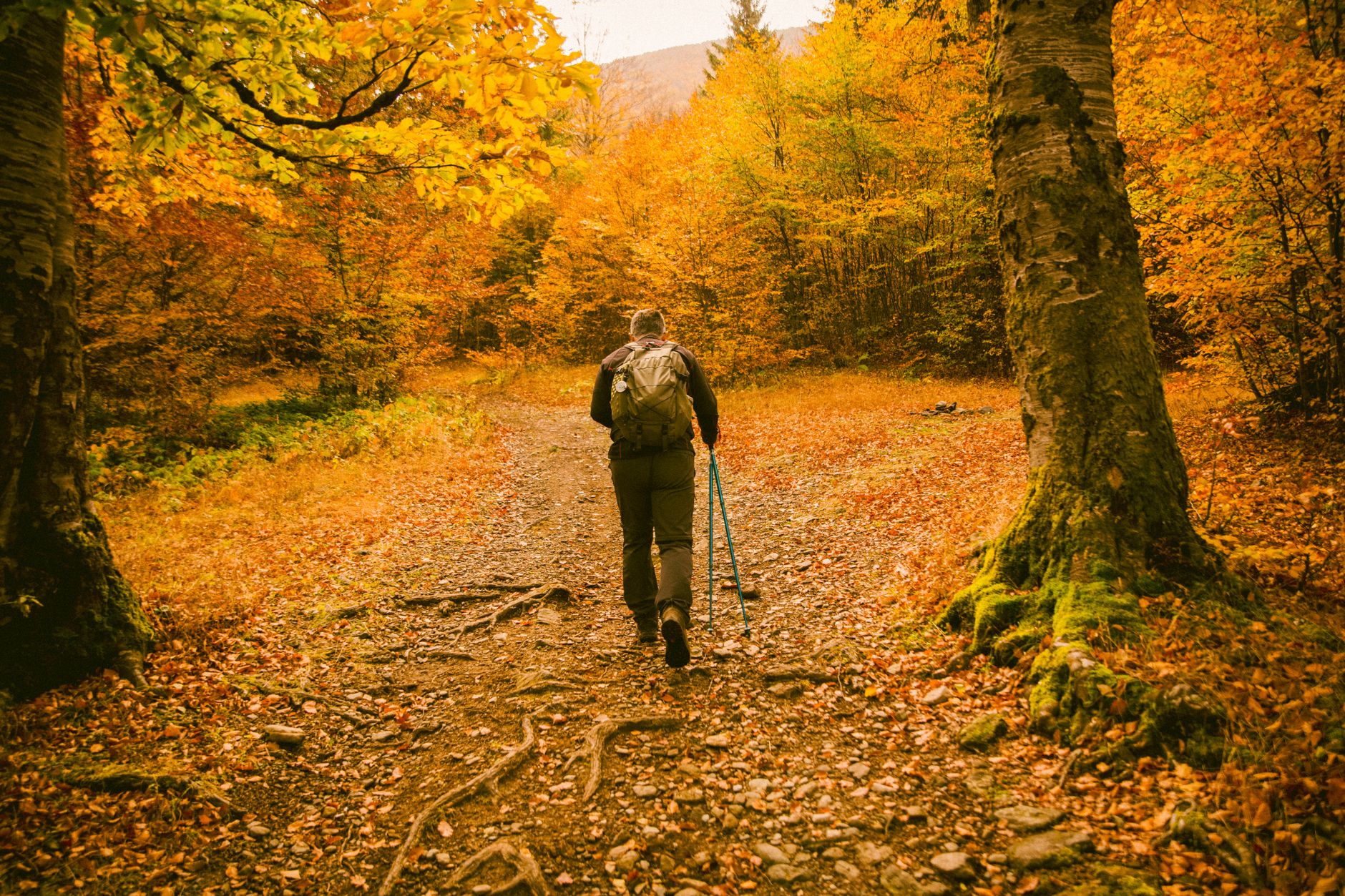
Finding the right fleece mid-layer for fall backpacking is one of those decisions that separates a comfortable shoulder-season trip from a miserable one. Temperatures swing hard in autumn — warm enough at noon to make you sweat on the ascent, cold enough at camp to remind you that summer is definitively over. A quality fleece mid-layer bridges that gap, and grid fleece hoodies in particular have earned a loyal following among three-season backpackers for their breathability, warmth-to-weight efficiency, and packability. I’ve tested seven options across the $80–$150 range to help you find the right match for your kit.
Grid fleece — that textured, waffle-pattern interior construction — is a smarter choice for active hiking than traditional polar fleece. The raised grid structure traps warm air in pockets while reducing overall fabric weight, and it moves moisture away from your skin faster when you’re working hard on the trail. For shoulder-season conditions where you’re layering constantly, that moisture management edge matters more than people give it credit for. Dump sweat into a poorly designed mid-layer, and you’ll be cold five minutes after you stop moving.
Every hoodie below was evaluated on four criteria: warmth-to-weight ratio, packability, moisture management under aerobic load, and how well it performs as a standalone piece at cold camp. I’ve also noted where each one sits in the layering system — some are better as active insulation on the move, others really shine as stationary camp warmth. Here’s how they stack up.
What Makes a Great Fleece Mid-Layer for Fall Backpacking?
Weight is the first filter for any backpacking gear decision, but warmth-to-weight ratio is the more honest metric. A heavy fleece hoodie might rank well on warmth but become a pack-weight anchor on long mileage days. The sweet spot for a fall backpacking fleece sits between roughly 7 and 12 ounces — light enough to not register on the scale, heavy enough to actually keep you warm at 35°F camp temperatures with a wind shell over it.
Packability is underrated in fleece reviews. Grid fleece compresses better than heavier midlayers but not as tight as down. What you’re looking for is whether the hoodie stuffs into its own pocket or compresses small enough to not take up a full stuff-sack of space in a 50-liter pack. For ultralight-oriented hikers, this matters as much as the warmth rating — if you want to reduce total pack weight, our article on ultralight swaps that could save your feet covers how shaving grams across your kit adds up fast on long days.
Moisture management separates average grid fleece from genuinely trail-worthy mid-layers. Look for fabrics that pull sweat off your base layer efficiently and dry quickly when you stop. Polartec Power Stretch and 100-weight grid fleece fabrics lead this category; heavier 200-weight fleece is warmer but noticeably slower to dry and more prone to clammy-back syndrome on sustained climbs.
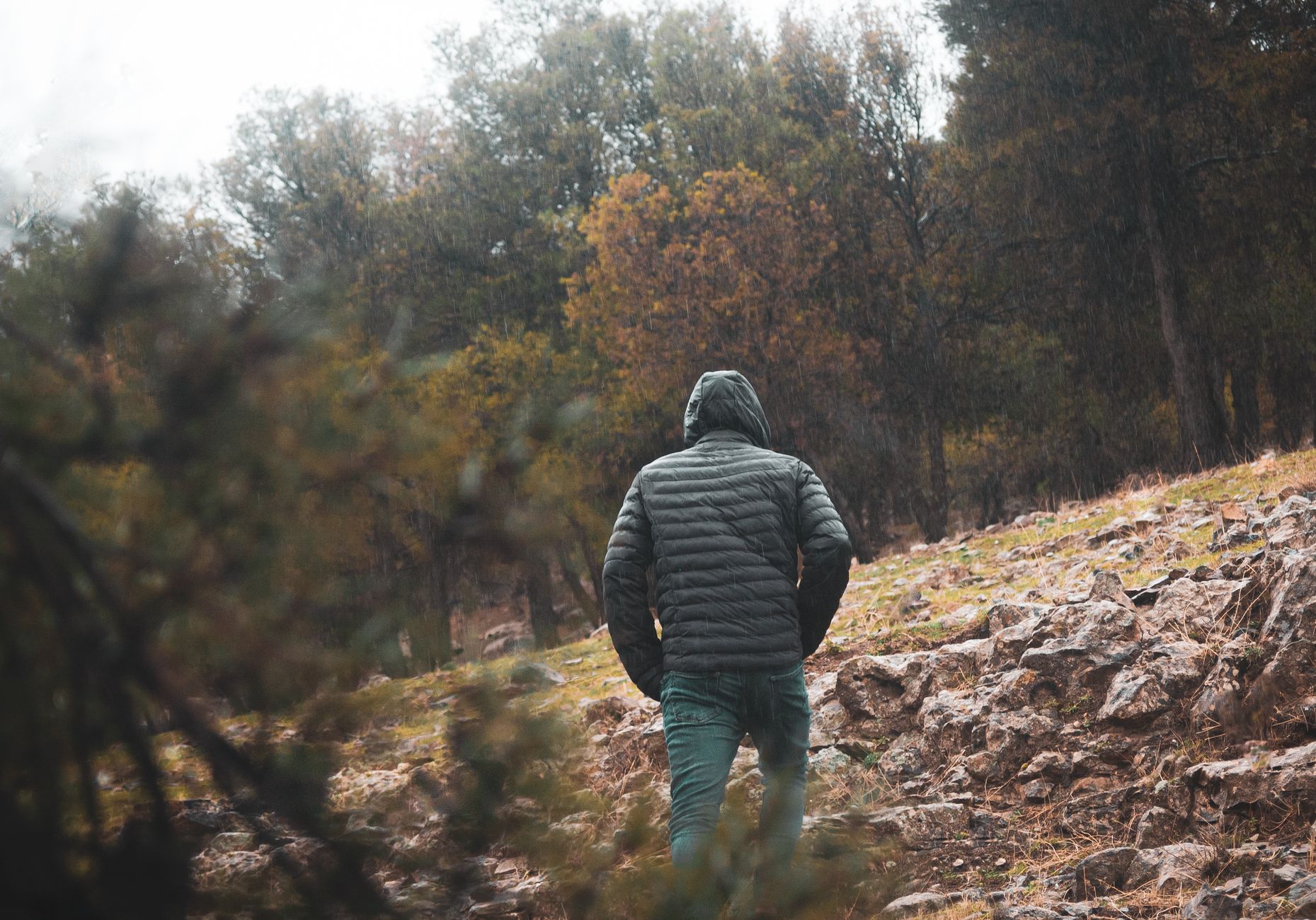
Our Tested Picks: 7 Best Fleece Mid-Layers Ranked
1. Patagonia R1 TechFace Hoody ⭐⭐⭐⭐⭐
Price range: $130-160 | Premium pick
The Patagonia R1 TechFace Hoody has become a benchmark fleece mid-layer for good reason. The face fabric is a tight, wind-resistant exterior paired with a grid fleece interior — a hybrid construction that lets you wear it as a standalone piece in light wind without needing a shell over it. Warmth-to-weight is excellent at around 11 ounces for a men’s medium, and the fit is trim enough to layer cleanly under a hardshell without bunching. The helmet-compatible hood is one of the best on any mid-layer in this category.
Built to last: Constructed from Polartec Power Stretch Pro with a DWR-treated face fabric; the four-way stretch holds up to abrasion from pack straps and rough granite far better than standard grid fleece.
Pros:
- ✓ Wind-resistant face fabric reduces need for a shell layer in mild conditions
- ✓ Excellent moisture management under aerobic load
- ✓ Trim fit layers cleanly under hardshell
Cons:
- ✗ At the top of the price range; harder to justify if you already own a good shell
2. Arc’teryx Delta LT Hoody ⭐⭐⭐⭐⭐
Price range: $140-160 | Premium pick
Arc’teryx’s Delta LT Hoody is the pick for backpackers who prioritize packability above all else. At under 10 ounces, it stuffs into a compact bundle and still delivers serious warmth relative to its weight. The Polartec 100 grid fleece interior moves moisture efficiently and dries faster than most competitors in this weight class. Fit is athletic but not restrictive — it works well as a next-to-skin piece for cold morning starts and as a traditional mid-layer under a shell when temperatures really drop.
Built to last: Built from Polartec 100 fleece with flatlock seam construction and reinforced stress points at pocket corners and zipper anchors — Arc’teryx’s stitching standards are notably above average for the category.
Pros:
- ✓ Best packability in the premium tier
- ✓ Fast-drying and highly breathable for sustained output
- ✓ Versatile enough for both active hiking and cold camp use
Cons:
- ✗ Limited wind resistance — you’ll want a shell in anything above a light breeze
3. Black Diamond Coefficient Fleece Hoody ⭐⭐⭐⭐
Price range: $100-130 | Mid-range pick
Black Diamond’s Coefficient Hoody sits in the mid-range sweet spot and genuinely earns its place there. The brushed grid fleece interior adds warmth without significant weight penalty, and BD’s cut is more generous in the torso than many athletic-fit competitors — a real benefit for backpackers carrying a hipbelt who want to move freely through technical terrain. Warmth-to-weight is competitive with anything in this price range, and the longer hem prevents the hoodie from riding up under a pack.
Built to last: Made from 200g polyester grid fleece with YKK zippers throughout and reinforced pocket bags — the slightly heavier fabric weight offers better abrasion resistance than 100-weight alternatives.
Pros:
- ✓ Generous fit accommodates hipbelt movement without binding
- ✓ Excellent camp warmth at the price point
- ✓ Longer hem stays tucked under pack load
Cons:
- ✗ Slightly slower to dry than 100-weight competitors; less ideal for high-output ascents
4. REI Co-op Groundbreaker Fleece Hoodie ⭐⭐⭐⭐
Price range: $80-100 | Budget pick
The REI Co-op Groundbreaker Hoodie is the honest budget recommendation in this roundup — not a consolation pick, but a genuinely capable fleece mid-layer for backpackers who don’t need to shave every gram. The recycled polyester grid fleece construction delivers solid warmth and reasonable moisture management, and at this price, it’s the obvious starting point for someone building out a shoulder-season layering system for the first time. It runs slightly heavier than premium competitors but the warmth-at-camp performance competes well above its price tier.
Built to last: Constructed from recycled polyester grid fleece with a DWR finish; zipper quality is above average for the price point, and reinforced elbows add longevity in typical pack-friction zones.
Pros:
- ✓ Best value in the roundup — strong warmth-to-dollar ratio
- ✓ Recycled construction for sustainability-minded backpackers
- ✓ Available in extended sizes
Cons:
- ✗ Heavier than premium alternatives; not the right pick for ultralight builds
5. Outdoor Research Vigor Grid Fleece Hoody ⭐⭐⭐⭐
Price range: $90-115 | Mid-range pick
Outdoor Research doesn’t get enough credit for the Vigor Grid Hoody. It’s a purpose-built active fleece mid-layer that prioritizes moisture management and stretch over raw camp warmth — the right trade-off for backpackers who hike hard and layer up only at camp. The four-way stretch grid fleece is among the most breathable in this comparison, and the slim articulated pattern moves with you on scrambles without the boxy feel of heavier fleece alternatives. If you run warm on the ascent but need a reliable mid-layer at rest, this is the one to consider.
Built to last: Uses Polartec Power Stretch grid fleece with flatlock seaming to minimize chafe points; the face fabric resists pilling better than standard grid fleece after repeated pack-friction cycles.
Pros:
- ✓ Best-in-class breathability and moisture management for active use
- ✓ Four-way stretch for technical terrain movement
- ✓ Slim fit layers cleanly under any shell
Cons:
- ✗ Lighter construction means less standalone warmth at cold camp without a shell over it
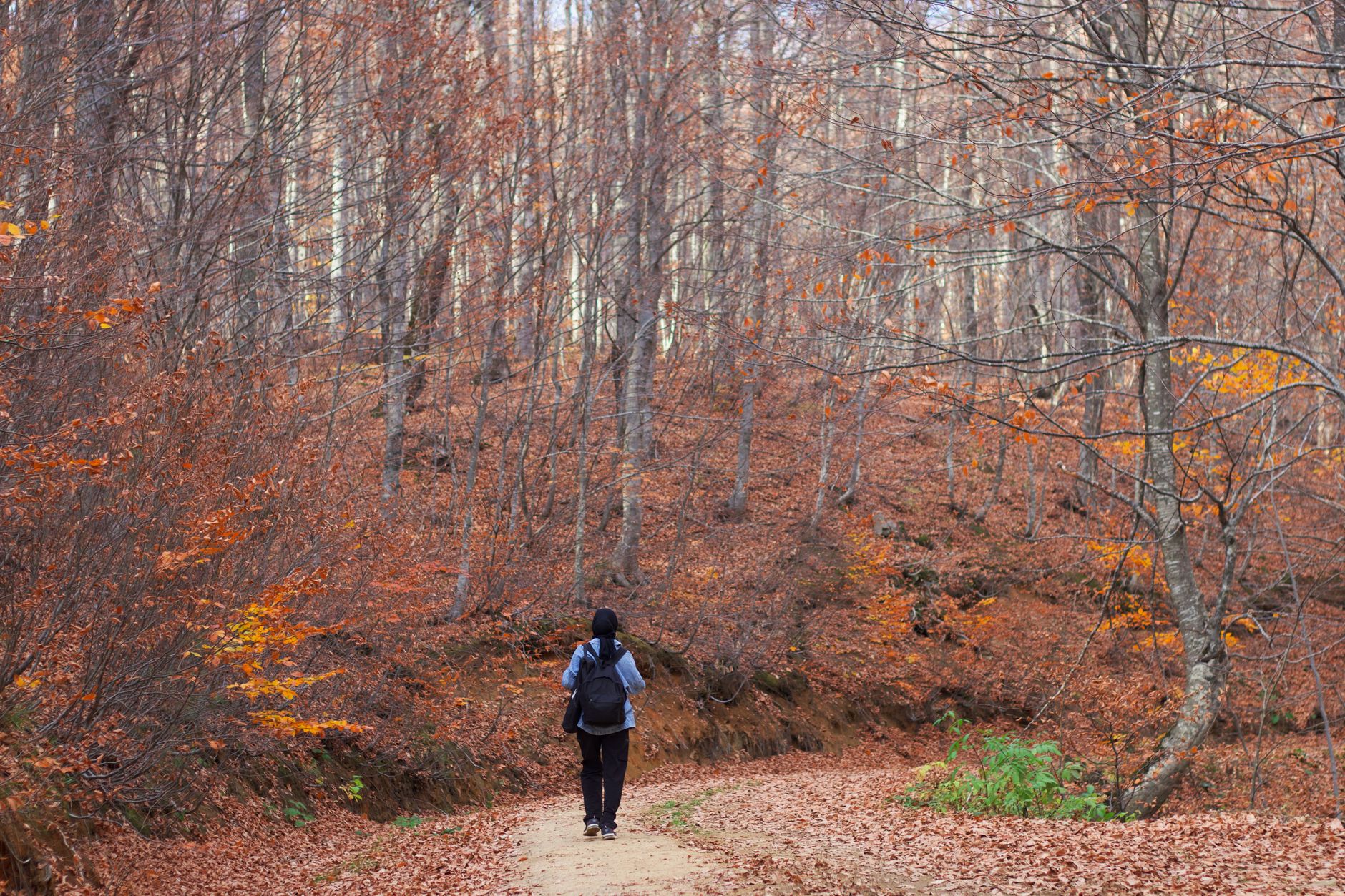
Layering Strategy: Getting the Most from Your Fleece Mid-Layer
A fleece mid-layer only performs as well as your layering system around it. The classic three-layer system — moisture-wicking base, insulating mid-layer, wind and waterproof shell — works because each layer has a specific job. Your fleece should never be working alone in cold rain; that’s the shell’s job. But it also shouldn’t be sitting in your pack unused during active hiking because you haven’t dialed in your regulation habits. The discipline of taking a layer off before you start sweating, rather than after, is what separates experienced backcountry travelers from shivering beginners at the summit.
For fall shoulder-season trips specifically, a grid fleece hoodie paired with a lightweight wind shell can handle most conditions from 40°F down to the mid-20s at camp when you add a base layer underneath. Below that threshold, you’ll want a down or synthetic puffy for camp insulation — the fleece mid-layer moves into active-insulation duty during the walk to the water source rather than becoming your primary warmth at rest. Understanding these layer roles helps you pack smarter and avoid redundancy in your kit.
Pocket placement also matters more than most reviews acknowledge. Hand warmer pockets that sit above a hipbelt are the standard in backpacking-specific designs; chest pockets below a pack’s chest strap provide accessible storage on the move. Check the pocket geometry against your pack’s harness before committing to any of these picks — a beautifully designed fleece that has every pocket blocked by your harness system is a real frustration on a 10-day trip.

Fit, Features, and What to Ignore in Fleece Marketing
Trim-fit fleece layers under shells better and packs smaller, but they restrict movement at the shoulders if you’re doing any scrambling or carrying a large pack with significant arm reach. Athletic-fit hoodies from Black Diamond and REI hit a middle ground that most backpackers will find more practical. Avoid marketing language like “expedition-weight” applied to grid fleece — it’s a relative term that means very little without actual fabric weight specifications to back it up.
Hood quality is one of the most overlooked specs in fleece mid-layer reviews. A helmet-compatible hood like the one on the Patagonia R1 TechFace adds functionality if you’re also doing any alpine day hiking or scrambling where a helmet is appropriate. For pure backpacking use on maintained trails, a standard fitted hood is fine — just make sure it doesn’t collapse over your face when you look down and doesn’t restrict head rotation when you look over your shoulder with a pack on.
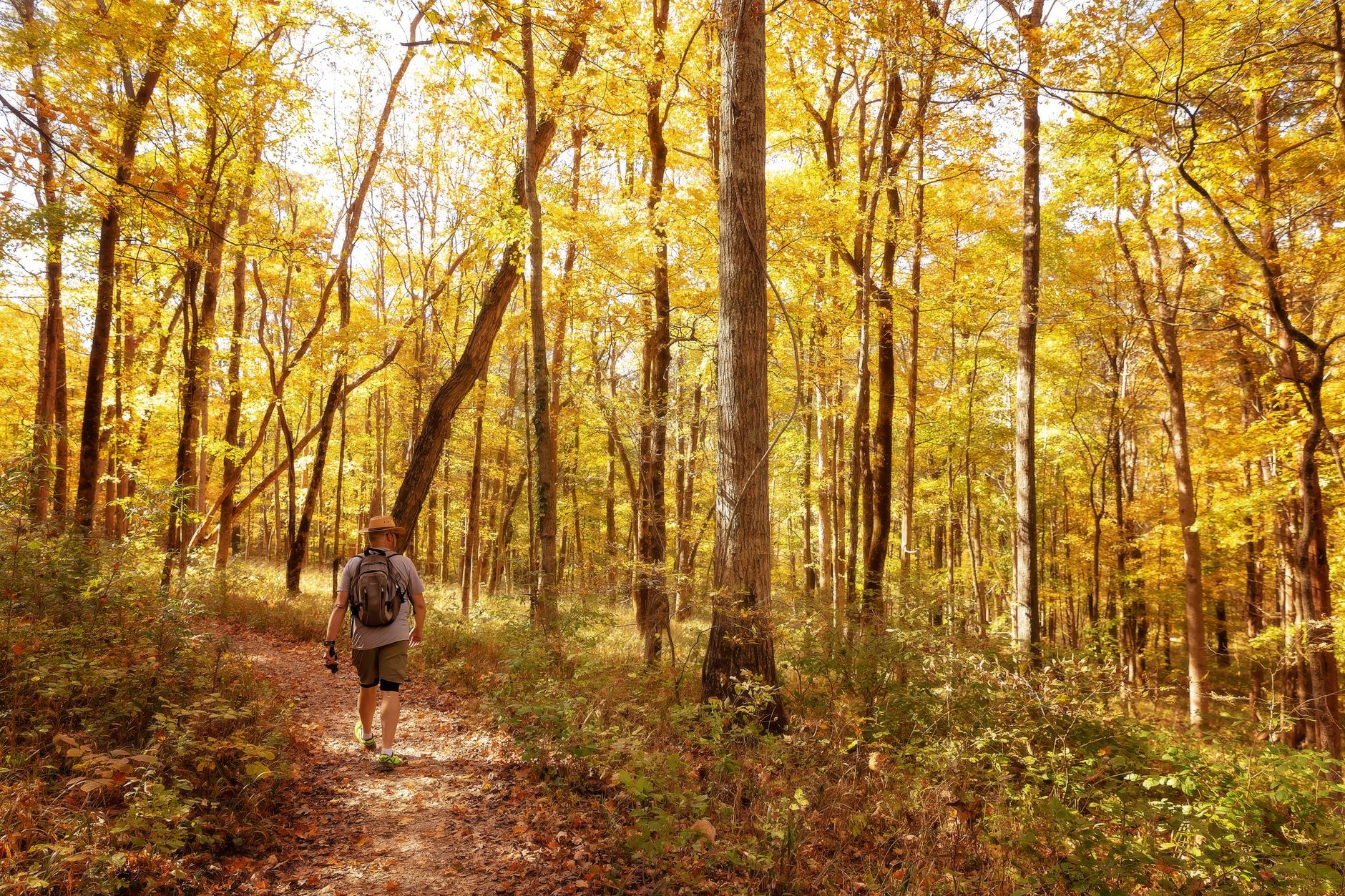
How to Choose the Right Fleece Mid-Layer for Your Fall Trips
The best fleece mid-layer for fall backpacking is the one that matches your specific output level, temperature range, and total system weight budget. High-output hikers covering long miles in variable fall weather should prioritize moisture management and breathability — the Outdoor Research Vigor or Arc’teryx Delta LT. Backpackers who move at a moderate pace and camp in genuinely cold shoulder-season conditions will get more value from the Black Diamond Coefficient’s extra warmth. First-time fall backpackers building a layering system from scratch on a limited budget should start with the REI Co-op Groundbreaker and add from there.
None of these seven picks are wrong choices in the right context. What kills mid-layer performance is mismatched expectations — buying a lightweight active fleece and expecting it to replace a camp puffy, or buying a heavy fleece and wondering why you’re overheating on every climb. Know your trip profile, match the fleece to your specific conditions, and you’ll be dialed for fall miles from the first cold morning to the last frosty descent out.
Fall backpacking is some of the best hiking of the year — fewer people on trail, spectacular foliage, cooler temps that make big miles more comfortable. The right fleece mid-layer won’t make or break the experience, but a bad one will occupy your mental bandwidth every time you stop moving. These seven picks eliminate that problem across three price tiers so you can spend your energy thinking about where to camp, not whether you’re warm enough to stop.
Shop Backcountry Gear Labs on Etsy
Hoodies, tees, hats, and more for campers and hikers who live for the trail.
Get Weekly Gear Picks
Join the Backcountry Gear Labs newsletter for expert gear picks and backcountry advice, every week.