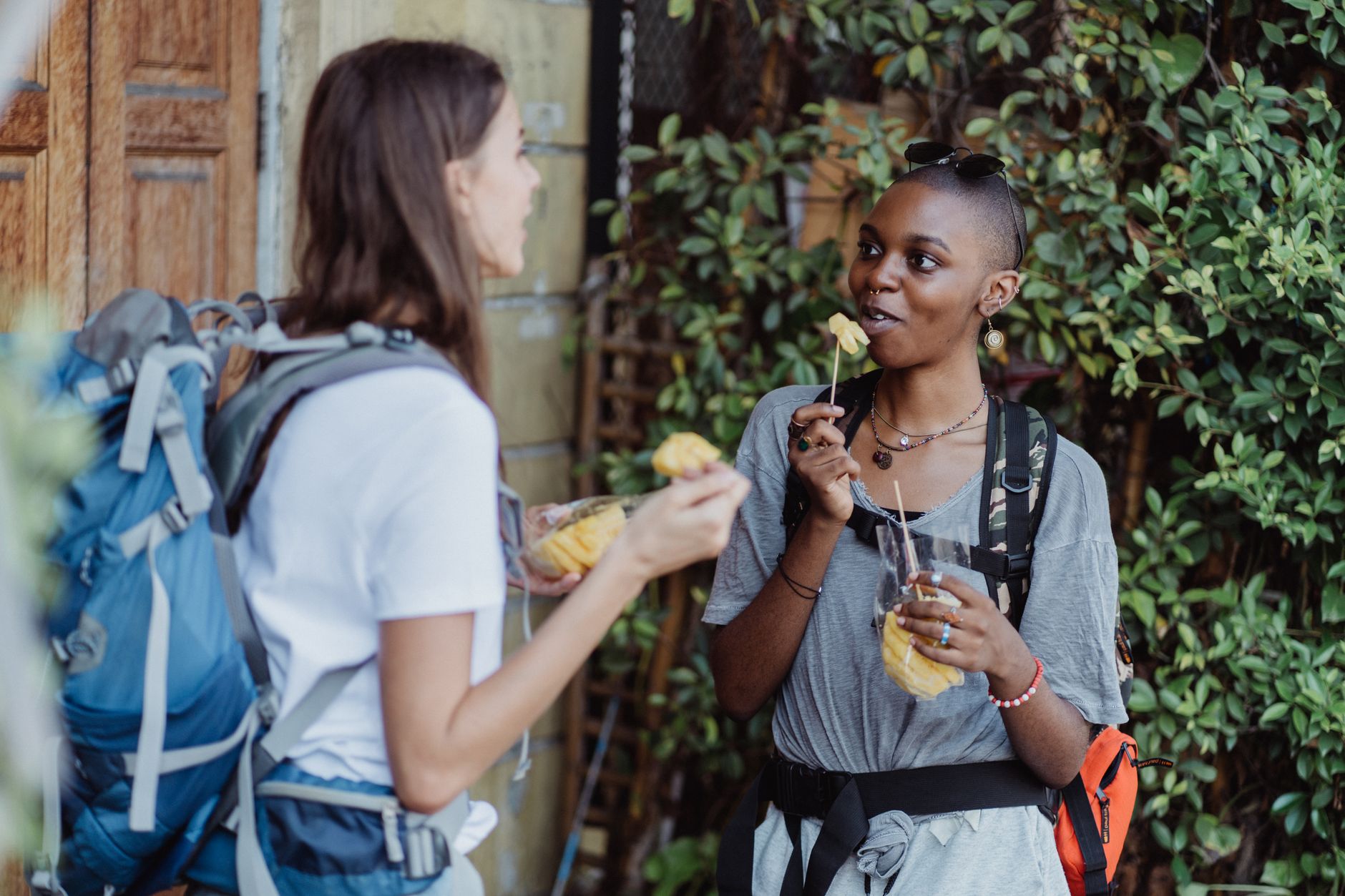
Real-food trail snacks are the backcountry secret that experienced hikers swear by — and for good reason. After enough miles eating chalky protein bars that taste like sweetened cardboard, your body and your morale start to rebel. Whole foods offer better micronutrient profiles, more satisfying satiation, and — frankly — they make you look like a genius when you pull out a perfectly wrapped rice ball at mile eight while everyone else is grimacing through a dry energy chew.
But the challenge is real: trail food has to survive compression, heat, humidity, and the chaos of a loaded pack. Not every real-food option is up to the task. I’ve tested dozens of options across desert heat, alpine cold, and everything in between to find ten portable whole-food snacks that actually hold up — including specs on weight, calorie density, and temperature stability so you can plan your kit with precision.
If you’re dialing in your overall trail nutrition and pack weight strategy, it’s also worth reviewing how pack load affects your body from the ground up — our breakdown of pack weight and foot health is a solid companion read before a long trip.
Why Real-Food Trail Snacks Beat Commercial Bars (And When They Don’t)
The commercial bar industry has one thing right: convenience. But the tradeoff is almost always cost, ingredient quality, and flavour monotony. Real-food trail snacks give you control over macros, ingredients, sodium levels, and taste — and because you’re making or selecting them yourself, you can dial them to your actual effort level and terrain. A single rice ball can carry 280-350 calories with a mix of carbohydrates, fat, and protein that no prepackaged bar can match in real-food quality.
The caveat is real. Whole foods require planning, proper packing (vacuum sealing, wax paper wrapping, or beeswax wraps all help), and you need to be honest about temperature conditions. A nut butter wrap survives a hot desert day in a way that a cheese-and-meat option simply doesn’t. The ten options below are sorted to give you flexibility across conditions, trip lengths, and dietary preferences.

The 10 Best Real-Food Trail Snacks: Specs and Field Notes
For each option below, I’ve included a realistic per-serving weight (packed and ready to eat), approximate calorie density in calories per ounce, and a temperature stability rating from Low (keep it cool) to High (survives summer heat). These are practical real-world estimates based on standard homemade or whole-food preparations — not lab numbers.
1. Homemade Walking Tamales — Weight: 4-5 oz each | ~60-70 cal/oz | Temp stability: Medium. Masa wrapped around a filling of black beans, roasted sweet potato, and a smear of chipotle-spiked lard is one of the most satisfying real-food trail snacks in existence. Wrapped tightly in foil or corn husks, they survive two to three days refrigerated pre-trip and hold safely for four to six hours at moderate trail temperatures. Keep them in the insulated section of your pack in summer.
2. Japanese-Style Onigiri Rice Balls — Weight: 3-4 oz each | ~55-65 cal/oz | Temp stability: Medium-High. Seasoned short-grain rice packed around umeboshi (pickled plum) or salmon with a nori wrap keeps incredibly well. The salt in the filling acts as a mild preservative. Wrapped in plastic wrap then foil, they hold texture for up to eight hours. Use white rice (not brown) for faster energy and better pack stability.
3. Nut Butter Wraps — Weight: 2.5-3 oz | ~100-120 cal/oz | Temp stability: High. A whole-wheat or grain tortilla smeared with almond or peanut butter, a drizzle of raw honey, and a handful of dried cherries is one of the most calorie-dense real-food trail snacks you can carry. These don’t require refrigeration, survive direct pack compression with a simple flat fold, and provide sustained energy from healthy fats and complex carbohydrates. My go-to desert option.
4. Homemade Bliss Balls (Medjool Date + Nut Base) — Weight: 1-1.5 oz each | ~120-140 cal/oz | Temp stability: Medium-High. Blended Medjool dates, tahini or almond butter, oats, and cacao nibs rolled into balls and chilled before packing. These are legitimately calorically efficient — one to two balls per snack break is enough. They soften slightly in heat but don’t melt or become unpleasant. Wrap individually in parchment paper.
5. Smoked Salmon + Cream Cheese Lavash Rolls — Weight: 3-4 oz | ~70-80 cal/oz | Temp stability: Low-Medium. The premium option in the lineup — rich in omega-3s, protein, and sodium. These are strictly a cooler-adjacent or alpine-conditions snack. In temperatures under 60°F they hold four to five hours safely. On hot days, skip this one unless you have a small insulated pouch. The flavour payoff at the top of a cold ridge at lunch is exceptional.
6. Homemade Seed and Grain Crackers with Nut Butter Packets — Weight: 2 oz crackers + 1 oz packet | ~130-140 cal/oz combined | Temp stability: High. Baked at home with flaxseed, sunflower seeds, oat flour, and olive oil, these crackers are rock-solid in your pack and pair with single-serve almond butter packets (Justin’s makes excellent ones). High caloric density, no refrigeration required, and the crackers survive even aggressive pack compression if wrapped in a rigid container.
7. Coconut Oil Energy Bites (Oat + Coconut Base) — Weight: 1-1.5 oz each | ~115-130 cal/oz | Temp stability: Medium. Similar to bliss balls but built on a coconut oil and rolled oat base with dark chocolate chips and dried mango. The coconut oil solidifies in cold temps — which is actually ideal for alpine outings — and softens but holds shape in moderate heat up to around 75°F.
8. Savory Chickpea and Herb Flatbreads — Weight: 2-3 oz | ~90-100 cal/oz | Temp stability: High. Socca-style flatbreads made from chickpea flour, olive oil, rosemary, and sea salt. Baked until crisp, these hold for three to four days in a sealed bag and are sturdy enough to survive a loaded pack without crumbling. High in plant protein and complex carbs with a satisfying savory flavor profile that cuts through snack fatigue.
9. Hard-Boiled Eggs with Everything Bagel Seasoning — Weight: 2 oz each | ~40-45 cal/oz | Temp stability: Low. Lower calorie density than most options here, but the complete protein profile and practical portability make them worth including for shorter outings (up to a half-day). Pre-peeled and wrapped in salt-dusted parchment, they’re genuinely satisfying. Consume within four hours at ambient temperatures above 40°F.
10. Parmesan and Olive Oil Popcorn — Weight: 1.5-2 oz | ~120-130 cal/oz | Temp stability: High. Popped at home, tossed in quality olive oil, nutritional yeast, grated Parmesan, and smoked paprika, then sealed in a bag while still slightly warm so it vacuum-packs itself as it cools. Light, crunchy, and genuinely high-calorie for the weight. This is the “evening at camp” snack that earns you trail credibility without adding meaningful pack weight.
Gear That Helps Real-Food Trail Snacks Survive the Journey
Even the best homemade snack fails without the right containment strategy. A good vacuum sealer or quality reusable containers protect your food from compression, moisture, and odor contamination. Bear country hikers should also consider how they’re storing all food — reviewing our tested bear canister rankings will help you figure out how to fit whole-food options alongside your other provisions.
Temperature management is the other key variable. For high-temp conditions, a small insulated dry bag or a lightweight food pouch tucked inside your pack can add two to three hours of safe holding time to medium-stability snacks. The difference between a good trail lunch and a food safety gamble is often just a single piece of gear.
1. FoodSaver FM2000 Vacuum Sealer (FoodSaver) ⭐⭐⭐⭐⭐
Price range: $55-75 | Budget pick
For anyone serious about packing real-food trail snacks, a vacuum sealer is transformative. The FoodSaver FM2000 is a compact, reliable entry-level model that extends shelf life, prevents compression damage, and keeps odors contained — which matters in bear country. It handles both dry and moist food modes, making it suitable for everything from crackers to salmon rolls.
Built to last: BPA-free plastic housing with stainless steel sealing strip; the sealing mechanism is rated for thousands of cycles and the bags themselves are multi-layer polyethylene for puncture resistance.
Pros:
- ✓ Dramatically extends food stability window for whole-food snacks
- ✓ Compact footprint, easy to use before any trip
Cons:
- ✗ Requires power at home — not a field tool
2. Stasher Reusable Silicone Bags (Stasher) ⭐⭐⭐⭐⭐
Price range: $12-20 per bag | Mid-range pick
Stasher’s silicone bags are the gold standard for packing moist whole foods on trail — rice balls, tamales, flatbreads, and bliss balls all benefit from the airtight pinch-lock seal. They’re odor-resistant, easy to clean, and unlike plastic bags they don’t crack in cold alpine temperatures. The sandwich and half-gallon sizes are most useful for trail snack prep.
Built to last: Pure platinum silicone construction is rated food-safe to 400°F, freeze-proof, and resists punctures and flex cracking across hundreds of use cycles — far more durable than single-use plastic alternatives.
Pros:
- ✓ Genuinely airtight seal protects moisture-sensitive foods
- ✓ Reusable and plastic-free — aligns with Leave No Trace principles
Cons:
- ✗ Heavier than a zip-lock bag — slight weight penalty
3. PackIt Freezable Lunch Bag (PackIt) ⭐⭐⭐⭐⭐
Price range: $25-35 | Mid-range pick
For medium-stability trail snacks like smoked salmon rolls or hard-boiled eggs, the PackIt Freezable Lunch Bag is a practical solution. The entire bag stores in your freezer overnight and the built-in gel cooling system keeps contents chilled for up to ten hours. It compresses flat when empty and weighs just a few ounces — a legitimate tool for day hiking or the first day of a multi-day trip.
Built to last: Outer shell is heavy-duty polyester with a TPU liner encasing the integrated gel panels; the zipper closure uses a thick-gauge continuous coil that holds up to daily freeze-thaw cycling over multiple seasons.
Pros:
- ✓ Expands the safe temperature window for perishable whole foods
- ✓ No ice or separate packs required
Cons:
- ✗ Adds bulk on multi-day trips once the cooling effect expires
4. Opsak Odor-Proof Storage Bags (LOKSAK) ⭐⭐⭐⭐⭐
Price range: $14-22 for a 2-pack | Premium pick
Opsak bags are the serious backcountry solution for food odor containment — tested to block odors that attract wildlife, including bears. For anyone carrying aromatic whole foods like tamales, seasoned popcorn, or smoked salmon through bear country, these are non-negotiable. They’re waterproof, resealable, and complement a bear canister system or hang system to add an extra layer of scent control.
Built to last: Proprietary multi-layer barrier film construction creates a genuine vapor-barrier seal; tested to military-grade odor containment standards and rated reusable across dozens of cycles without seal degradation.
Pros:
- ✓ Genuine odor barrier — not just a marketing claim
- ✓ Waterproof and submersible
Cons:
- ✗ More expensive per bag than standard zip-lock alternatives

Building Your Real-Food Trail Snack System
The smartest approach is layering your snack plan across temperature stability tiers. Pack your most perishable options (eggs, salmon rolls) in an insulated pouch near the top of your pack and commit to eating those first — within the first two to four hours of hitting the trail. Mid-stability options like rice balls and tamales become your mid-day fuel. High-stability options — nut butter wraps, seed crackers, popcorn, bliss balls — are your insurance for late miles, summit pushes, or unexpected extra nights out.
Calorie math matters here. A solid backcountry day burns 400-600 calories per hour depending on terrain, pack weight, and body weight. Real-food trail snacks with a calorie density of 100+ cal/oz let you carry substantial fuel without significant weight penalty. Aim for a snack rotation that delivers 200-350 calories every 90 minutes to two hours on strenuous terrain, with a larger lunch-style break mid-day where you combine two or three options.
One final note: these snacks travel better when your overall pack organization is dialed in. Snacks buried under gear get crushed and forgotten. Keep your food in a designated outer pocket or top-loader section so you actually reach for them on schedule — because on a hard day, “I’ll eat when I get to the top” is how bonking happens.
Real-food trail snacks aren’t precious or complicated once you build the habit of prepping them the night before. Start with two or three options from this list, dial your packing method, and you’ll never go back to a dry protein bar being your only option at mile twelve.
Shop Backcountry Gear Labs on Etsy
Hoodies, tees, hats, and more for campers and hikers who live for the trail.
Get Weekly Gear Picks
Join the Backcountry Gear Labs newsletter for expert gear picks and backcountry advice, every week.