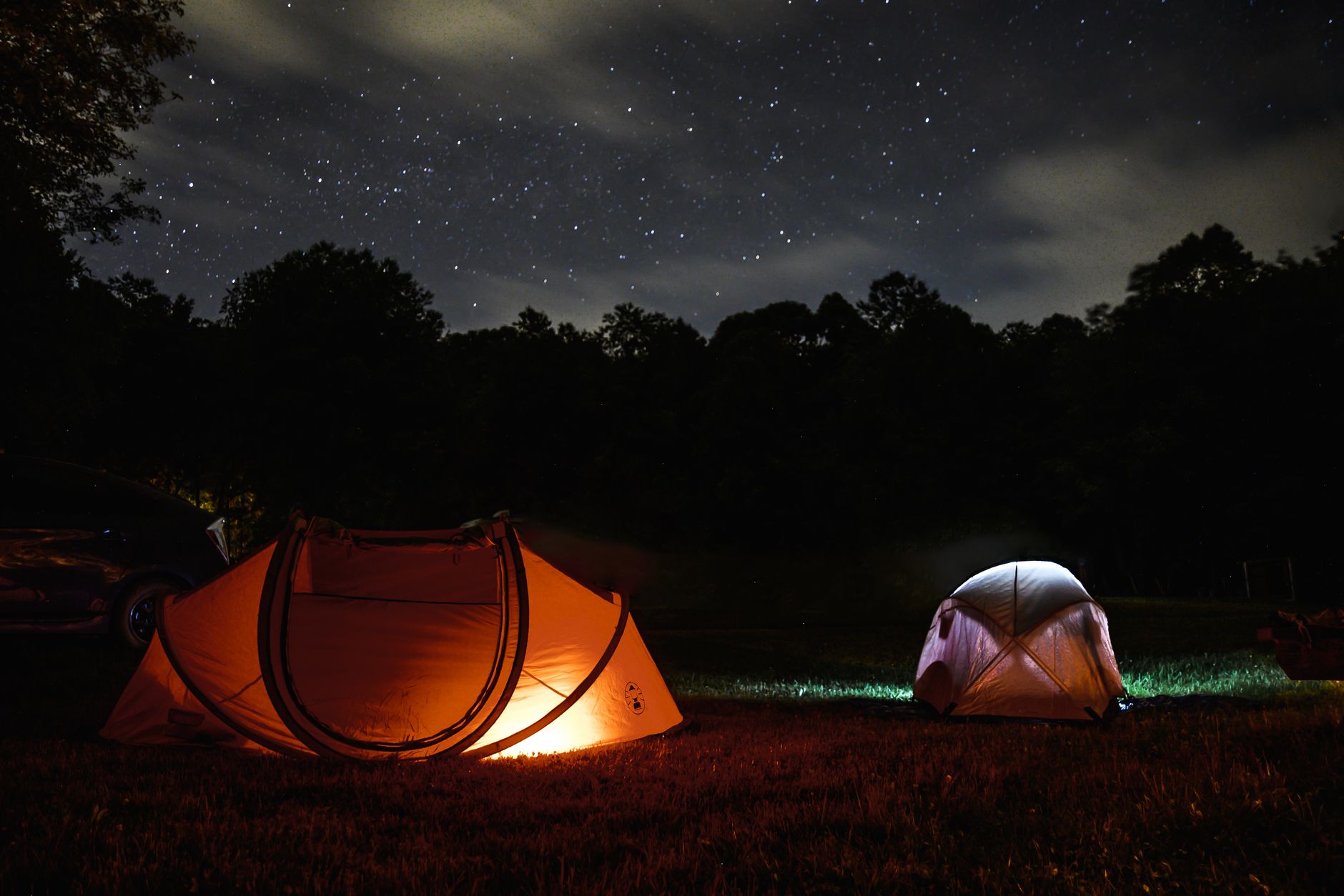
Dark sky backpacking gear separates a miserable night huddled on cold ground from a transcendent meteor shower experience that keeps you coming back every year. Whether you’re chasing the Perseids or any other major annual shower, the gear you carry determines how long you actually stay awake to watch — and how much you enjoy it. Get the kit wrong and you’re packing out at midnight, shivering and cursing. Get it right and you’re still horizontal at 3 a.m., watching fireballs streak across the Milky Way.
Overnight meteor watching from a backcountry campsite has unique demands that differ from standard backpacking. You need to stay stationary and alert for hours in dropping temperatures, preserve your night vision, keep a camera stable enough for long exposures, and do it all without adding so much weight that the hike in becomes a slog. That’s a tricky balance, and most generic gear lists miss several of these requirements entirely.
I’ve spent multiple Perseid seasons testing gear specifically for dark sky nights — from high desert ridges in Utah to granite benches above treeline in the Sierra. Below are the 10 essentials I’d never leave behind, plus specific product recommendations in the four categories that matter most: red-light headlamps, packable camp chairs, lightweight tripods, and warm layers built for sitting still in the cold.
Why Red-Light Headlamps Are Non-Negotiable for Dark Sky Backpacking
Your eyes need roughly 20 to 30 minutes to fully dark-adapt, and a single white light blast resets that clock completely. Red light, by contrast, preserves night vision because the rod cells in your retina are far less sensitive to wavelengths in the 620–700nm range. For meteor watching, this isn’t a preference — it’s the difference between seeing faint magnitude-4 Perseids and missing them entirely.
Look for headlamps with a dedicated red mode that activates directly, not buried three clicks deep in a cycling menu. You want to be able to grab the lamp in the dark and get red light on the first press without accidentally blasting your campmates with white. Brightness control in red mode is also underrated — a dim red setting for reading a star chart versus a brighter one for navigating to the tent is a genuine quality-of-life upgrade. Lock mode matters too, so the lamp doesn’t fire in your pack on the hike in and drain batteries before dark.
1. Black Diamond Spot 400 Headlamp 🔦
The Spot 400 delivers 400 lumens on white and a well-implemented red mode with two brightness levels. The dedicated PowerTap technology lets you toggle between full and dimmed brightness with a tap, and the red mode is accessible without cycling through white. It’s IPX8 waterproof, which matters when dew or unexpected rain rolls in at 2 a.m. Runs on AAA batteries, so you can carry spares without hunting for a USB port.
Pros:
- ✅ Dedicated red mode preserves night vision
- ✅ IPX8 waterproof rating for wet conditions
- ✅ Standard AAA batteries, easy to replace in the field
Cons:
- ⚠ Slightly heavier than ultralight competitors at 91g
2. Petzl Actik Core Headlamp 🔦
The Actik Core uses a rechargeable internal battery that also accepts standard AAA cells as a backup — the ideal setup for multi-night trips where you want to recharge at the trailhead but keep insurance batteries in your pack. Red mode is bright enough to read a star chart without washing out your companions’ vision. At 35g with the internal battery, this is one of the lighter serious headlamps on the market.
Pros:
- ✅ Hybrid power: rechargeable plus AAA backup
- ✅ Lightweight at 35g
- ✅ Comfortable, adjustable headband for long wearing sessions
Cons:
- ⚠ Red mode has only one brightness level

Packable Camp Chairs: Essential Dark Sky Backpacking Gear for Hours of Watching
Lying flat on a sleeping pad works for short stints, but after two hours your neck cramps from craning skyward and your back protests the cold ground. A low-angle packable chair that lets you recline at roughly 30 to 45 degrees is the ergonomic sweet spot — you can see a wide swath of sky without torquing your cervical spine, and you stay warmer than when you’re pressed against the ground. This is one of the most underappreciated pieces of dark sky backpacking gear in any kit.
Weight is the obvious concern. Chairs above 2 pounds start to feel punishing on a long approach, especially when you’re already carrying camera gear and extra layers. Foldable chairs under 1.5 pounds do exist and are worth every penny of the premium. Seat height also matters: you want to be low enough to feel stable on uneven terrain but high enough that getting up and down repeatedly during the night doesn’t become a project.
3. Helinox Chair Zero Ultralight Packable Chair 🪑
The Chair Zero weighs just 490g (17.3 oz) and packs into a pouch roughly the size of a Nalgene bottle. The DAC aluminum pole frame is impressively rigid for its weight, and the seat fabric holds up to years of backcountry use. It supports up to 265 lbs. Setup takes about 90 seconds once you’ve done it a couple of times. The low seat angle is a natural match for sky-watching sessions where you want to lean back rather than sit upright.
Pros:
- ✅ Under 500g — lightest serious packable chair available
- ✅ Compact stuff sack, fits in a side water bottle pocket
- ✅ Durable DAC frame trusted by thru-hikers and ultralight packers
Cons:
- ⚠ Premium price compared to heavier alternatives

Lightweight Tripods for Meteor Photography in the Backcountry
If you’re hauling a camera to a dark sky site and not bringing a tripod, you’re wasting the trip. Handheld shots at 20-second exposures produce nothing but blur. A stable platform is the single most impactful piece of astrophotography gear you can carry, and modern carbon fiber options have brought the weight down to the point where there’s no credible excuse to leave one behind. Aim for a tripod that weighs under 1.5 kg with a head included and extends to at least 140 cm so you’re not crouching on the ground to compose your shot.
Ball heads are faster than pan-tilt heads for repositioning between shots, and quick-release plates mean you can move the camera from tripod to your hands and back without fumbling in the dark. Also consider leg locks: lever-style locks are faster than twist locks in cold conditions when your fingers are less dexterous. Test your tripod at home in the dark before you take it out — learning the controls by feel before you’re on a cold ridgeline at midnight is time well spent.
4. Joby GorillaPod 3K Flexible Mini Tripod 📷
For mirrorless cameras and lighter DSLR setups, the GorillaPod 3K punches well above its 340g weight. The flexible legs wrap around branches, rock edges, or pack straps to get creative angles, but they also lock out flat for traditional tripod use on smooth surfaces. Supports up to 3 kg. It won’t replace a full-height tripod for serious astro work, but as a go-light solution for overnight backpacking it’s hard to beat for versatility and pack volume.
Pros:
- ✅ Only 340g — negligible weight penalty
- ✅ Flexible legs adapt to uneven terrain
- ✅ Integrated ball head with quick-release plate
Cons:
- ⚠ Not ideal for heavy telephoto lenses or full-frame bodies over 3 kg
Warm Layers for Sitting Still at 3 A.M. — The Gear Most People Underpack
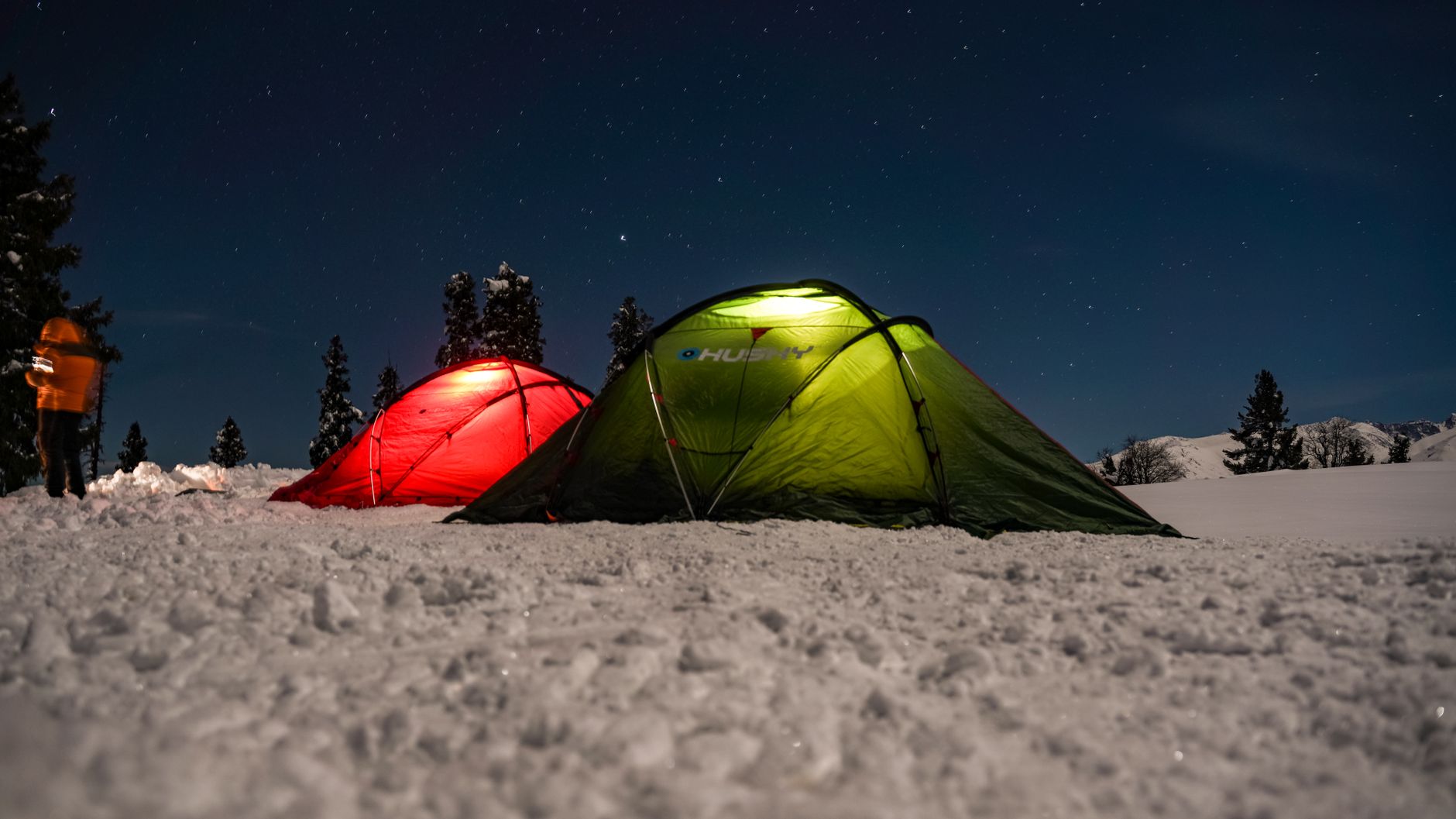
This is where most meteor-watching trips fail. People pack layers appropriate for hiking, then stop moving and discover that their body heat output drops off a cliff. At elevation in August, temperatures can sit at 35 to 45°F from midnight to dawn, and sitting motionless in a chair amplifies perceived cold dramatically. The rule I follow: pack 10 degrees colder than the forecast low and plan to use all of it.
A puffy jacket, insulated pants or a sleeping bag quilt draped over your legs, a wool or fleece hat, and insulated gloves are the core kit. Merino wool base layers are worth their weight here — they regulate temperature better than synthetics across a wide range, and they don’t get clammy if you do any moving around. Hand warmers tucked into gloves or a sleeping bag quilt over your lap are cheap insurance that weighs almost nothing. If you need inspiration on how to keep your overall pack weight in check while building out a full camp system, our ultralight camp kitchen guide walks through the mindset of disciplined gram-counting that applies to every category of gear you carry.
5. Outdoor Research Helium Down Hoodie 🧥
The Helium Down Hoodie uses 800-fill-power DownTek water-resistant down in a 37g shell that packs to the size of a softball. It weighs around 300g and provides serious warmth for its bulk. The hood adds meaningful head insulation without a hat, and the DWR-treated shell sheds light dew without soaking through. For a sitting-still night in the alpine, this is the puffy layer I reach for first because the warmth-to-weight ratio is hard to match at this price point.
Pros:
- ✅ 800-fill DownTek water-resistant down
- ✅ Packs to softball size, negligible pack volume
- ✅ Integrated hood eliminates need for separate hat in milder conditions
Cons:
- ⚠ Down loses insulation when wet — pair with a shell in rainy conditions

Staying Fueled and Alert Through the Peak Hours
Peak Perseid activity typically runs from around 11 p.m. to 4 a.m., with the highest rate usually falling in the hours before astronomical dawn. Staying genuinely alert for six or seven hours in the cold requires fuel, and not just sugary snacks that spike and crash. High-fat, calorie-dense foods — nuts, cheese, olive oil packets — release energy steadily and generate body heat through digestion. Hydration matters too: cold air is dehydrating even when you don’t feel sweaty, and dehydration accelerates fatigue.
Hot drinks are morale and warmth combined. A thermos of hot tea or coffee prepared before dark means you can sip throughout the night without firing up a stove and destroying your night vision. If you want to brew fresh at camp, check out our ranked guide to backcountry coffee methods — several options there work efficiently with minimal light and no stove required once water is hot. Planning your food and drink strategy is as important as planning your gear list when you’re looking at a full night out under the stars.
Conclusion
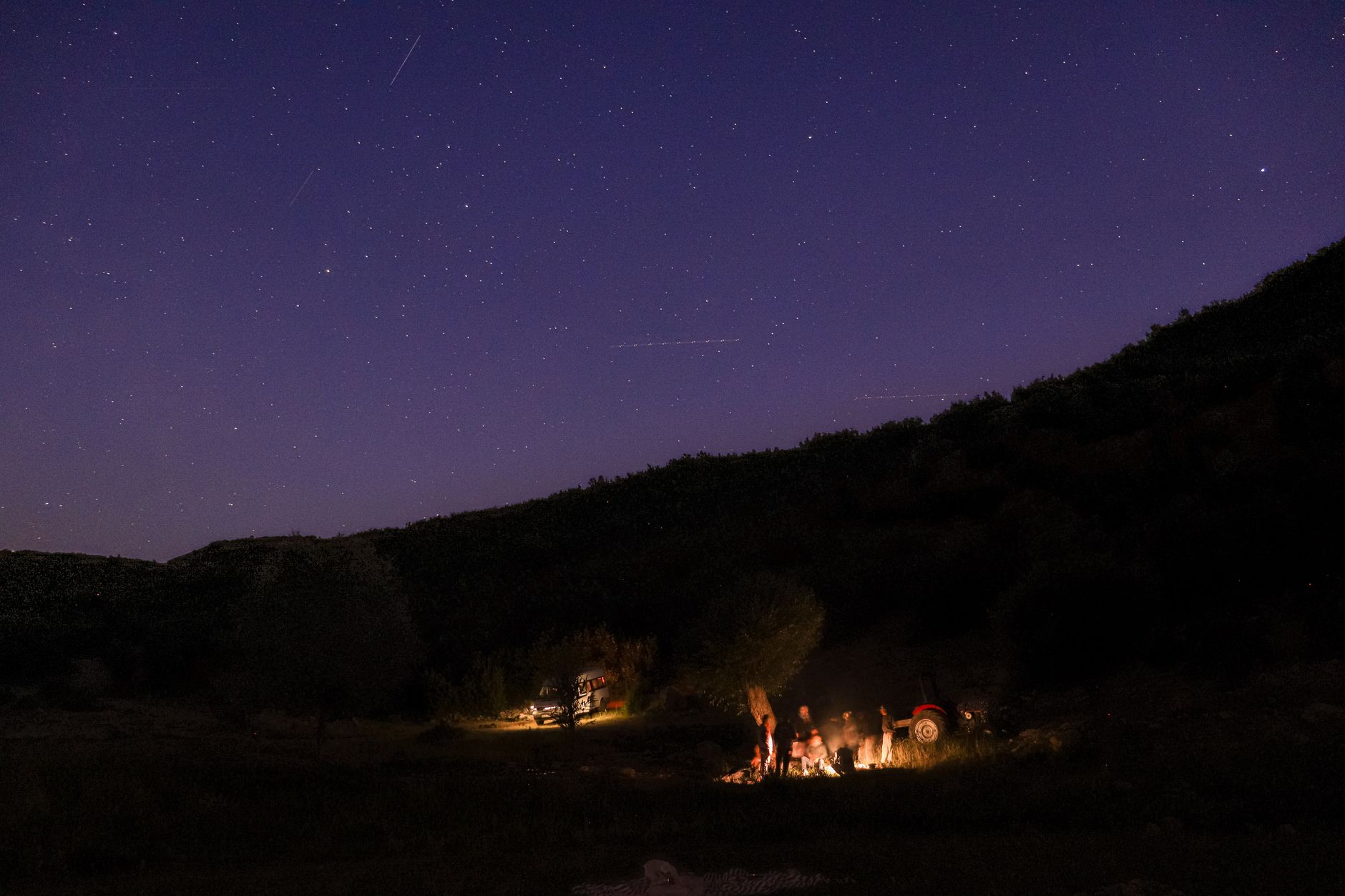
Dark sky backpacking gear isn’t dramatically different from your standard overnight kit — but the specific demands of staying still, staying warm, preserving night vision, and capturing long-exposure photos require a few deliberate upgrades. A red-light-capable headlamp, a packable ultralight chair, a compact tripod, and serious insulation layers are the four pillars everything else builds on. Get those right and the rest — site selection, timing, food, sleep strategy — falls into place around a comfortable, well-lit, photographically capable setup.
The window for peak meteor viewing each August is narrow. Don’t wait on gear decisions — the nights you’ll regret are the ones where you had the perfect clear sky and the wrong kit. Grab what you need, find the darkest ridge you can reach, and stay out until dawn.
Shop Backcountry Gear Labs on Etsy
Hoodies, tees, hats, and more for campers and hikers who live for the trail.
Get Weekly Gear Picks
Join the Backcountry Gear Labs newsletter for expert gear picks and backcountry advice, every week.
Pingback: Dark Sky Camping Gear Guide: 12 Essentials for Meteor Shower Season - Backcountry Gear Labs