
The UTMB mandatory gear list is one of the most scrutinized documents in ultrarunning — and for good reason. Race officials conduct spot checks throughout the course, and missing even one item can mean immediate disqualification. If you’re targeting the 2026 edition of the Ultra-Trail du Mont-Blanc, getting your kit dialed before registration opens is the smartest move you can make. This guide breaks down every required item, gives you real product recommendations at multiple price points, and pulls insight from recent finishers who’ve learned what works on that 106-mile loop through France, Italy, and Switzerland.
The UTMB mandatory gear list changes slightly from year to year, so always verify the final official list on the UTMB World Series website before race week. That said, the core categories have remained consistent: waterproofs, insulation, emergency shelter, navigation, lighting, first aid, nutrition, and signaling. The upgrades discussed here aren’t about gaming the system — they’re about surviving the weather windows that can swing from 70°F sunny valleys to near-freezing whiteouts on the Col du Bonhomme in the same day.
I’ve organized this guide by gear category, included weight comparisons where relevant, and flagged the items where spending more actually protects you versus where the budget pick is genuinely fine. Let’s get into it.
The Official UTMB Mandatory Gear Checklist: What’s Required
The mandatory gear list covers roughly 20 items across several categories. Required waterproof jacket and pants must meet specific standards — the jacket must have taped seams, a hood, and minimum protection ratings that effectively rule out soft shells and most “water resistant” packable layers. The pants must be waterproof, not just water resistant, and packable enough to fit in a race vest. You must carry insulation in the form of a warm layer (typically a mid-layer fleece or insulated jacket), a survival/emergency bivy or space blanket, and a hat and gloves.
Navigation requirements include a physical map of the course and a compass — GPS watches are permitted but don’t replace these mandatory items. Lighting means a headlamp with a minimum 200-lumen output plus a backup headlamp or torch. First aid requirements cover elastic bandage, blister treatment supplies, sunscreen (SPF 30+), and a whistle. Food and hydration minimums require you to carry a specified minimum calorie count at checkpoints and hold at least 1 liter of fluid capacity at all times. Finally, your race vest or pack itself is checked for fit and functionality by marshals who will actually open it.
Beyond the checklist, recent finishers consistently flag two categories where mandatory minimums are dangerously low: insulation and emergency shelter. The space blanket that technically passes the check is not what you want if you’re hypothermic on a ridge at 3am in a rain squall. More on that in the upgrades section below.
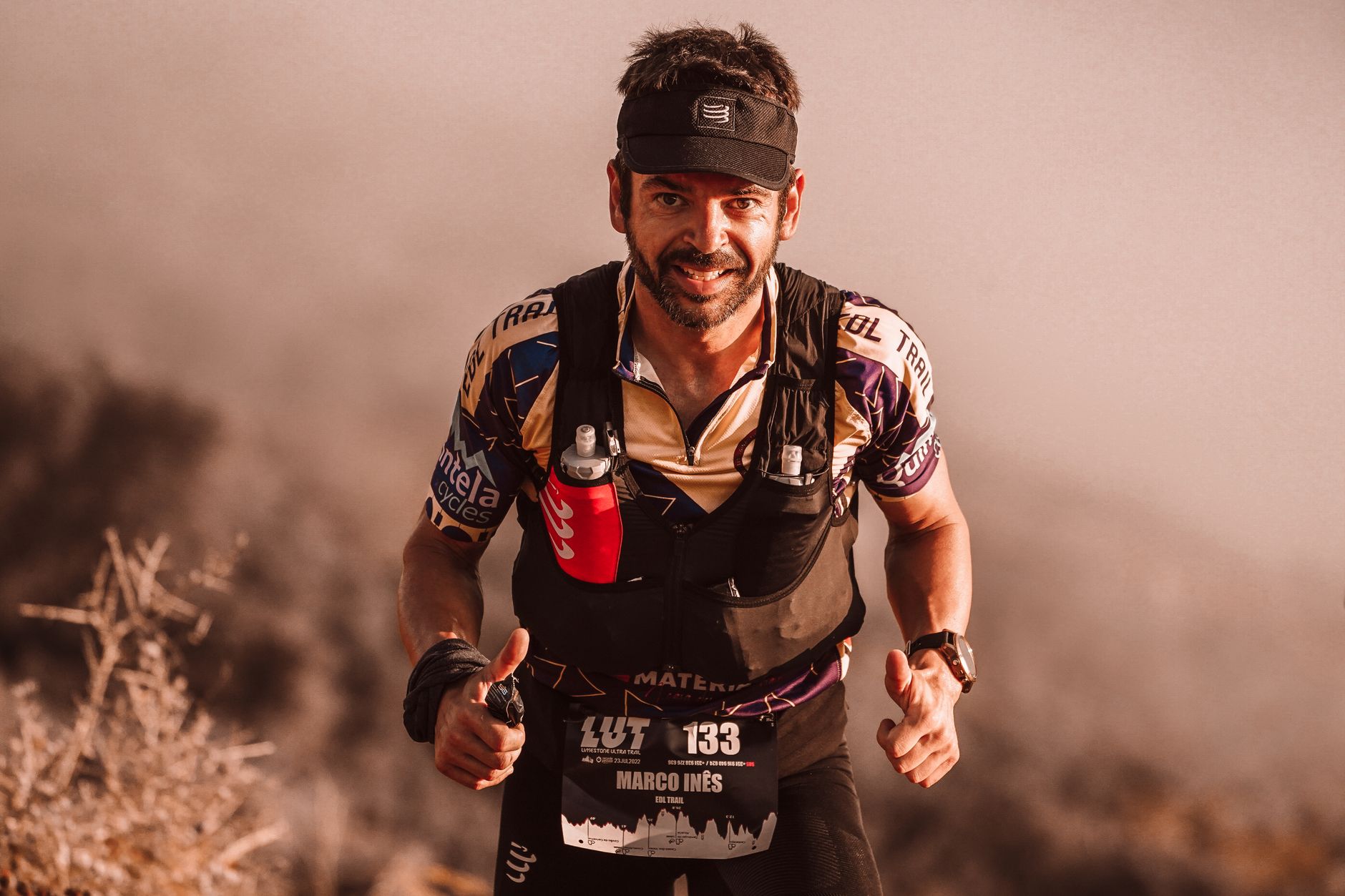
Waterproof Shell Recommendations: Where to Spend and Where to Save
Your waterproof jacket is the single most critical item on the UTMB mandatory gear list and the one where budget options can genuinely fail you. The standard for taped-seam waterproof shells means you’re shopping in the realm of real Gore-Tex or equivalent constructions. Race veterans recommend 2.5-layer or 3-layer hardshells over the popular “packable” ultralight jackets, which often sacrifice durability and sustained waterproofing for packability. If you’re going ultralight here, make sure you’re buying a brand that actually tests to relevant standards, not just labels a DWR-coated nylon a “waterproof jacket.”
For pants, the upgrade worth making is switching from cheap waterproof over-pants with side zips to something with ankle gussets that actually stay on over trail shoes and gaiters at speed. Several recent finishers running under 30 hours noted they never needed their pants — but every single one said they were glad to have pants that packed small and weighed little, because carrying dead weight for 100 miles adds up. Target under 200g for your waterproof pants if budget allows.
1. Montane Minimus Ultra Jacket ⭐⭐⭐⭐⭐
Price range: $280-320 | Premium pick
The Montane Minimus Ultra has become a reference jacket in elite UTMB circles for a reason: it packs to fist-size, weighs around 135g, and uses a fully taped 2.5-layer waterproof construction that passes UTMB checks without argument. The hood cinches tight enough to stay put in high alpine wind and the pit zips make it genuinely wearable while running, not just an emergency layer you suffer through.
Built to last: Pertex Shield+ 2.5-layer fabric with fully taped seams and a durable YKK zipper system; the face fabric holds up to pack abrasion better than comparable weight competitors.
Pros:
- ✓ Among the lightest fully taped waterproof jackets that passes mandatory gear checks
- ✓ Compresses into its own chest pocket
Cons:
- ✗ Premium price; not the jacket for training runs where you’ll snag it on brush
2. Decathlon Kiprun Trail Running Waterproof Jacket ⭐⭐⭐⭐
Price range: $80-110 | Budget pick
Decathlon’s Kiprun line has quietly become the open secret of European trail running — racers on a tighter budget who’ve trained in the Alps know these jackets. The waterproof version uses taped seams and meets UTMB gear check standards. It’s heavier than the Montane at around 300g, but at less than a third of the price it’s a legitimate choice for runners who prioritize budget elsewhere (nutrition, race vest, shoes).
Built to last: 2.5-layer construction with critically taped seams; the outer fabric is a heavier denier than ultralight competitors, which means better abrasion resistance on rocky ridgelines.
Pros:
- ✓ Exceptional value for a genuinely waterproof, taped-seam shell
- ✓ More durable outer face fabric than ultralight competitors
Cons:
- ✗ Heavier than premium options; packs bulkier in your vest
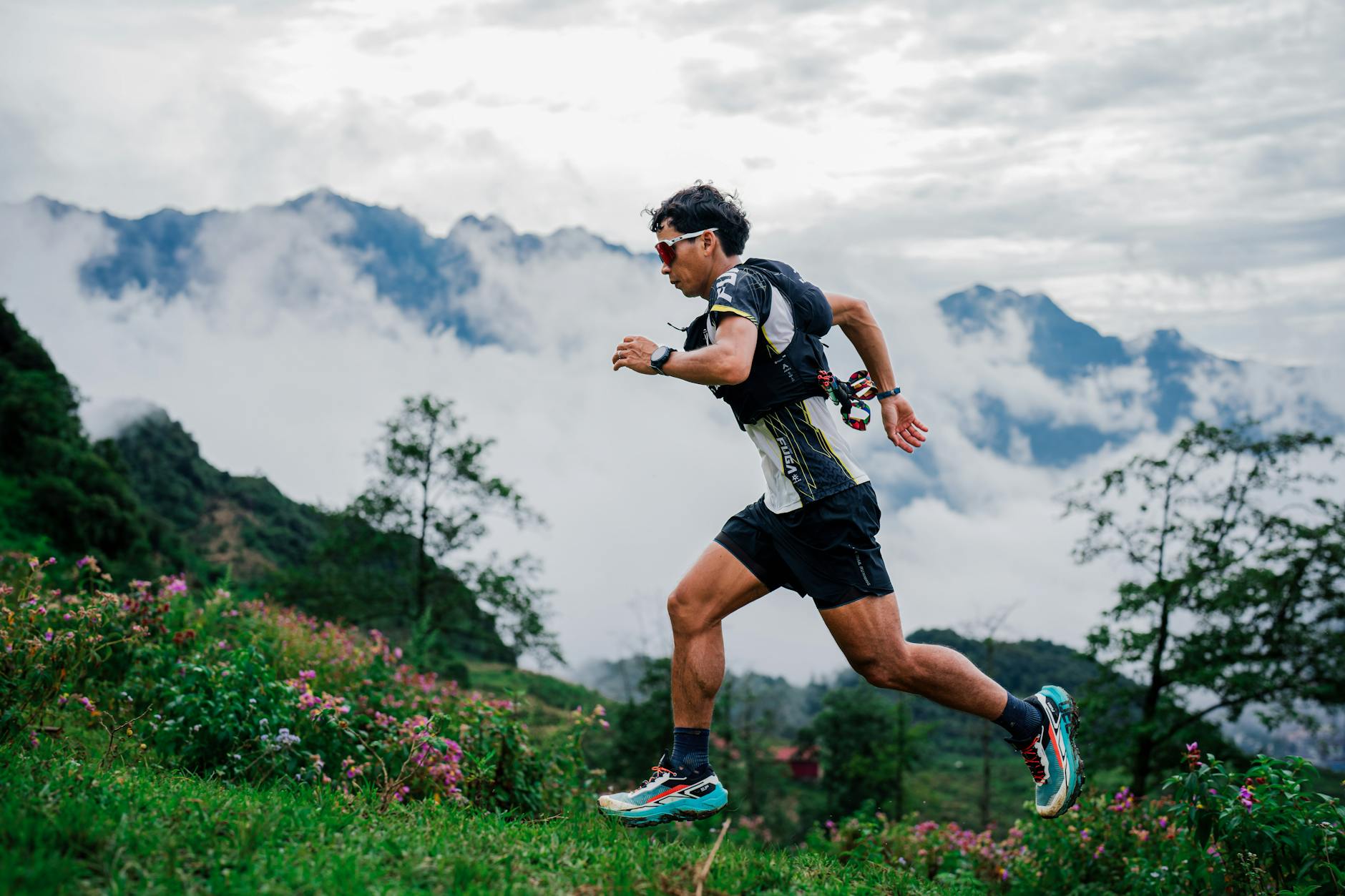
Headlamps and Navigation: Mandatory Minimums vs. What Finishers Actually Use
The 200-lumen minimum for your primary headlamp is low. UTMB involves significant night running — depending on your finish time, you could be running two full nights with your headlamp as your only light source for sections that are genuinely technical. Most experienced finishers run with a 400-600 lumen primary headlamp and carry a compact 100-150 lumen backup. The backup headlamp is where budget options shine: you just need it to work, and it lives in your pack almost always unused.
For navigation, the mandatory physical map and compass are often treated as checkbox items — but the 2019 storm during UTMB reminded the field why they exist. Pairing your GPS watch data with genuine map-reading ability matters. If you’re not confident with a baseplate compass and topographic map, practice before race week. For GPS watch recommendations and offline navigation tools that complement your mandatory paper map, check out our guide to offline navigation apps for hiking — several of the tools covered there are directly applicable to pre-loading UTMB route data.
3. Petzl SWIFT RL Headlamp ⭐⭐⭐⭐⭐
Price range: $100-120 | Premium pick
The Petzl SWIFT RL is the headlamp you see on the heads of UTMB podium finishers and back-of-pack survivors alike. It delivers up to 900 lumens, features reactive lighting that automatically adjusts output based on ambient conditions, and runs on a rechargeable battery that accepts USB-C charging at aid stations. At 100g, it doesn’t punish you for the premium output. The reactive lighting feature alone is worth the price: it preserves battery on well-lit descents and cranks up automatically on dark technical sections.
Built to last: Overmolded housing with IPX4 water resistance rating, reinforced headband stitching, and a robust USB-C port cover that holds up to repeated charging cycles in wet conditions.
Pros:
- ✓ Reactive lighting dramatically extends battery life on mixed terrain
- ✓ USB-C rechargeable at aid stations
Cons:
- ✗ If battery dies mid-race without charging opportunity, you’re relying entirely on your backup
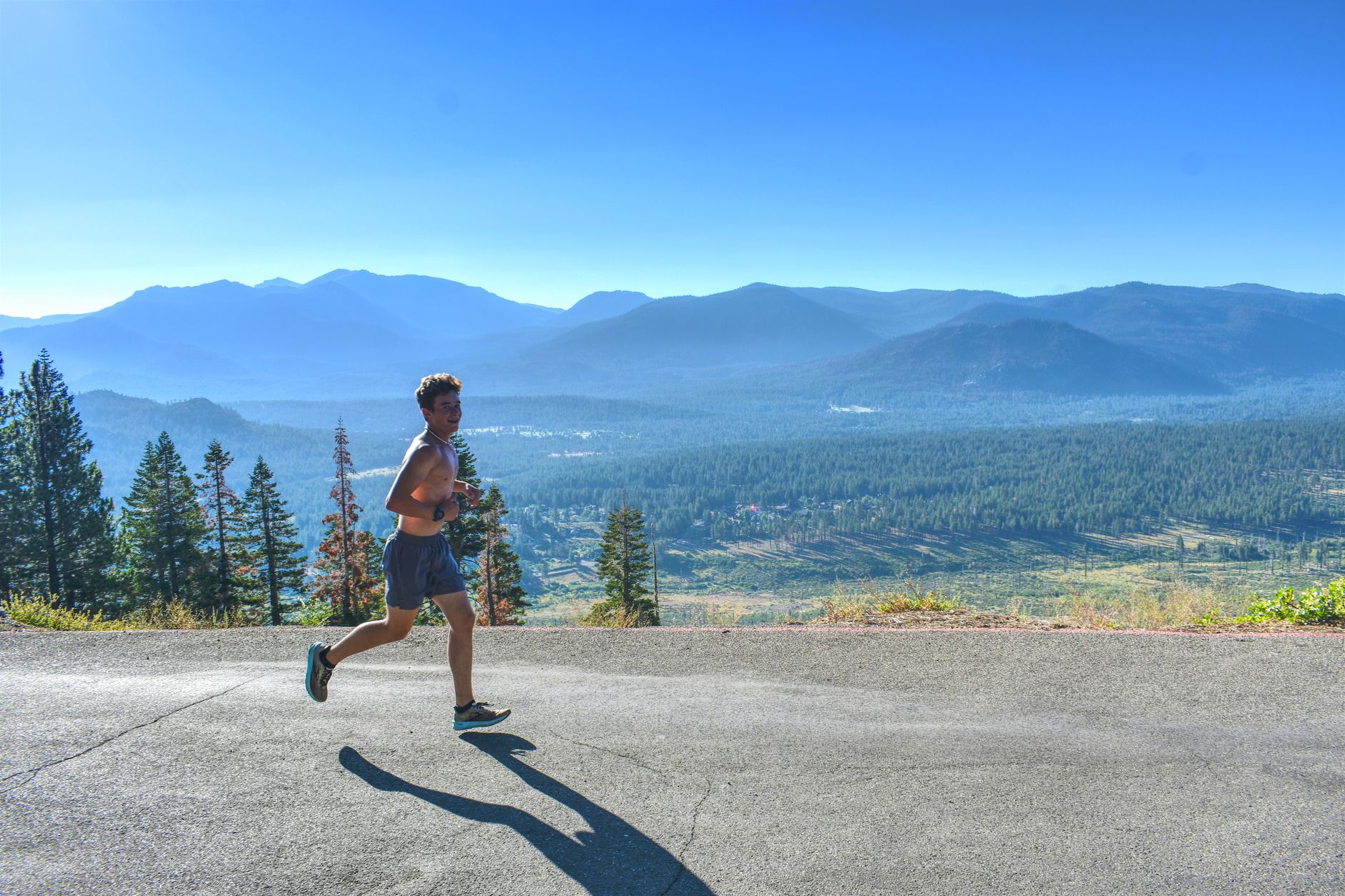
Emergency Shelter and Insulation: The Upgrade That Could Save Your Race (or Your Life)
The mandatory emergency bivy or space blanket is the item most frequently under-specced by UTMB entrants. A standard mylar space blanket weighs 50g and technically passes — but it tears if you breathe on it wrong and provides marginal warmth if you’re already wet and hypothermic. The upgrade path here is significant: a proper SOL Emergency Bivy or equivalent reflective bivy sack adds only 30-50g over a space blanket but provides full wind and rain protection with reflective warmth retention that actually functions in a real emergency scenario. This is one area where the additional weight is unambiguously worth it.
For insulation, the warm mid-layer requirement is typically interpreted as a fleece or light insulated jacket. Down jackets are popular for their warmth-to-weight ratio, but recent finishers who hit rain during overnight sections and had wet-down situations learned the hard way. Synthetic insulation — specifically from brands using Primaloft Gold or Polartec Alpha — maintains warmth when damp and is the smarter choice for a race where you cannot guarantee staying dry. If your foot care game is on point going into the race, also review the strategies in our backcountry foot health kit guide — blisters and foot breakdown cause more DNFs at UTMB than gear failures do.
4. SOL Emergency Bivy ⭐⭐⭐⭐⭐
Price range: $18-25 | Budget pick
The SOL Emergency Bivy is the single smartest upgrade from a standard space blanket you can make. It weighs 3.8oz, packs to the size of a deck of cards, and uses a reflective polyethylene film construction that reflects 70% of your body heat back while actually protecting you from wind and precipitation — unlike open mylar blankets which are useless in any wind. It passes UTMB mandatory gear checks and costs less than a race day gel purchase at the expo. There is no excuse for carrying the inferior option.
Built to last: Aluminized polyethylene composite film is significantly more tear-resistant than standard mylar, with a reinforced seam running the length of the bivy that holds under stress when you’re climbing into it with cold hands.
Pros:
- ✓ Massive upgrade over space blanket in real emergency conditions
- ✓ Affordable and reusable for training events
Cons:
- ✗ Condensation buildup inside during extended use; not a substitute for a real sleeping bag in a prolonged emergency
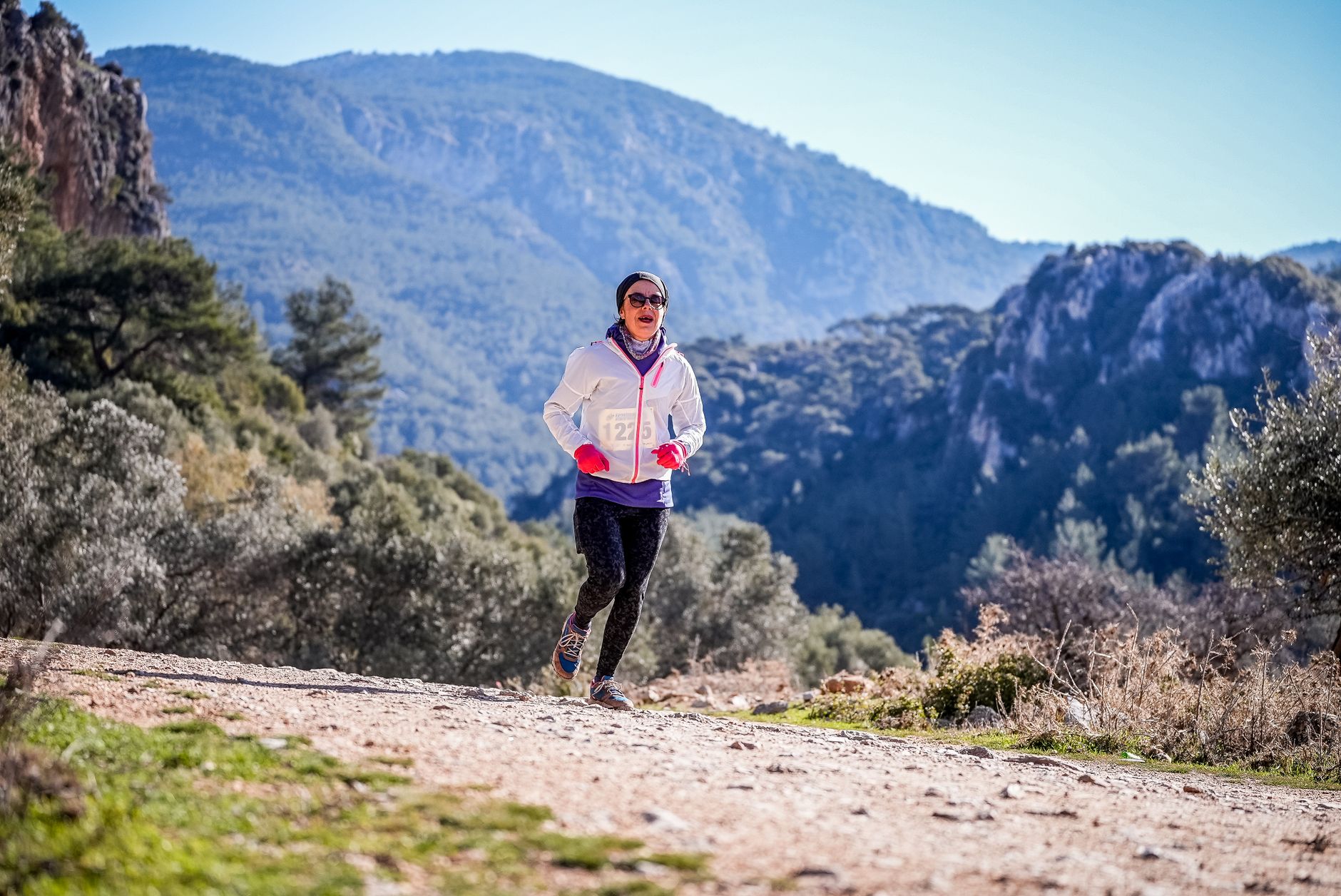
Race Vest Fit and First Aid: What Gear Checks Actually Look For
Marshal gear checks at UTMB are conducted seriously. Checkers will ask you to remove items from your vest, inspect your first aid kit, verify your headlamp turns on, and in some cases test your waterproofs by briefly spraying them. First aid kit requirements include a minimum elastic bandage of at least 100cm, blister supplies, sunscreen, and a whistle. The elastic bandage check is one where racers frequently fail — a small travel bandage doesn’t pass. Carry a proper 10cm wide crepe bandage that unrolls to full length if challenged.
For race vests, the mandatory gear capacity often drives runners toward vests they haven’t trained in, because their preferred minimal vest won’t hold everything. Train in your race vest for at least 60-70% of your long runs in the 3 months before the event. The Salomon Advanced Skin series and the Ultimate Direction Mountain Vest series are the two vest families most commonly worn by UTMB finishers, each offering enough organizational capacity to carry mandatory kit without sacrificing running mobility. Weight your vest loaded with mandatory gear for a training run — you may find items you thought were mandatory minimums are actually heavier than expected when packed together.
5. Salomon Advanced Skin 12 Set ⭐⭐⭐⭐⭐
Price range: $180-220 | Mid-range pick
The Salomon Advanced Skin 12 is arguably the most common vest on the UTMB start line and for good reason: 12 liters is enough to carry all mandatory gear plus race nutrition with room left for a packable insulation layer. The soft flask chest pockets are industry-leading, the back panel accommodates a bladder if you prefer one, and the overall fit system — with its Sensifit-inspired body-conforming design — eliminates bounce at any pace. The “Set” version includes two 500ml soft flasks, which fulfill the mandatory fluid capacity requirement out of the box.
Built to last: Ripstop nylon main fabric with reinforced stress points at the chest buckles and shoulder strap attachment points; the soft flask pockets use a stretch mesh that maintains elasticity after hundreds of insertion cycles.
Pros:
- ✓ Proven in the harshest alpine ultra conditions by thousands of finishers
- ✓ Organizational layout designed specifically around mandatory gear requirements
Cons:
- ✗ Sizing runs specific — try before you buy if possible, and do not size up assuming you can adjust your way to a fit

Final Thoughts: Build Your Kit Early, Test It in the Mountains
The UTMB mandatory gear list exists to keep runners alive on a course that can turn dangerous without warning. The items on it aren’t bureaucratic box-ticking — they’re minimum viable safety equipment for 106 miles of alpine terrain. The upgrades covered in this guide are about going beyond minimum viable to genuinely prepared: a real emergency bivy instead of a foil blanket, a high-output rechargeable headlamp instead of a basic 200-lumen torch, a synthetic mid-layer instead of a weight-optimized down piece that fails when wet.
Start assembling your kit the moment registration opens. The items that seem like easy last-minute purchases — waterproof pants, backup headlamps, compasses — are exactly the items that go out of stock or ship late when thousands of other runners are building the same kit at the same time. Buy early, test everything on your long training runs, and show up at gear check with zero surprises. The race is hard enough without losing your bib over a missing elastic bandage.
Shop Backcountry Gear Labs on Etsy
Hoodies, tees, hats, and more for campers and hikers who live for the trail.
Get Weekly Gear Picks
Join the Backcountry Gear Labs newsletter for expert gear picks and backcountry advice, every week.