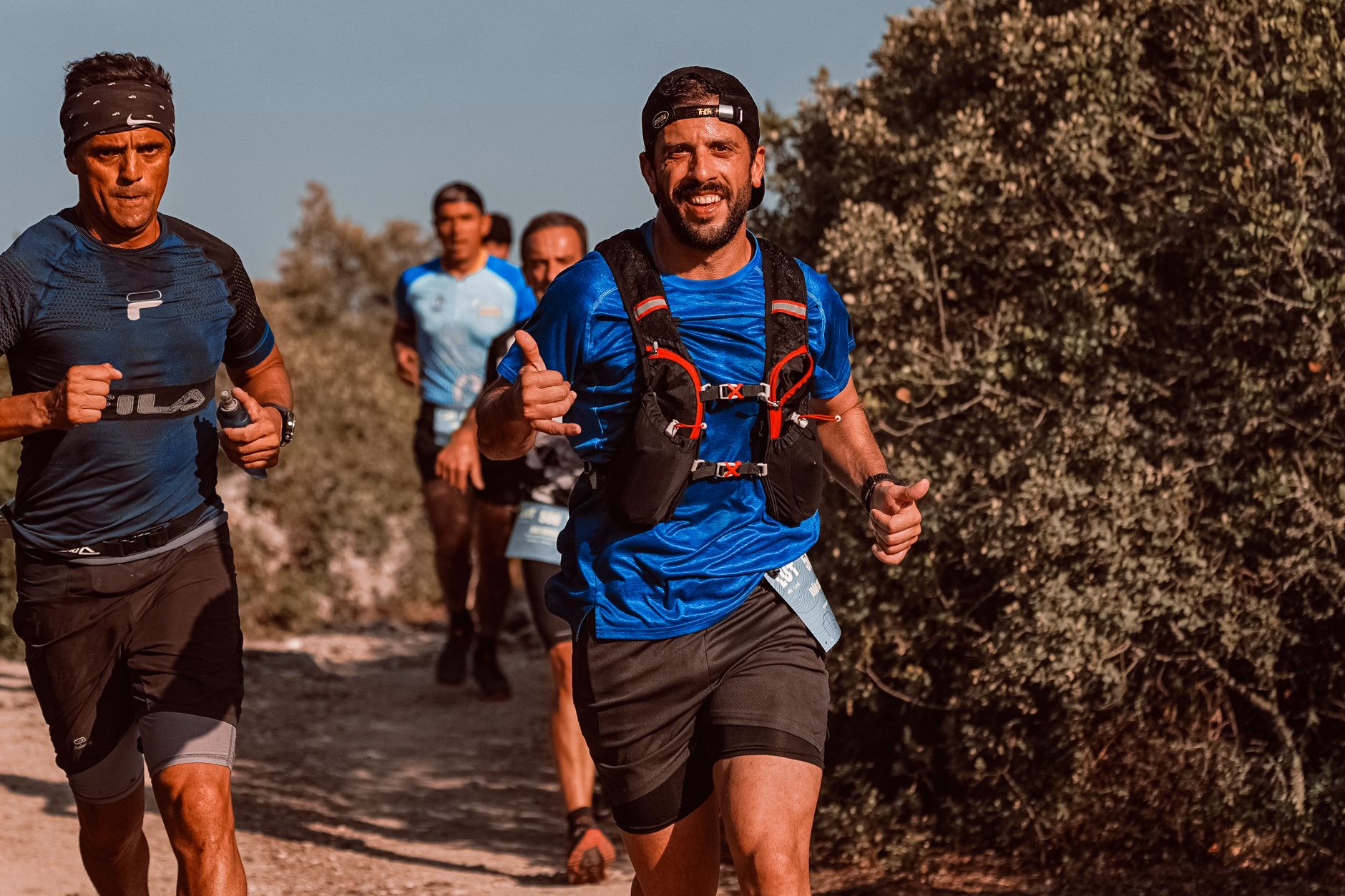
When Rachel Entrekin crossed the finish line at the Cocodona 250 — one of the most grueling ultramarathons in North America — every piece of gear on her body had earned its place through hundreds of training miles and brutal desert conditions. If you’re researching Rachel Entrekin Cocodona 250 gear, you already know that a 250-mile race through the Arizona backcountry demands kit that performs across heat, cold, technical terrain, and sleepless nights. This isn’t a race where gear choices are casual — they’re survival decisions.
What makes Entrekin’s setup particularly instructive for other ultrarunners is its balance between performance and practicality. She didn’t just throw premium gear at the problem. Each category — vest, shoes, hydration, nutrition, safety — reflects deliberate decisions made by an athlete who had to carry everything comfortably across multiple days and elevation changes. Below, we break down the key gear categories from her winning run, what she used, why it works, and what to buy at every price point if you’re building your own race kit.
This breakdown is built for ultrarunners and serious trail runners who want actionable, gear-level detail — not a highlight reel. Whether you’re planning a Cocodona 250 attempt or just want to understand how elite athletes equip themselves for multi-day desert suffering, this is the complete picture.
Race Vest: The Ultramarathon Vest That Carried Entrekin Through 250 Miles
Entrekin ran in a vest optimized for long-haul comfort over raw storage volume. At the Cocodona 250, the vest needs to handle everything from exposed desert flats to technical mountain singletrack, which means fit stability matters as much as pocket layout. A bouncing, shifting vest over 250 miles creates chafing, fatigue, and distraction — all race-enders in slow motion. Elite runners at this distance tend toward vests in the 6–12 liter range that sit close to the body without compressing breathing.
The Salomon Advanced Skin 12 has been a consistent choice among Cocodona-caliber athletes. Its Sensifit construction wraps the torso without pressure points, and the 12-liter capacity is enough to handle mandatory gear plus nutrition without overloading. For runners who prefer a lower-profile carry, the Ultimate Direction Race Vest 6.0 offers a trimmer fit and front-pocket system that keeps calories accessible without breaking stride. Both represent the thoughtful engineering that multi-day desert running demands.
1. Salomon Advanced Skin 12 Set ⭐⭐⭐⭐⭐
Price range: $160-180 | Premium pick
The benchmark vest for multi-day ultras. Sensifit construction eliminates bounce across technical terrain, twin 500ml soft flasks sit flush against the chest, and 12 liters of storage handles mandatory gear lists without bulging. A favorite at races like Cocodona for a reason.
Built to last: Made from lightweight yet tough ripstop nylon with reinforced stress points at shoulder straps and side compression cords — holds up through hundreds of miles of sweat, grit, and aid-station chaos.
Pros:
- ✓ Best-in-class bounce control
- ✓ Excellent front-pocket accessibility
Cons:
- ✗ Sizing runs narrow — order up if between sizes
2. Nathan VaporAiress 7L Race Vest ⭐⭐⭐⭐
Price range: $85-110 | Budget/Mid-range pick
A legitimate sub-$110 vest that punches above its price. The VaporAiress uses a mesh back panel for breathability on desert heat, includes two 20oz soft flasks, and has enough front pockets to keep a full aid-station rotation organized. Not quite as dialed as the Salomon, but a strong entry point for runners building toward longer distances.
Built to last: Constructed from stretch mesh and abrasion-resistant polyester panels at high-wear zones — the shoulder straps and flask pockets hold their shape well across a full training season.
Pros:
- ✓ Excellent value for the capacity
- ✓ Breathable back panel for hot conditions
Cons:
- ✗ Buckle system less refined than premium vests
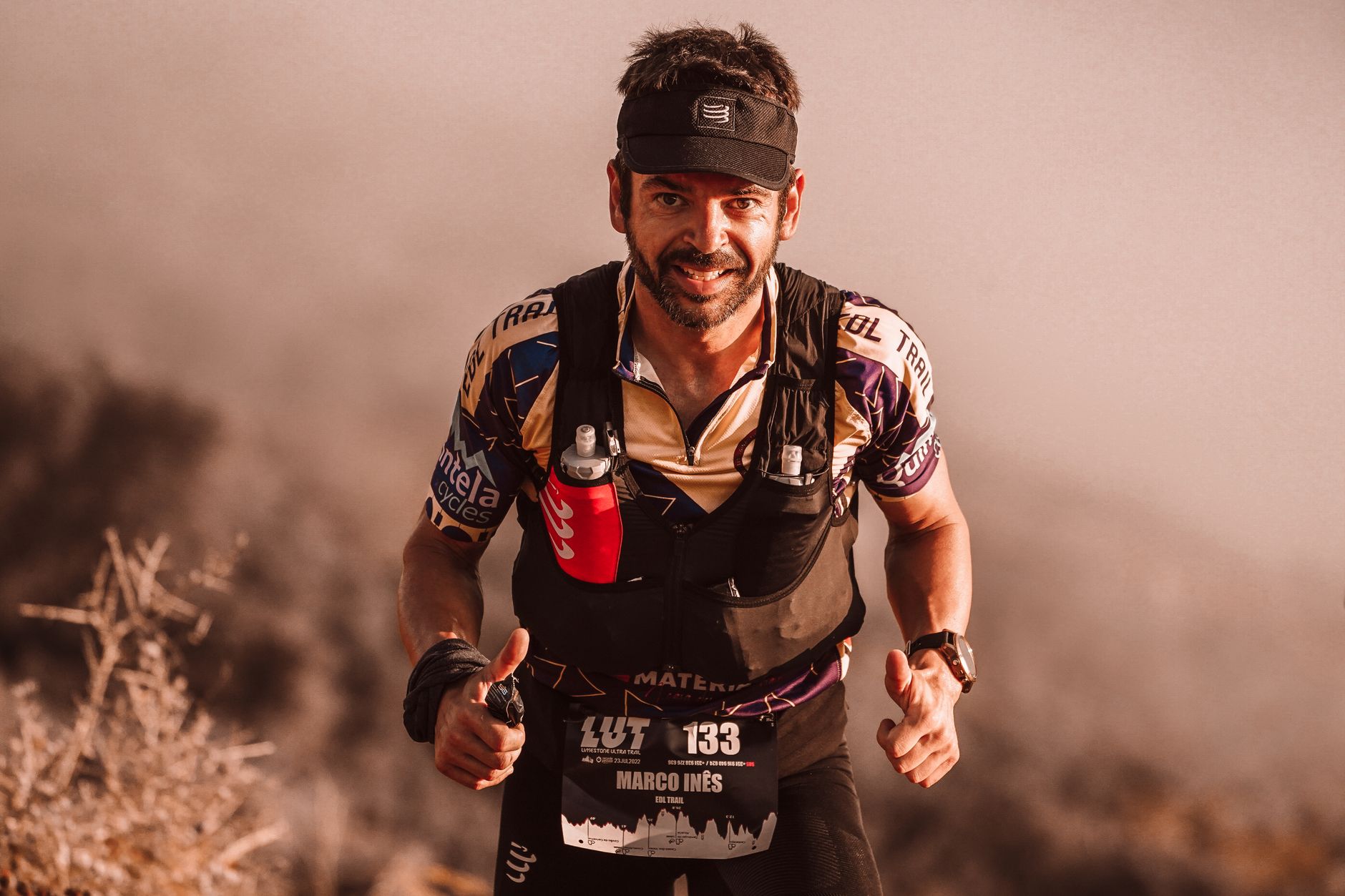
Trail Shoes: Cushion, Grip, and Durability Across Desert Terrain
Shoe selection for a 250-mile desert race is a multi-shoe decision. Most competitive runners carry crew-accessible drops with alternate pairs and rotate based on terrain type and foot swelling — which increases dramatically after 100+ miles. Entrekin’s shoe setup prioritized cushion and outsole durability on hard-pack desert trails, with enough grip for the technical rocky sections above Prescott. The Cocodona course punishes thin-soled shoes; rock plate protection is effectively non-negotiable on certain stretches.
The Hoka Speedgoat 5 is the workhorse shoe for this kind of abuse — 5mm Vibram Megagrip outsole, 4mm lug depth, and Hoka’s signature maximal midsole that keeps legs fresher deeper into a race. For athletes who prefer a slightly lower stack with more ground feel, the Brooks Cascadia 17 offers bomber durability and a rock plate in a more traditional trail geometry. Either option pairs well with proactive blister prevention — if you’re logging 250-mile territory, our backcountry foot health kit covers the friction management and recovery products that keep feet functional deep into a multi-day race.
3. Hoka Speedgoat 5 ⭐⭐⭐⭐⭐
Price range: $140-160 | Premium pick
The Speedgoat 5 is a legitimate workhorse at the elite ultra level. The Vibram Megagrip compound with 4mm lugs handles everything from loose desert sand to wet granite slabs. Hoka’s maximal midsole geometry distributes impact across a wider platform, reducing leg fatigue accumulation on back-to-back long days. Race-proven at 100-mile and 200-mile distances repeatedly.
Built to last: Vibram Megagrip outsole is among the most durable rubber compounds in trail running, maintaining grip integrity well beyond 500 miles in most conditions.
Pros:
- ✓ Exceptional cushion-to-durability ratio
- ✓ Megagrip outsole works wet or dry
Cons:
- ✗ Wide platform feels awkward for narrow-footed runners
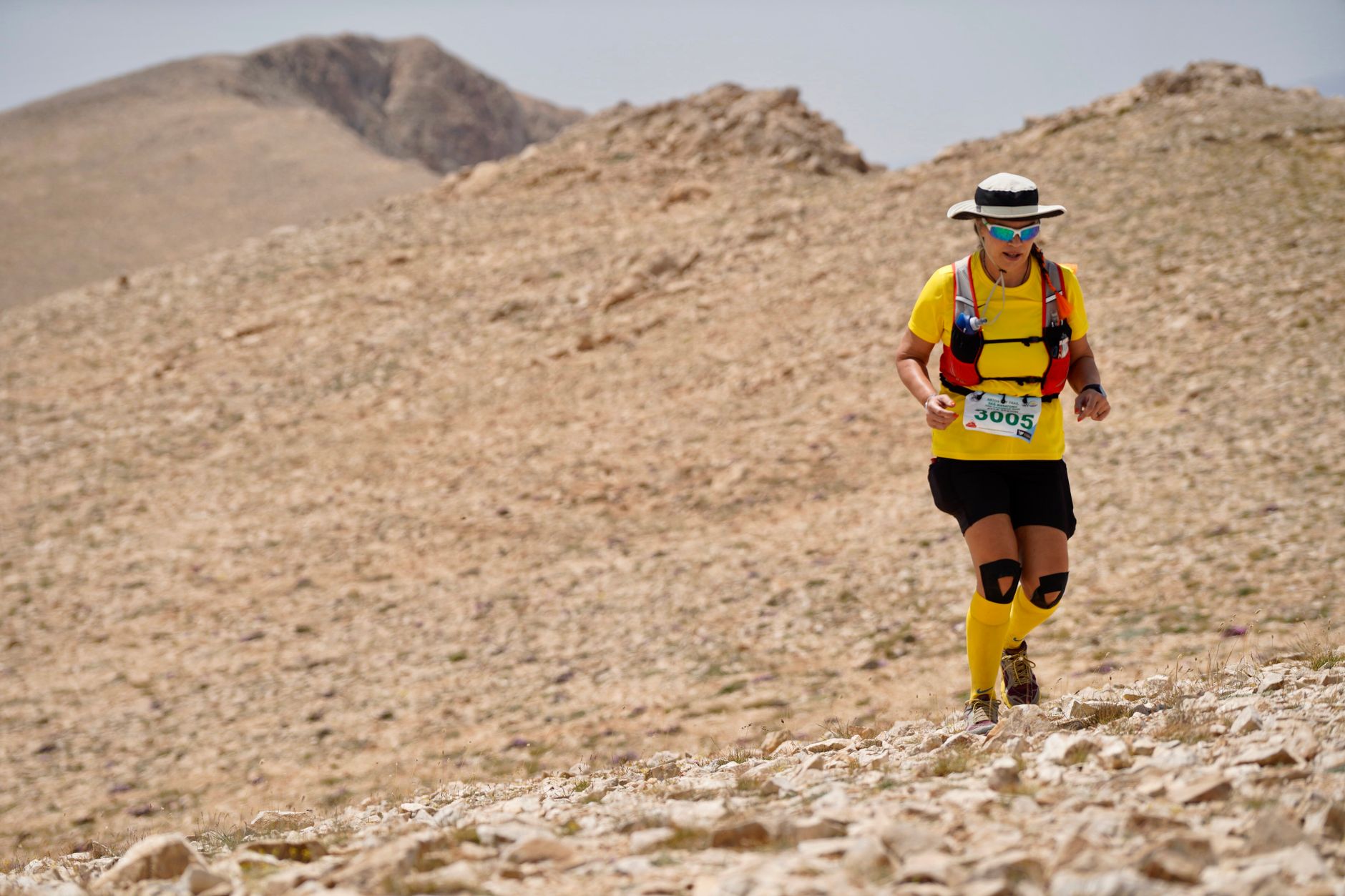
Hydration System: Soft Flasks, Electrolytes, and Desert Water Strategy
Hydration strategy at the Cocodona 250 isn’t just about carrying enough water — it’s about maintaining electrolyte balance across triple-digit desert temperatures and frigid overnight descents. Entrekin’s hydration setup centered on front-mounted soft flasks for fast access and a reserve bladder capacity for longer stretches between aid stations. Cocodona’s water sources are spaced variably; some segments require carrying 2+ liters, others are well-supported with under 45-minute gaps.
The Hydrapak Softflask 500ml is the industry standard soft flask for a reason — it collapses as volume decreases (eliminating sloshing), the bite valve flows fast, and it survives thousands of fill cycles without cracking. For electrolyte management, Precision Hydration’s PH 1000 tablets offer a sodium-forward formula designed specifically for heavy sweaters in heat — something generic sports drinks significantly undershoot. Hydration discipline over 250 miles is as important as any piece of hardware.
4. Hydrapak Softflask 500ml ⭐⭐⭐⭐⭐
Price range: $12-18 | Budget pick
The Softflask is the reference standard for vest-compatible hydration. It collapses completely as you drink, eliminating the annoying slosh that throws off your stride at mile 200. The TPU construction is BPA-free, kink-resistant, and survives being crammed into vest pockets thousands of times. Bite valve flows easily even with cold fingers at 3am aid stations.
Built to last: Food-grade TPU body is puncture-resistant and UV-stable — these routinely outlast multiple vest upgrades with basic cleaning maintenance.
Pros:
- ✓ Eliminates slosh completely when partially full
- ✓ Exceptional durability for the price
Cons:
- ✗ Mold risk if stored wet — always dry fully before storage
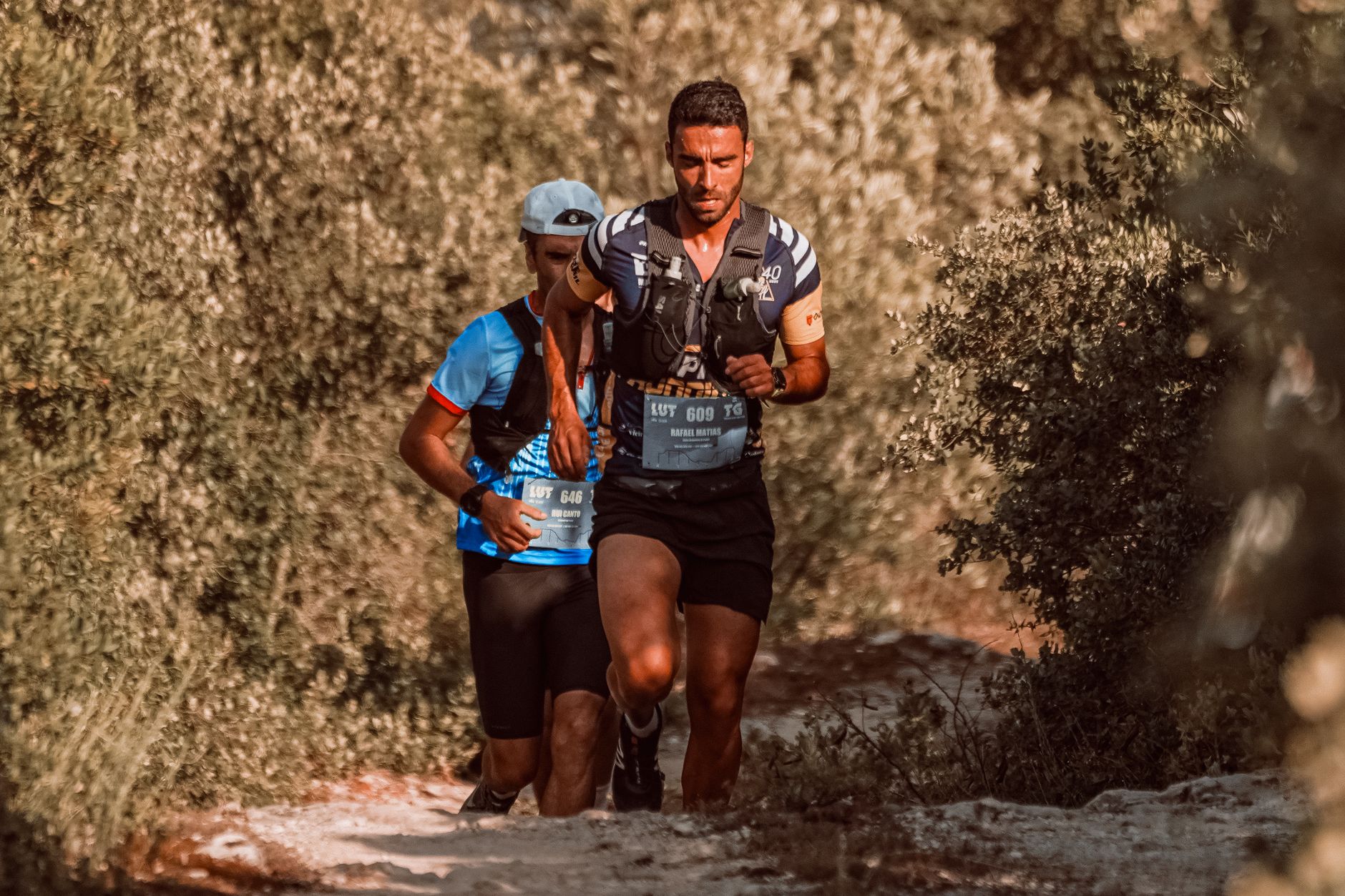
Nutrition Strategy: What Fuels 250 Miles of Desert Running
Nutrition at this distance is essentially a second job. The goal isn’t just calorie replacement — it’s maintaining gut function, palatability, and sodium balance across days of running. Most elite 200-mile runners consume 200–300 calories per hour during moving time, and the biggest failure mode isn’t bonking — it’s GI distress shutting down the ability to eat entirely. Entrekin’s nutrition approach leaned on easily digestible, familiar foods: gels for running sections, real food at aid stations, and salt supplementation throughout.
Maurten Gel 100 has become a staple for elite ultra nutrition because its hydrogel technology reduces GI stress compared to traditional maltodextrin-based gels — a major advantage when you’re asking your stomach to process fuel for days, not hours. Spring Energy real-food pouches (made with actual rice, fruit, and whole foods) offer a palatability alternative that many runners find easier to stomach after the 100-mile mark, when the thought of another gel becomes actively nauseating. Budget-conscious runners can supplement with Medjool dates, boiled potatoes, and peanut butter packets from any grocery store — real food that’s worked for ultrarunners for decades.

Safety Gear and Navigation: Non-Negotiables at the Cocodona 250
The Cocodona 250 mandatory gear list exists because the Arizona backcountry is genuinely dangerous — flash floods, extreme temperature swings, remote terrain with limited cell coverage, and technical navigation through the night. Safety gear isn’t where elite runners cut weight. Entrekin carried a satellite communicator, emergency bivy, headlamp with backup batteries, and a whistle as non-negotiables. The race organization verifies mandatory gear; failing a check means disqualification, but more importantly, this stuff saves lives.
The Garmin inReach Mini 2 is the gold standard satellite communicator at this distance — two-way messaging, SOS capability, and GPS tracking that lets your crew monitor your position in real time. Paired with a reliable primary headlamp like the Black Diamond Spot 400, you have the core of a functional safety system. For navigation discipline, the principles we cover in our backcountry navigation kit guide apply directly to multi-day ultra preparation — course familiarity, offline maps, and redundant navigation tools are all relevant to Cocodona-level racing.
5. Garmin inReach Mini 2 ⭐⭐⭐⭐⭐
Price range: $350-400 | Premium pick
At 100 grams, the inReach Mini 2 is the lightest two-way satellite communicator on the market that actually works. SOS connects to GEOS 24/7 emergency response coordination, two-way messaging keeps your crew informed, and live tracking via the Garmin Explore platform gives race supporters real-time positioning data. Non-negotiable at events like Cocodona where cell coverage disappears for long stretches.
Built to last: Polycarbonate housing with rubber overmold, rated to MIL-STD-810 for shock and water resistance — survives desert drops, rain, and vest pocket abuse across multi-day events.
Pros:
- ✓ True two-way satellite messaging anywhere on Earth
- ✓ Lightest unit in its class at 100g
Cons:
- ✗ Requires ongoing subscription plan in addition to device cost
Rachel Entrekin’s Cocodona 250 win wasn’t built on one magic piece of gear — it was built on a system of equipment that worked together without failure across 250 miles of punishment. The vest didn’t bounce. The shoes held grip. The hydration system stayed functional at 3am. The nutrition kept her stomach cooperating. The safety gear stayed ready without ever being needed. That’s the real lesson in any elite ultramarathon gear breakdown: it’s not about the most expensive kit, it’s about gear that earns zero attention during the race because everything just works. Build your system the same way — deliberately, redundantly, and tested well before race day.
Shop Backcountry Gear Labs on Etsy
Hoodies, tees, hats, and more for campers and hikers who live for the trail.
Get Weekly Gear Picks
Join the Backcountry Gear Labs newsletter for expert gear picks and backcountry advice, every week.