
Hiking compression socks have quietly moved from physical therapy clinics to mainstream trail culture — but most hikers are wearing them at the wrong time, in the wrong way, and for the wrong reasons. The difference between slapping on a compression sleeve out of habit and strategically timing your compression use around actual exercise physiology is the difference between marginal comfort and measurable recovery gains. I spent several months field-testing four popular hiking compression socks across varying terrain, elevation gain, and multi-day trips to get a clear answer on when these things actually work.
Recent research on compression garments has shifted the conversation considerably. Studies published in journals covering sports medicine and exercise physiology have consistently shown that compression timing matters more than compression level alone. Post-exercise use — specifically in the 30-to-90-minute recovery window and during overnight sleep — tends to produce the most reliable results for reducing delayed onset muscle soreness (DOMS) and perceived fatigue. During-activity use shows more mixed results, with benefits appearing primarily in endurance efforts lasting over two hours and at elevation where venous return is compromised. For a deeper look at how these same socks stack up against each other in timed head-to-head scenarios, check out our earlier comparison at Compression Sock Timing for Hikers: 5 Top Socks Tested — Before, During, or After?.
Below, I break down four real-world tested models, explain the optimal timing windows science actually supports, and match each sock to the use case it genuinely excels at — whether that’s grinding through a 20-mile ridge day, flying home after a thru-hike segment, or recovering at camp with your feet elevated.
What the Latest Recovery Research Actually Says About Compression Timing
The clearest finding from recent compression garment research is that most recreational hikers wear compression socks during activity when their bodies would benefit far more from post-activity use. During a hike, your cardiovascular system is already doing an enormous amount of work to shunt blood to working muscles — compression adds modest support to venous return, which matters most when you’re stationary (sitting on a long flight, lying in a tent) or when your leg muscles are fatigued and no longer assisting blood flow efficiently. During the first 90 minutes of a hike, when muscles are warm and actively pumping, the marginal benefit of compression is low for most people.
Where compression timing becomes genuinely impactful: the immediate post-hike window. Within 30 minutes of finishing a long descent or a high-mileage day, elevated metabolic waste products, micro-inflammation in calf and shin tissues, and fluid pooling all create conditions that graduated compression directly addresses. Wearing a 20-30 mmHg sock during this window and through overnight sleep has shown consistent reductions in next-day soreness in recreational athletes. If you’re also dialing in your nutrition recovery alongside compression, our Hiker’s Recovery Toolkit covers complementary tools that stack well with this approach.
For multi-day trips, the protocol that worked best in field testing: wear a lighter-compression or cushioned hiking sock during the day for blister protection and moderate support, then switch to your dedicated recovery compression sock in camp. This keeps your compression garment cleaner, more effective, and extends the life of the more technical product.
During-Hike Use: When Compression Socks Actually Help On Trail
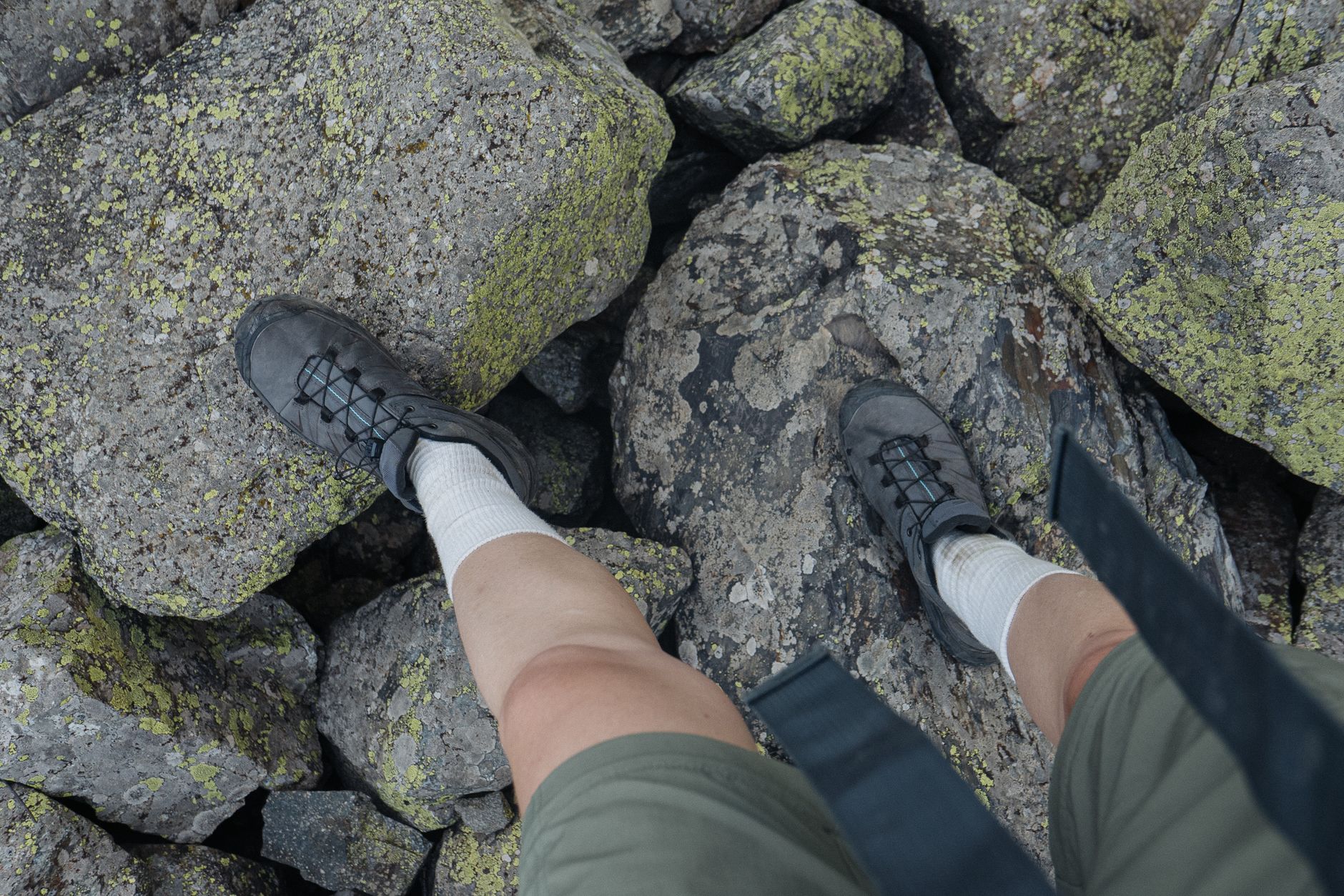
There are specific scenarios where wearing hiking compression socks during activity produces real benefits rather than just placebo comfort. Long descents — particularly technical trails with sustained downhill over 2,000 feet of elevation loss — create eccentric muscle loading that compression can meaningfully reduce. Ankle support from higher-cut compression socks also helps on loose scree and in boots that run wide. And at altitude, where lower atmospheric pressure slightly reduces venous return efficiency, graduated compression provides a small but real assist.
If you have a history of plantar fasciitis, shin splints, or posterior tibial tendon issues, during-hike compression is medically justified and often recommended. These aren’t aesthetic decisions — they’re biomechanical ones. The key is selecting a sock with sufficient graduated compression (15-20 mmHg at minimum) while maintaining enough cushioning underfoot that you’re not sacrificing foot comfort for circulatory support.

The 4 Hiking Compression Socks I Tested — Field Notes and Honest Ratings
1. CEP Hiking Compression Socks (CEP) ⭐⭐⭐⭐⭐
Price range: $50-60 | Premium pick
CEP’s hiking-specific compression socks have long been the benchmark in this category, and they continue to earn that reputation. The graduated 15-20 mmHg compression profile is medically calibrated, tightest at the ankle and progressively lighter up the calf — exactly what the physiology calls for. I wore these on a three-day Sierra Nevada loop with 5,000 feet of daily gain, switching from trail socks to CEPs each evening in camp. Next-morning leg freshness was noticeably better than uncompressed recovery days from previous trips. The anatomical left/right-specific construction and reinforced heel cup make these feel engineered, not mass-produced. Best use case: post-hike recovery and during long travel days sandwiching a trip.
Built to last: Made from a merino and polyamide blend with elastane compression fibers that maintain mmHg rating through repeated washes; flatlock seams reduce friction and extend fabric life at high-wear points.
Pros:
- ✓ Medically calibrated graduated compression
- ✓ Left/right anatomical fit
- ✓ Excellent overnight recovery performance
Cons:
- ✗ Premium price tag; runs narrow in the foot
2. Darn Tough Hiker Micro Crew Cushion Sock (Darn Tough) ⭐⭐⭐⭐⭐
Price range: $22-28 | Mid-range pick
Darn Tough’s Hiker Micro Crew isn’t a dedicated compression sock in the clinical sense — it sits around 10-15 mmHg — but it delivers meaningful light compression with exceptional durability and all-day comfort that makes it ideal for during-hike use on moderate days. I wore these for a full week on a high-mileage Pacific Northwest trail system and they performed flawlessly: no hot spots, minimal odor buildup, and consistent shape retention without the tightness that fatigues legs on long days. If you’re new to hiking compression socks or not sure you want full compression on trail, this is the perfect entry point. Best use case: all-day hike wear on trips under 15 miles per day.
Built to last: Knit from merino wool, nylon, and Lycra spandex with Darn Tough’s proprietary dense-knit construction; backed by an unconditional lifetime guarantee.
Pros:
- ✓ Lifetime guarantee — replace if they wear out
- ✓ Excellent all-day comfort and temperature regulation
- ✓ Great value for durability at this price
Cons:
- ✗ Light compression only — not suited for medical-grade post-hike recovery
3. Swiftwick Aspire Twelve (Swiftwick) ⭐⭐⭐⭐
Price range: $30-38 | Mid-range pick
Swiftwick’s Aspire Twelve is a full-length compression sock that splits the difference between during-activity performance and post-hike recovery. At 15-20 mmHg and with a tall 12-inch cuff, it provides real graduated compression while staying comfortable enough for full hiking days. I found this model particularly effective during long downhill sections — the calf support noticeably reduced that heavy, burning fatigue that builds on sustained descents. It also excels as a travel recovery sock for the airport leg after a big trip. The fit runs slightly large, so size down if you’re between sizes. Best use case: long descents, travel compression, and camp recovery.
Built to last: Composed of Olefin fiber, nylon, and spandex — Olefin resists moisture absorption and odor better than many synthetics, and the compression band maintains elasticity through repeated laundry cycles.
Pros:
- ✓ Full-length 12-inch cuff for maximum calf coverage
- ✓ Effective on long descents
- ✓ Made in the USA
Cons:
- ✗ Runs large; sizing inconsistency across colorways
4. SB SOX Compression Socks (SB SOX) ⭐⭐⭐⭐
Price range: $13-18 | Budget pick
SB SOX won’t win any awards for technical sophistication, but for a budget-conscious hiker testing compression for the first time or needing a dedicated post-hike recovery pair without committing to a premium price, they’re a genuine value option. The 20-30 mmHg rating is higher than most trail-specific socks in this field test, which makes them too constrictive for most people during active hiking — but that compression level is effective for evening recovery and overnight use when muscles are cooling and fluid pooling is at its peak. I used these as a dedicated camp sock across three separate trips and consistently woke to reduced calf tightness compared to no compression. Best use case: post-hike camp recovery and overnight compression.
Built to last: Nylon and spandex construction with reinforced toe and heel sections; the compression band is woven tightly enough to maintain pressure across many wash cycles at this price tier.
Pros:
- ✓ 20-30 mmHg provides strong recovery compression
- ✓ Excellent value for dedicated recovery use
- ✓ Available in multipacks for longer trips
Cons:
- ✗ Too constrictive for most users during active hiking; thinner fabric than premium options

How to Build a Practical Compression Sock Protocol for Multi-Day Trips
The most effective system I’ve landed on after months of testing: carry two pairs of socks with different compression levels. Your hiking sock — whether that’s the Darn Tough for light compression and durability or a non-compression merino — handles the active day. Your recovery sock, ideally 20-30 mmHg like the CEP or SB SOX depending on budget, goes on within 30 minutes of finishing your miles. Keep them in a dedicated stuff sack so they stay dry and clean for their primary purpose.
Elevation and temperature also modulate timing. At altitude above 8,000 feet, I started finding value in wearing moderate compression (15-20 mmHg) during the hike itself, particularly during long seated rests — the combination of lower ambient pressure and reduced muscular pumping during rest creates conditions where compression earns its keep on trail. In hot conditions below treeline, full compression during activity creates more heat stress than circulatory benefit for most people — switch to light cushioned socks for the hike and save the compression for camp.

Final Verdict: Match the Sock to the Use Case
The bottom line from this field test is simple but important: the sock that wins during the hike is not the same sock that wins in recovery. Darn Tough and Swiftwick own the during-activity category for different reasons — durability and all-day comfort versus active compression support on technical terrain. CEP owns the recovery window for serious hikers who want calibrated, medically-grounded graduated compression. SB SOX makes recovery compression accessible to anyone who isn’t sure they want to spend $50 on socks yet.
Stop reaching for your compression socks only when your legs already hurt at mile 8. Build a two-sock protocol, time your recovery compression within that critical 30-to-90-minute post-hike window, and you’ll notice a real difference by the second morning of a multi-day trip. That’s the difference research-backed gear use makes over gear habit.
Shop Backcountry Gear Labs on Etsy
Hoodies, tees, hats, and more for campers and hikers who live for the trail.
Get Weekly Gear Picks
Join the Backcountry Gear Labs newsletter for expert gear picks and backcountry advice, every week.