# Best Trekking Poles for Hiking in 2026: Complete Buyer’s Guide
Quick Summary
The right trekking poles can transform your hiking experience by reducing joint stress, improving stability on technical terrain, and boosting overall endurance. We’ve tested the latest 2026 models to identify the best trekking poles for every budget and hiking style.
- Best Overall: Black Diamond Distance Carbon Z
- Best Budget: Cascade Mountain Tech Aluminum Trekking Poles
- Best Premium: Leki Micro Vario Carbon
Whether you’re tackling steep mountain passes, navigating rocky descents, or simply looking to ease the strain on your knees during long-distance hikes, investing in quality trekking poles is one of the smartest decisions you can make as a hiker. Modern trekking poles have evolved significantly, offering advanced materials, adjustable designs, and ergonomic features that cater to different hiking needs and preferences.
The best trekking poles for hiking strike the perfect balance between lightweight construction, durability, and comfortable grip—factors that directly impact your performance and comfort on the trail. In this comprehensive guide, we’ll walk you through the top-rated trekking poles available now, helping you choose the perfect pair for your next adventure.
Trekking poles aren’t just for ultralight thru-hikers or mountaineers. Day hikers, backpackers, and casual trail walkers all benefit from the reduced impact on joints, improved balance, and increased propulsion on climbs that quality poles provide. Our selection process focused on real-world performance, user feedback, and tested durability to bring you the most reliable options.
Our Top 5 Best Trekking Poles for Hiking
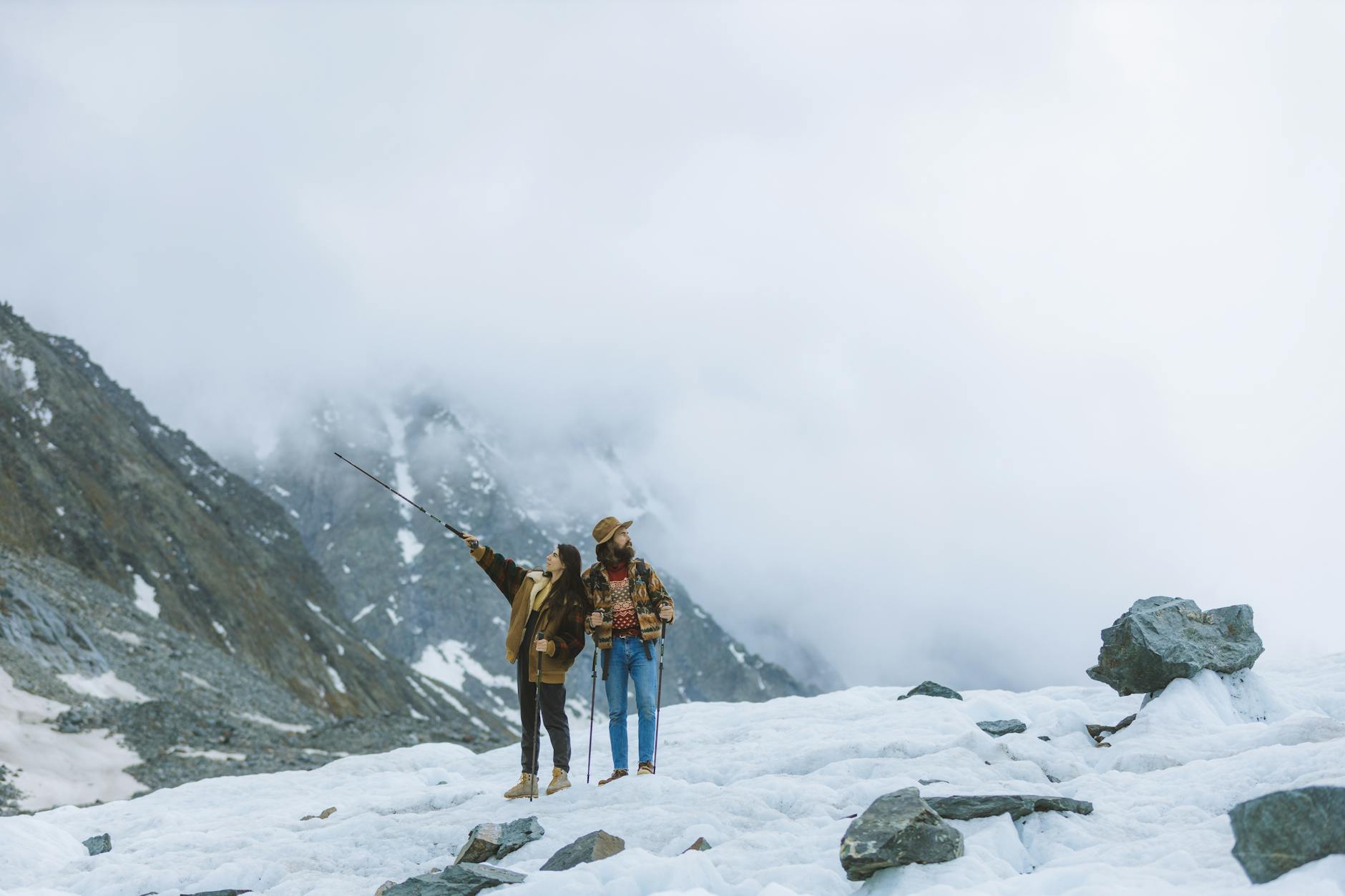
1. Black Diamond Distance Carbon Z ⭐⭐⭐⭐⭐
The Black Diamond Distance Carbon Z represents the pinnacle of trekking pole engineering for serious hikers. These ultralight poles feature a premium carbon shaft construction that delivers exceptional strength-to-weight ratio, making them ideal for long-distance hiking and mountaineering. The ergonomic FlickLock Pro adjustment system allows for quick, one-handed length modifications without removing gloves.
Pros:
- ✓ Ultralight at 7.6 oz per pair with premium carbon construction
- ✓ FlickLock Pro system enables seamless adjustments while hiking
- ✓ Comfortable cork grip that naturally molds to your hand
- ✓ Includes multiple basket options for different terrain
Cons:
- ✗ Higher price point may deter budget-conscious buyers
- ✗ Carbon construction requires careful handling to avoid damage
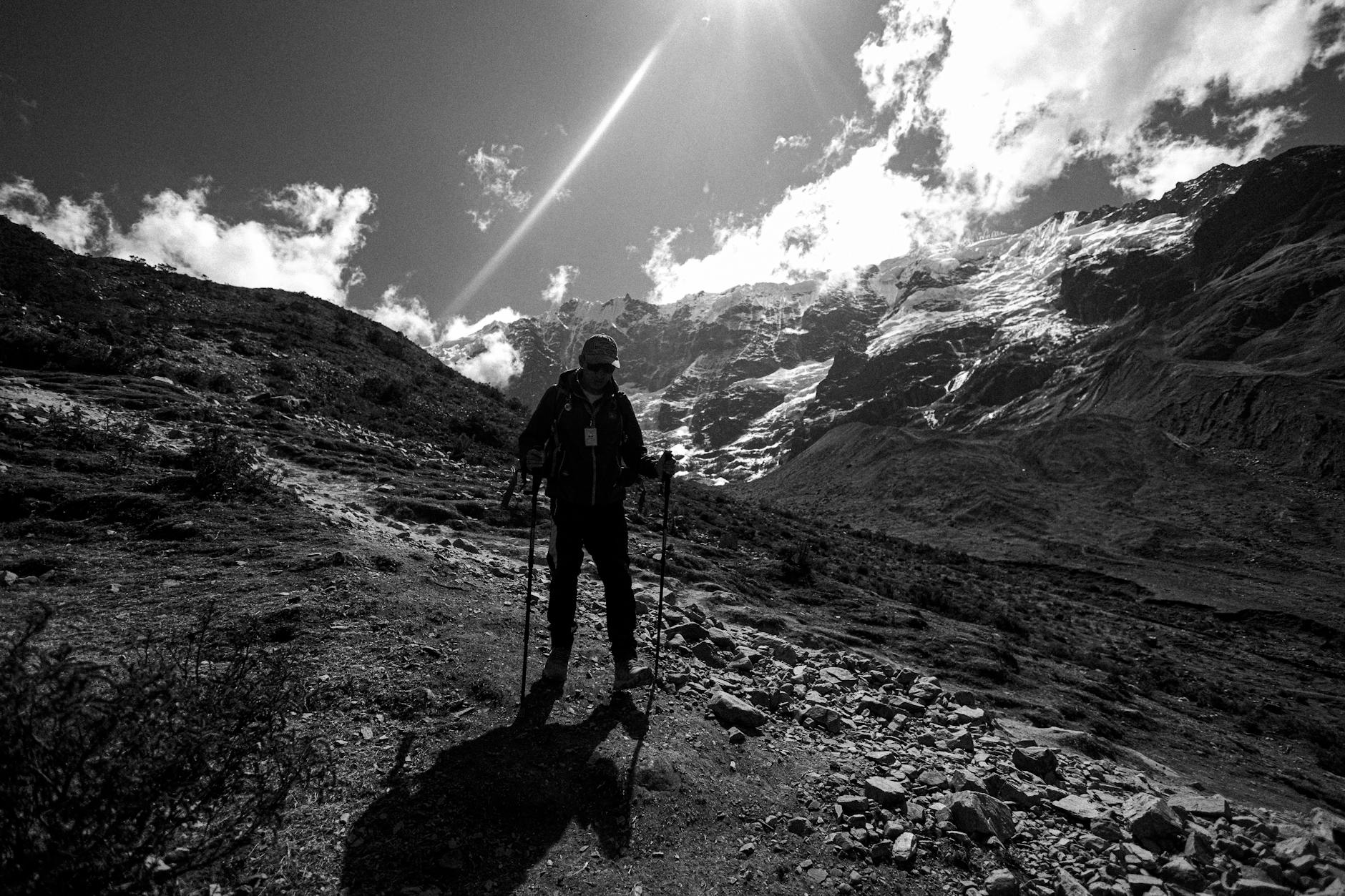
2. Cascade Mountain Tech Aluminum Trekking Poles ⭐⭐⭐⭐
For hikers seeking the best budget-friendly trekking poles without compromising on quality, the Cascade Mountain Tech Aluminum poles deliver impressive value. These collapsible poles feature durable aluminum construction with a twist-lock mechanism that keeps them securely extended during use. They’re perfect for recreational hikers and backpackers who want dependable performance without premium pricing.
Pros:
- ✓ Affordable price point with solid build quality
- ✓ Collapses compactly for easy packing and transport
- ✓ Comfortable cushioned grip handles
- ✓ Adjustable length accommodates various heights
Cons:
- ✗ Heavier than premium carbon alternatives
- ✗ Twist-lock system may loosen over extended use
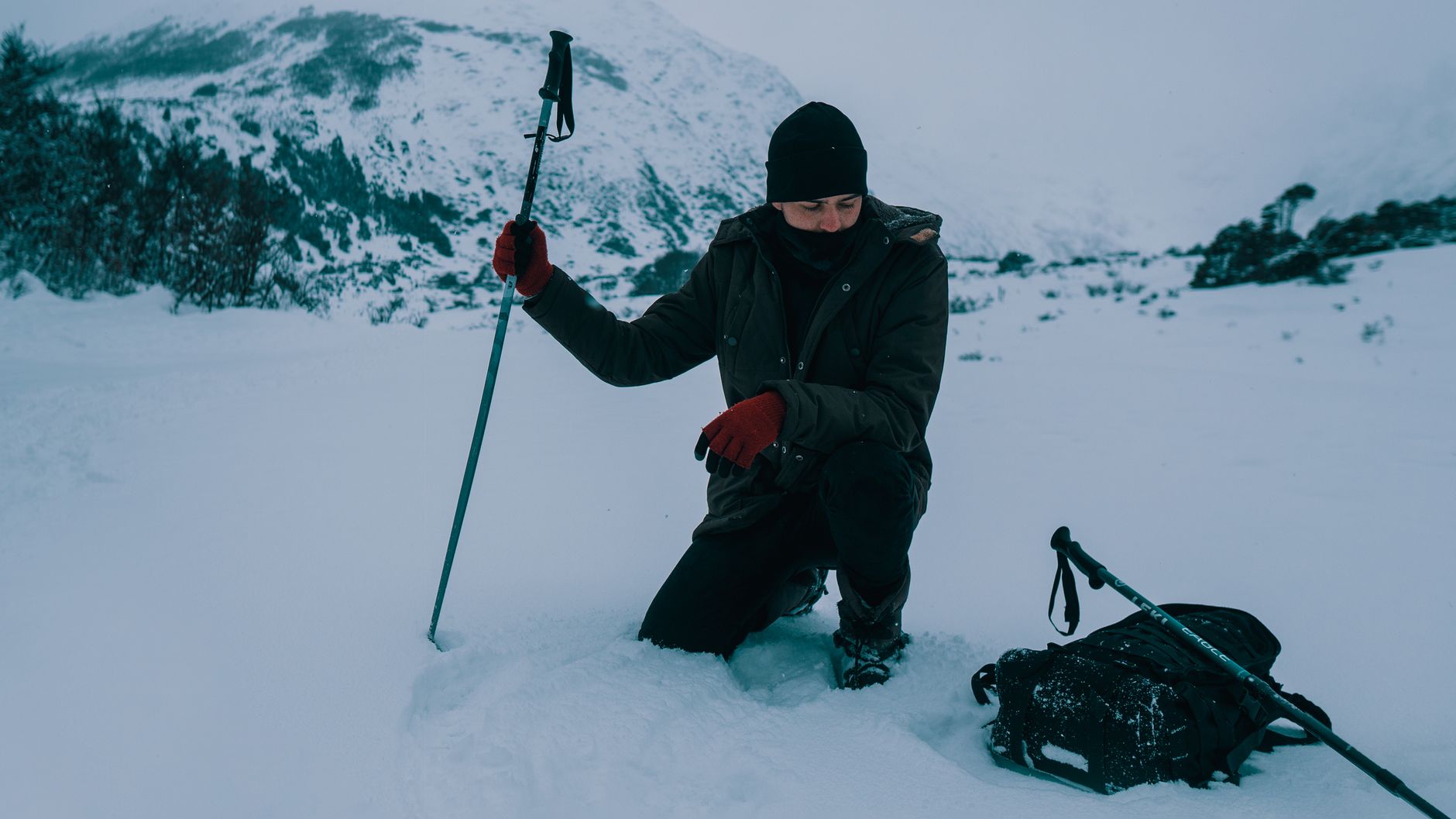
3. Leki Micro Vario Carbon ⭐⭐⭐⭐⭐
The Leki Micro Vario Carbon stands as the premium choice for hikers and mountaineers who demand the absolute best. With German engineering excellence, these poles feature ultra-responsive Vario SpeedLock adjustment system and lightweight carbon construction. The anatomic cork grip and adjustable pole lengths make these the go-to poles for technical alpine terrain and demanding multi-day treks.
Pros:
- ✓ Vario SpeedLock provides incredibly fast, secure adjustments
- ✓ Premium carbon construction delivers unmatched durability and lightness
- ✓ Anatomic cork grips designed for extended comfort
- ✓ Variable length capability for steep terrain navigation
Cons:
- ✗ Premium pricing reflects the quality and engineering
- ✗ Requires proper care and maintenance for longevity
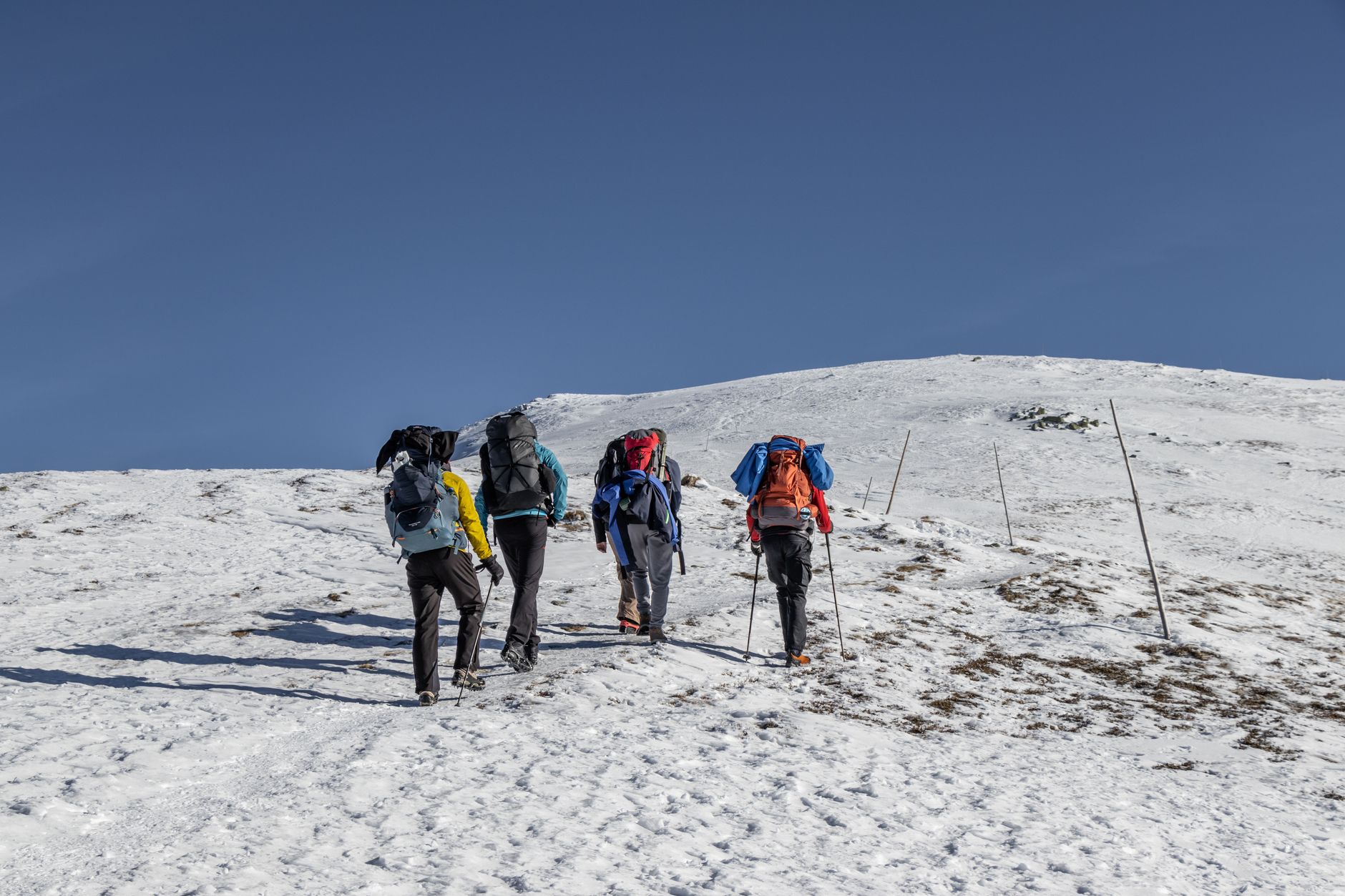
4. REI Co-op Trailbreak Trekking Poles ⭐⭐⭐⭐
REI’s in-house Trailbreak line offers excellent middle-ground trekking poles for the everyday hiker. These poles combine lightweight aluminum construction with REI’s reputation for quality and customer service. The secure lever-lock system and comfortable ergonomic grips make them reliable companions for weekend hikes and moderate backpacking trips.
Pros:
- ✓ Excellent value with quality construction
- ✓ Secure lever-lock adjustment system
- ✓ Lightweight at approximately 8.5 oz per pair
- ✓ Backed by REI’s exceptional return policy
Cons:
- ✗ Not as light as premium carbon options
- ✗ Limited customization compared to specialty brands
5. Montem Ultra Strong Trekking Poles ⭐⭐⭐⭐
Montem Ultra Strong poles are engineered for durability and value, making them an excellent choice for hikers prioritizing longevity over ultralight weight. These aluminum poles feature a robust construction designed to withstand demanding backcountry conditions. With comfortable foam grips and reliable twist-lock mechanisms, they’re ideal for all-around hiking and backpacking applications.
Pros:
- ✓ Extremely durable aluminum construction
- ✓ Comfortable foam grip handles
- ✓ Affordable pricing with solid build quality
- ✓ Includes multiple basket and tip options
Cons:
- ✗ Heavier than carbon alternatives
- ✗ Twist-lock mechanism requires periodic tightening
Trekking Poles Buying Guide: What to Consider
When shopping for the best trekking poles for hiking, several key factors should guide your decision:
**Material: Carbon vs. Aluminum**
Carbon poles are lighter and more responsive but cost more and require careful handling. Aluminum poles are durable, affordable, and heavier—better suited for everyday hikers who aren’t obsessing over ounces. For most recreational hikers, aluminum provides the optimal balance. Serious ultralight backpackers and mountaineers benefit from carbon’s weight savings.
**Length and Adjustability**
Most trekking poles range from 24 to 55 inches in length. Adjustable poles accommodate different heights and terrain, while fixed-length poles are lighter. For hiking, adjustability is valuable—shorter poles help on steep descents while longer poles assist on climbs. Look for smooth adjustment mechanisms you can operate quickly while wearing gloves.
**Grip and Comfort**
Grip materials directly impact hand comfort during long hikes. Cork grips naturally conform to your hand and offer excellent cushioning but require maintenance. Foam grips are lightweight and cushy but can deteriorate. Rubber grips are durable and affordable. Test grips before purchasing if possible, as comfort is subjective and critical for full-day hikes.
**Weight**
Weight matters more for long-distance backpackers and mountaineers than day hikers. Carbon poles typically weigh 7-9 ounces per pair, while aluminum poles range from 9-14 ounces. The difference adds up during multi-day treks, but for weekend hikes, slightly heavier aluminum poles won’t significantly impact your experience.
**Locking Mechanism**
Lever-lock systems offer quick, secure adjustments. Twist-lock mechanisms are simpler and lighter but slower to adjust. FlickLock mechanisms allow one-handed adjustments. Choose based on your needs—frequent height adjustments favor lever-locks, while simplicity favors twist-locks.
**Basket and Tip Options**
Standard baskets work for most terrain, but larger baskets help in snow, while smaller baskets suit rocky trails. Carbide tips provide excellent grip on rock and ice, while rubber tips minimize noise and reduce impact on delicate surfaces. Quality trekking poles include multiple basket options.
Key Benefits of Using Trekking Poles for Hiking
Incorporating trekking poles into your hiking routine offers measurable benefits:
**Joint Protection**: Poles reduce impact on knees, hips, and ankles by 25-30%, particularly valuable on descents when forces on joints intensify. This protection extends your hiking career and prevents injury-related limitations.
**Enhanced Stability**: Poles provide critical support on uneven terrain, creek crossings, and steep sections. This improved stability boosts confidence and reduces fall risk, especially for older hikers or those carrying heavy packs.
**Increased Propulsion**: Proper pole technique engages your upper body, distributing effort across more muscles and reducing leg fatigue. Studies show hikers with poles climb steeper grades more efficiently and maintain better pace consistency.
**Reduced Pack Weight on Joints**: Poles transfer a portion of pack weight to your arms, decreasing the load on your legs and lower back. This matters significantly during multi-day backpacking trips carrying 30+ pounds.
**Improved Balance**: Trekking poles act as an additional contact point with the ground, enhancing proprioception and balance. This proves invaluable on technical terrain and challenging stream crossings.
Proper Trekking Pole Technique
Owning the best trekking poles only helps if you use them correctly. Proper technique maximizes benefits and prevents injury:
**Height Adjustment**: Your elbow should form a 90-degree angle when holding the pole with the tip touching the ground. On ascents, shorten poles slightly to maintain this angle. On descents, lengthen them to take weight off your knees.
**Timing**: Plant poles as the opposite foot lands—left pole with right foot and vice versa. This creates a rhythm that engages your entire body efficiently and reduces joint impact.
**Grip Pressure**: Hold poles with a relaxed grip, letting the wrist strap do the work. Tight gripping causes hand fatigue and reduces efficiency. The strap should support 70% of the pole’s weight.
**Terrain Adaptation**: On flat terrain, use poles at maximum height. On climbs, shorten them and use more forceful pushes. On descents, lengthen them fully and rely on poles to reduce knee stress.
Conclusion: Finding Your Perfect Hiking Companion
The best trekking poles for hiking depend on your specific needs, budget, and hiking style. If you’re willing to invest in premium quality for extended backcountry adventures, the Black Diamond Distance Carbon Z or Leki Micro Vario Carbon represent outstanding choices. For budget-conscious day hikers seeking reliable performance, the Cascade Mountain Tech Aluminum poles deliver exceptional value, while the REI Co-op Trailbreak offers perfect middle ground.
Your choice of trekking poles will influence your hiking experience significantly. They protect joints, boost stability, and ultimately allow you to hike
You Might Also Like
- # Best Camping Tarp 2026: Top Picks for Shelter, Shade & Weather Protection
- # The Best Camping Cooler: Expert Reviews & Buying Guide for 2026
- Best Camping Solar Charger: Complete Guide & Top Recommendations
- # Best Hiking Boots for Beginners: A Comprehensive Guide to Finding Your Perfect Trail Companion
Affiliate Disclosure: Backcountry Gear Labs participates in the Amazon Associates program. We may earn a commission from purchases made through links on this site, at no extra cost to you. Learn more.
Shop Backcountry Gear Labs on Etsy
Hoodies, tees, hats, and more for campers and hikers who live for the trail.
Get Weekly Gear Picks
Join the Backcountry Gear Labs newsletter for expert gear picks and backcountry advice, every week.
Pingback: # Best Camping Pillow 2026: Complete Guide to the Top Picks for Backcountry Comfort - Backcountry Gear Labs
Pingback: # The Best Camping First Aid Kit for 2026: Complete Guide & Top Reviews - Backcountry Gear Labs
Pingback: # Best Camping Multitool 2026: Top Picks for Every Adventurer - Backcountry Gear Labs
Pingback: # Best Hiking Socks 2026: Expert Guide to Comfortable Feet on the Trail - Backcountry Gear Labs