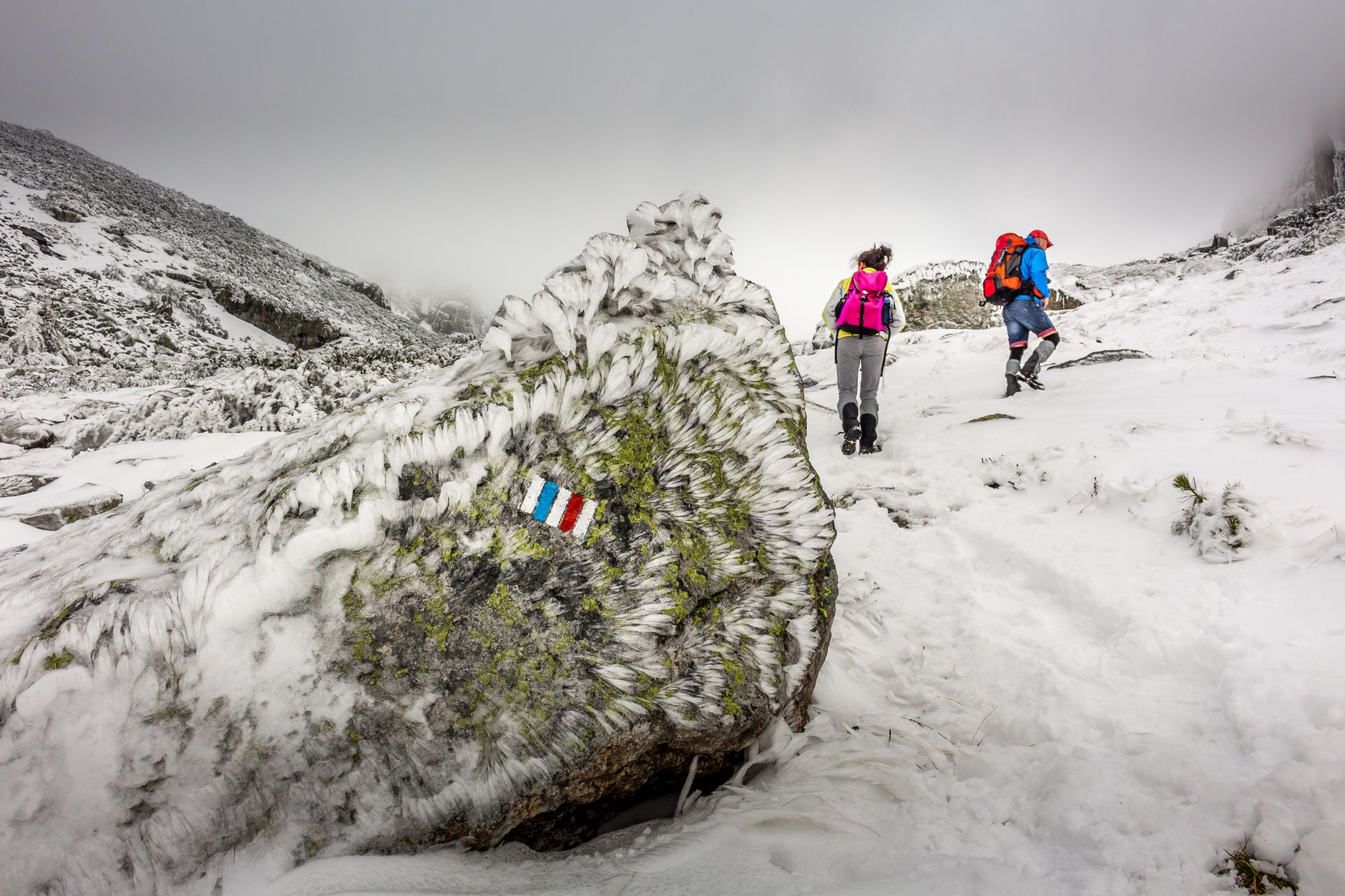
Finding the best mid-layer fleece for fall backpacking is one of those gear decisions that pays dividends every single trip. When temperatures swing 30 degrees between noon and nightfall, your mid-layer becomes the workhorse of your entire clothing system — insulating when you stop moving, venting when you push hard, and compressing into your pack without eating half your volume. The market is flooded with options, but sorting through the noise between budget picks and name-brand heavyweights is where most hikers get stuck.
For this review, I hauled five fleeces through a week of fall hiking in the Cascades and a long weekend on the Virginia Highlands Trail, testing each one in rain, cold mornings, and high-output climbs. The criteria were simple: warmth-to-weight ratio, packability, moisture management, and whether the fleece actually justifies its price tag when stacked against more expensive alternatives. That last point matters more than ever, because some of the best performers here come in well under what Patagonia and Arc’teryx charge.
I also brought in the Squak Classic Grid Fleece as the budget wild card, positioning it directly against the Patagonia R1 Air Full-Zip and the Arc’teryx Kyanite AR Hoody — two mid-layers that have earned cult followings but also carry price tags that make budget-conscious backpackers wince. Here’s what the trail actually taught me.
How We Tested: Warmth-to-Weight Ratio and Real-World Performance
Warmth-to-weight ratio isn’t just a spec-sheet metric. A fleece that weighs 8 ounces and keeps you comfortable to 35°F is genuinely more useful than a 6-ounce fleece that bottoms out at 45°F. I weighed each fleece on a kitchen scale, noted grams per square inch of face fabric where manufacturer specs were available, and then wore each as the sole insulating layer during cold-start mornings and as the middle layer under a hardshell in sustained drizzle.
Moisture management was the most telling test. Grid fleece fabrics, used in the Squak Classic and the Patagonia R1, move sweat laterally and dry fast. Heavier sweater-style fleeces — like the Rab Nexus Pull-On — hold warmth longer when damp but take more time to dry fully. Neither approach is wrong; they serve different hiking styles. High-output scramblers will appreciate grid fleece. Slower-paced trekkers carrying heavier packs might prefer the retained warmth of a denser pile.
Packability testing was straightforward: stuff each fleece into its own chest pocket or a compression sack, measure the resulting volume against a 1-liter Nalgene as a visual reference, and note whether the pack-down held its shape or required re-fluffing after multiple compression cycles. A fleece you’ll actually reach for on the trail is one that comes out of your pack looking wearable, not like a crumpled paper bag.
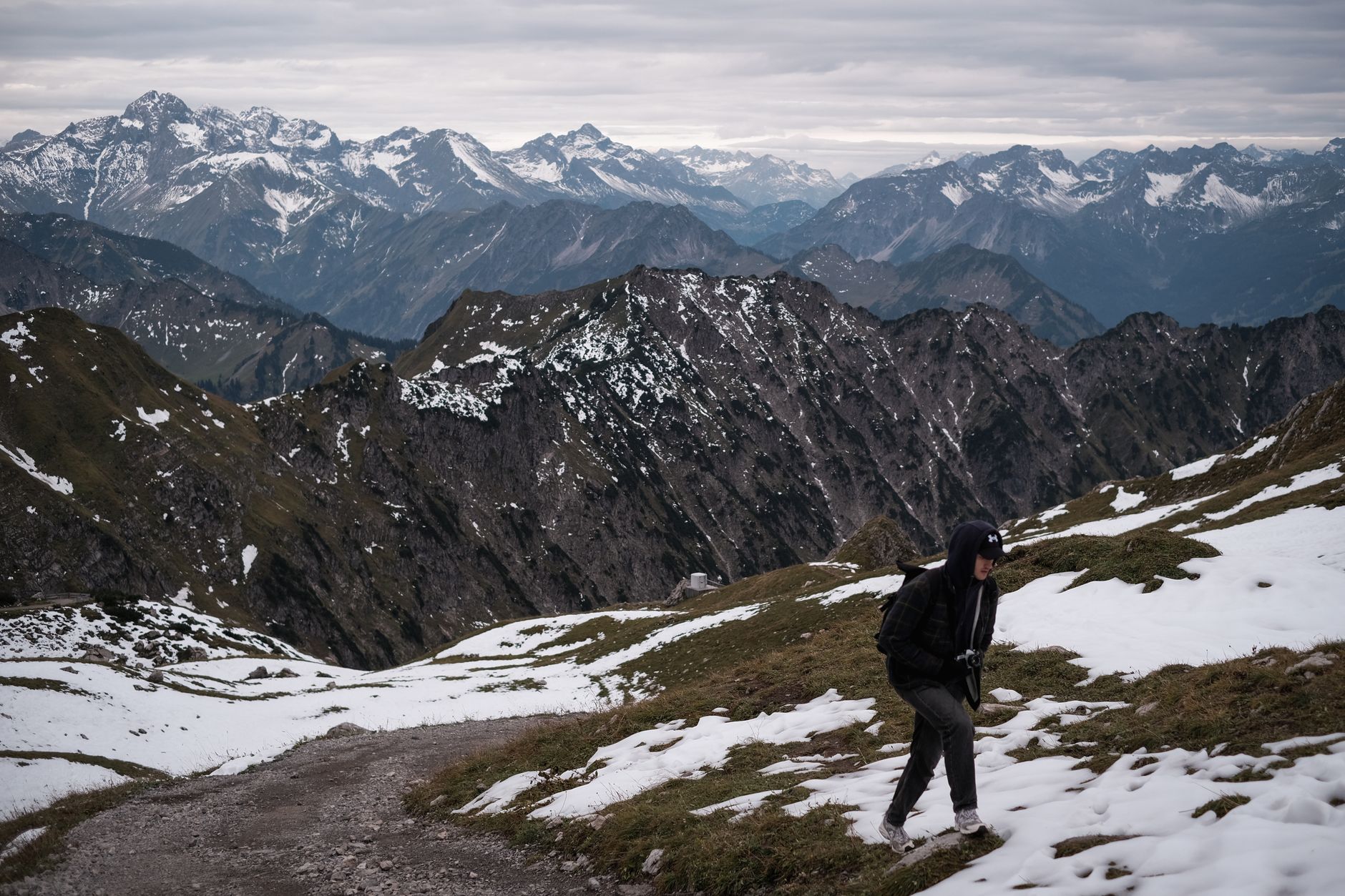
The 5 Best Mid-Layer Fleeces Tested and Ranked
1. Squak Classic Grid Fleece ⭐⭐⭐⭐⭐
Price range: $55-70 | Budget pick
The Squak Classic Grid Fleece punches so far above its price point that it made me genuinely reconsider how much brand premium the big names carry. The 100-weight grid fleece construction creates a structured air-trapping matrix that moves moisture away from the body fast — this is the same functional architecture that made Patagonia’s Capilene grid base layers famous, just delivered at a fraction of the cost. I wore this as a standalone layer into the low 40s with no windshell and felt warm throughout a two-hour ridge walk. When the rain rolled in, I layered it under a hardshell, and it dried within 20 minutes after I stopped sweating.
Packability is the Squak’s other standout. It compressed to roughly the size of a softball — smaller than the R1 Full-Zip and nearly identical to the Arc’teryx Kyanite — without any stuffed-pocket gimmicks. For the budget-conscious backpacker building a layering system without spending $300, the Squak Classic Grid Fleece is the anchor piece.
Built to last: 100-weight recycled polyester grid knit with flatlock seam construction minimizes chafing and abrasion points; reinforced collar and cuffs resist pilling through repeated compression cycles.
Pros:
- ✓ Exceptional warmth-to-weight for price tier
- ✓ Fast-drying grid fabric rivals far pricier competitors
- ✓ Compresses to softball size without dedicated stuff pocket
Cons:
- ✗ Limited colorways compared to established brands
2. Patagonia R1 Air Full-Zip ⭐⭐⭐⭐⭐
Price range: $119-139 | Mid-range pick
The Patagonia R1 Air Full-Zip is the benchmark against which every grid fleece in this category gets measured, and for good reason. The proprietary Polartec Power Air fabric creates a double-knit structure with an air-permeable face layer and a moisture-wicking inner layer, meaning it breathes aggressively during high-output movement while still insulating effectively when you stop. On a hard three-hour climb in the Cascades, this was the only fleece in the test that I didn’t need to unzip at the summit. Sweat simply moved through it.
Where the R1 Air earns its price is longevity and brand ecosystem integration — it layers seamlessly with Patagonia hardshells and base layers and holds its loft far longer than budget fleeces after dozens of wash cycles. For hikers who view gear as a multi-year investment, the cost-per-use math eventually works. For occasional fall backpackers, the Squak Classic comes remarkably close at half the price.
Built to last: Polartec Power Air double-knit polyester construction with DWR finish; the enclosed air pockets maintain loft and resist pilling significantly longer than standard grid knits.
Pros:
- ✓ Best-in-test breathability during high-output movement
- ✓ Excellent long-term loft retention after repeated washing
- ✓ Integrates perfectly with Patagonia layering system
Cons:
- ✗ Noticeably pricier than budget alternatives with similar warmth output
3. Arc’teryx Kyanite AR Hoody ⭐⭐⭐⭐
Price range: $140-160 | Premium pick
The Arc’teryx Kyanite AR Hoody technically edges over the $150 ceiling in most retail environments, but it frequently hits $140 during seasonal sales and deserves inclusion here for serious fall backpackers debating whether the premium is justified. The Polartec Power Stretch Pro grid fleece fabric is notably more durable and abrasion-resistant than any other fleece in this test — important if you’re scrambling through brush or wearing the fleece daily for a week-long route. The integrated hood is the functional differentiator: it fits under a hardshell helmet without bunching, adds meaningful warmth, and doesn’t look ridiculous when you wear the fleece to the trailhead parking lot.
Where the Kyanite lags is packability. The four-way stretch construction adds volume and the fabric is denser, meaning it compresses to about 1.5x the volume of the Squak Classic. For ultralight-focused hikers counting every cubic centimeter, that matters. For mountaineers treating this as their all-day primary insulation piece, the tradeoff is well worth it. If you’re building a complete fall kit, check out our deeper roundup of fleece mid-layers for fall backpacking to see how the Kyanite stacks up in a broader field.
Built to last: Polartec Power Stretch Pro blends nylon and elastane into a four-way stretch grid structure with significantly higher abrasion resistance than standard polyester grid fleece; YKK zippers throughout.
Pros:
- ✓ Best abrasion resistance and durability in the test field
- ✓ Integrated hood fits cleanly under hardshell helmets
- ✓ Four-way stretch suits scrambling and high-movement activities
Cons:
- ✗ Bulkier pack-down than grid fleece competitors
- ✗ Regularly priced above $150 at full retail
4. Rab Nexus Pull-On Fleece ⭐⭐⭐⭐
Price range: $80-100 | Mid-range pick
The Rab Nexus Pull-On occupies an interesting middle ground between technical grid fleece and traditional midweight pile. The 200-weight Polartec Classic fleece fabric is warmer per ounce than any grid fleece in this roundup, making it the right call for slower-paced hikers, high-altitude cold-weather routes, or anyone who runs cold. On a frigid 28°F morning in camp, the Nexus kept me warm with just a thin base layer underneath — the other fleeces in the test required me to add a shell layer for equivalent comfort.
The tradeoff is breathability. Push hard uphill in the Nexus and you’ll start sweating through it faster than you would through a grid fleece. The pull-on design also sacrifices the quick ventilation of a full-zip, which is a real limitation during variable-output days. But if your fall backpacking style involves more miles on maintained trails than technical scrambles, the Nexus’s warmth output is genuinely impressive for the price.
Built to last: 200-weight Polartec Classic polyester pile with anti-pill face treatment; the denser loop structure resists snags and maintains loft after repeated compression and washing better than many lighter alternatives.
Pros:
- ✓ Warmest fleece in the test for camp and low-output use
- ✓ Excellent loft retention after multiple wash cycles
- ✓ Clean aesthetic works off-trail in town
Cons:
- ✗ Pull-on design limits ventilation options mid-hike
- ✗ Slower drying than grid fleece alternatives when wet
5. Black Diamond Coefficient LT Hoody ⭐⭐⭐⭐
Price range: $85-115 | Mid-range pick
Black Diamond doesn’t get enough credit in the fleece market, and the Coefficient LT Hoody is a prime example of underrated technical gear. The Schoeller Powerstretch Pro grid fleece construction delivers four-way stretch and strong moisture management at a price point well below Arc’teryx’s equivalent offerings. The integrated hood — a rarity at this price — fits neatly under a helmet and adds meaningful thermal coverage for exposed ridgelines and summit blocks.
In moisture-management testing, the Coefficient LT dried as fast as the Squak Classic Grid Fleece and tracked closely with the R1 Air in breathability during sustained uphill efforts. It’s slightly heavier than the Squak, but the added stretch and hood justify the weight penalty for climbers and scramblers. At full retail it hovers around $105-115, which positions it as a genuine value play in the technical mid-layer category without requiring a premium brand surcharge.
Built to last: Schoeller Powerstretch Pro fabric blends polyester, nylon, and elastane with a bonded grid inner structure; the nylon content adds significantly more abrasion resistance than pure polyester grid fleeces at similar weight.
Pros:
- ✓ Technical stretch construction at a mid-range price
- ✓ Integrated hood without the Arc’teryx price premium
- ✓ Strong moisture management matched only by the R1 Air in testing
Cons:
- ✗ Slightly heavier than comparable grid-only fleeces
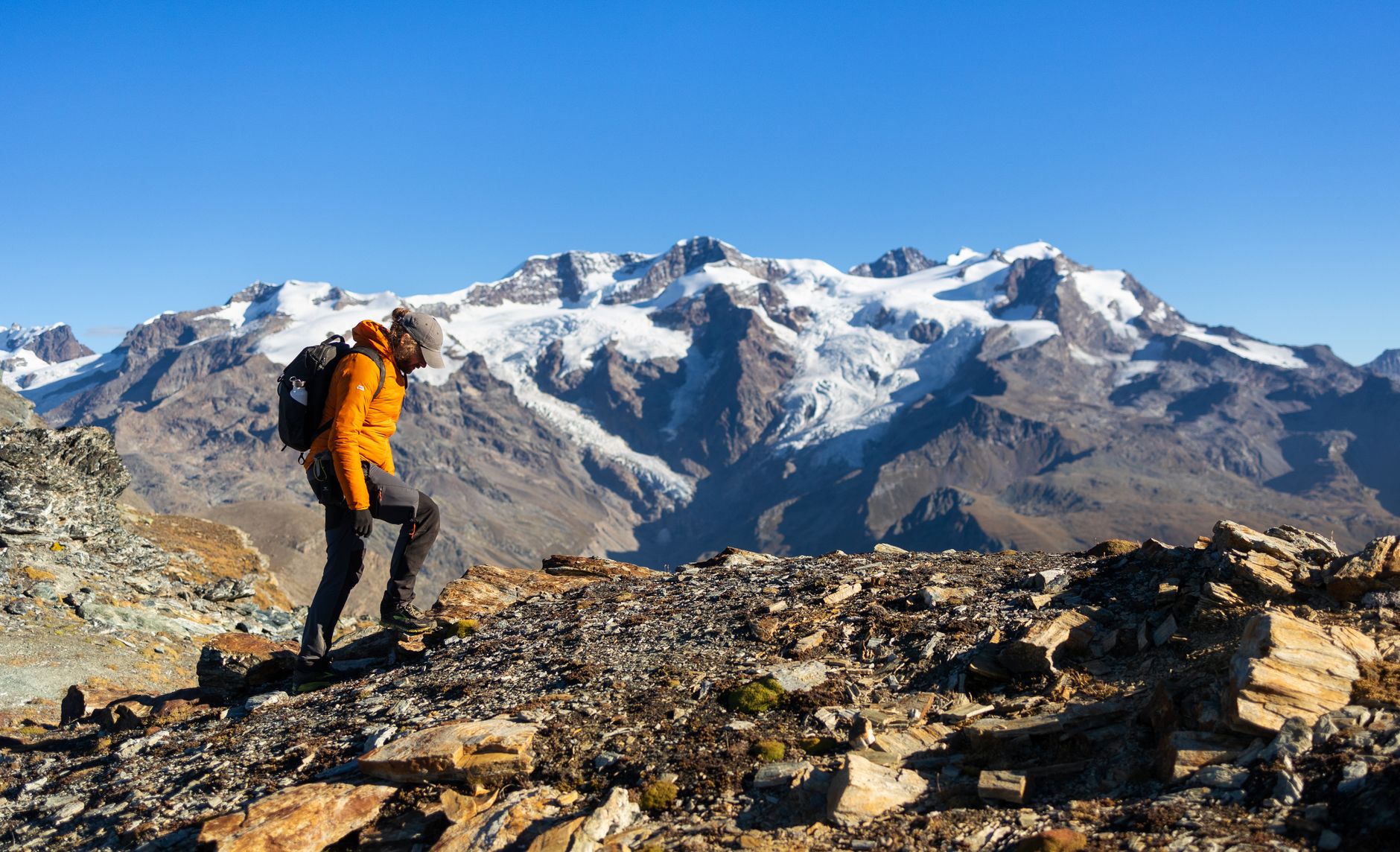
Which Mid-Layer Fleece Is Right for Your Hiking Style?
The honest answer depends entirely on how you move through the mountains. High-output hikers covering big miles with heavy packs — the type who are sweating by mile two regardless of temperature — will get the most from a grid fleece like the Squak Classic or the Patagonia R1 Air. The moisture-moving architecture keeps you from that soggy, clammy feeling that shuts down insulation efficiency mid-hike. If you’re covering 15-mile days in the Cascades or the White Mountains in October, these are your tools.
Slower-paced hikers, winter campers, or anyone who tends to run cold will be better served by the Rab Nexus Pull-On’s 200-weight pile. The warmth output on cold mornings in camp is genuinely superior to any grid fleece in this field. The cost is that you’ll need to manage heat buildup more carefully during uphill efforts — but if that’s a tradeoff you’re comfortable with, the Nexus delivers exceptional warmth per dollar spent.
For technical scramblers who need stretch, abrasion resistance, and a helmet-compatible hood, the Arc’teryx Kyanite and Black Diamond Coefficient LT are the clear choices. Both offer four-way stretch that grid fleeces can’t match, and both hold up better to rock contact and brush. The Coefficient LT wins on value; the Kyanite wins on overall polish and long-term durability.
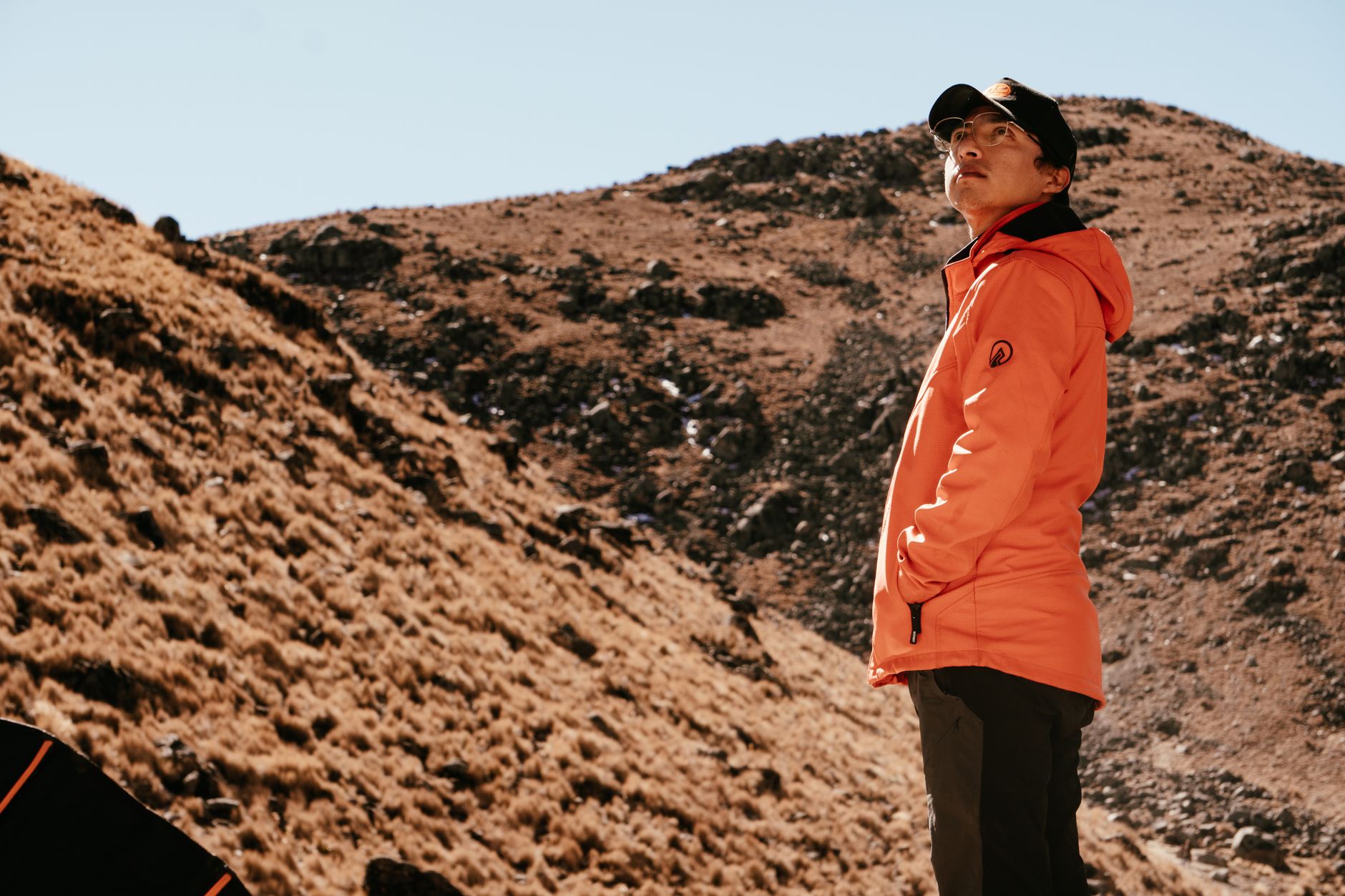
The Budget vs. Premium Verdict: Is the Price Gap Justified?
Testing the Squak Classic Grid Fleece directly against the Patagonia R1 Air Full-Zip and Arc’teryx Kyanite produced one genuinely surprising result: the warmth-to-weight and moisture-management performance gap between the $65 Squak and the $130 R1 Air is smaller than the price gap suggests. In back-to-back testing on identical terrain and conditions, experienced hikers probably couldn’t identify which fleece was which based on thermal performance alone. The R1 Air edges ahead in sustained high-output breathability, but it’s a marginal difference, not a revelation.
Where premium fleeces justify their cost is longevity, fit refinement, and ecosystem integration. A Patagonia R1 purchased today will likely perform at full capacity for a decade with proper care. A budget fleece may start pilling and losing loft noticeably sooner. If you’re outfitting yourself for one fall trip a year, the Squak Classic is a genuinely excellent value. If you’re on trail 60 days a year, the per-use cost math for the R1 or Kyanite starts to look very different.

Care, Maintenance, and Extending Fleece Lifespan
Every fleece in this test is machine washable, but the details matter. Washing fleeces inside out in cold water on a gentle cycle dramatically reduces surface pilling — the enemy of long-term loft and moisture management. Never use fabric softener on a technical fleece; it coats the fibers and destroys moisture-wicking performance within a few washes. Tumble dry on low or air dry flat for best results.
Grid fleeces in particular benefit from a GuppyFriend wash bag or similar microfiber-catching solution. Synthetic fleece sheds microplastics with every wash, and catching those fibers is both environmentally responsible and a way to preserve the fabric structure over time. For hikers focused on sustainable gear choices, this is worth building into your regular laundry routine. If sustainability is a core part of how you think about your kit, our guide to plastic-free backpacking gear covers how to think about synthetic fabrics across your entire kit.
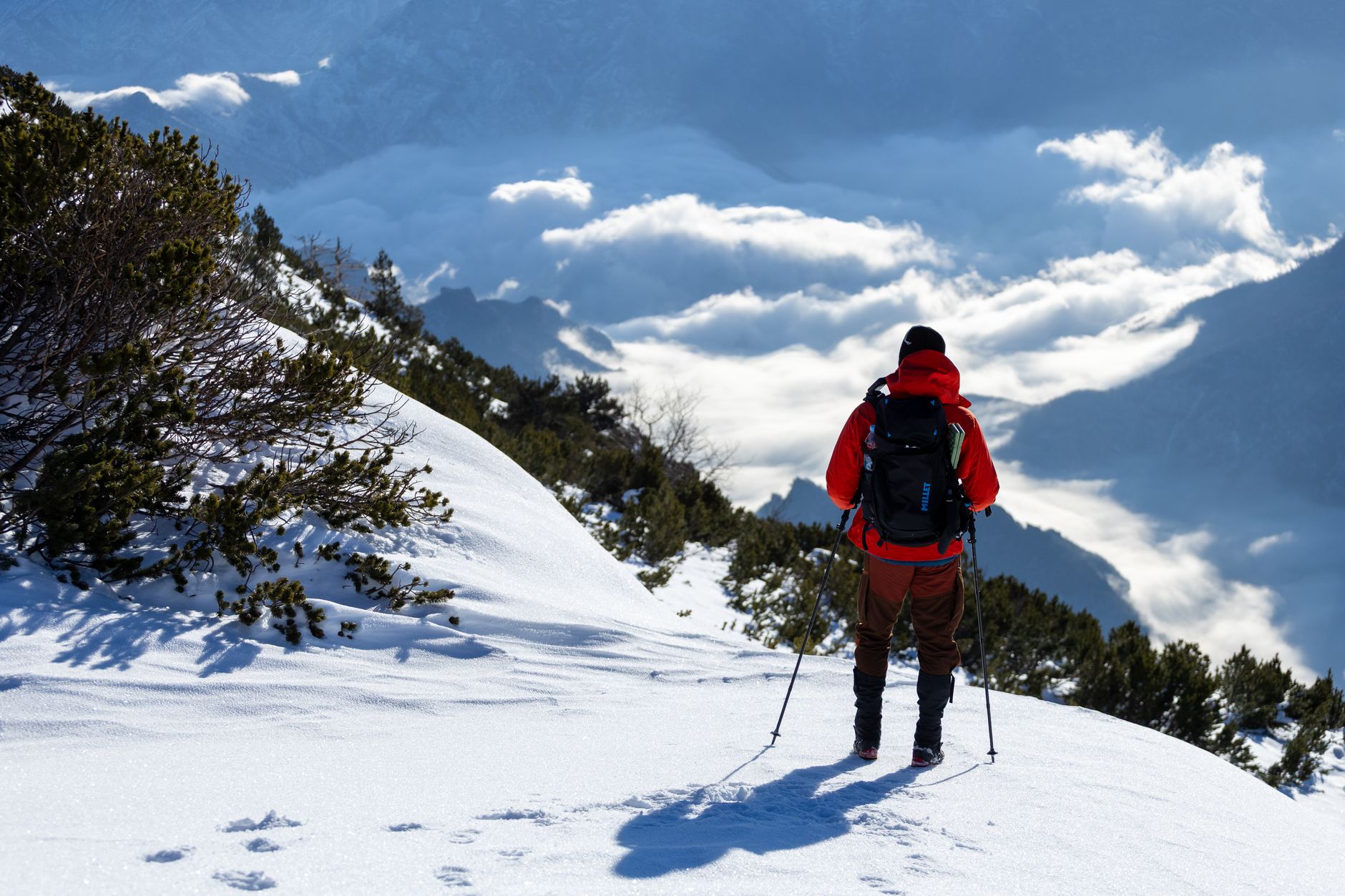
Final Thoughts on the Best Mid-Layer Fleece for Fall Backpacking
The best mid-layer fleece for fall backpacking is the one that matches how you move, not how much you’re willing to spend. The Squak Classic Grid Fleece is the clearest surprise in this test — a budget pick that competes seriously with fleeces costing twice as much on the metrics that matter most on trail. The Patagonia R1 Air remains the technical benchmark for moisture management and longevity. The Arc’teryx Kyanite is the choice for technical terrain where stretch and durability come first. And the Rab Nexus and Black Diamond Coefficient LT fill genuine gaps for hikers who need warmth depth or mid-range technical performance without the name-brand premium.
Build your layering system around how you actually hike, not how you imagine you hike. Fall conditions will sort out the difference fast.
Shop Backcountry Gear Labs on Etsy
Hoodies, tees, hats, and more for campers and hikers who live for the trail.
Get Weekly Gear Picks
Join the Backcountry Gear Labs newsletter for expert gear picks and backcountry advice, every week.