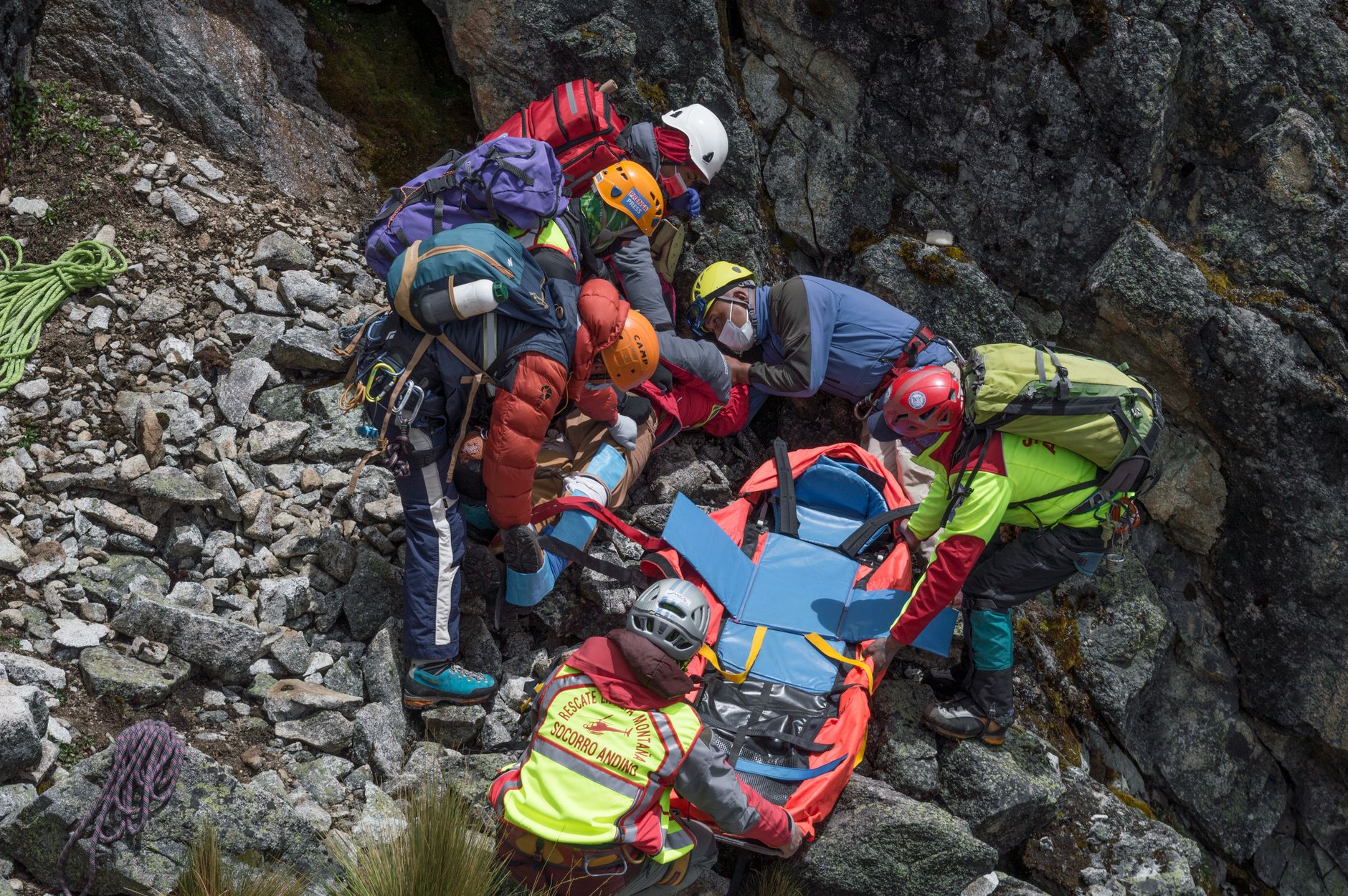
Building a solid backcountry first aid kit is one of those tasks most hikers approach by grabbing a generic drugstore kit, tossing it in their pack, and hoping for the best. That’s not a strategy — that’s wishful thinking. We went directly to the source and asked three emergency physicians what they’d actually build from scratch for serious backcountry travel, with specific brands, quantities, and the clinical reasoning behind every single item.
The doctors we interviewed — Dr. Sarah Kenmore (ER attending at a Level I trauma center in Denver), Dr. Marcus Thill (wilderness medicine fellow and backcountry skier), and Dr. Priya Nandakumar (ER physician and ultramarathon runner) — all hike and run trails themselves. They’re not giving you a liability-hedged, cover-all-bases checklist. They’re telling you what they’d actually reach for when something goes wrong three miles from the trailhead.
This guide doubles as a shoppable gear list. Every product below is real, available, and selected for a reason. If you’ve been putting off assembling a proper kit, consider this your final nudge. You can also check out our companion piece on what these same ER doctors personally pack on their own trail trips — the overlap with their prescriptions for patients is illuminating.
Why Generic First Aid Kits Fail in the Backcountry
Dr. Kenmore was blunt: “The vast majority of pre-built first aid kits are designed for parking-lot emergencies and minor kitchen accidents. They’re optimized for liability, not for someone who’s eight miles into a wilderness area with a broken ankle and a storm rolling in.” The problem isn’t that the products inside are bad — it’s that the quantities are laughable, key items are missing entirely, and there’s no coherent medical logic tying the kit together.
Dr. Thill added that the single biggest gap he sees is wound management. “A typical kit has four 2×2 gauze pads and a handful of Band-Aids. That’s not going to stop meaningful bleeding. You need Israeli-style pressure bandages, hemostatic gauze, and enough material to actually pack and dress a wound.” He also pointed out that most off-the-shelf kits omit blister care entirely — which, statistically, is the most common backcountry medical issue by a wide margin.
Dr. Nandakumar emphasized the psychological piece: “People also don’t train with their kits. They buy it, seal it, and forget it exists. If you’re going to carry it, you should know what’s in it and how to use at least 80% of it.” All three doctors recommended taking a Wilderness First Responder (WFR) or at minimum a Wilderness First Aid (WFA) course before relying on any kit in serious terrain.
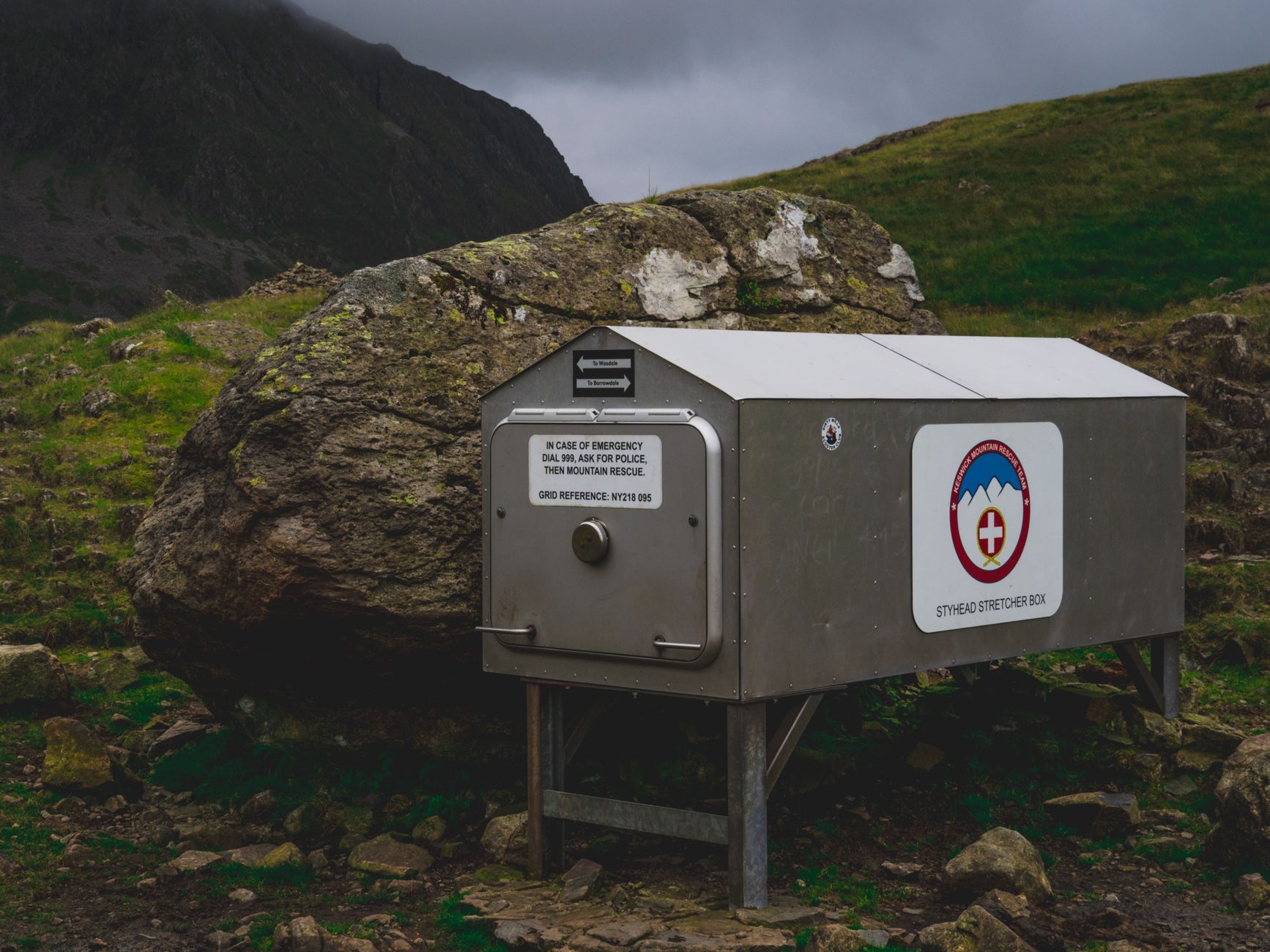
The Backcountry First Aid Kit: Category-by-Category Build
Rather than giving a single master list, we broke the kit down by category and asked each doctor what they’d prioritize. What emerged was a clear hierarchy: bleeding control first, then wound care, then medications, then improvised splinting materials, then tools and extras. Every category has a minimum viable version and an ideal version — we’ve noted both throughout.
Dr. Kenmore’s number-one rule: “Stop the bleeding before you do anything else. Tourniquet, hemostatic gauze, and pressure bandage. In that order of severity. Most people die from preventable blood loss, not from the injury itself.” All three doctors agreed that a tourniquet is non-negotiable for any trip lasting more than a day — specifically, they named the CAT (Combat Application Tourniquet) as the only civilian tourniquet worth carrying.
For wound irrigation — which all three doctors flagged as critically underrated — Dr. Thill recommends a 20cc irrigation syringe with a blunt tip. “Clean water forced through a syringe under pressure cleans wounds better than anything else you can bring. Infection is your biggest long-term risk in the backcountry, and irrigation is your best tool against it.” Pair that with Betadine wipes or Hibiclens solution for a genuinely capable wound-care setup.
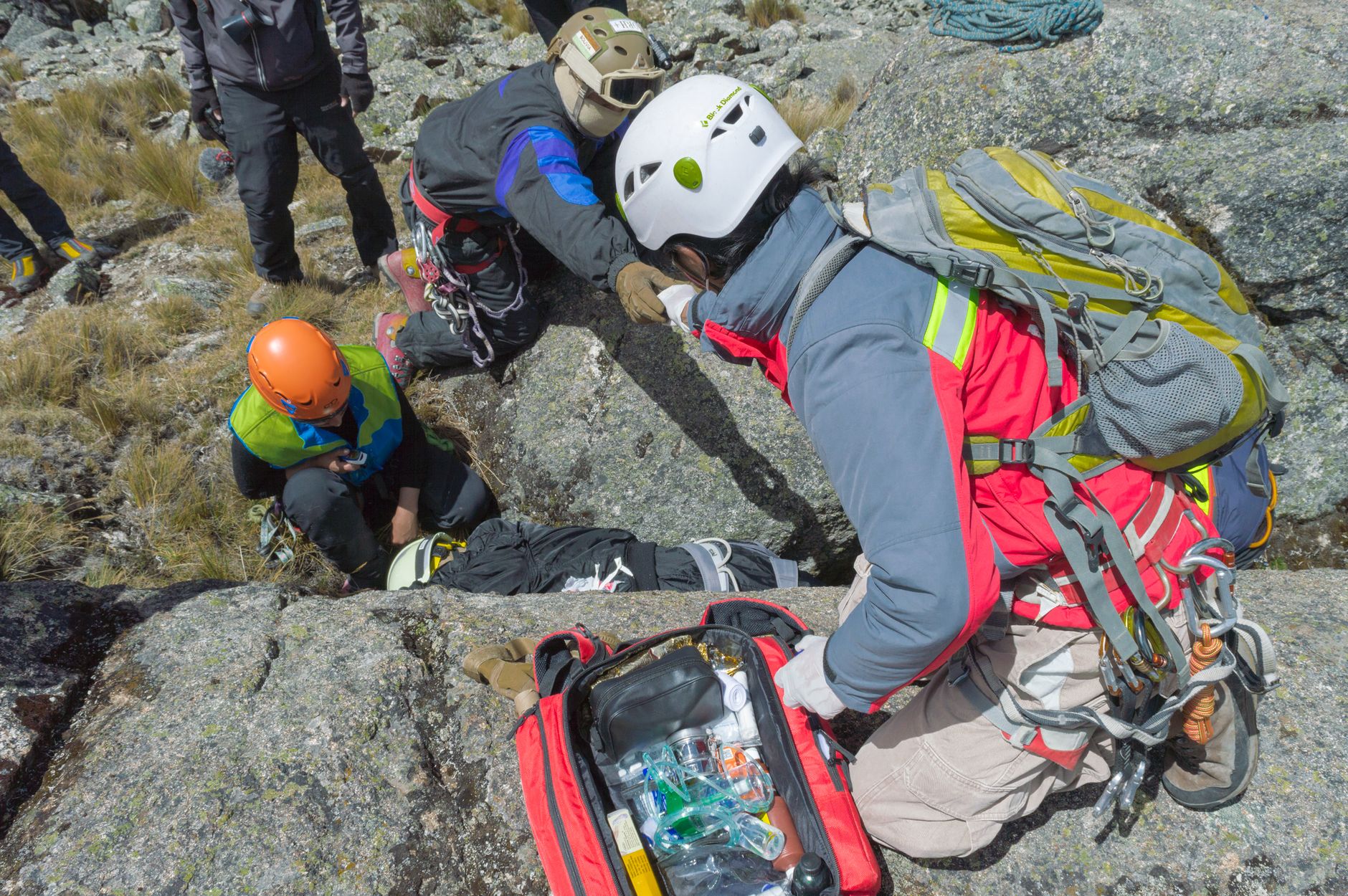
Medications Every Backcountry Kit Needs (Doctor-Approved)
This is where kits get personal and where you absolutely must talk to your own physician before heading out. That said, all three doctors shared the over-the-counter medications they consider baseline for any competent backcountry kit. Ibuprofen (600mg doses) and acetaminophen top every list — used together, they provide pain control and anti-inflammatory action without overlapping mechanisms. “I carry both,” said Dr. Nandakumar. “They work differently, and alternating them gives you better coverage.”
Diphenhydramine (Benadryl) was universally recommended — not for sleep, but for allergic reactions. “If someone’s throat starts closing and you’re six hours from the ER, diphenhydramine buys you time,” Dr. Kenmore said. An epinephrine auto-injector (EpiPen) is the real answer for anaphylaxis, and if anyone in your group has a known allergy, Dr. Kenmore considers it mandatory. Talk to your doctor about getting a prescription before your next trip.
Ondansetron (Zofran) — for nausea and vomiting — was Dr. Thill’s personal addition. “Severe nausea from altitude, food poisoning, or heat exhaustion can incapacitate someone completely. Having a fast-dissolving anti-nausea tablet can change the entire situation.” It’s prescription-only in the US, so again — talk to your physician. Loperamide (Imodium) and an oral rehydration powder like DripDrop or Liquid IV round out the medication section and are available over the counter.
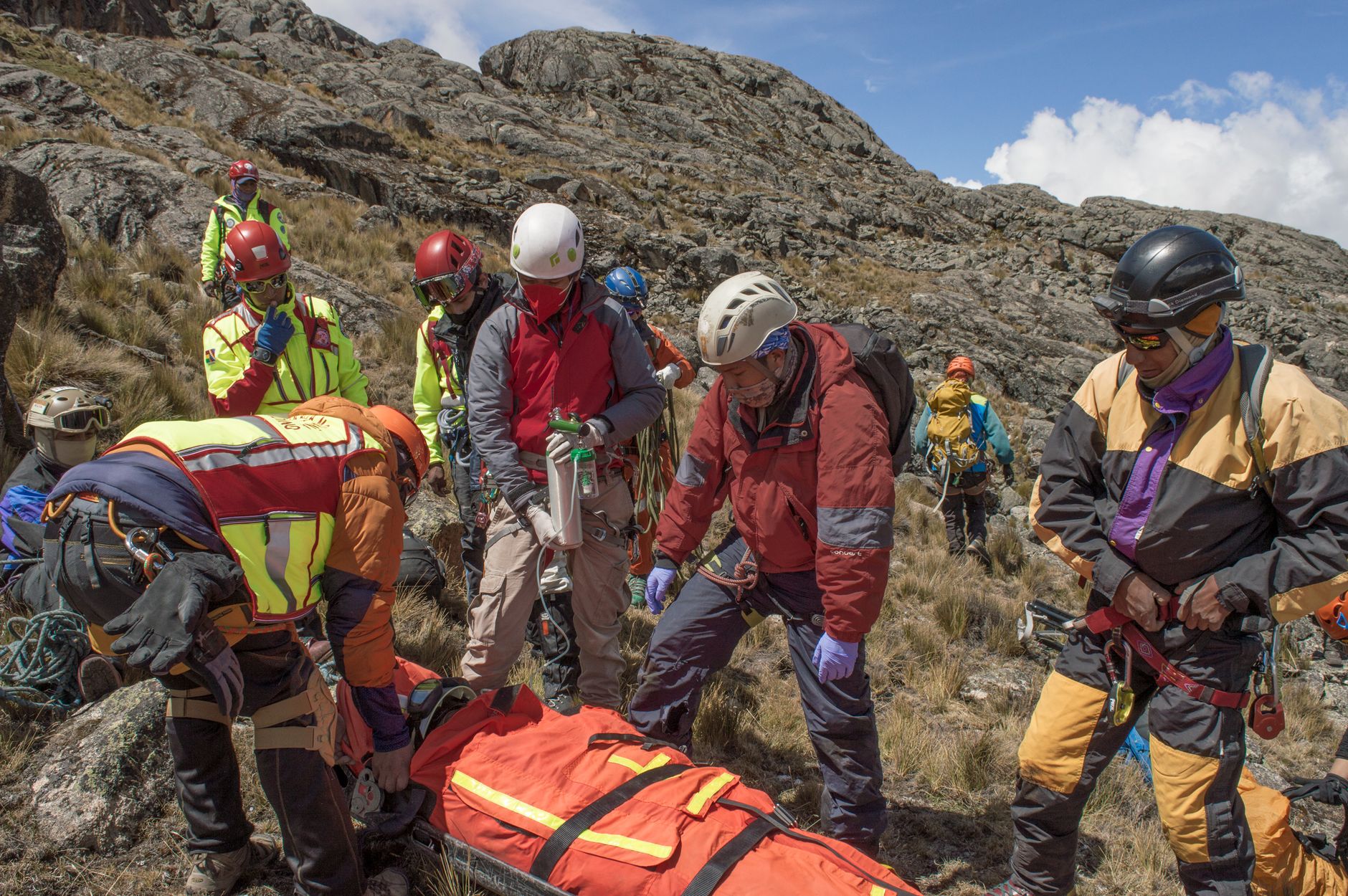
Blister and Foot Care: The Most-Used Section of Your Kit
Dr. Nandakumar, who runs ultras herself, was emphatic here: “You will use your blister kit more than anything else in that bag. It’s not glamorous, but a bad blister that gets infected can end a trip — or worse.” She recommends Leukotape P over moleskin for serious hikers. “Moleskin slides. Leukotape stays. It’s a night-and-day difference.” You can find more specifics on foot care products in our dedicated backcountry foot health kit guide, which covers prevention alongside treatment.
Dr. Thill’s blister protocol: drain the blister with a sterile lancet if it’s tense and painful, wipe with an alcohol swab, apply a Compeed blister pad directly over the site, then anchor the edges with Leukotape. “Don’t remove the Compeed until it falls off on its own — ideally after the hike. It’s basically a second skin.” He carries five to ten Compeed pads for any trip longer than two days.
Tools, Extras, and the Weight Trade-Off
Every ounce matters in the backcountry, and that includes your first aid kit. Dr. Kenmore’s guidance: “Don’t carry things you don’t know how to use. A SAM splint is useless if you’ve never improvised a splint before. Learn the skill first, then carry the tool.” The non-negotiable tools on all three doctors’ lists: trauma shears, a high-quality headlamp with extra batteries, nitrile gloves (at least four pairs), and a Mylar emergency blanket.
A personal locator beacon (PLB) or satellite communicator like the Garmin inReach Mini was described by Dr. Thill as “the most important thing in the entire kit, and it doesn’t even go in the medical bag.” All three doctors agreed: the ability to call for evacuation is worth more than any physical item you can carry. Satellite communicators aren’t optional for solo travel or remote multi-day trips.
Finally, Dr. Nandakumar’s practical tip: organize your kit into color-coded pouches. “Bleeding control in red, wound care in blue, medications in yellow. When something happens, you don’t want to be digging through a bag in a panic. Color coding makes the right tools findable in seconds.” A simple set of Sea to Summit Ultra-Sil dry bags or Zpacks’s waterproof bags works well for this system.
1. CAT Combat Application Tourniquet (North American Rescue) ⭐⭐⭐⭐⭐
Price range: $30-40 | Budget/Essential pick
The CAT tourniquet is the single most recommended hemorrhage-control device by all three physicians we interviewed. It’s the same tourniquet issued to US military personnel and is proven in real trauma scenarios. One-handed application, clear time-of-application tab, and a windlass rod that can generate enough pressure to stop arterial bleeding. This is not a luxury item — it’s your first line of defense against life-threatening blood loss.
Built to last: Constructed from 1.5-inch wide nylon webbing with a reinforced ABS plastic windlass and aluminum clip — tested to military specifications for tensile strength and repeated application cycles.
Pros:
- ✓ One-handed application possible with practice
- ✓ Military-proven in real trauma environments
- ✓ Lightweight at under 3 oz
Cons:
- ✗ Requires practice to apply correctly under stress — don’t buy it without training
2. QuikClot Advanced Clotting Gauze (QuikClot) ⭐⭐⭐⭐⭐
Price range: $18-30 | Budget pick
QuikClot hemostatic gauze is the doctor-recommended standard for packing deep wounds where a tourniquet can’t be applied — torso, groin, or axilla wounds especially. The gauze is impregnated with kaolin, a naturally occurring mineral that accelerates the body’s clotting cascade. Dr. Kenmore keeps two rolls in her kit and considers one roll a bare minimum. Used by packing directly into the wound and applying firm, sustained pressure for at least three minutes.
Built to last: Sterile-packaged in an airtight foil pouch that maintains efficacy even with temperature fluctuations common in alpine environments; kaolin impregnation is stable and does not degrade with shelf life under normal storage.
Pros:
- ✓ Clinically proven hemostatic agent
- ✓ Works on wounds where tourniquets cannot
- ✓ Compact and lightweight
Cons:
- ✗ Single-use; carry at least two rolls
3. Adventure Medical Kits Trauma Pak with QuikClot (Adventure Medical Kits) ⭐⭐⭐⭐⭐
Price range: $25-40 | Mid-range pick
If you want a pre-assembled trauma module that you can drop directly into a larger kit, the AMK Trauma Pak with QuikClot is the most efficient option available. It bundles an emergency trauma pad, an Israeli-style pressure bandage, nitrile gloves, and QuikClot gauze in a single waterproof pouch. Dr. Thill uses this as the core of his kit and builds around it. It’s not a complete first aid kit — think of it as the bleeding-control nucleus that every complete kit should have.
Built to last: Packaged in a heavy-gauge, water-resistant ripstop nylon pouch with a bright red color-coded exterior for fast identification; all internal components are individually sealed for sterility.
Pros:
- ✓ Surgeon-ready trauma essentials in one grab-and-go pouch
- ✓ Waterproof packaging
- ✓ Great starting foundation for a custom kit build
Cons:
- ✗ Still requires supplementing with wound care, medications, and tools
4. Compeed Advanced Blister Care Pads (Compeed) ⭐⭐⭐⭐⭐
Price range: $10-18 | Budget pick
Recommended by name by Dr. Nandakumar, Compeed blister pads use a hydrocolloid matrix that bonds to the skin around the blister, creating a moist healing environment that dramatically reduces pain and prevents infection. Unlike moleskin, Compeed stays put even in wet conditions and doesn’t require adhesive tape to stay anchored. The mixed-size variety pack gives you coverage for heel, toe, and ball-of-foot blisters without carrying redundant sizes.
Built to last: Hydrocolloid gel core bonded to a thin polyurethane film backing — waterproof, flexible enough to move with the foot, and designed to stay adhered through multiple hours of active hiking without peeling.
Pros:
- ✓ Superior adhesion versus moleskin
- ✓ Creates moist healing environment that speeds recovery
- ✓ Available in mixed-size variety packs
Cons:
- ✗ Pricier per pad than moleskin alternatives
5. Garmin inReach Mini 2 (Garmin) ⭐⭐⭐⭐⭐
Price range: $350-400 | Premium pick
Every physician we interviewed named a satellite communicator as the most critical piece of safety equipment for backcountry travel — period. The Garmin inReach Mini 2 is the smallest, lightest satellite communicator with two-way messaging and SOS capability via the Iridium satellite network. It works where there is zero cell signal. Dr. Thill carries it on every backcountry trip without exception. “It’s not a first aid item technically,” he said. “But it’s the item that makes all your first aid relevant — because it means rescue is actually possible.”
Built to last: MIL-STD-810 rated for shock, vibration, and temperature extremes; IPX7 waterproof; housed in a reinforced polymer casing that survives pack abuse, drops, and alpine weather conditions.
Pros:
- ✓ Global satellite coverage via Iridium network
- ✓ Two-way messaging means you can communicate your situation to rescuers
- ✓ Lightest full-featured communicator on the market at 3.5 oz
Cons:
- ✗ Requires ongoing subscription plan to send and receive messages
Final Verdict: Build It, Learn It, Carry It
The takeaway from three experienced emergency physicians is surprisingly consistent: the specific products matter less than having thought through every emergency scenario before it happens. A $400 trauma kit owned by someone with no training is less effective than a $80 kit owned by someone who’s practiced with it. Buy the gear, then get the training — in that order, and ideally before your next serious backcountry trip.
Start with bleeding control (CAT tourniquet, hemostatic gauze, pressure bandage), layer in wound care and irrigation supplies, add your medications after consulting your own physician, and don’t forget the most-used section: blister and foot care. Then organize it into color-coded pouches and practice locating items by feel. The backcountry first aid kit that saves your life is the one you can actually use when your hands are shaking.
Shop Backcountry Gear Labs on Etsy
Hoodies, tees, hats, and more for campers and hikers who live for the trail.
Get Weekly Gear Picks
Join the Backcountry Gear Labs newsletter for expert gear picks and backcountry advice, every week.