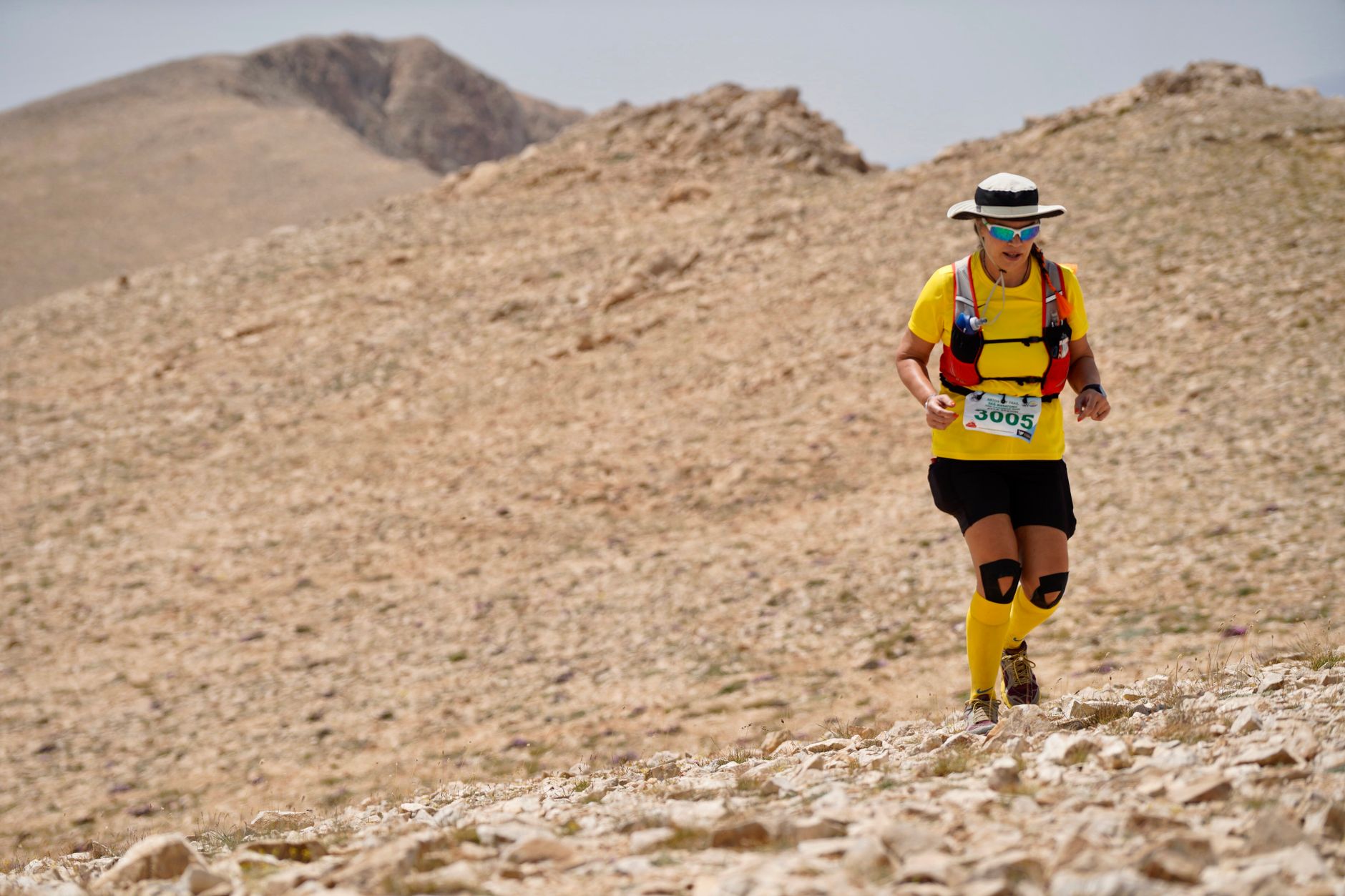
If you’re serious about running a 200-mile ultra, studying the gear choices of a Cocodona 250 winner is one of the highest-value research moves you can make. Rachel Entrekin’s finish at the Cocodona 250 — a brutal 250-mile route threading through Arizona’s Sonoran Desert, Mingus Mountain, and the Verde Valley — wasn’t just an athletic achievement. It was a masterclass in gear selection, nutrition strategy, and pack management under conditions that destroy underprepared athletes inside the first 50 miles. This breakdown pulls apart her kit layer by layer so you can apply real lessons to your own 200-plus-mile ambitions.
The Cocodona 250 is uniquely punishing because it combines desert heat, significant elevation change, remote sections with no crew access, and multi-day sleep deprivation. That combination exposes every weak link in your setup — the wrong shoe, a poorly positioned pack, or a nutrition plan that doesn’t account for appetite suppression at 60+ hours will cost you far more than time. What Entrekin’s race-winning approach demonstrates is that the best 200-mile gear isn’t necessarily the lightest or most expensive — it’s the most precisely dialed for the specific demands of that course.
Below, we break down the key categories: footwear and foot care, pack and vest setup, nutrition strategy, sleep kit, and layering system. For each, we pull out the core principle behind her choices and pair it with specific product recommendations across price tiers so you can build a comparable kit at your own budget level.
Footwear and Foot Care: The Foundation of Any Cocodona 250 Gear Strategy
Entrekin reportedly rotated between two shoe models across the 250 miles — a move that veteran 200-mile runners consistently endorse. The primary model was a maximal-cushion trail runner in the Hoka Speedgoat family for technical rocky terrain, with a transition to a slightly lower-stack, more breathable option during hotter desert sections. Rotating shoes allows feet to decompress between use, reduces hot spot formation from repeated pressure points, and lets wet or sweaty shoes dry before the next wear. If you’re planning one pair for a 200-miler, reconsider.
Equally important was her foot care protocol at aid stations. Sources close to her crew confirmed a consistent blister check, sock change, and foot powder application at every major crew access point. At events this long, feet swell — often a full size. Shoes that fit perfectly at mile 0 can become compression traps by mile 150. The standard protocol among elite 200-mile finishers is to size up a half to full size for the second shoe rotation. Lube, specifically a body glide or anti-friction balm, was applied preemptively rather than reactively.
For a deeper look at products that support long-mile foot health, our Backcountry Foot Health Kit covers 12 tested products that specifically address the kind of cumulative damage a 200-mile event inflicts. Pairing smart shoe selection with a structured foot care kit is non-negotiable at this distance.
1. Hoka Speedgoat 5 (Hoka) ⭐⭐⭐⭐⭐
Price range: $145-160 | Premium pick
The Speedgoat 5 remains the go-to maximal-cushion trail shoe for gnarly technical terrain, and it’s a proven choice across multiple 200-mile finishes at Cocodona and Moab 240. The 5mm Vibram Megagrip outsole handles loose rock, the 4mm drop suits natural midfoot striking under fatigue, and the wide toe box accommodates late-race swelling far better than most competitors in this category.
Built to last: Compression-molded EVA midsole with a CMEVA base layer resists compaction over repeated high-mileage days; reinforced toe cap and Vibram rubber outsole resist abrasion from Arizona’s volcanic rock terrain.
Pros:
- ✓ Exceptional cushioning for multi-day mileage
- ✓ Wide toe box handles foot swelling
- ✓ Vibram outsole performs on loose shale and hardpack
Cons:
- ✗ Runs warm in high desert temperatures — size up and plan ventilated sock pairings
2. Injinji Trail Midweight Mini-Crew Socks (Injinji) ⭐⭐⭐⭐⭐
Price range: $20-26 | Budget-friendly pick
Toe socks are nearly universal among 200-mile finishers for a straightforward reason: they eliminate skin-on-skin friction between toes, which is the primary cause of interdigital blisters at ultra-distance events. Injinji’s Trail Midweight is specifically tuned for trail running with a reinforced heel, NanoGLIDE fiber treatment to reduce friction, and enough structure to stay put during aggressive downhill running.
Built to last: CoolMax fiber blend wicks moisture aggressively and resists compression matting; reinforced heel and toe pockets hold shape across multiple washes, which matters when you’re rotating sock pairs through a crew bag across five days.
Pros:
- ✓ Eliminates interdigital blisters — the most common DNF-causing foot issue
- ✓ Stays positioned in the shoe without bunching
- ✓ Available in multi-packs for easy crew bag rotation
Cons:
- ✗ Takes longer to put on at 3 a.m. aid station stops when fine motor skills degrade
Pack and Vest Setup: Carrying Smart for 250 Miles
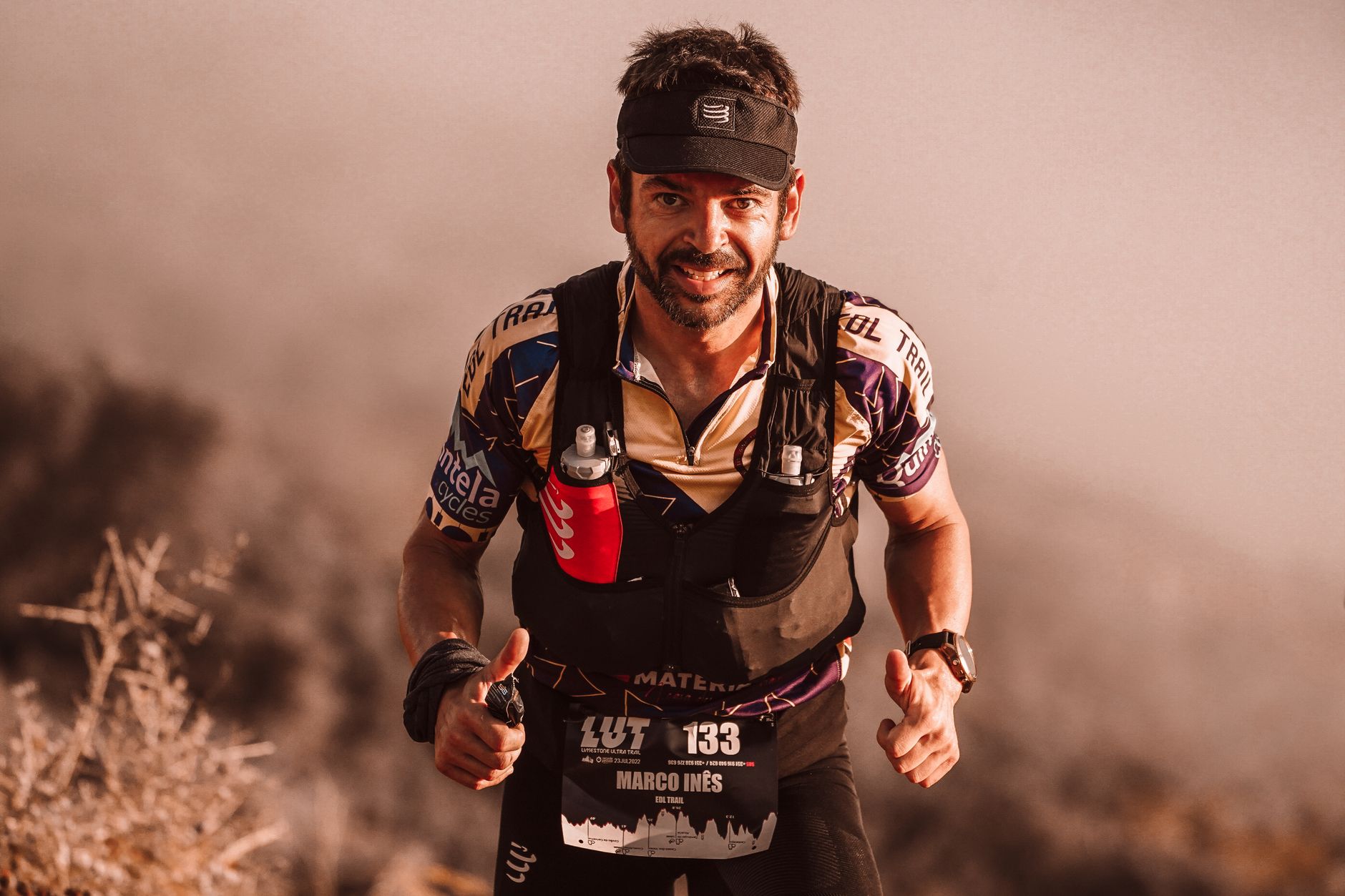
Entrekin ran the majority of the Cocodona 250 in a soft-flask vest rather than a traditional backpack — a choice that reflects the modern consensus among 200-mile elites. The vest format distributes load across the chest and shoulders without concentrating pressure on the hip flexors, which are already under extreme fatigue stress at multi-day distances. Her primary vest was in the Ultimate Direction Mountain Vesta category, offering front-pocket soft flask storage, a rear compartment sized for mandatory gear, and pole attachment points for the climbs above Mingus Mountain.
The key principle: at 200-mile events with regular crew access, you’re not carrying a full overnight kit between aid stations. You’re carrying mandatory safety gear, nutrition for the next segment, and a weather layer. Total carried weight in a dialed vest setup should stay under 10 pounds for most segments. The temptation to overpack is real — especially at 2 a.m. when anxiety peaks — but excess weight at mile 180 is disproportionately punishing relative to the early miles when your body is still fresh.
Pole management is a consistent differentiator for Cocodona finishers. Entrekin used collapsible carbon poles on the climbing sections and stowed them in the vest’s side bungees on runnable flats. This isn’t a luxury — poles materially reduce quad loading on the significant climbs above Prescott and Jerome, which translates to fresher legs in the final 80 miles.
3. Ultimate Direction Mountain Vesta 6.0 (Ultimate Direction) ⭐⭐⭐⭐⭐
Price range: $175-195 | Premium pick
The Mountain Vesta 6.0 is built specifically for long mountain runs and ultra-distance events where mandatory gear compliance, weather protection carry, and nutrition access all need to coexist in one system. The women’s-specific cut reduces bounce and front-pocket gap, two friction points that become significant across hundreds of miles. It fits 500ml and 250ml soft flasks in the front pockets with easy single-hand access — critical when you’re running and navigating simultaneously.
Built to last: Ripstop nylon shell with reinforced stitching at high-stress zones; YKK zippers on the main compartments; stretch mesh side panels hold shape over extended multi-day use without bagging out.
Pros:
- ✓ Women’s-specific geometry reduces shoulder and chest bounce
- ✓ Pole attachment system is secure at running pace
- ✓ Rear compartment fits mandatory gear plus a full weather layer
Cons:
- ✗ Front pockets size-optimized for UD flasks — some third-party flasks don’t seat as cleanly
Nutrition Strategy: Fueling 250 Miles Without a Gut Shutdown
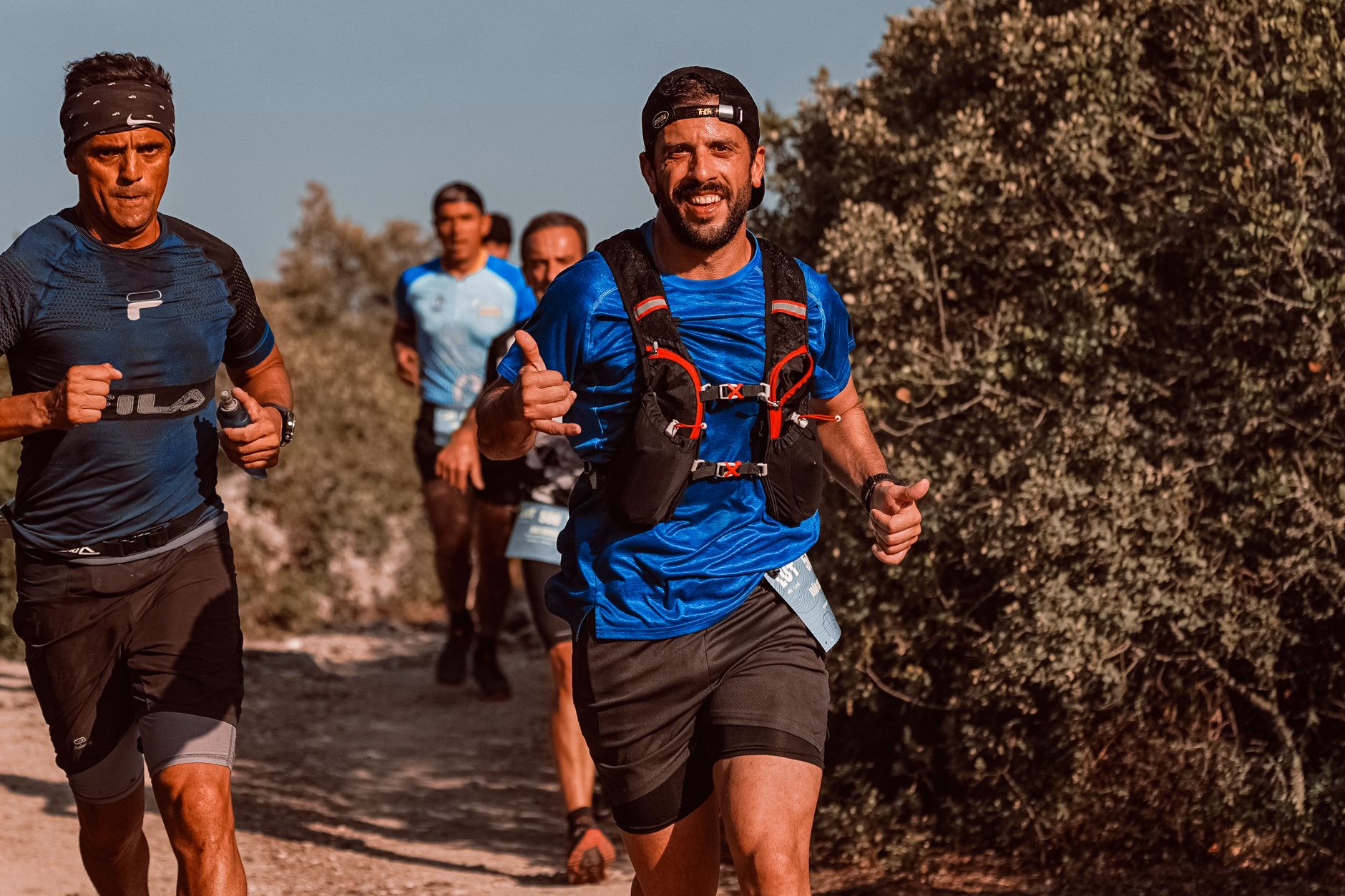
Nutrition is where Cocodona 250 races are won or lost more often than any other single variable. Entrekin’s approach, consistent with current elite 200-mile practice, centered on aggressive early-race calorie intake — targeting 250-300 calories per hour in the first 24 hours while appetite and gut function are still reliable — and transitioning to more frequent, smaller doses as the race progressed and appetite suppression set in. The common error among age-group 200-mile runners is under-eating in the first 48 hours because they feel fine, then hitting catastrophic caloric debt by mile 150.
Her mix leaned on real food at aid stations — broth, potatoes, eggs, and rice-based options — supplemented by liquid calories and soft chews while moving. Solid food becomes mechanically difficult to process after 36-plus hours of running due to reduced gut motility. Liquid calories — specifically high-carbohydrate drink mixes like Tailwind or Precision Hydration’s 1500 mix — maintain caloric intake without demanding digestive effort. Her crew also maintained a consistent sodium protocol: approximately 500-700mg of sodium per hour, adjusted upward during the hottest desert segments, which runs through sections with ambient temperatures that can exceed 100°F in early May.
One often-overlooked detail: Entrekin’s crew prepped her aid station meals in advance and had them waiting at exact temperatures. Hot broth at 2 a.m. in a desert canyon is a psychological anchor as much as a nutritional one. The tactical preparation at crew points is as important as the nutrition choices themselves.
4. Tailwind Nutrition Endurance Fuel (Tailwind) ⭐⭐⭐⭐⭐
Price range: $30-38 per bag (30 servings) | Mid-range pick
Tailwind has earned its near-universal adoption among 200-mile runners because it genuinely delivers on its core promise: calories, electrolytes, and hydration in one clean formula that the gut tolerates across multi-day efforts. The 100-calorie-per-serving formula mixes cleanly in soft flasks without gumming, and the flavor concentration is low enough that it doesn’t induce flavor fatigue — a real problem with sweeter products after 40-plus hours.
Built to last: Simple dextrose and sucrose base with clean electrolyte profile; no maltodextrin gelling issues in cold water; resealable bag holds up in a crew bin across multi-day race conditions.
Pros:
- ✓ Gut-friendly formula tolerates well beyond 24 hours of continuous use
- ✓ Complete electrolyte profile eliminates need for separate salt supplementation in moderate heat
- ✓ Low flavor intensity reduces flavor fatigue at ultra-distance
Cons:
- ✗ Caloric density requires supplementing with solid food — it’s not a standalone solution for 300 cal/hour targets
Sleep and Recovery Kit: The Detail Most 200-Mile Runners Get Wrong
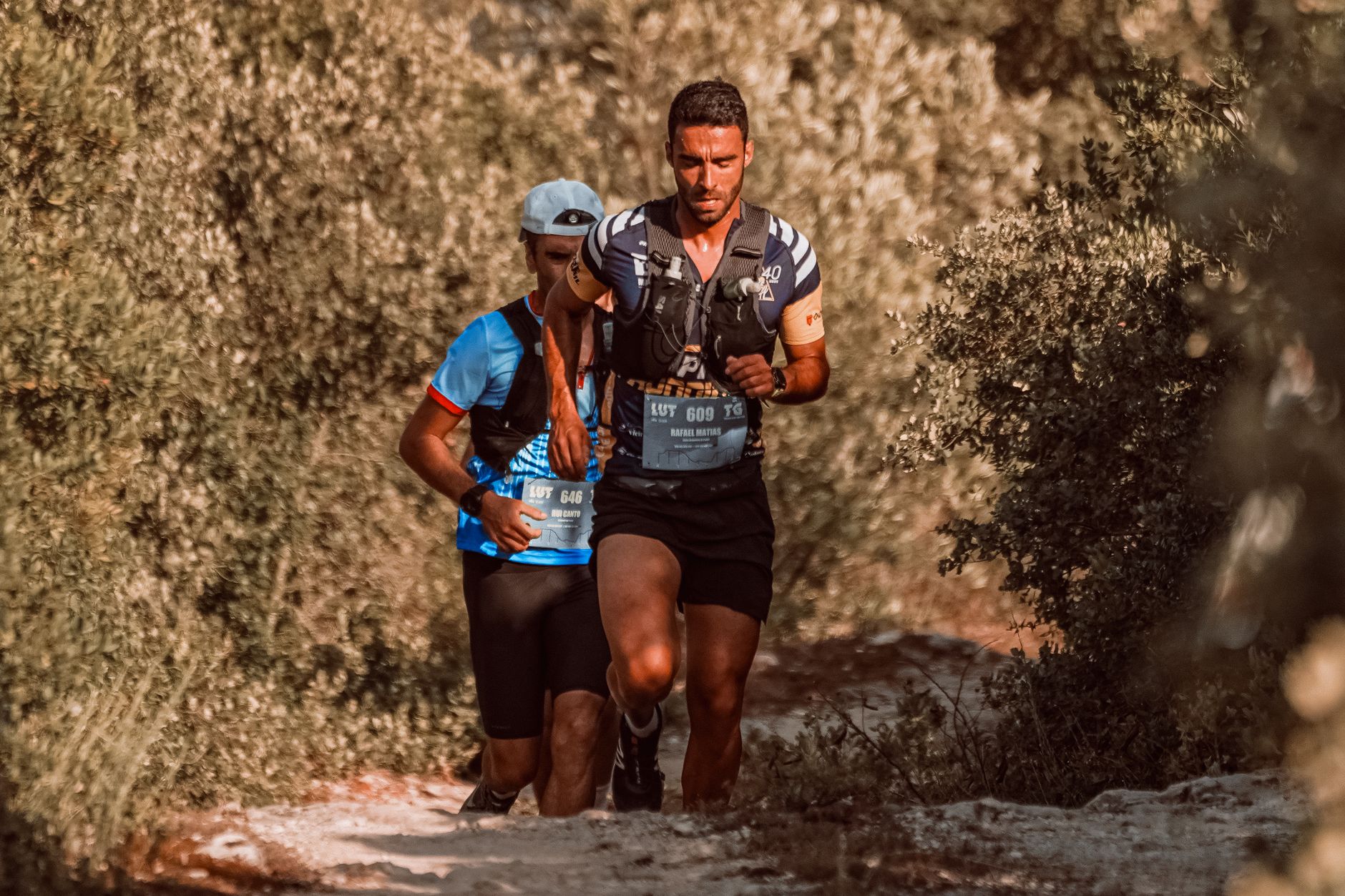
Sleep management at the Cocodona 250 is a tactical discipline, not an afterthought. Entrekin’s approach used planned micro-sleep blocks — 20-30 minute intentional sleep sessions at crew access points — rather than running to exhaustion and collapsing. The research on ultra-endurance sleep deprivation is unambiguous: cognitive degradation accelerates sharply after 36 hours without sleep, increasing navigation errors and injury risk. Planned micro-sleep preserves decision-making capacity through the final 100 miles when trail conditions in the Bradshaw Mountains demand full attention.
Her sleep kit was deliberately minimal: a lightweight quilt or emergency bivy rated to handle the nighttime temperature drops at elevation (Mingus Mountain nights can drop into the 40s°F even in May), a thin inflatable pillow, and warm dry socks staged at crew points specifically for sleep stops. The goal is quality of sleep onset, not duration — a 25-minute fully horizontal sleep in a warm dry layer beats 45 minutes of shivering in damp running clothes.
5. SOL Escape Lite Bivy (SOL) ⭐⭐⭐⭐⭐
Price range: $45-60 | Budget pick
For micro-sleep stops during a 200-mile race, the SOL Escape Lite Bivy is close to ideal: it packs to fist size, weighs under 9 ounces, and reflects body heat effectively enough to extend comfort well below ambient temperature. It’s not a substitute for a proper sleep system on a multi-night backcountry trip, but for 30-minute crew-point sleep stops at a Cocodona aid station, it delivers exactly what’s needed without the weight penalty of a full sleeping bag.
Built to last: Aluminized polyester film construction is tear-resistant compared to standard mylar emergency blankets; the bivy format keeps reflective material positioned correctly without requiring the runner to manage loose sheeting while half-asleep.
Pros:
- ✓ Sub-9-ounce weight is genuinely negligible in a running vest
- ✓ Bivy format is faster to deploy than a blanket — critical when you have a 25-minute sleep window
- ✓ Doubles as mandatory safety gear for most 200-mile events
Cons:
- ✗ Condensation builds inside on longer sleep periods — strictly a micro-sleep tool, not a full overnight solution
Layering System: Managing Arizona’s 60-Degree Temperature Swings
One of the most underestimated challenges of the Cocodona 250 is the thermal range. Runners can experience 100°F desert heat in the lower elevation sections and sub-45°F nights on Mingus Mountain within the same 24-hour block. Entrekin’s layering system was built around a lightweight merino base layer that managed sweat and odor across the full event, a midlayer wind shell for the exposed ridgeline sections, and a waterproof hard shell accessible in the rear pack compartment for the mandatory weather carry requirement. The base layer doubled as a sleep layer during micro-rest stops.
Merino wool’s role in multi-day ultra events goes beyond odor resistance. Its temperature-regulating properties — warming when damp, resisting the chill that synthetic fabrics create when wet in wind — are genuinely functional across the desert-to-alpine transitions that define the Cocodona course. The anti-odor base layer category has matured significantly, and runners planning 200-mile events should look for merino-synthetic blends that balance wool’s thermal regulation with nylon’s abrasion resistance. Pure merino wears through at pack contact points after 72+ hours of continuous movement.
Sun protection deserves a specific call-out here. Entrekin wore UPF 50+ arm sleeves during the extended desert sections rather than relying solely on sunscreen — a smart move given that reapplication becomes inconsistent after 48 hours without sleep. Lightweight sun sleeves can be pushed down quickly on the climbs and rolled up on exposed flats, offering faster thermal and UV adjustment than stopping to apply cream.

The Takeaway: Building Your Own 200-Mile Kit
The throughline in Entrekin’s Cocodona 250 gear breakdown is precision over volume. Every item in her kit had a specific, justified function — there was no comfort gear carried out of anxiety and no category left unaddressed. The athletes who DNF at 200-mile events rarely do so because they lacked gear. They do so because they brought the wrong gear, staged it poorly at crew access, or skipped the detailed foot care and nutrition protocols that seem minor at mile 10 and become catastrophic at mile 180.
Start building your kit by mapping the specific demands of your target event: temperature range, crew access frequency, mandatory gear list, and terrain profile. Then work backwards from those demands to the minimum effective gear for each category. Entrekin’s race win wasn’t built on having more — it was built on having exactly what the Cocodona 250 required, in the right place, at the right time. That’s a repeatable system, and it starts with the research you’re doing right now.
Shop Backcountry Gear Labs on Etsy
Hoodies, tees, hats, and more for campers and hikers who live for the trail.
Get Weekly Gear Picks
Join the Backcountry Gear Labs newsletter for expert gear picks and backcountry advice, every week.