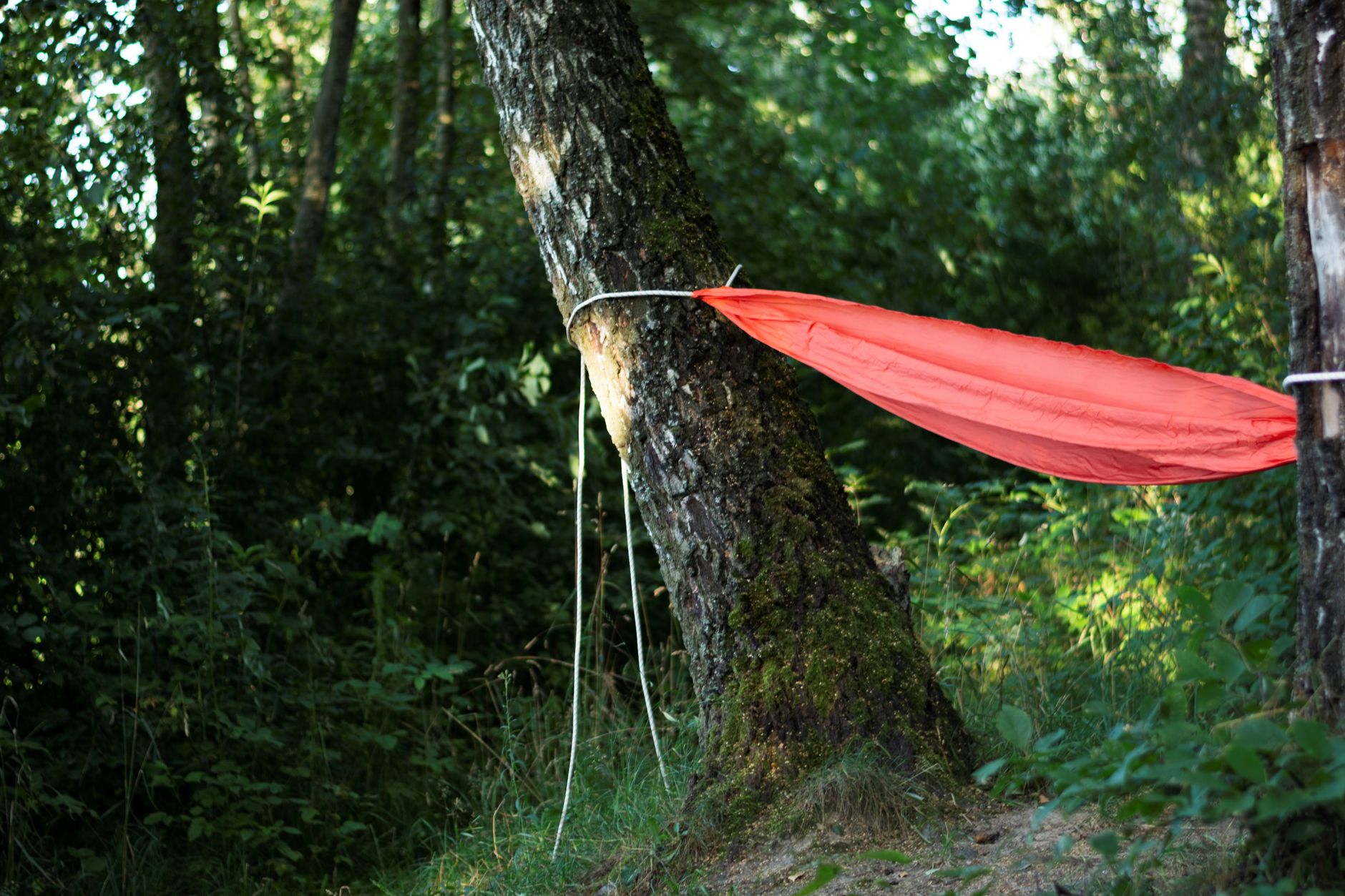
Hammock camping has quietly become one of the most popular ways to spend a night in the backcountry — and for good reason. A well-chosen hammock camping setup gets you off the cold ground, reduces pack weight compared to many tent systems, and delivers a genuinely comfortable night’s sleep when the rigging is dialed in. But with dozens of hammocks, tarps, bug nets, and underquilts flooding the market, figuring out the right combination for your style of travel takes real-world testing, not spec-sheet reading.
I’ve spent the past several seasons sleeping in hammocks across three-season conditions — from sweltering summer nights in the Southeast to cold shoulder-season trips in the Rockies — testing everything from ultralight minimalist setups to fully bombproof systems built for nasty weather. What I found is that the “best” hammock rig isn’t a single product; it’s a system. The hammock, suspension, bug protection, and insulation all have to work together. Get one piece wrong and you’ll either freeze, get eaten alive, or end up in a wet heap at 2 a.m.
This guide breaks down the best hammock camping setups available right now, with honest pros, cons, and real-world notes from nights actually spent in each one. Whether you’re just switching over from tent camping or looking to upgrade a leaky tarp situation, here’s what I’d recommend in 2026.
Why a Hammock Camping Setup Beats a Tent in the Right Terrain
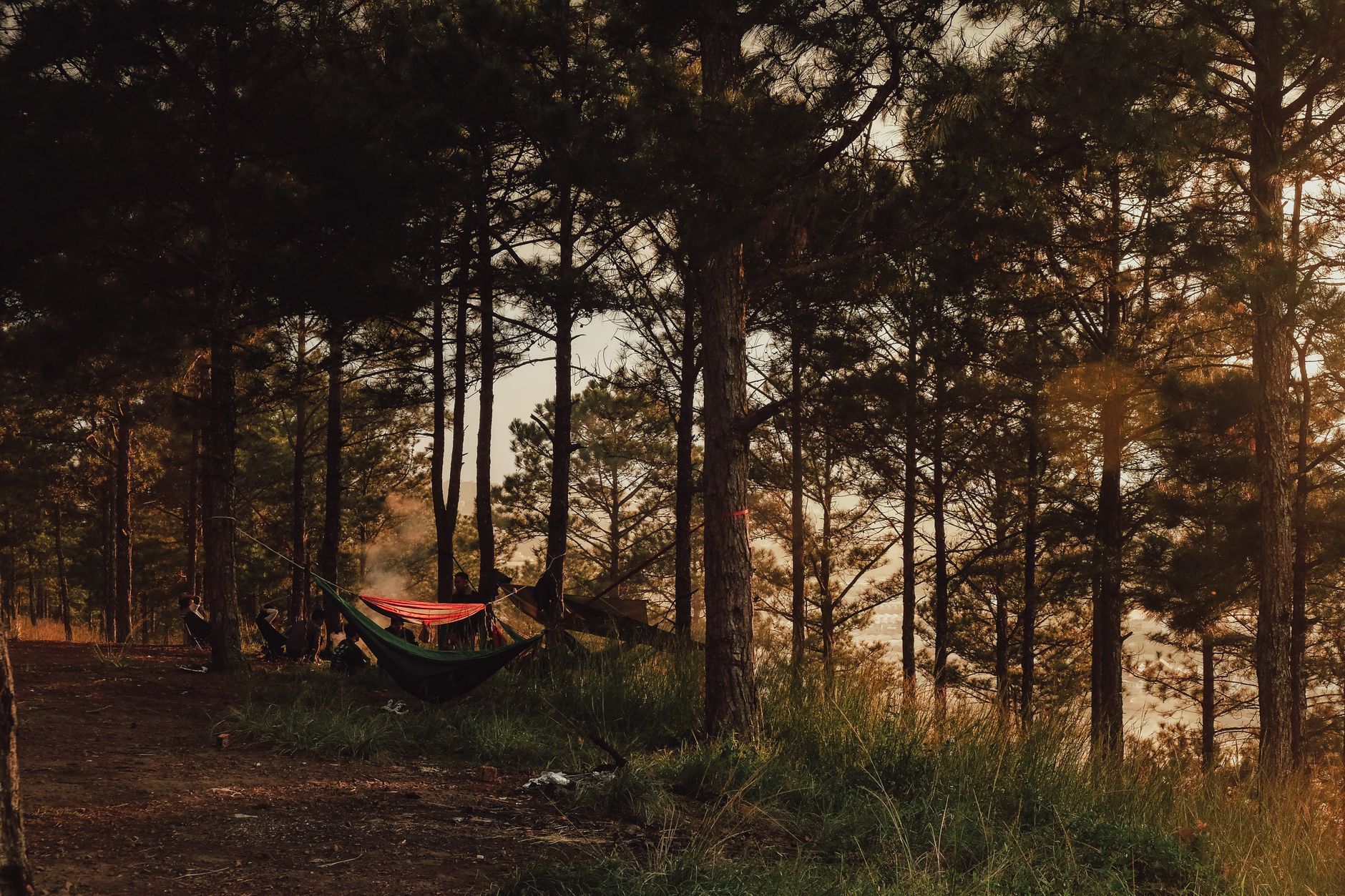
The biggest advantage of a hammock camping setup isn’t weight — although many systems do come in under two pounds fully rigged. It’s adaptability. Tents need flat, clear, debris-free ground. Hammocks need two trees roughly 12 to 15 feet apart. In old-growth forests, rocky canyon terrain, or dense jungle environments, a hammock is simply the better shelter option. You’re also eliminating ground moisture, insects crawling from the soil, and the stiff-back misery that comes with sleeping on uneven ground even through a sleeping pad.
There are real limitations to acknowledge upfront. Tree availability matters — hammocks are a poor choice for alpine zones, desert camping, or heavily regulated Leave No Trace areas where tree damage is a concern. Cold weather introduces a specific challenge: hammocks expose your underside to cold air, which means a sleeping bag alone won’t cut it below about 55°F. You’ll need an underquilt or sleeping pad system to stay warm. Once you have that dialed in, though, a hammock system handles cold far better than cheap single-wall tents.
What to Look for in a Hammock Camping Setup
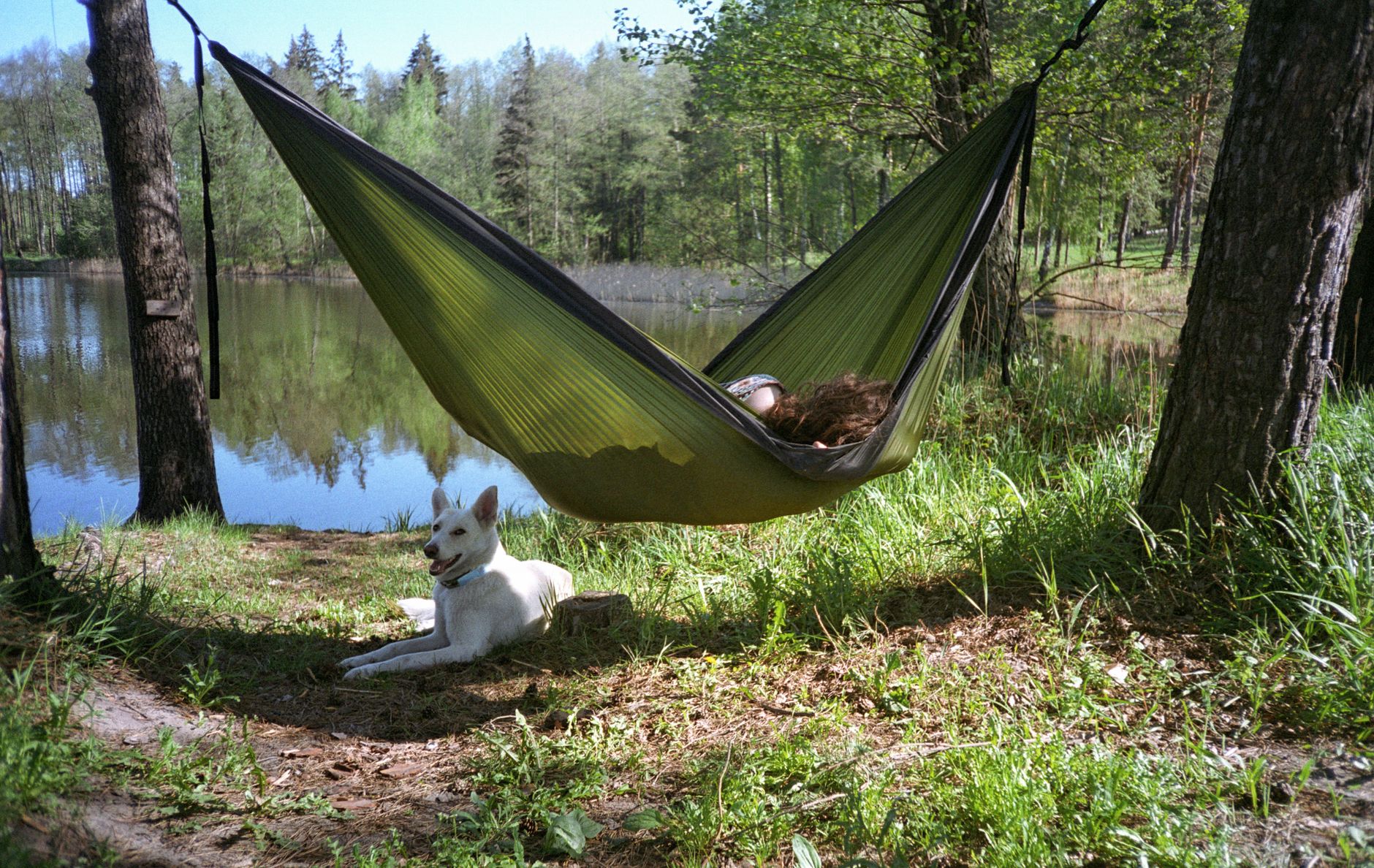
The hammock body itself should be made from either nylon ripstop or polyester, with 30D to 70D fabric weights being the sweet spot for backpacking. Lighter fabrics (20D or less) are available but sacrifice long-term durability. Look for double-layer hammocks if you plan to use a structural ridgeline — they allow for a flatter lay and better angle for sleeping diagonally, which is the correct technique for eliminating the dreaded “banana” curve that gives hammocks a bad reputation for back comfort.
Suspension is equally critical. Whoopie slings with adjustable loops offer the most flexibility for different tree spacings and the lowest weight. Flat webbing straps are more beginner-friendly and widely available. Whatever you choose, make sure your straps are at least one inch wide to minimize tree bark damage — and in some national parks, two inches is now required. Bug nets and rain tarps should be treated as non-negotiables for any overnight trip outside of extremely arid climates.
For insulation, if you’re hammock camping in anything below 55°F, pair your hammock with one of the well-reviewed ultralight sleeping systems we’ve tested — specifically a quilt and pad combo that works underneath you, since top-side insulation alone won’t prevent the cold air convection underneath your hammock from robbing your warmth.
Top Hammock Camping Setups We Tested and Ranked
1. ENO DoubleNest Hammock with Atlas Straps 🏕️
The ENO DoubleNest is the hammock that converted more tent campers than any other product on this list. It weighs 19 oz, stuffs into its own integrated pouch, and holds up to 400 lbs. The Atlas Straps included in the bundle are 1.5 inches wide and infinitely adjustable — one of the cleaner suspension systems for beginners. The nylon ripstop fabric is durable without being heavy, and the color options are genuinely fun if that matters to you. This isn’t the lightest system, but it’s the most forgiving to set up correctly, which matters more for new hammock campers.
Pros:
- ✅ Excellent beginner-friendly suspension system
- ✅ Bombproof 400 lb weight rating
- ✅ Integrated stuff sack with carabiner attachment
Cons:
- ❌ At 19 oz it’s not the ultralight choice for gram-counters
2. Kammock Roo Double Hammock 🏕️
Kammock builds some of the most refined hammocks on the market, and the Roo Double represents their best balance of weight, packability, and comfort. The 70D nylon hammock body packs down to about the size of a softball and checks in under 14 oz. It features a longer 11-foot body than most competitors, which is a genuine advantage for taller hikers or anyone who struggles to achieve a comfortable diagonal lay in shorter hammocks. Pair it with Kammock’s Python Straps for a complete, tree-safe system.
Pros:
- ✅ Longer 11-foot body suits taller campers well
- ✅ Excellent packability at sub-14 oz
- ✅ High-quality hardware and construction
Cons:
- ❌ Premium price point compared to budget alternatives
3. Warbonnet Blackbird XLC Double Layer Hammock 🏕️
This is the hammock serious backcountry hammock campers eventually graduate to. The Blackbird XLC features a double-layer construction that allows you to insert a sleeping pad between the layers for cold-weather insulation — eliminating the need for an underquilt if you already own a good pad. The integrated gathered-end bug net is one of the best I’ve used: fine mesh, good coverage to the ground, and a built-in footbox that prevents drafts. Warbonnet is a cottage brand, so lead times can be longer, but the quality is extraordinary for the price.
Pros:
- ✅ Double-layer design accepts standard sleeping pads for 3-season insulation
- ✅ Integrated bug net is best-in-class for coverage
- ✅ Cottage brand quality at a mid-range price
Cons:
- ❌ Longer shipping waits due to small-batch production
4. Grand Trunk Skeeter Beeter Pro Hammock 🏕️
The Skeeter Beeter Pro bundles a full hammock, bug net, and carabiners into one tight, packable system that weighs around 24 oz. For summer hammock camping in buggy environments — think Southeast, Pacific Northwest, anywhere with standing water nearby — this setup is hard to beat for the price. The bug net deploys in seconds and covers the full hanging length. It’s not designed for cold weather use and doesn’t have a structural ridgeline, but as a warm-season kit for hikers who want everything in one package, it consistently overdelivers.
Pros:
- ✅ Integrated bug net included at no extra cost
- ✅ Great all-in-one value for summer backpackers
- ✅ Quick-deploy net saves setup time at camp
Cons:
- ❌ Not suitable for cold-weather hammock camping without additional insulation accessories
5. Hummingbird Hammocks Single Plus 🏕️
If gram-counting is your religion, the Hummingbird Single Plus is essentially scripture. This hammock weighs an almost absurd 6.3 oz thanks to 20D ripstop nylon construction and ultralight hardware. It packs down smaller than a fist. For solo ultralight backpackers doing warm-weather trips where the hammock is a luxury sleep upgrade rather than a primary shelter system, nothing else comes close at this weight. The 10-foot length accommodates most body sizes comfortably, and the 300 lb weight rating is adequate for most users. Just treat it gently — this isn’t a hammock you throw in the truck bed for car camping abuse.
Pros:
- ✅ Under 7 oz — lightest full-size option tested
- ✅ Packs down to fist size for ultralight kits
- ✅ Excellent value for dedicated UL backpackers
Cons:
- ❌ 20D fabric requires careful handling — not built for rough use

Tarps and Bug Nets: Completing Your Hammock Camping Setup
A hammock without weather protection is a camping philosophy, not a camping shelter. Rain tarps are non-negotiable in most environments. Look for a tarp at least 10 feet long with doors or side panels that close off the ends — hex tarps without full coverage leave you exposed to wind-driven rain and leave you cold at night even in summer. The ENO ProFly, Hummingbird Hex Tarp, and DD Hammocks tarp line are all worth shortlisting. Pole-less tarps that attach to your ridgeline with integrated guylines save significant weight over traditional tarp setups.
For bug nets, many hammocks now come with integrated options. If yours doesn’t, aftermarket sock-style nets that slip over the entire hammock body are inexpensive and effective. Avoid nets that only cover the top — in buggy terrain, insects will find any gap, and the seams around gathered ends are the first place they exploit. Treating your hammock suspension straps with permethrin adds another layer of protection on trips into tick country. It’s a small step that makes a measurable difference over a multi-day trip.

Cold-Weather Hammock Camping: What You Actually Need
The biggest misconception in hammock camping is that your sleeping bag will keep you warm. Below 55°F, the bag compresses underneath your body and loses its loft — which means it loses its insulating value precisely where you need it most. This is why underquilts exist. An underquilt hangs beneath the hammock and traps warm air against your bottom side without compression. Brands like Enlightened Equipment, Hammock Gear, and Jacks R Better all produce reliable options in the 20°F to 40°F range. Expect to pay $150–$300 for a quality underquilt — it’s the most expensive piece of the system, but also the most impactful for year-round use.
Top quilts replace traditional sleeping bags in hammock systems. They’re cut specifically for hammock use — wider at the shoulders, with a footbox that closes off drafts — and weigh considerably less than a mummy bag of equivalent temperature rating. If you’re curious how hammock quilt systems compare to traditional sleeping setups for overall pack weight, our ultralight sleeping systems roundup has direct comparisons worth reviewing before you buy.
Final Verdict: Which Hammock Camping Setup Is Right for You?
For most backpackers stepping into hammock camping for the first time, the ENO DoubleNest with Atlas Straps is the lowest-risk starting point. It’s forgiving, durable, and widely available. Intermediate campers who want a more refined system should look hard at the Warbonnet Blackbird XLC — the double-layer design and integrated bug net solve two of hammock camping’s biggest problems in one piece of kit. Ultralight specialists will be hard pressed to find anything more packable than the Hummingbird Single Plus at 6.3 oz.
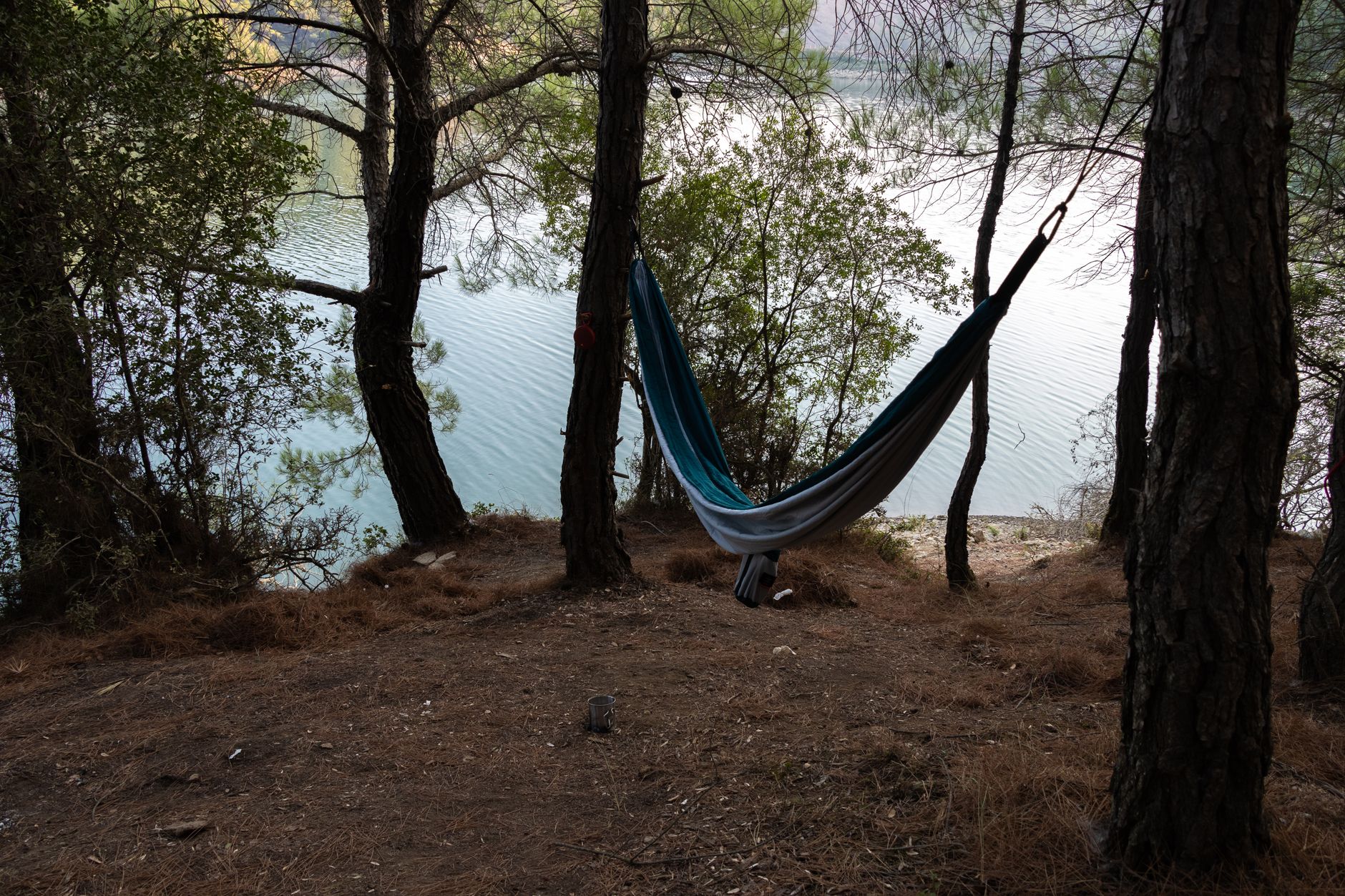
Whatever setup you choose, invest real time in your rigging before you’re on trail. Practice your suspension angles — the ideal is 30 degrees from horizontal — and nail your diagonal lay so your spine stays flat. A hammock camping setup rewards attention to technique more than almost any other shelter system. Get those details right and you will genuinely look forward to sleeping in it every night.
Shop Backcountry Gear Labs on Etsy
Hoodies, tees, hats, and more for campers and hikers who live for the trail.
Get Weekly Gear Picks
Join the Backcountry Gear Labs newsletter for expert gear picks and backcountry advice, every week.