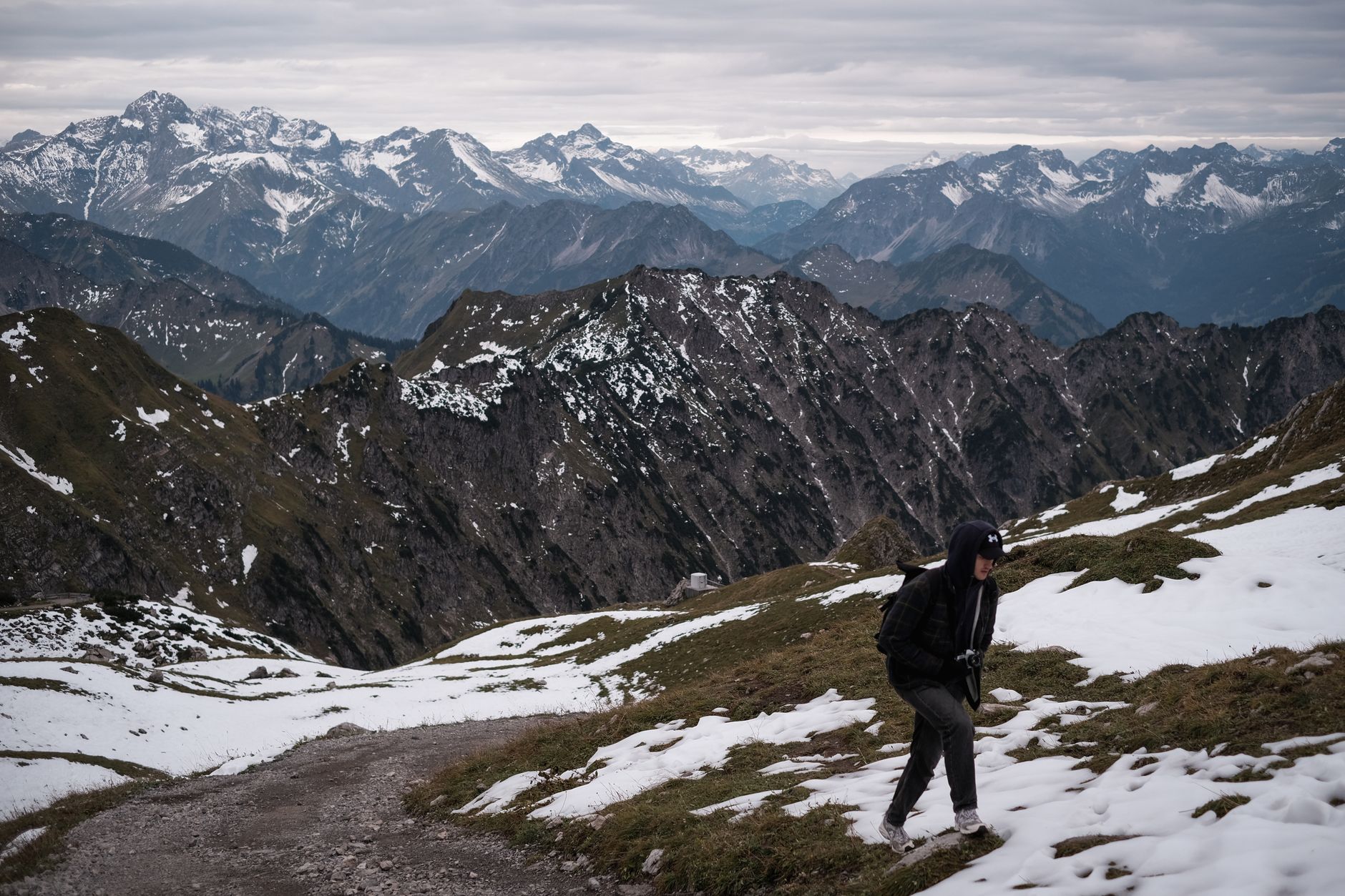
If you’ve been shopping for synthetic base layers lately, you’ve probably noticed that merino wool options are getting harder to justify on a budget. Wool prices have been climbing steadily, with supply chain pressures and increased global demand pushing many quality merino pieces well past the $100–$150 mark — and sometimes beyond. For hikers who want performance without the premium price tag, the good news is that synthetic base layers have never been better.
Modern synthetics have closed the gap on wool in nearly every meaningful way. Today’s polyester and nylon blends wick moisture faster, dry in a fraction of the time, and hold up to abrasion far better than their wool counterparts. The one area where merino still holds an edge — odor resistance over multiple days — has been largely addressed by antimicrobial treatments and silver-ion technology that are now standard in mid-tier synthetics. You’re not settling when you go synthetic. You’re making a smart, trail-tested choice.
Below, I’ve put together a practical buyer’s guide featuring seven synthetic base layers all priced under $75. These picks cover everything from cold-weather grid fleece tops to lightweight summer hiking tees, and every one of them earns its place on a real trail — not just in a gear closet.
Why Synthetic Base Layers Make Sense for Most Hikers Right Now
The base layer’s job is simple: move sweat away from your skin fast enough that you don’t get cold or chafed during the effort-to-rest transitions that define most trail days. Merino does this beautifully — but so does a well-engineered polyester. The difference is that polyester dries roughly three to five times faster than wool, which matters enormously in rain-heavy environments or high-output activities like scrambling or alpine approaches.
Weight is another factor. A premium merino base layer often runs heavier than a comparable synthetic, which isn’t a dealbreaker for casual hikers but absolutely matters for thru-hikers or anyone counting grams. If you’ve been following the essential gear picks women thru-hikers swear by after 1,000 miles, you already know that seasoned long-distance hikers often pivot toward synthetics precisely because of the durability and quick-dry advantages.
The honest caveat: if you’re doing multi-day backcountry trips without resupply or laundry access, wool’s natural odor resistance remains a genuine advantage. But for most weekend warriors, day hikers, and even section hikers hitting town every few days, a good synthetic base layer with antimicrobial treatment performs just as well — and saves you $40 to $80 per piece.

What to Look for in a High-Performance Synthetic Base Layer
Not all synthetics are equal. The fabric weight is the first thing to check: measured in grams per square meter (GSM), lightweight fabrics in the 100–150 GSM range work best for aerobic activity in mild conditions, while midweight options (180–230 GSM) give you warmth for cold-weather approaches or camp lounging. Knowing which you need before you buy prevents a lot of “too hot on the climb, too cold at camp” frustration.
Look for flatlock seams, which lie flat against the skin and don’t cause hot spots under a pack’s hipbelt or shoulder straps after hours of wear. Moisture-wicking treatments should be labeled as durable (DWR-style or silver-ion antimicrobial) rather than a one-wash finish. And fit matters: a base layer that billows or bunches under a midlayer is actively working against you. Most quality brands offer a trim athletic cut specifically for active use — that’s the one you want.
Finally, consider the activity. A short crew neck works fine for single-day hikes where you can shed layers quickly. A half-zip is worth the modest extra cost if you’re doing long uphill slogs where you need rapid venting without fully removing a layer. These small choices compound over a full trail day into significantly better comfort.
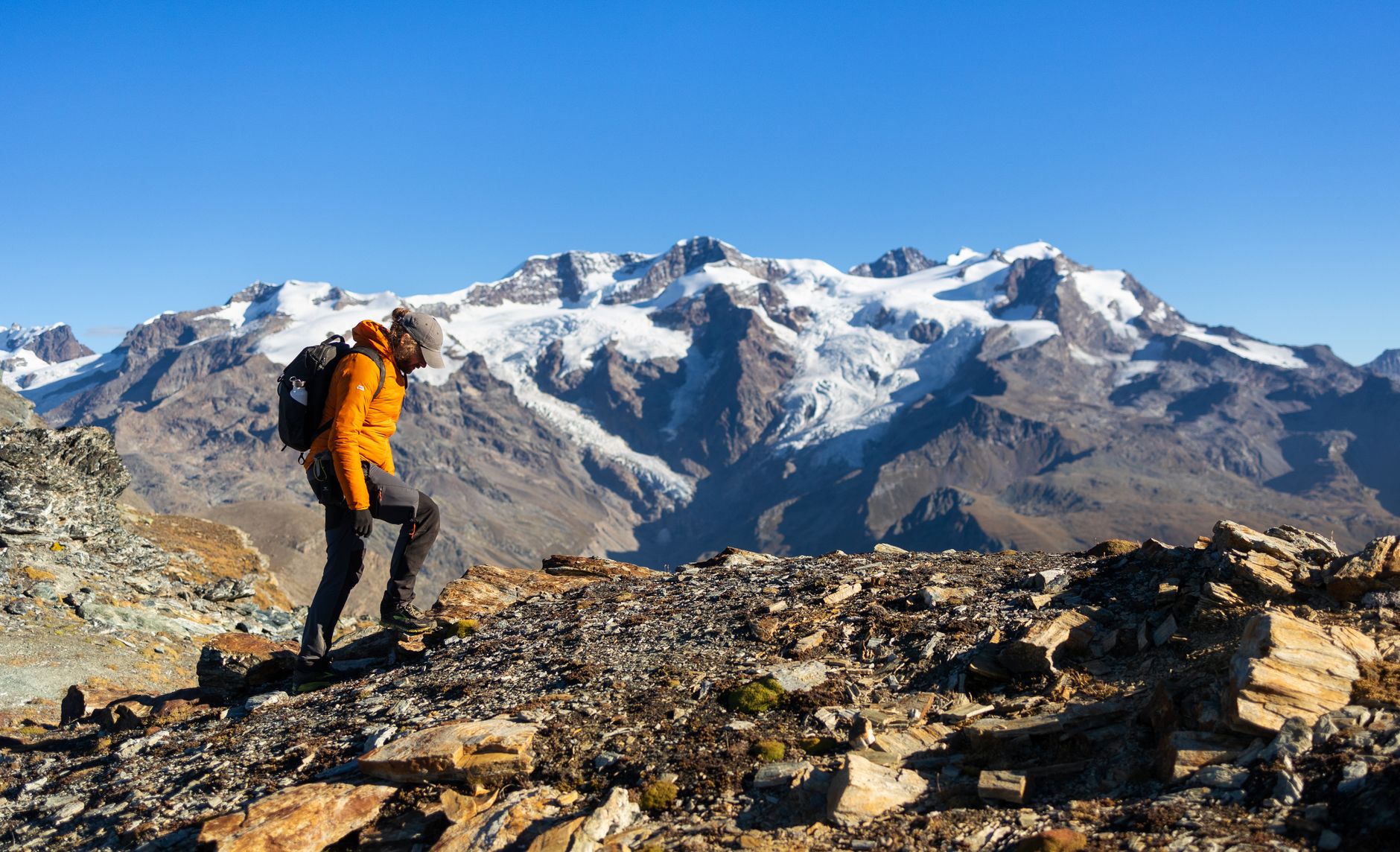
7 Best Synthetic Base Layers Under $75 — Tested and Recommended
1. Patagonia Capilene Cool Lightweight Shirt ⭐⭐⭐⭐⭐
Patagonia’s Capilene Cool line is the benchmark against which other lightweight synthetics get judged. The Cool Lightweight is a 100% recycled polyester shirt with a 4-way stretch that moves with you on technical terrain. It features Polygiene permanent odor control, which holds up across dozens of washes and multiple sweaty days far better than most competitors at this price point. The slim athletic cut works well under any shell or midlayer.
Pros:
- ⭐ Excellent moisture-wicking performance on high-output days
- ⭐ Polygiene odor control holds up season after season
- ⭐ Recycled polyester construction for sustainability-minded hikers
Cons:
- ✗ Lightweight fabric can feel cool to the touch in cold starts
2. REI Co-op Midweight Base Layer Crew Top ⭐⭐⭐⭐⭐
REI’s house-brand midweight is a consistent overachiever at its price point. Built from a polyester-spandex blend, it delivers a comfortable four-way stretch and solid moisture management for cold-weather hikes and shoulder-season trips. The midweight construction makes it genuinely warm at rest while still managing sweat during moderate effort. A great all-rounder for three-season hikers who don’t want a quiver of base layers.
Pros:
- ⭐ Midweight warmth without feeling bulky under a shell
- ⭐ Flatlock seams eliminate chafing under pack straps
- ⭐ Available in an unusually wide range of sizes and fits
Cons:
- ✗ Slower drying than ultralight synthetics — not ideal for high-output summer use
3. Under Armour ColdGear Fitted Long Sleeve ⭐⭐⭐⭐
Under Armour’s ColdGear Fitted is a cold-weather workhorse that punches above its weight class. The dual-layer construction runs a moisture-wicking interior against the skin while a smooth exterior layers easily under any midlayer or shell. It fits trim and stays put during aggressive movement — no riding up on technical climbs. The compression-friendly fit also makes it a favorite for hikers who double their base layers for camp use.
Pros:
- ⭐ Dual-layer construction genuinely warm from the first minute
- ⭐ Snag-resistant smooth exterior layers cleanly under shells
- ⭐ Excellent value at well under $75 in most colorways
Cons:
- ✗ Compression fit isn’t for everyone — size up if you prefer a relaxed feel
4. Smartwool Intraknit Thermal Merino-Free Half Zip ⭐⭐⭐⭐⭐
Yes, Smartwool makes a synthetic. The Intraknit Thermal is a 100% polyester grid-fleece construction with Smartwool’s signature body-mapped paneling — thinner under the arms and across the back where heat builds, thicker across the chest and shoulders where you want insulation. The half-zip allows precise venting control on variable terrain, and the collar sits comfortably even without a neck gaiter. A standout option for technical hikers who want intelligent construction without the wool premium.
Pros:
- ⭐ Body-mapped grid construction manages heat zones intelligently
- ⭐ Half-zip venting is precise and easy with gloved hands
- ⭐ Packs small for the warmth-to-weight ratio delivered
Cons:
- ✗ Grid fleece exterior picks up debris in dense brush
5. Terramar Men’s Thermolator Base Layer ⭐⭐⭐⭐
Terramar is the budget-conscious hiker’s best-kept secret. The Thermolator uses a moisture-wicking polyester with a brushed interior for warmth, and it actually delivers on both counts. It’s not going to win awards for technical features or brand cachet, but it wicks reliably, dries fast, and holds its shape through serious miles. At well under $40 in most sizes, it’s the smart pick for hikers who want a backup layer or aren’t ready to spend $70+ on a primary piece.
Pros:
- ⭐ Outstanding value — half the price of most competitors with similar wicking
- ⭐ Brushed interior adds meaningful warmth for the weight
- ⭐ Holds its shape and softness after heavy washing
Cons:
- ✗ No antimicrobial treatment — odor builds faster on multi-day trips
6. Arc’teryx Rho LT Zip Neck ⭐⭐⭐⭐⭐
Arc’teryx rarely falls under $75, but the Rho LT frequently hits sale pricing that puts it in range — and it’s worth watching for. The Polartec Power Stretch construction is genuinely exceptional: it breathes like a lightweight layer while providing real midweight warmth. The fit is precise and non-restrictive in a way that cheaper synthetics rarely achieve. If you hike in cold, wet, variable conditions and want a synthetic base layer that performs at the level of gear twice the price, the Rho LT is your answer when you can catch it on sale.
Pros:
- ⭐ Polartec Power Stretch delivers exceptional breathability at midweight
- ⭐ Precision fit with unrestricted movement on technical terrain
- ⭐ Durable enough for years of serious use without pilling
Cons:
- ✗ Requires price-watching — not always available under $75
7. Columbia Midweight Stretch Long Sleeve Half Zip ⭐⭐⭐⭐
Columbia’s Midweight Stretch is a practical, no-nonsense synthetic base layer built for hikers who don’t need cutting-edge features — they just need something that works, day in and day out. The Omni-Wick fabric moves moisture away efficiently, and the 4-way stretch is genuine rather than just a marketing claim. The half-zip is easy to operate on the move, and Columbia’s sizing is consistently accurate across the line. A solid workhorse pick that’s almost always under $55.
Pros:
- ⭐ Consistent Omni-Wick performance across conditions
- ⭐ True-to-size fit with reliable sizing charts
- ⭐ Frequently available under $55, making it a strong budget pick
Cons:
- ✗ Less breathable than premium options in sustained high-output efforts

How to Layer Synthetic Base Layers for Maximum Trail Performance
A synthetic base layer is only as effective as the system it’s part of. The foundational rule is to avoid cotton at every layer — cotton absorbs moisture and holds it against your skin, which is uncomfortable in warm weather and genuinely dangerous in cold, wet conditions. Your base layer should always be a moisture-wicking synthetic (or wool if budget allows), your midlayer should be insulating and breathable, and your outer shell should be wind and water resistant without trapping vapor.
For shoulder-season hiking where temperatures swing 30 degrees between trailhead and summit, a lightweight synthetic base layer paired with a packable down or synthetic puff and a waterproof shell gives you the flexibility to respond to rapid condition changes. Dump the puff in your pack on the climb, add it back at the exposed ridge. The synthetic base layer performs the same either way — which is the whole point.
Pay attention to how your base layer fits under your other pieces. Bunching or twisting at the waist under a hipbelt is a friction and chafing problem that compounds badly over a full trail day. Trim-fit synthetics layer more cleanly and are worth the snugger fit against the skin for anyone planning more than a few hours on trail.
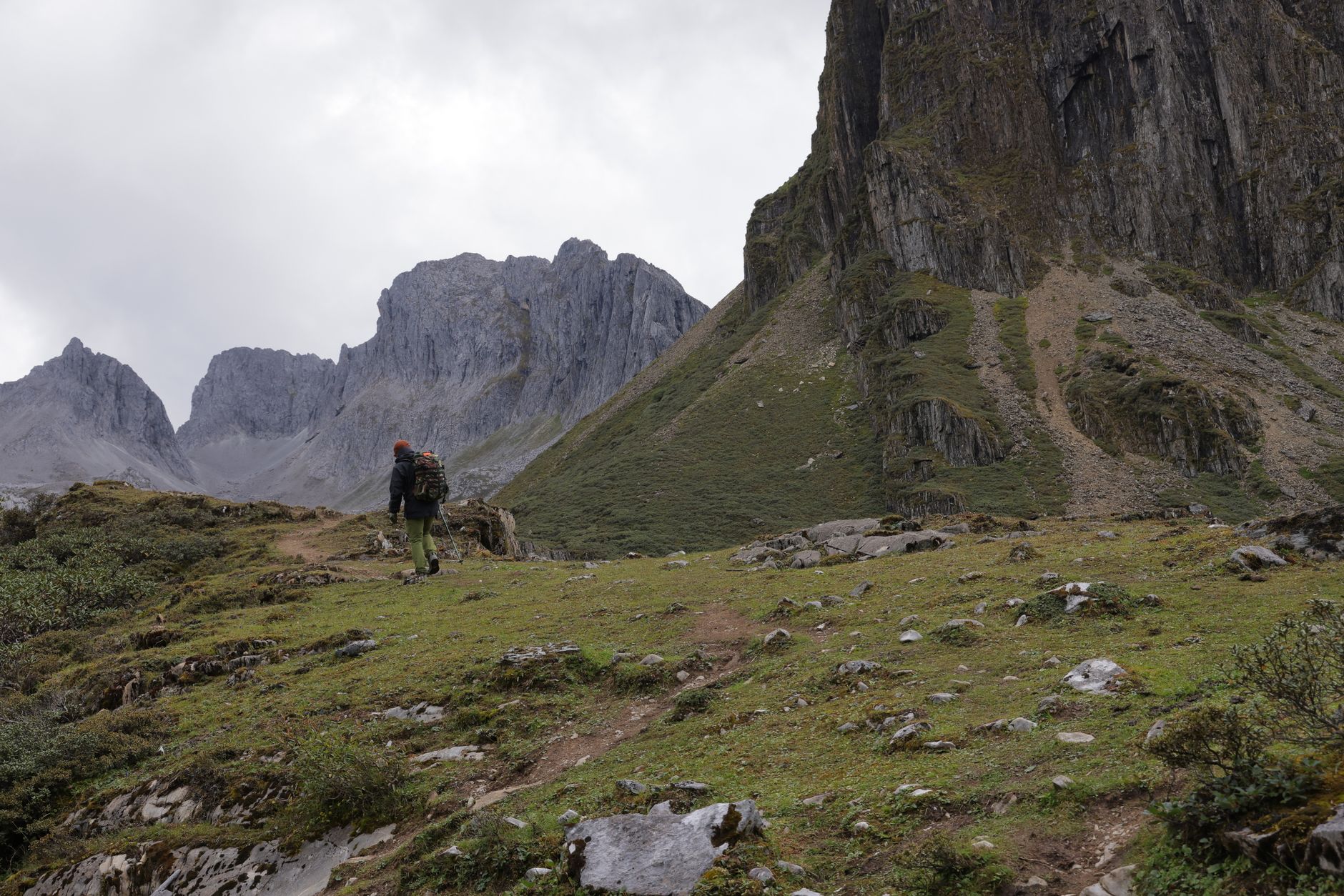
Conclusion: Don’t Let Wool Prices Price You Off the Trail
Merino wool is great. I wear it myself when the occasion calls for it. But the honest reality in the current market is that quality synthetic base layers under $75 deliver 90% of the performance at half the cost — and in many real-world trail scenarios, they outperform wool entirely. Faster drying, lighter weight, better durability, and a price point that lets you build a complete layering system without breaking the budget are all legitimate reasons to reconsider the wool-or-nothing mentality.
Any of the seven picks above will serve you well on trail. If I had to pick one all-around recommendation for most hikers, the Patagonia Capilene Cool Lightweight is the benchmark for lightweight summer and three-season hiking. For cold-weather use, the Smartwool Intraknit Thermal earns its spot at the top of the synthetic midlayer category. Start there, get on the trail, and don’t let gear pricing decisions keep you in the parking lot.
Shop Backcountry Gear Labs on Etsy
Hoodies, tees, hats, and more for campers and hikers who live for the trail.
Get Weekly Gear Picks
Join the Backcountry Gear Labs newsletter for expert gear picks and backcountry advice, every week.