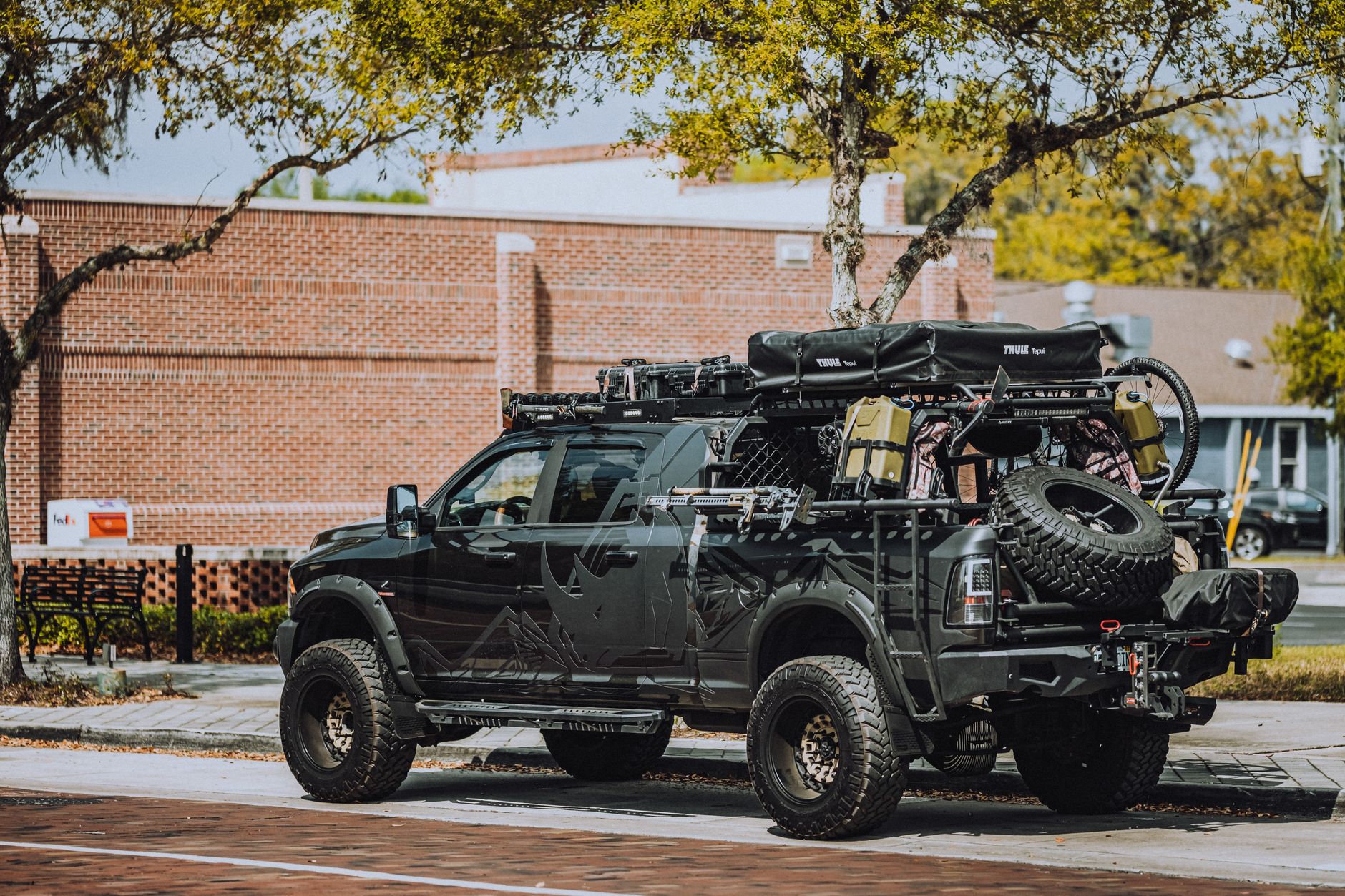
Overlanding has exploded in popularity over the past few years, and with it, the market for purpose-built vehicle tents has matured dramatically. Whether you’re running weekend trails in the Rockies or planning a months-long transcontinental expedition, your shelter setup can make or break the entire experience. In 2026, the best overland vehicle tents strike a balance between rapid deployment, serious weather protection, and long-term durability — and the options available today are the best the industry has ever produced.
As someone who has slept under canvas on everything from a lifted Tacoma to a full-size Expedition rig, I’ve developed a clear picture of what separates a genuinely great vehicle tent from one that looks good on Instagram but falls apart when a real storm rolls in at 9,000 feet. In this guide, I’ll break down the key features you need to prioritize, the different mounting styles worth considering, and then hand you my top picks for 2026 across a range of budgets and use cases.
Whether you’re new to the overland world or a seasoned trail veteran looking to upgrade your sleep system, this guide cuts through the marketing noise and gives you real, field-tested perspective. Let’s get into it.
Rooftop Tents vs. Ground-Based Vehicle Tents: Choosing the Right Style
The first decision any overlander faces is the fundamental question of rooftop tent (RTT) versus a ground-based tent designed for vehicle camping. Rooftop tents have dominated the conversation for years, and for good reason — they get you off the ground, away from moisture, critters, and uneven terrain. Setup is typically faster, and the built-in mattress foam is a serious comfort upgrade over a traditional sleeping pad. If you’re doing technical offroad driving and stopping at dispersed campsites, an RTT is hard to beat.
That said, ground-based overland tents have made a serious comeback, especially annex-style systems that attach to the side of your vehicle and extend your living space considerably. These setups shine for overlanders traveling with families or those who prioritize standing room and a more base-camp feel. They’re also significantly cheaper and don’t add weight to your roof rack or affect your center of gravity on technical terrain.
The best choice depends entirely on how you camp. Solo traveler hitting trails solo three weekends a month? A hardshell RTT is probably your answer. Bringing the family and setting up a multi-day base camp? Look seriously at a side-awning annex system. Know your use case before you spend a dollar.
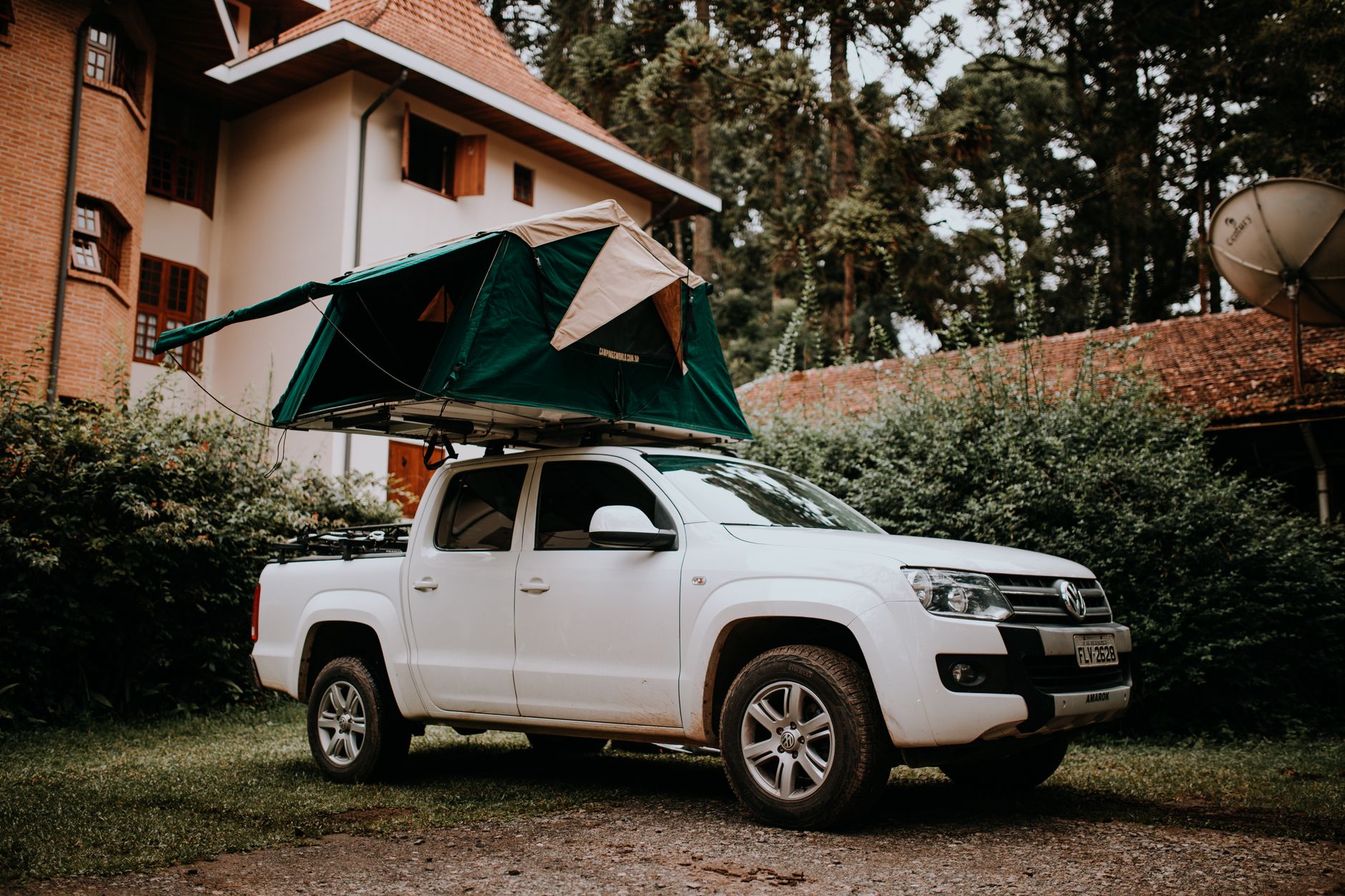
Key Features to Look for in a 2026 Overland Vehicle Tent
Material quality is the single biggest predictor of long-term satisfaction. Look for tents built with ripstop polyester or ripstop canvas rated at 280 GSM or higher for the main shell, and at least 1500mm hydrostatic head rating on the rainfly. The budget end of the market has gotten better at mimicking these specs on paper, but the construction quality — seam taping, zipper quality, pole thickness — still separates the serious gear from the posers.
Deployment speed matters more than most people admit until they’re setting up in the dark after a long drive or racing a thunderstorm at dusk. Hardshell rooftop tents are the fastest — pop open, ladder down, sleep. Softshell RTTs and freestanding annex tents require more effort but offer better ventilation and often more interior volume. Look for tents with color-coded poles, pre-attached guylines, and zippers that work with gloves on.
Don’t overlook ventilation and condensation management. Vehicle camping means sleeping in an enclosed space, and moisture buildup is a real problem in shoulder-season and cold-weather use. The best vehicle tents in 2026 feature large mesh panels with protective covers, anti-condensation mats under the mattress, and strategic vent placement that keeps airflow moving without creating cold drafts. This is an area where premium brands genuinely outperform budget alternatives.
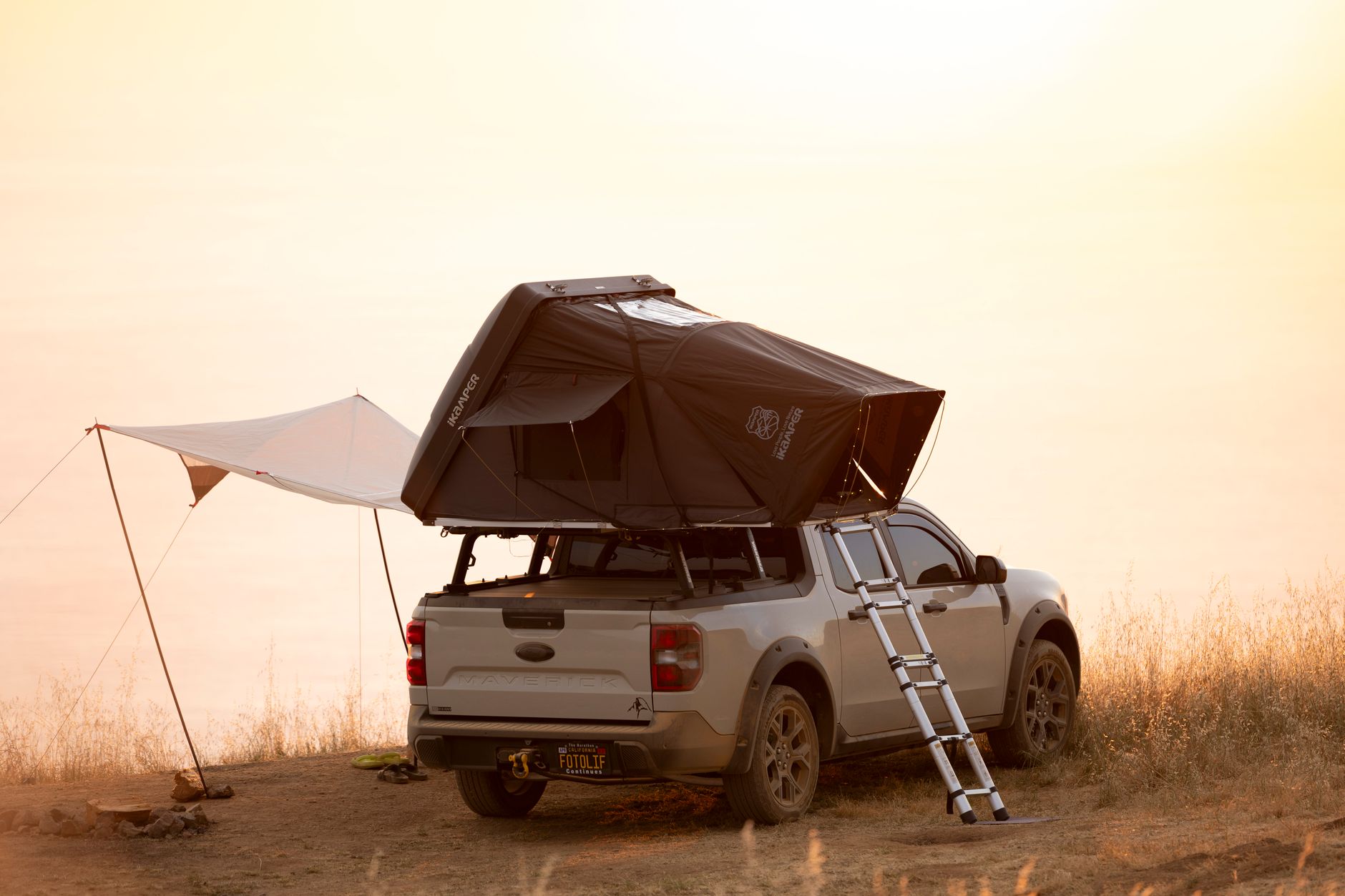
Top Overland Vehicle Tents for 2026
1. iKamper Skycamp 3.0 ⭐⭐⭐⭐⭐
The iKamper Skycamp 3.0 remains the gold standard hardshell rooftop tent in 2026. Built with a durable ABS hardshell and a telescoping central pole system, it deploys in under two minutes flat. The interior sleeps two adults comfortably — and genuinely comfortably, not just technically — on a 3-inch foam mattress that rivals what you’d find in a mid-range hotel. The 360-degree panoramic windows are a feature that sounds gimmicky until you’re watching alpenglow on a mountain range from your sleeping bag and you realize it’s actually life-changing. The shell has proven itself across four-season use, handling snow loads and serious wind with zero drama.
Pros:
- ✓ Sub-two-minute deployment with central lift pole
- ✓ True four-season capability with excellent insulation
- ✓ Panoramic windows and exceptional interior volume
- ✓ High-quality 3-inch foam mattress included
Cons:
- ✗ Premium price point puts it out of reach for many budgets
- ✗ Heavier than softshell competitors at around 130 lbs
2. Roofnest Condor Overland XL ⭐⭐⭐⭐⭐
The Roofnest Condor Overland XL is built specifically for the serious overlander who needs a bombproof four-season shelter without sacrificing setup speed. The molded fiberglass shell is exceptionally rigid, and the gas-assisted struts make opening a one-hand operation even in cold weather when metal-sprung alternatives become sluggish. Inside, the 3.5-inch high-density foam mattress is the best stock mattress I’ve tested in an RTT — no topper needed. The integrated shoe storage pockets, internal LED lighting, and two-entry design are small details that add up to a genuinely premium experience. Roofnest’s weatherproof seal is also class-leading; I’ve run this tent through sustained heavy rain with zero leakage.
Pros:
- ✓ Gas-assisted struts work flawlessly in cold temperatures
- ✓ 3.5-inch foam mattress is best-in-class from the factory
- ✓ Dual-entry design and thoughtful interior organization
Cons:
- ✗ Larger footprint requires a full-size roof rack setup
- ✗ Price rivals the iKamper in the upper tier
3. CVT Mt. Shasta Softshell Rooftop Tent ⭐⭐⭐⭐⭐
Cascadia Vehicle Tents has been quietly building some of the best value-focused rooftop tents on the market for years, and the Mt. Shasta is their flagship softshell model. The 600D ripstop polyester shell is impressively robust for the price, and the three-season weatherproofing holds up well in everything except sustained heavy snow loads. What sets the Mt. Shasta apart at its price point is the aluminum pole structure — notably stiffer than the fiberglass poles found in many competitors at a similar cost. The 2.5-inch foam mattress is decent, though serious winter campers will want to add a lightweight pad. If you want a proven, no-frills RTT that won’t empty your bank account, this is the one to buy.
Pros:
- ✓ Best build quality per dollar in the softshell category
- ✓ Aluminum pole structure significantly stiffer than fiberglass competitors
- ✓ Lighter weight than hardshell options — easier on your roof rack rating
Cons:
- ✗ Longer setup time than hardshell designs
- ✗ Not recommended for four-season snow-load environments
4. ARB Simpson III Rooftop Tent ⭐⭐⭐⭐⭐
ARB needs no introduction to the serious overlanding community, and the Simpson III is a hardshell RTT that reflects decades of off-road expedition experience baked into a single product. The twin skylights are a practical standout feature — they provide ventilation options you simply don’t have in competitor designs, and they dramatically reduce condensation during cold-weather use. The annex skirt integration is also excellent; ARB’s optional annex system connects seamlessly and gives you a covered entry vestibule that’s genuinely useful on wet-weather trips. The Simpson III sits in the upper-mid price bracket and delivers build quality that justifies every dollar.
Pros:
- ✓ Twin skylights deliver exceptional ventilation and condensation control
- ✓ Seamless integration with ARB’s annex system
- ✓ Backed by ARB’s global support and parts network
Cons:
- ✗ Annex sold separately, which drives total cost up quickly
- ✗ Slightly narrower interior than iKamper for two adult sleepers
5. Tepui Hybox Tent ⭐⭐⭐⭐⭐
The Thule-owned Tepui Hybox fills a genuinely underserved niche: a rooftop tent that doubles as a cargo box when collapsed. If you’re running a truck or SUV where roof real estate and load capacity are constant battles, the Hybox lets you store gear inside the closed shell during transit — a legitimately clever solution that reduces the number of systems you need to manage. The canvas-and-frame construction uses Tepui’s proven 280 GSM ripstop material, and the weatherproofing is solid for three-season use. The interior fits two adults comfortably. This isn’t the cheapest tent or the lightest, but for overlanders who value functional efficiency, it’s one of the smartest designs currently on the market.
Pros:
- ✓ Integrated cargo storage inside the closed shell is genuinely game-changing
- ✓ 280 GSM ripstop canvas holds up to hard three-season use
- ✓ Backed by Thule’s extensive warranty and support infrastructure
Cons:
- ✗ Heavier than most softshell designs in its class
- ✗ Cargo storage access requires opening the tent, which limits convenience

Mounting and Roof Rack Compatibility: What You Need to Know Before You Buy
One of the most common and most expensive mistakes overlanders make is purchasing a rooftop tent before verifying their roof rack or crossbar system can handle the dynamic load. Your vehicle’s static roof rating and your rack’s dynamic load rating are two very different numbers, and the dynamic rating — what the roof can handle while the vehicle is moving — is always significantly lower. Most RTTs require a dynamic roof rack rating of 165 lbs or higher, and some heavier hardshell models push that requirement to 200 lbs or more.
Quality rack brands like Rhino-Rack, Yakima, and Front Runner publish their dynamic load ratings clearly. If you’re running factory crossbars, check your owner’s manual — factory crossbar ratings are often far lower than you’d expect, and an RTT installation on an undersized rack is both a safety hazard and a warranty-voiding modification. If you need to upgrade your rack to support an RTT, factor that cost into your total budget from the start.
Tent-to-rack attachment methods also vary. Most modern RTTs use a universal T-slot bolt pattern that fits standard crossbars ranging from 1.5 to 3 inches wide. However, some brands use proprietary mounting hardware that limits compatibility. Always verify mounting compatibility before purchasing, and when in doubt, reach out to the manufacturer’s support team — the good brands will give you straight answers.

Budget Considerations and Long-Term Value
The overland tent market spans an enormous price range — from sub-$500 import tents that look convincing online to $4,000+ premium hardshells from established brands. The honest advice here is to resist the temptation of the cheap end unless you’re testing the hobby and fully expect to replace the product within a season or two. The mechanical components — zippers, struts, seam tape, foam density — degrade noticeably faster on budget tents, and a failed zipper or a delaminated shell in the backcountry is a genuinely serious problem.
Mid-range options in the $1,200 to $2,200 range represent the sweet spot for most overlanders in 2026. You’re getting real materials, legitimate weather resistance, and warranty support from brands that will actually answer the phone. Think of your tent as a ten-year investment rather than an annual purchase, and the per-year math on a quality tent becomes very easy to justify. The tents on this list — even the most expensive ones — will outlast three generations of budget alternatives with proper care.

Conclusion: Pick Your Shelter and Get Out There
The best overland vehicle tent for 2026 is the one that fits your rig, your use case, and your budget — and that you’ll actually take into the field. There’s no perfect universal answer, but after spending significant time in all of the tents on this list, I’m confident any one of them will serve you well as a foundation for your overlanding setup. The iKamper Skycamp 3.0 and Roofnest Condor XL are the outright premium picks, the CVT Mt. Shasta delivers outstanding value, and the ARB Simpson III and Tepui Hybox fill important niches for specific overlanding styles.
Stop overthinking the gear and start planning the routes. The best campsite you’ve ever slept at is still out there waiting for you, and any of these tents will get you there in comfort and style. Stay safe, drive smart, and leave the trailhead better than you found it.
Get Gear Advice Before Everyone Else
Join the Backcountry Gear Labs newsletter and get first access to new reviews, field tests, and exclusive gear deals — curated by Camp Mavrik and the team. No spam, no filler. Just straight gear intel straight to your inbox.
Shop Backcountry Gear Labs on Etsy
Hoodies, tees, hats, and more for campers and hikers who live for the trail.
Get Weekly Gear Picks
Join the Backcountry Gear Labs newsletter for expert gear picks and backcountry advice, every week.