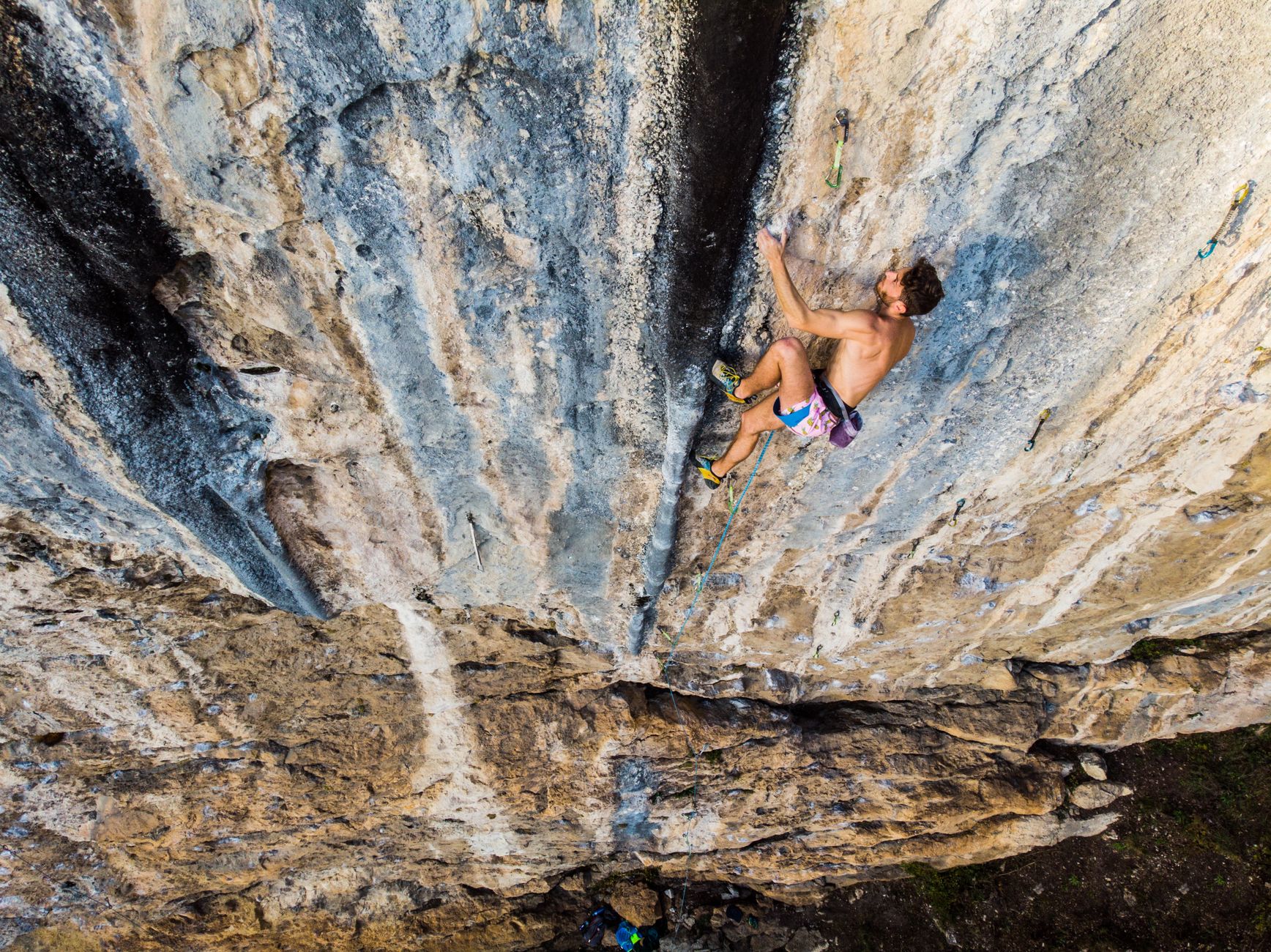
Whether you’re projecting your first 5.10 at the local crag or sending crimpy sport routes at your limit, your rock climbing shoes are the single most important piece of gear on your harness. The right pair translates foot power into precise edging, smearing, and hooking — the wrong pair leaves performance on the table and your feet screaming after pitch two. After extensive testing across granite slabs, limestone pockets, and sandstone edges throughout the past season, Camp Mavrik has put together a no-nonsense breakdown of the best rock climbing shoes available heading into 2026.
The climbing shoe market has evolved fast. Manufacturers are doubling down on sustainable rubber compounds, asymmetric lasts built from biomechanical data, and dual-density midsoles that didn’t exist even three years ago. Some of these shoes perform so differently from their predecessors that longtime climbers are reconsidering their go-to models. If you haven’t updated your footwear in a couple of seasons, now is an excellent time to take stock of what’s out there.
This guide covers five top-tier shoes across multiple disciplines — bouldering, sport climbing, trad, and all-day comfort. We’ll also break down the key fit and performance factors you need to understand before spending $100 to $220 on a pair of rubber. Let’s get into it.
How to Choose the Right Climbing Shoe in 2026
The biggest mistake beginner and intermediate climbers make is buying a shoe that’s far too aggressive for the terrain they’re actually climbing. A sharply downturned shoe with a stiff heel cup is a precision weapon for steep overhangs and roof routes — but it becomes a liability on slabby granite where you need maximum rubber-to-rock contact and a relaxed foot position. Before you shop, be honest about where you’re spending 80% of your climbing time.
Fit is everything in climbing shoes. Unlike hiking boots, where half a size too large just means adding an insole, a climbing shoe that’s too loose will roll under load and cost you that precision edge you’re paying for. Most experienced climbers size down anywhere from half a size to a full size depending on the shoe’s last. Downturned, aggressive shoes typically require a tighter fit to activate the power zone, while neutral all-day shoes can be sized closer to your street shoe size.
Rubber compound matters more than ever in 2026. Vibram XS Grip2, Vibram XS Edge, and Evolv’s Trax SG are the benchmark compounds right now. Softer rubber smears better and grips pockets, while stiffer rubber transfers power to small edges without folding underfoot. Pay attention to sole thickness too — thinner soles increase sensitivity, which is great for reading rock texture but wears faster under heavy use.
Top Rock Climbing Shoes for 2026
1. La Sportiva Solution Comp ⭐⭐⭐⭐⭐
The Solution Comp remains one of the most technically refined bouldering and sport climbing shoes in the world, and the 2026 version continues that legacy with an updated P3 platform and refined Vibram XS Grip2 sole. The aggressive downturn and Frixion RS heel cup give elite-level performance on steep terrain, pockets, and toe hooks. World Cup competitors trust this shoe for a reason — the power transfer from foot to hold is immediate and precise. Sizing typically runs half a size small, so plan accordingly.
Pros:
- ✓ Elite performance on steep, overhanging terrain
- ✓ Exceptional heel hook and toe hook control
- ✓ Vibram XS Grip2 rubber delivers outstanding friction
Cons:
- ✗ Too uncomfortable for multi-pitch or extended wear
- ✗ Premium price point
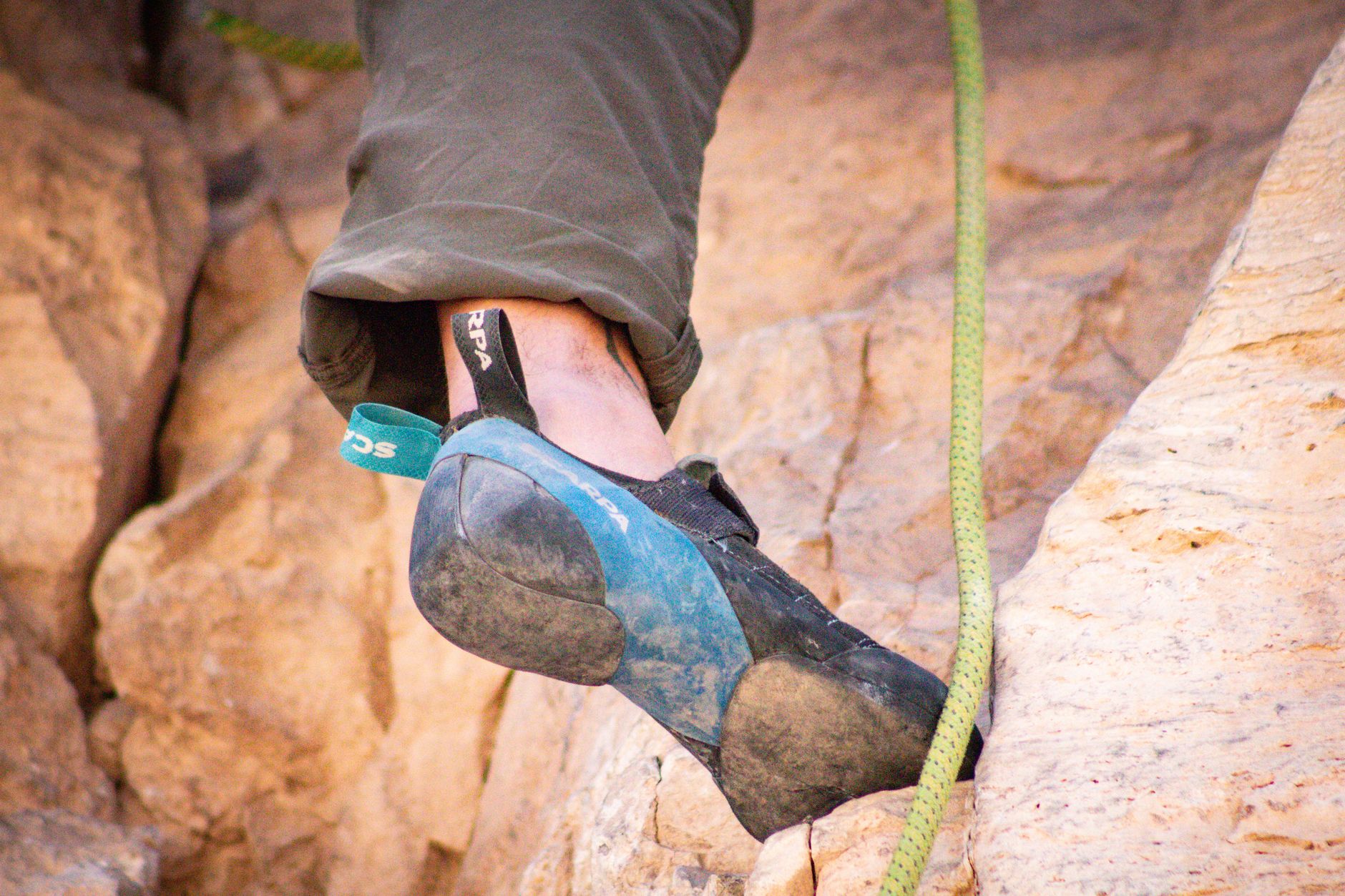
2. Scarpa Instinct VS ⭐⭐⭐⭐⭐
Scarpa’s Instinct VS (Velcro Strap) hits a sweet spot between aggressive performance and all-day wearability that very few shoes achieve. The Vision rubber compound delivers sticky, reliable friction across granite, sandstone, and limestone. It features a moderate downturn that handles vertical and slightly overhung routes with authority while remaining tolerable for sport climbing sessions that stretch past an hour. The dual-density midsole provides excellent support on small edges without sacrificing the sensitivity you want on slab moves.
Pros:
- ✓ Versatile across multiple route types and angles
- ✓ Stiff yet sensitive dual-density midsole
- ✓ Vision rubber is exceptionally durable
Cons:
- ✗ Slightly narrow fit may not suit wide feet
- ✗ Velcro closure wears out over time with heavy use
3. Black Diamond Momentum ⭐⭐⭐⭐
For newer climbers or anyone prioritizing gym sessions, all-day crags, and trad routes, the Black Diamond Momentum is the most comfortable and sensible entry point in 2026. The knit upper is a genuine innovation — it breathes, adjusts to foot shape over time, and eliminates the brutal break-in period that puts a lot of beginners off climbing shoes entirely. The flat last and moderate rubber thickness give you a reliable, confidence-inspiring platform without the foot pain of a downturned shoe. This is the shoe Camp Mavrik recommends without hesitation to any climber just getting serious about footwork fundamentals.
Pros:
- ✓ Knit upper is exceptionally comfortable from day one
- ✓ Great for gym climbing, trad, and beginner sport routes
- ✓ Strong value for the price
Cons:
- ✗ Not designed for high-performance sport or bouldering
- ✗ Rubber compound not as sticky as premium options
4. Evolv Shaman ⭐⭐⭐⭐⭐
The Evolv Shaman is a cult favorite for good reason and continues to set the standard in the bouldering-focused performance category. The massive midsole provides a powerful platform for heel hooks and toe scums, while the Trax SG rubber compound absolutely excels on compression problems and friction slabs alike. The 2026 version features an updated last geometry that Evolv claims provides 12% better power transfer based on athlete testing — and from my time on it at Bishop boulders and Red Rock limestone, that claim holds up. This is a shoe that rewards precise footwork and punishes sloppy technique, making it as much a training tool as a performance shoe.
Pros:
- ✓ Trax SG rubber is among the stickiest available
- ✓ Powerful midsole for heel hooking and compression
- ✓ Updated last geometry improves power transfer in 2026
Cons:
- ✗ Very aggressive fit requires serious sizing down
- ✗ Not suitable for crack climbing or long routes
5. Five Ten Hiangle Pro ⭐⭐⭐⭐
Five Ten built its reputation on Stealth rubber, and the Hiangle Pro carries that legacy into 2026 with the updated Stealth C4 compound that remains one of the best all-surface rubbers money can buy. The asymmetric last puts your big toe front and center over holds, making this shoe feel intuitive and powerful on pockets and pinches. It’s a moderately downturned shoe that performs brilliantly on sport climbs from 5.10 through 5.13, giving intermediate climbers a legitimate tool to push their grade without the suffering of a competition-level shoe. If you want one shoe that does almost everything well, the Hiangle Pro belongs on your short list.
Pros:
- ✓ Stealth C4 rubber performs on virtually every rock type
- ✓ Moderate downturn suits a wide range of route angles
- ✓ Excellent choice for intermediate to advanced sport climbers
Cons:
- ✗ Stealth rubber wears faster than some competitors
- ✗ Sizing can be inconsistent between production runs
Climbing Shoe Care and Longevity Tips
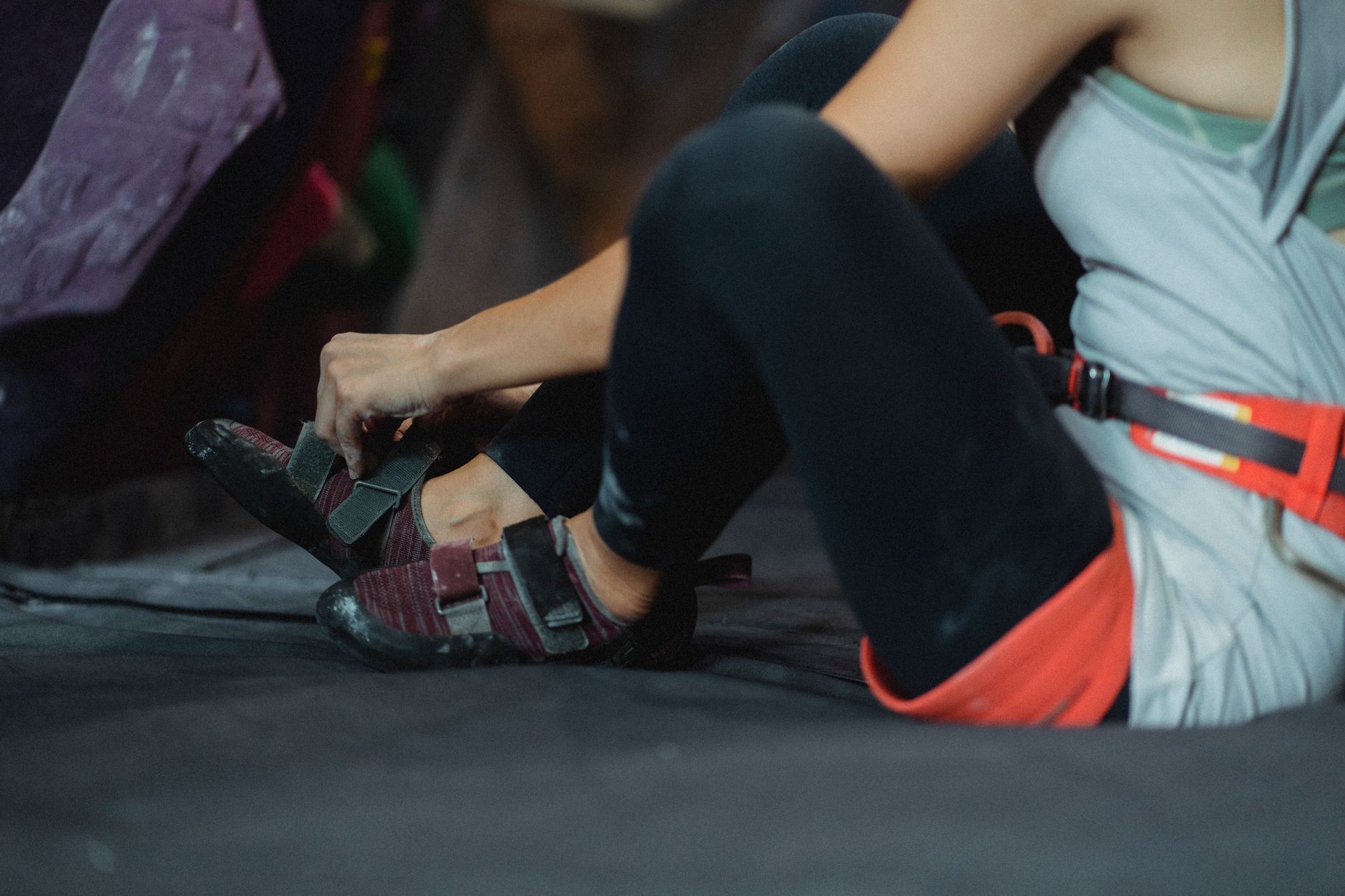
A quality pair of climbing shoes is an investment, and how you care for them determines whether you get one season or three out of that rubber. Always let your shoes fully air out after every session — climbing shoes trap moisture and bacteria, and sealed storage accelerates sole delamination. A simple mesh bag in your car or a ventilated cubby at the gym beats a sealed duffel every time. Avoid leaving shoes in a hot car; heat breaks down the adhesive bond between the upper and sole faster than anything else.
Resoling is one of the best money-saving habits you can build as a climber. A professional resole from a reputable cobbler costs $50–$80 and essentially gives you a brand-new shoe at a fraction of the replacement price. Start watching for wear at the big toe rand and the heel — those are your early warning signs. Most climbers wait too long and blow through the rand before getting a resole, which dramatically increases the cost and complexity of the job.
Rotate between two pairs if your budget allows it. Rubber needs time to recover between sessions, and alternating shoes extends the life of both pairs significantly. It also lets you have a dedicated edging shoe and a smearing shoe, which many experienced climbers consider essential once they’re climbing varied terrain consistently.

What’s New in Climbing Shoe Technology for 2026
The most significant technological development hitting climbing shoes in 2026 is the widespread adoption of bio-based and recycled rubber compounds. Brands like La Sportiva and Scarpa have committed to reducing virgin rubber content by incorporating reclaimed and plant-derived materials without sacrificing grip performance. Early testing suggests these compounds perform within 5% of traditional petroleum-based rubber, which is a remarkable engineering achievement and a meaningful step for an industry that generates significant waste.
Knit and textile uppers are becoming mainstream, moving beyond the beginner-market position they held just a few years ago. Several high-performance models are now incorporating adaptive knit zones that flex in specific directions while remaining rigid where power transfer matters. This tech was borrowed directly from the running shoe industry, and it’s proving highly effective for climbers who struggle with the rigid leather break-in period of traditional shoes.

Final Verdict: Which Climbing Shoe Should You Buy?
For elite boulderers and steep sport climbers, the La Sportiva Solution Comp and Evolv Shaman are the clear top performers — both deliver world-class precision on hard terrain. If you want one versatile shoe that handles vertical and overhung sport routes with grace and won’t destroy your feet on a long day at the crag, the Scarpa Instinct VS and Five Ten Hiangle Pro are outstanding choices. New and developing climbers should put the Black Diamond Momentum at the top of their list — it removes the barrier of painful break-in periods and lets you focus on what actually improves your climbing: deliberate footwork practice.
No matter which shoe you choose from this list, you’re investing in gear that will directly impact your climbing performance. Don’t buy a shoe based on what your gym buddy wears or what looks cool hanging on the rack. Try them on, understand your terrain, know your discipline, and let the rubber do the talking.
Stay Sharp Out There — Join the Backcountry Gear Labs Newsletter
Camp Mavrik drops new gear reviews, field tests, and buying guides every week. No filler, no sponsored fluff — just honest assessments from climbers, hikers, and outdoor obsessives who actually use this equipment in the field. Sign up below and get our free guide: 10 Gear Mistakes Climbers Make (And How to Fix Them).
Shop Backcountry Gear Labs on Etsy
Hoodies, tees, hats, and more for campers and hikers who live for the trail.
Get Weekly Gear Picks
Join the Backcountry Gear Labs newsletter for expert gear picks and backcountry advice, every week.