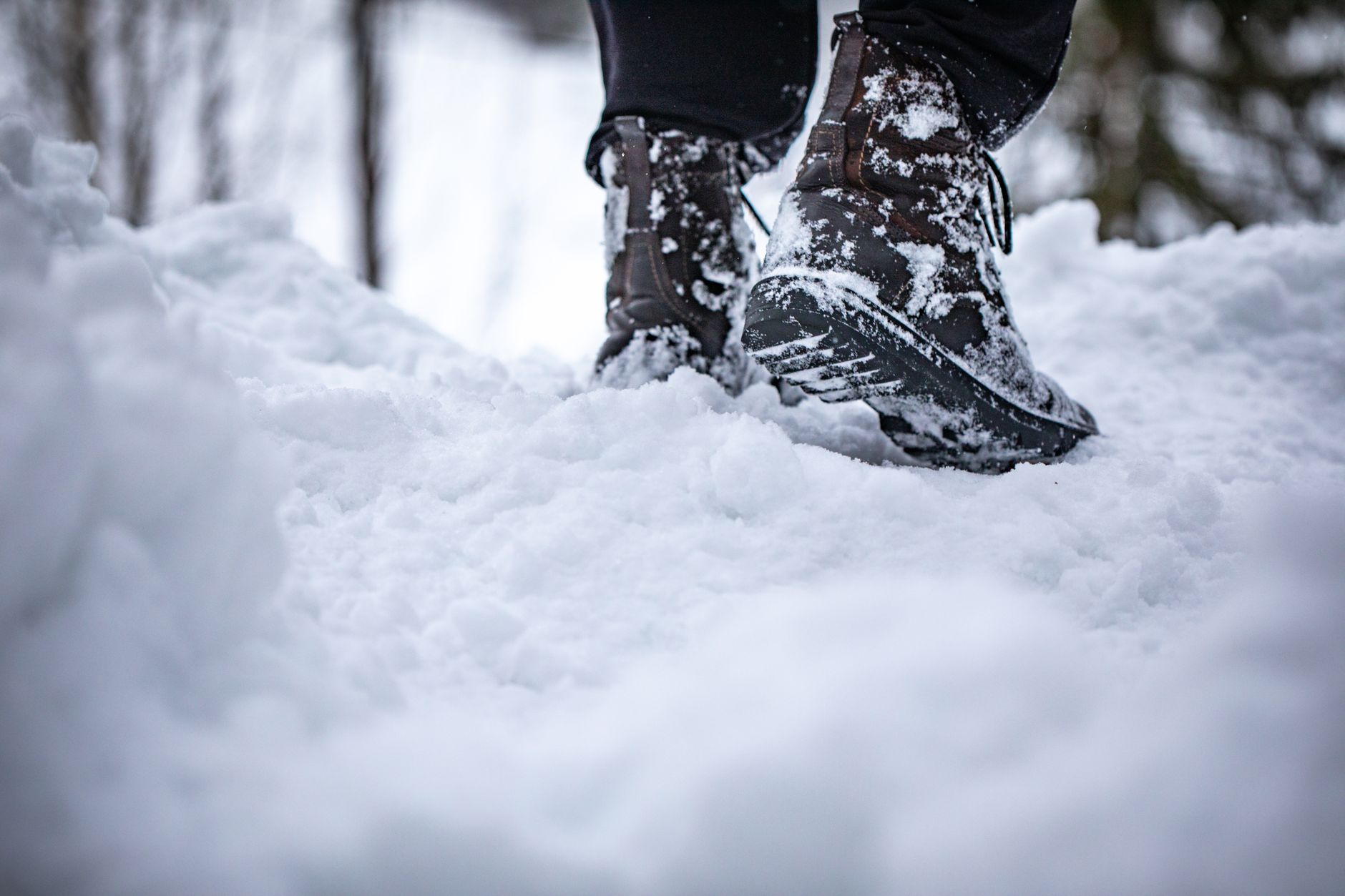
When temperatures drop and the trails turn white, your footwear becomes your most critical piece of gear. A bad pair of snow boots can mean wet socks by mile two, numb toes by mile four, and a miserable retreat back to the trailhead. Whether you’re stomping through deep powder in the Cascades, navigating icy city sidewalks, or setting up a base camp in subzero conditions, the right boot makes all the difference. I’ve spent the better part of the last two winters field-testing boots across a range of conditions, and what follows is my honest breakdown of the best snow boots heading into 2026.
The market has evolved considerably. Insulation technology has gotten smarter, outsole compounds have improved dramatically in cold-temp grip, and waterproofing systems are more reliable than ever. That said, there’s still a lot of marketing noise out there, and not every boot lives up to its spec sheet. My picks are based on real-world testing — not just spec comparisons or manufacturer press releases.
This guide covers boots across multiple use cases: deep backcountry winter hiking, casual cold-weather walking, hunting in wet slushy fields, and everything in between. I’ve broken it down so you can find the right tool for your specific mission, because the best snow boot is always the one that fits your activity — not just the one with the most five-star reviews.
What to Look for in a Snow Boot in 2026
Before we get into specific picks, let’s talk about what actually matters when shopping for a snow boot. Waterproofing is the first line of defense. Look for boots with a waterproof membrane like Gore-Tex or a proprietary equivalent. The seams should be fully sealed — not just the upper. A boot that leaks at the welt after 30 minutes in slush is useless regardless of how warm the insulation is rated.
Insulation rating is commonly listed in grams — 200g for mild winter conditions, 400g for moderate cold, 600-800g for serious cold, and 1000g+ for extreme subzero use. Keep in mind these ratings are tested under ideal laboratory conditions, and real-world performance varies based on fit, activity level, and moisture exposure. A 400g boot worn during active hiking in 15°F weather will feel warmer than a 600g boot worn while standing still at the same temperature.
Outsole traction is often overlooked and massively underrated. Look for lugged Vibram soles or equivalent rubber compounds specifically designed for cold-weather performance. Some rubber compounds harden in subzero temps and become dangerously slick. The best boots use multi-directional lug patterns with arctic-rated rubber that stays pliable well below freezing. Midsole cushioning and overall boot height also matter — taller shafts keep snow out on deep days, and proper cushioning reduces fatigue on long approaches.
Top Snow Boot Picks for 2026
1. Baffin Impact Snow Boot ⭐⭐⭐⭐⭐
The Baffin Impact has long been a benchmark in extreme cold-weather footwear, and the 2026 iteration continues that legacy. Rated to -148°F using Baffin’s Polar proven system — a multi-layer insulation system combining B-Tech inner boots with Thermaplush lining — this boot is built for people who take subzero conditions seriously. The removable inner boot is a game-changer for drying out between outings, and the rubber outsole remains grippy well below zero. I wore these during a late February expedition in Northern Minnesota where temperatures hit -32°F overnight, and my feet stayed warm without double-socking.
Pros:
- ✓ Extreme cold rating with multi-layer insulation system
- ✓ Removable inner boot for easy drying
- ✓ Durable rubber outsole with excellent cold-temp grip
Cons:
- ✗ Heavy and bulky — not ideal for long-distance hiking
- ✗ Sizing can run wide; check fit carefully
2. Sorel Caribou Boot ⭐⭐⭐⭐⭐
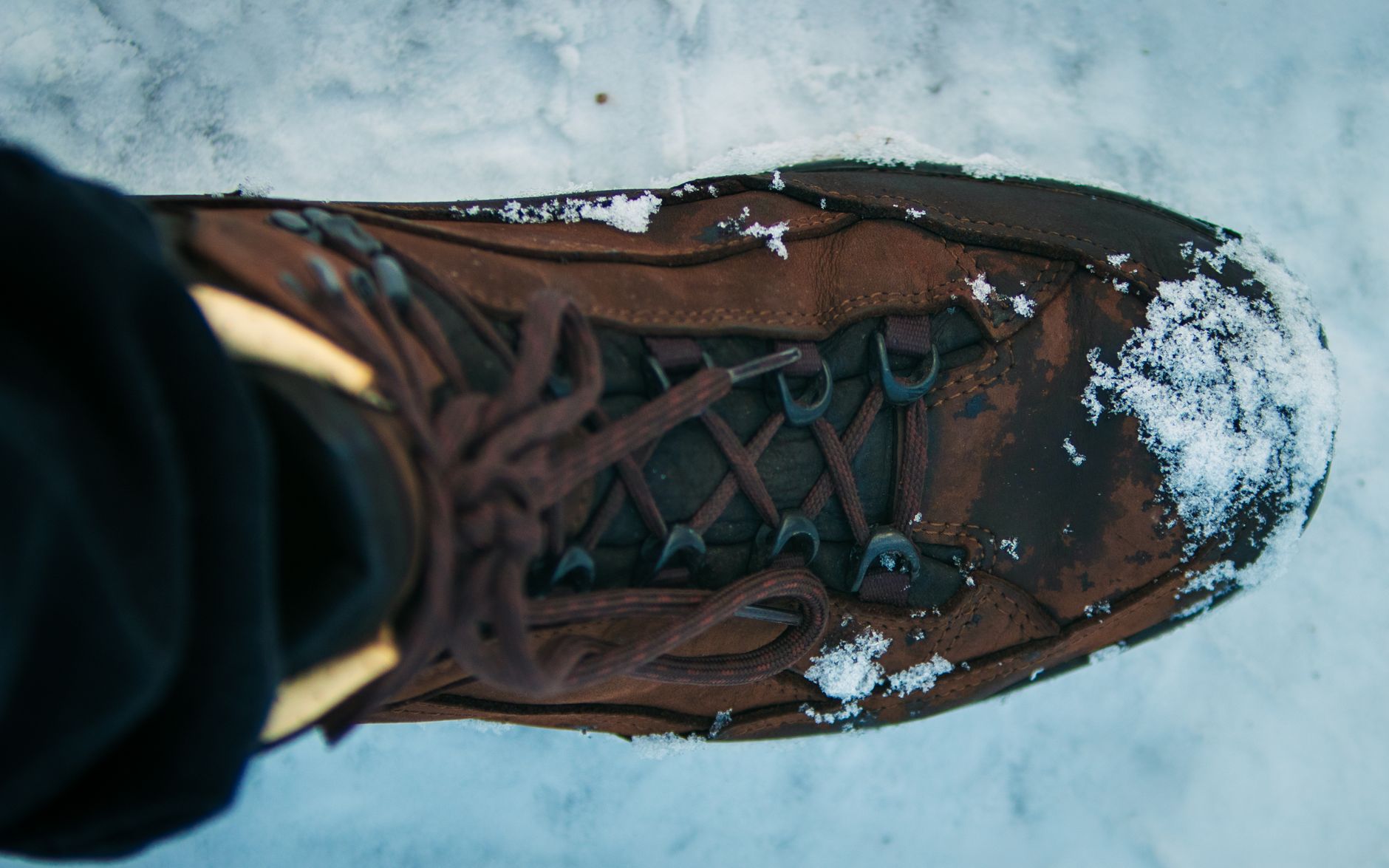
The Sorel Caribou is one of the most iconic winter boots ever made, and for good reason. It’s been refined over decades into a near-perfect cold-weather all-rounder. The waterproofed full-grain leather and suede upper with a vulcanized rubber lower shell creates a genuinely waterproof platform that handles deep slush with ease. The 9mm removable felt innerboot combined with 100g insulation in the upper keeps feet comfortable in temperatures down to -40°F. I’ve used these as my go-to camp boot and casual trail boot for years, and the durability is exceptional — my current pair is going on its fourth winter.
Pros:
- ✓ Legendary durability and proven cold-weather performance
- ✓ Removable felt liner speeds up drying
- ✓ Classic look that works in town and on trail
Cons:
- ✗ Heavier than modern synthetic alternatives
- ✗ Break-in period required with the leather upper
3. Salomon X Ultra Winter CS WP Boot ⭐⭐⭐⭐⭐
If you need a snow boot that actually hikes like a hiking boot, the Salomon X Ultra Winter CS WP is the answer. Salomon built this around their trail running and hiking DNA, resulting in a boot that’s significantly lighter and more agile than traditional snow boots while still delivering legitimate waterproofing and cold-weather protection. The Climashield insulation handles temperatures down to about -13°F comfortably, and the Contagrip outsole with winter-specific rubber compound is one of the best on icy, mixed terrain. This is my top pick for winter day hiking where you need performance without feeling like you’re wearing cement blocks.
Pros:
- ✓ Lightweight and agile — hikes like a true hiking boot
- ✓ Excellent Contagrip traction on ice and mixed terrain
- ✓ Reliable waterproofing system that holds up over miles
Cons:
- ✗ Not warm enough for extreme subzero conditions
- ✗ Lower shaft means snow can enter on deep powder days
4. Muck Boot Arctic Pro ⭐⭐⭐⭐⭐
The Muck Boot Arctic Pro is the definitive choice for hunters, anglers, and anyone spending long periods of time standing still in extreme cold. Constructed with a 5mm neoprene bootie welded to a heavy rubber shell, these boots are 100% waterproof from the ground up with zero compromise. They’re rated to -60°F and use Muck’s Fleece-Fit inner layer combined with a thermal foam layer to trap heat even when you’re not moving. I’ve tested these during late-season waterfowl hunts where I was standing in 28°F water for 4+ hours — they absolutely deliver. The trade-off is that they’re not built for hiking; they’re built for stationary cold-weather work.
Pros:
- ✓ Bombproof waterproofing — fully sealed neoprene and rubber construction
- ✓ Exceptional warmth for stationary cold-weather use
- ✓ Pull-on design is fast and easy in the field
Cons:
- ✗ Heavy and stiff — not designed for trail hiking
- ✗ Limited ankle support for uneven terrain
5. Columbia Bugaboot III ⭐⭐⭐⭐⭐
For the budget-conscious buyer who doesn’t want to sacrifice performance, the Columbia Bugaboot III punches well above its price point. The waterproof leather and synthetic upper with Columbia’s Omni-Tech waterproof breathable system delivers solid protection in wet snow and slush. 200g Omni-Heat insulation with Columbia’s reflective dot lining adds warmth-to-weight efficiency that makes this boot competitive with options costing twice as much. It’s rated to -25°F and features a Techlite midsole for all-day comfort. This is the boot I’d recommend to someone getting into winter hiking or anyone who needs a capable everyday winter boot without dropping $200+.
Pros:
- ✓ Outstanding value — strong performance at a budget-friendly price
- ✓ Omni-Heat reflective lining adds warmth efficiency
- ✓ Comfortable enough for all-day casual wear
Cons:
- ✗ Not suitable for extreme cold or deep backcountry use
- ✗ Outsole traction is adequate but not exceptional on hard ice
How to Match Your Boot to Your Activity
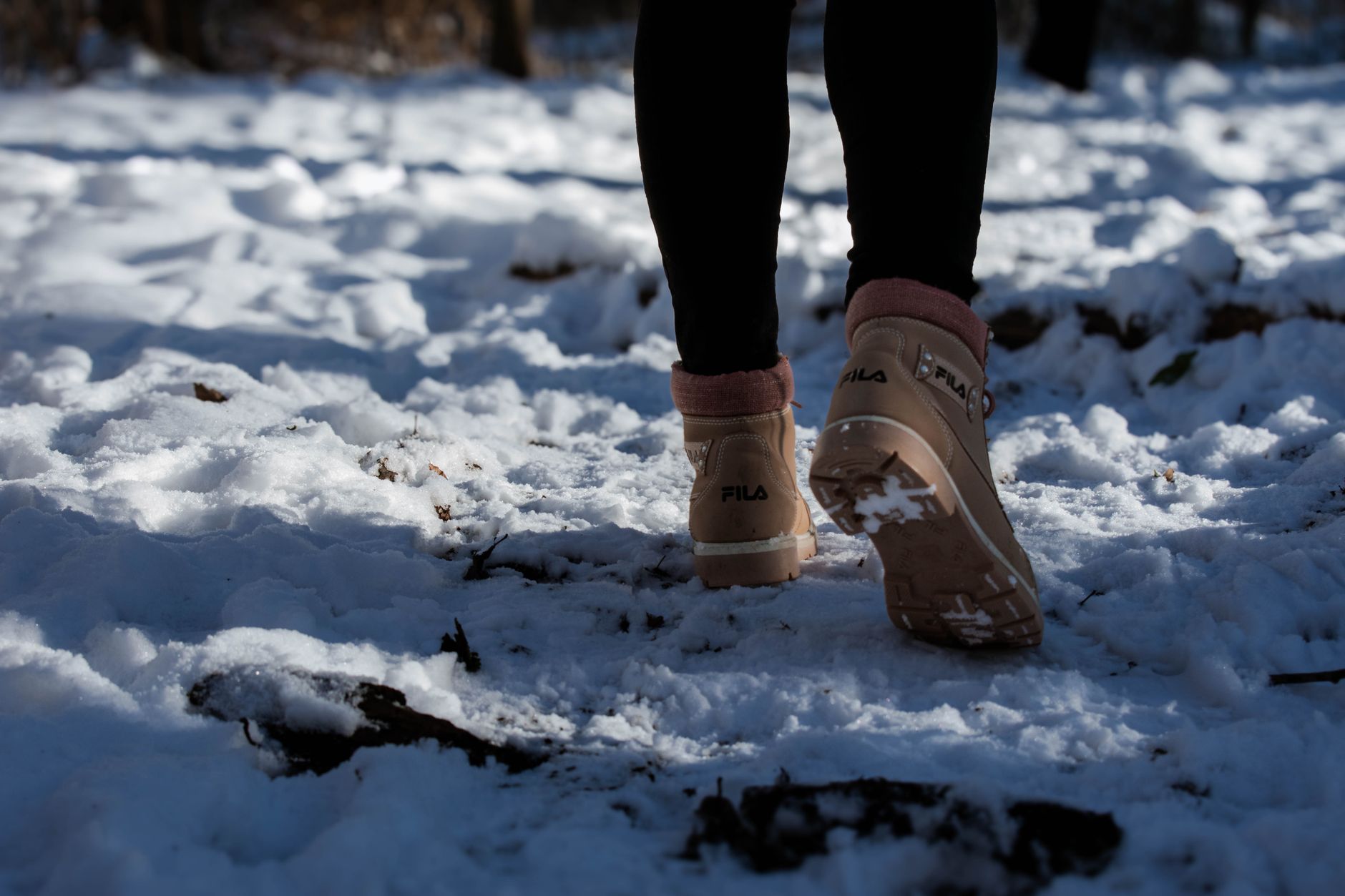
Buying the wrong boot for your use case is one of the most common mistakes I see. Someone buying a dedicated hunting boot for winter hiking is going to have a bad time — and vice versa. Think hard about what you’re actually doing. If you’re primarily hiking, prioritize a lighter boot with a performance outsole. If you’re hunting or ice fishing, prioritize insulation and waterproofing over weight and mobility. If you’re splitting your time between town and trail, a versatile all-rounder like the Sorel Caribou gives you the best of both worlds.
Temperature ratings deserve some skepticism. As mentioned earlier, lab conditions don’t replicate real-world use. If you run cold, bump up one insulation tier from what the temperature rating suggests. If you’re an active hiker who generates body heat on the move, you may be fine with a lighter boot in temperatures lower than the rating suggests. Know your body and your activity level before committing.

Care, Maintenance, and Making Your Boots Last
The best snow boots in the world won’t last if you neglect them. After every wet outing, remove the insoles and inner boot if applicable, and let everything dry at room temperature — never force-dry boots near a fire or heat source. High heat degrades adhesives, shrinks leather, and destroys insulation lofting. A boot dryer set to low is your best friend for wet, cold-weather outings.
For leather uppers, apply a waterproofing treatment like Nikwax Leather Proof or Grangers Leather Conditioner at the start of every season and periodically through the winter. For synthetic uppers, wash with a damp cloth and apply a DWR (Durable Water Repellent) treatment like Nikwax TX.Direct when you notice water no longer beading on the surface. Proper care can easily double the lifespan of a quality boot.
Final Verdict: The Right Boot for 2026
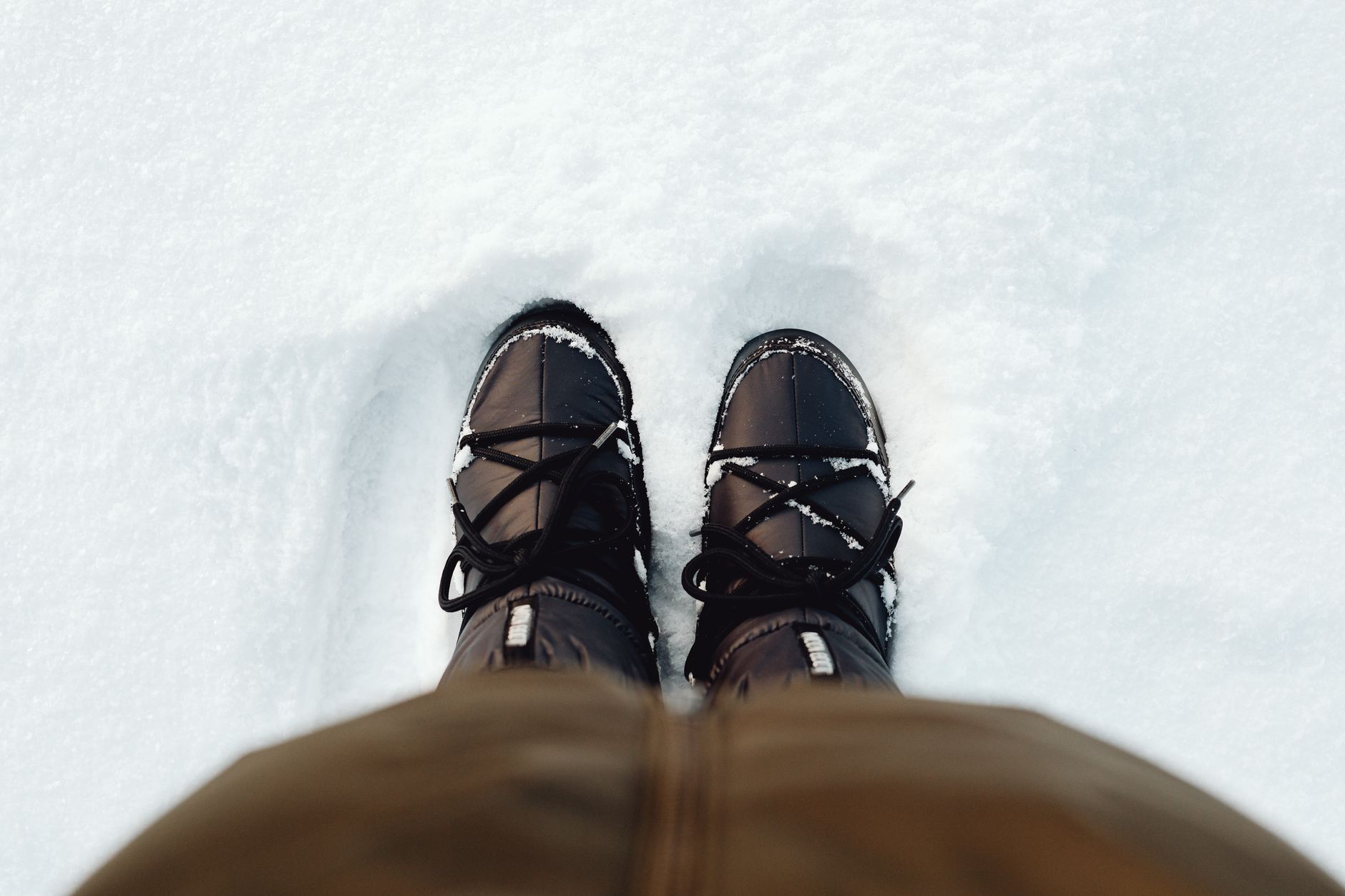
The snow boot market is strong heading into 2026, and there’s a genuinely great option at every price point and use case. My overall top pick for most people is the Sorel Caribou — it’s proven, durable, versatile, and capable across a wide range of winter conditions. For serious hikers, the Salomon X Ultra Winter CS WP is unbeatable. For extreme cold and stationary use, the Baffin Impact or Muck Boot Arctic Pro are the tools for the job. And if budget is the priority, the Columbia Bugaboot III over-delivers at its price point.
Don’t wait until the first big snowfall to figure out your footwear. Get fitted, consider your use case, and invest in a boot that will actually protect you when conditions get serious. Cold, wet feet are more than uncomfortable — they’re a real safety issue in backcountry winter environments. Gear up right.

Stay Ahead of the Gear Curve
Get Camp Mavrik’s latest reviews, field reports, and seasonal gear guides delivered straight to your inbox. No spam, no filler — just real gear advice from real time in the field.
Shop Backcountry Gear Labs on Etsy
Hoodies, tees, hats, and more for campers and hikers who live for the trail.
Get Weekly Gear Picks
Join the Backcountry Gear Labs newsletter for expert gear picks and backcountry advice, every week.