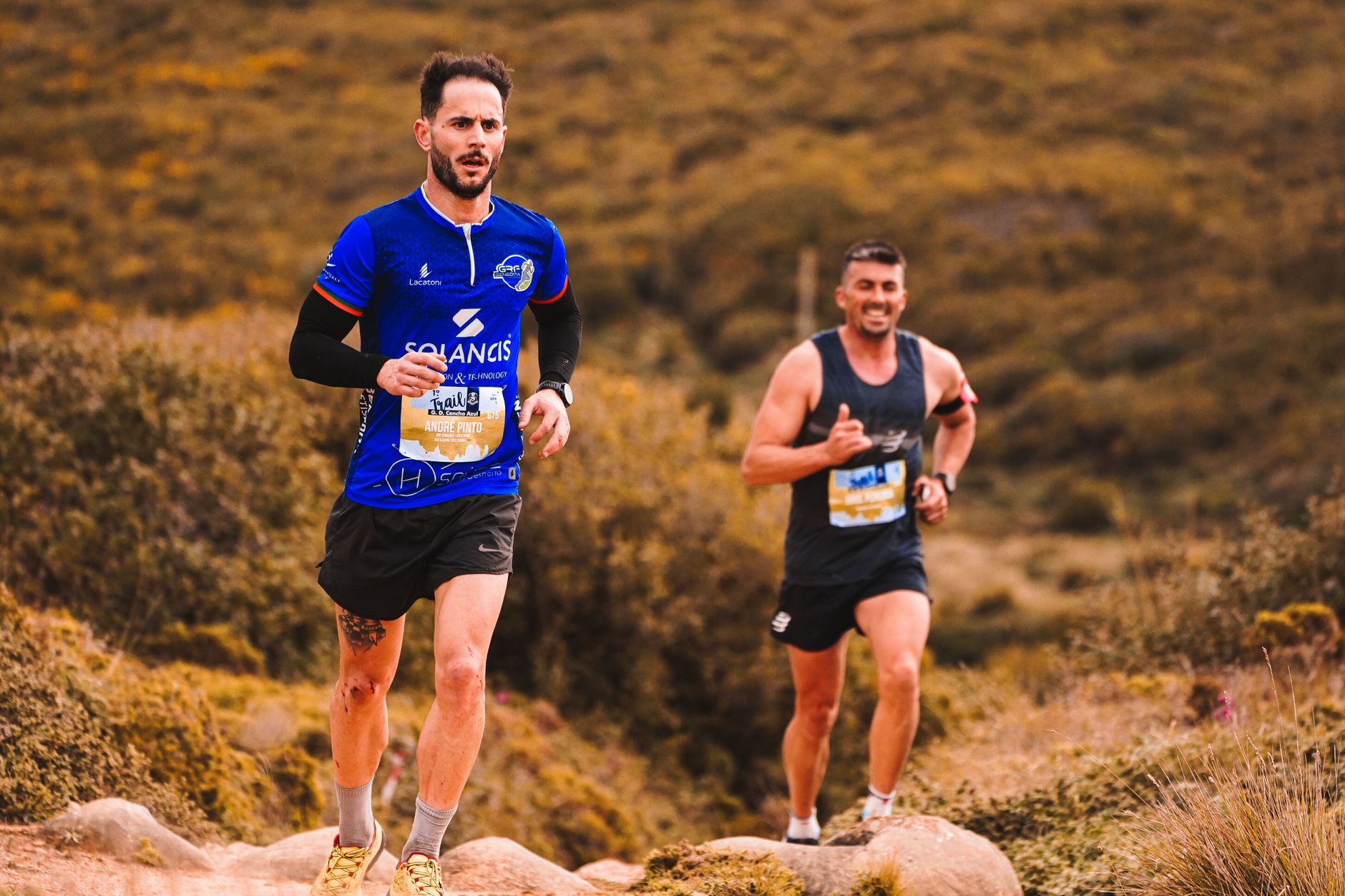
The trail running shoes vs. gravel running shoes debate has quietly become one of the most confusing conversations in the outdoor footwear space. If you’ve walked into a running shop recently and noticed a new category of shoes sitting between road trainers and aggressive trail shoes, you’re not imagining things. Gravel running — and the shoes built specifically for it — has arrived, and it’s pulling at the attention of backpackers, fastpackers, and thru-hikers who thought they already had their footwear dialed in.
The problem is that marketing language has gotten ahead of practical guidance. Brands are positioning gravel shoes as the “do-everything” solution for mixed terrain, but that claim deserves serious scrutiny before you drop $150+ on a pair. As someone who has spent the better part of the last several years covering outdoor gear full-time, I’ve put both categories through their paces on everything from desert singletrack to technical alpine approaches. This guide breaks down the actual differences and tells you which shoe earns a place on your feet for specific backcountry use cases.
If you’re making the jump from roads to trails for the first time, it’s also worth reviewing our breakdown of essential gear swaps for your first trail race — footwear is just one piece of that puzzle. But for those of you who are already trail-comfortable and wondering whether gravel shoes belong in your rotation alongside or instead of your trail shoes, let’s dig in.
Tread Patterns: Where Trail Shoes and Gravel Shoes Actually Differ
This is the most visible difference and the most functionally meaningful one. Traditional trail running shoes use multi-directional lugs — typically 3mm to 6mm deep — designed to bite into soft dirt, loose scree, and wet roots. The lug spacing is wide enough to shed mud without clogging, and the pattern is tuned for lateral grip during steep descents. You’ll notice on a technical mountain trail that a proper trail shoe feels almost aggressive underfoot.
Gravel shoes split the difference. Their outsoles feature lower-profile lugs — generally 2mm to 3.5mm — arranged in a tighter, more uniform pattern. The goal is traction on packed gravel roads, dirt doubletrack, and hard-packed singletrack without sacrificing efficiency on firm surfaces. Where a trail shoe can feel stiff and clunky on a gravel road, a gravel shoe rolls smoothly through. The trade-off becomes obvious when terrain turns soft or steep: those shallower lugs have nothing to bite into, and you’ll feel it immediately.
For backpackers, tread pattern choice often comes down to your specific route. A fastpacking trip through Rocky Mountain singletrack demands the grip of a real trail shoe. A multi-day route traversing high-desert mesa roads and gravel jeep tracks is exactly where a gravel shoe shines. Know your terrain before you decide.

Cushioning and Stack Height: Trail Comfort vs. Gravel Efficiency
Cushioning is where things get nuanced and where the gravel category has made a legitimate argument for its own existence. Traditional trail shoes come in a wide range of stack heights — from minimalist 18mm options to maximal 36mm+ builds. Most backpacking-oriented trail shoes land in the moderate 24mm to 30mm range, offering enough cushioning for long days while maintaining ground feel and stability on uneven terrain.
Gravel shoes tend to favor a slightly higher stack height combined with firmer, more responsive foam. The logic is that long miles on hard-packed surfaces are more repetitively impactful than soft trail miles, so you want consistent rebound rather than the kind of plush absorption that works well on dirt. The result is a shoe that feels fast and efficient on firm ground but can feel curiously harsh on jagged rock faces where a trail shoe’s protective geometry would have absorbed the impact more selectively.
For fastpackers covering 25+ miles per day on mixed routes, this cushioning distinction matters more than many people realize. Check out our companion piece on barefoot vs. cushioned trail shoes for a deeper look at how stack height affects long-term foot fatigue — the same principles apply when you’re evaluating gravel versus trail options.
Durability and Upper Construction on Demanding Terrain
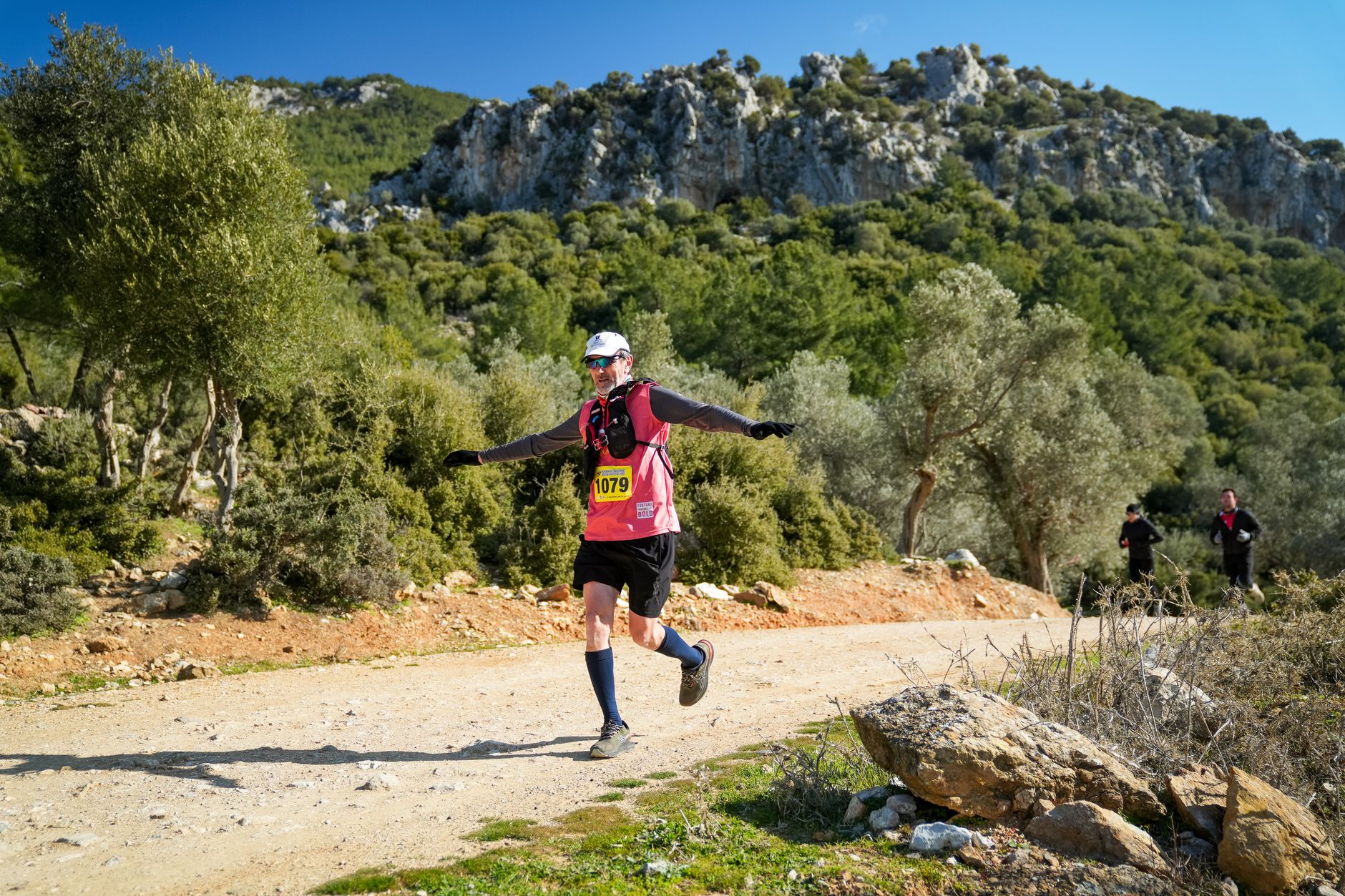
Upper durability is often the deciding factor for thru-hikers and backpackers who simply cannot afford premature blowouts in the field. Trail running shoes are typically built with abrasion-resistant overlays at the toe box and lateral edges — the zones that take the most punishment from rock strikes and brush. High-quality trail shoes use reinforced mesh, TPU welding, or rubber rand wraps that meaningfully extend lifespan on technical terrain.
Gravel shoes, built with speed and ventilation in mind, often sacrifice some of this protective structure. Their uppers lean toward lighter engineered mesh with minimal overlays. On gravel and packed dirt, that’s fine — those surfaces don’t shred shoe uppers the way talus and canyon brush do. Push a gravel shoe through a mile of dense chaparral or a boulder field, and you’ll watch the upper deteriorate faster than you’d like.
Outsole rubber compound is another durability variable worth noting. Trail shoes frequently use sticky carbon rubber compounds on the outsole for wet-rock grip. Gravel shoes often use harder, more wear-resistant compounds optimized for the grinding friction of gravel. On dry granite slabs, a trail shoe typically outperforms a gravel shoe in raw grip. On a long gravel approach road, the trail shoe’s softer rubber will wear faster.
Trail Running Shoes vs. Gravel Running Shoes for Specific Backpacking Use Cases
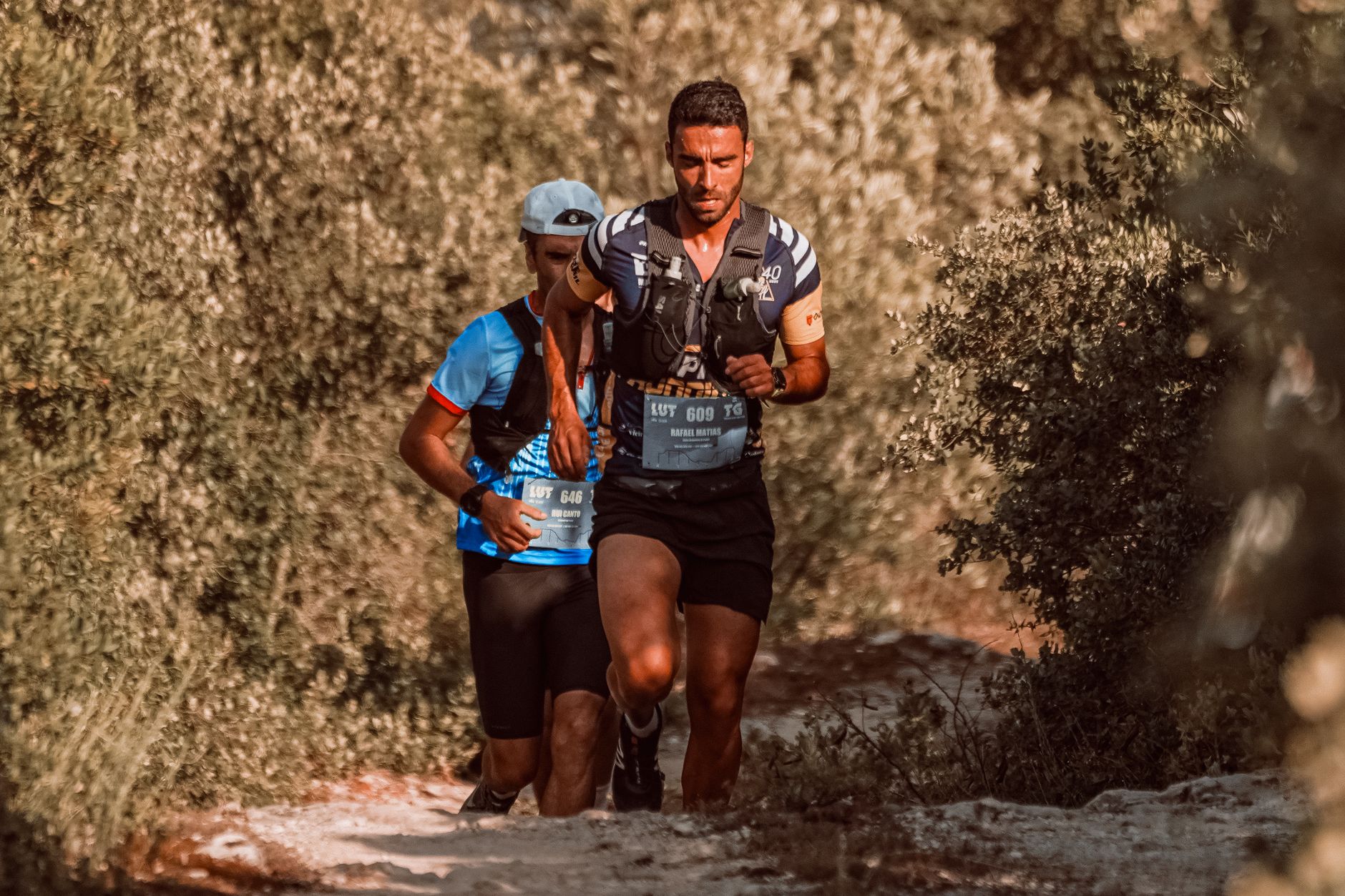
For classic fastpacking — moving fast and light through established trail systems — a trail running shoe remains the default correct choice in the vast majority of scenarios. Routes like the John Muir Trail, the Wind River High Route, or any alpine traverse with sustained technical terrain all demand the grip, protection, and stability that dedicated trail shoes provide. The edge cases where a gravel shoe wins here are routes with heavy fire road or doubletrack access miles bookending the technical sections.
Approach hikes to technical objectives are almost always better served by trail shoes. Approach terrain is typically the most unpredictable: loose talus, damp stream crossings, scrambling sections. Gravel shoes simply don’t have the lug depth or lateral support to handle those conditions with confidence. If your approach hike involves more than a few miles of off-trail movement, a trail shoe is the right call every time.
Mixed-terrain thru-hikes — think routes like the Arizona Trail, the Colorado Trail, or international equivalents with significant road and gravel sections — are genuinely where gravel shoes earn serious consideration. If 40% or more of your daily mileage is on packed surfaces, the efficiency and cushioning of a gravel shoe may actually net you less fatigue overall, even if it costs you some grip on the technical bits. Many experienced thru-hikers on these routes now carry gravel shoes as their primary footwear, switching grip expectations accordingly and simply slowing down on the technical sections.
How to Choose: A Practical Decision Framework
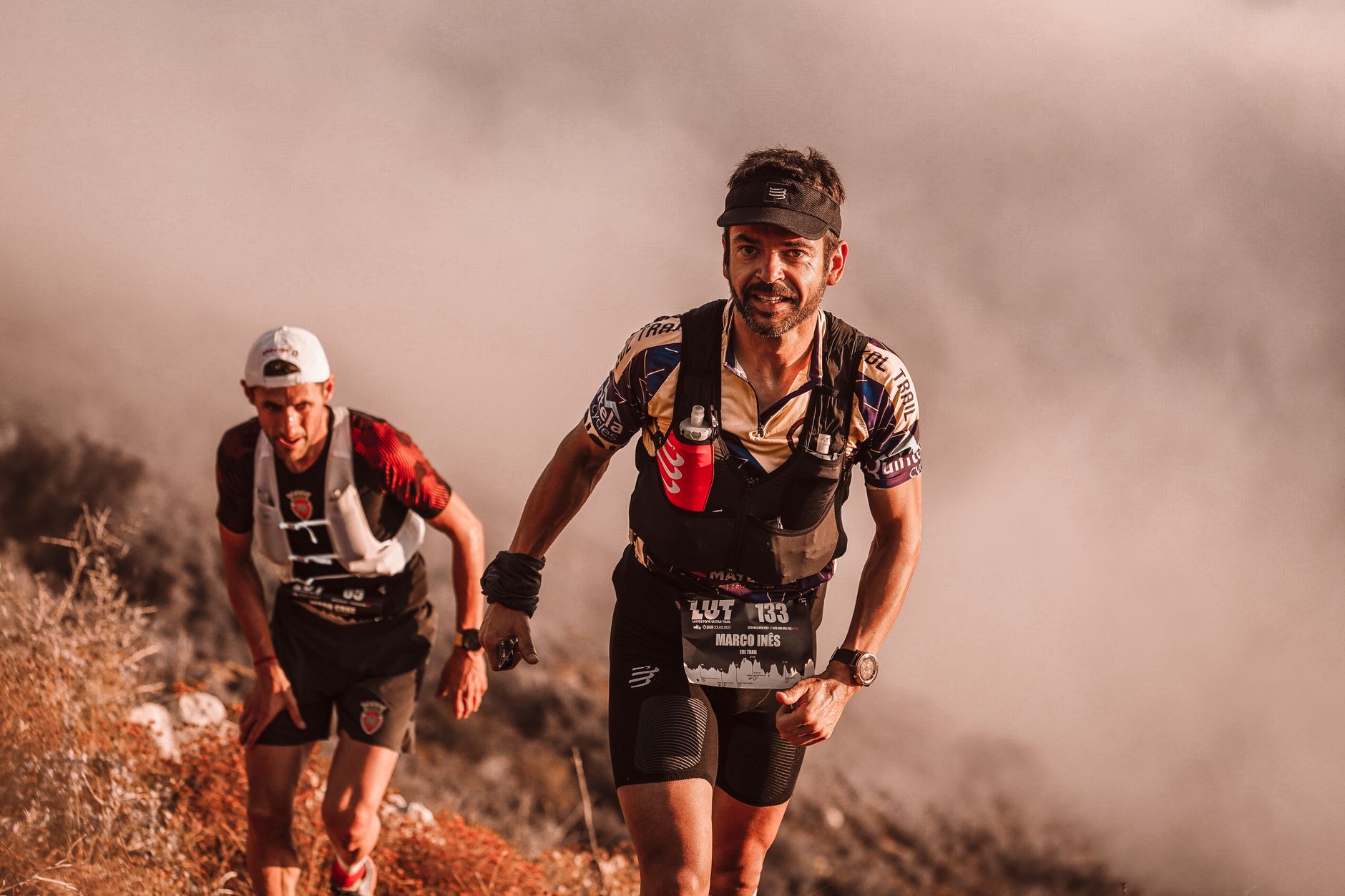
Start with terrain percentage. If more than 60% of your mileage will be on natural trail surfaces — dirt, roots, rock, mud — choose a trail running shoe without second-guessing it. If more than 40% will be on gravel roads, packed doubletrack, or hard-packed dirt, a gravel shoe deserves a serious look. Below 40% hard surface, the efficiency gains don’t justify the grip trade-off.
Next, consider load weight. Trail running shoes are designed for low loads — typically under 20 pounds including pack. If you’re fastpacking with a 15-pound kit, the lightweight build of either category works well. If you’re carrying a heavier traditional backpacking load, neither trail running shoe nor gravel shoe offers adequate ankle support, and you should be looking at proper hiking footwear instead. These categories assume a lightweight, fast-moving approach to the backcountry.
Finally, think about sole replacement economics. Trail shoes on mixed terrain can wear through lugs in 300 to 400 miles. Gravel shoes on appropriate surfaces often push 500 miles or beyond before meaningful outsole degradation. For long-distance thru-hikers budgeting for multiple pairs, this lifespan difference translates into real cost savings over a 500-plus-mile journey when the terrain suits the shoe.
1. Saucony Peregrine 14 ⭐⭐⭐⭐⭐
Price range: $110-130 | Budget-friendly trail pick
The Peregrine 14 is a longtime trail running staple that earns its place on this list through sheer versatility and honest performance. The 4mm lug depth provides confident bite on dirt, wet roots, and loose gravel without feeling clumsy on hardpack. For backpackers who want a proven trail shoe without overpaying, this is the reliable workhorse of the category.
Built to last: Features PWRTRAC rubber outsole with carbon rubber concentration at high-wear zones, reinforced TPU overlays at the toe box, and an abrasion-resistant mesh upper that holds up well against brush and rock rub.
Pros:
- ✓ Excellent multi-directional grip on technical trail
- ✓ Proven durability over 400+ trail miles
- ✓ Wide width options available
Cons:
- ✗ Feels clunky and inefficient on long gravel road sections
2. Altra Lone Peak 8 ⭐⭐⭐⭐⭐
Price range: $130-150 | Mid-range trail pick
The Lone Peak is effectively the cult shoe of the thru-hiking and fastpacking world. Its zero-drop platform and wide toe box make it the preferred trail running shoe for hikers who log serious daily mileage and need foot volume to accommodate natural splay and swelling. The 4.5mm lugs perform well on most trail surfaces, and the MaxTrac outsole provides reliable traction without the crampon-like overkill of more aggressive trail shoes.
Built to last: MaxTrac rubber outsole with strategic lug placement, StoneGuard rock plate between midsole layers, and a reinforced mesh upper with TPU overlays designed specifically for thru-hike distances.
Pros:
- ✓ Zero-drop promotes natural foot mechanics on long miles
- ✓ Rock plate provides meaningful protection without stiffness
- ✓ Wide fit accommodates foot swelling on multi-day trips
Cons:
- ✗ Zero-drop requires adaptation period — not ideal for first-time buyers mid-trip
3. Hoka Speedgoat 6 ⭐⭐⭐⭐⭐
Price range: $155-175 | Premium trail pick
The Speedgoat remains the benchmark premium trail running shoe for mountain terrain. The Vibram Megagrip outsole with 5mm directional lugs provides some of the best all-condition traction in the category, particularly on wet technical terrain where lesser shoes lose confidence. The high-stack CMEVA midsole delivers cushioning that backpackers covering long daily distances genuinely appreciate. This is the shoe to reach for when terrain is serious and you’re carrying a light load fast.
Built to last: Vibram Megagrip outsole rubber is industry-leading for wet-rock grip and outsole longevity, paired with a jacquard mesh upper with welded overlays that resists abrasion from rock and vegetation contact.
Pros:
- ✓ Vibram Megagrip outperforms most competitors in wet conditions
- ✓ High cushioning stack reduces fatigue on big mountain days
- ✓ Proven at elite mountain ultra distances
Cons:
- ✗ Premium price; overkill for predominantly gravel or road-heavy routes
4. Scarpa Spin Infinity ⭐⭐⭐⭐⭐
Price range: $150-170 | Premium gravel/mixed pick
The Spin Infinity represents the serious end of the gravel running and mixed-terrain spectrum. Scarpa has engineered this shoe specifically for mountain terrain that transitions frequently between gravel roads, packed singletrack, and moderate technical sections — exactly the profile of many European and American mixed-terrain thru-hike routes. The 3mm lug depth and Presa compound rubber deliver confidence on hard-packed surfaces while maintaining enough bite for moderate trail conditions.
Built to last: Uses Scarpa’s proprietary Presa rubber compound for durability on abrasive hard surfaces, with a reinforced external heel counter, welded toe cap, and structured mesh upper designed to resist the lateral forces of sustained mountain running on varied terrain.
Pros:
- ✓ Genuine performance on gravel-heavy mixed routes
- ✓ More durable on hard surfaces than trail-focused competitors
- ✓ Excellent energy return for long gravel road sections
Cons:
- ✗ Loses confidence on sustained wet technical trail compared to trail-specific options
5. Brooks Cascadia 17 ⭐⭐⭐⭐⭐
Price range: $120-140 | Mid-range versatile pick
The Cascadia has been a quiet workhorse of the trail running shoe category for years, and the current version delivers a well-rounded package that handles mixed terrain better than most pure trail shoes. The 3.5mm lug depth sits at a genuine crossover point — aggressive enough for moderate trail, smooth enough for gravel roads to feel tolerable. For backpackers who want a single shoe for routes with genuinely unpredictable terrain percentages, this is the most pragmatic choice on the list.
Built to last: TrailTack rubber outsole blends grip and durability effectively, with a ballistic rock shield midsole insert, reinforced overlays at the medial and lateral forefoot, and a structured mesh upper built to handle high-mileage daily use.
Pros:
- ✓ Genuine crossover performance on both trail and packed surfaces
- ✓ Rock shield provides excellent underfoot protection
- ✓ Widely available and well-supported by the Brooks network
Cons:
- ✗ Compromises in both directions — not as grippy as dedicated trail shoes, not as efficient as dedicated gravel shoes
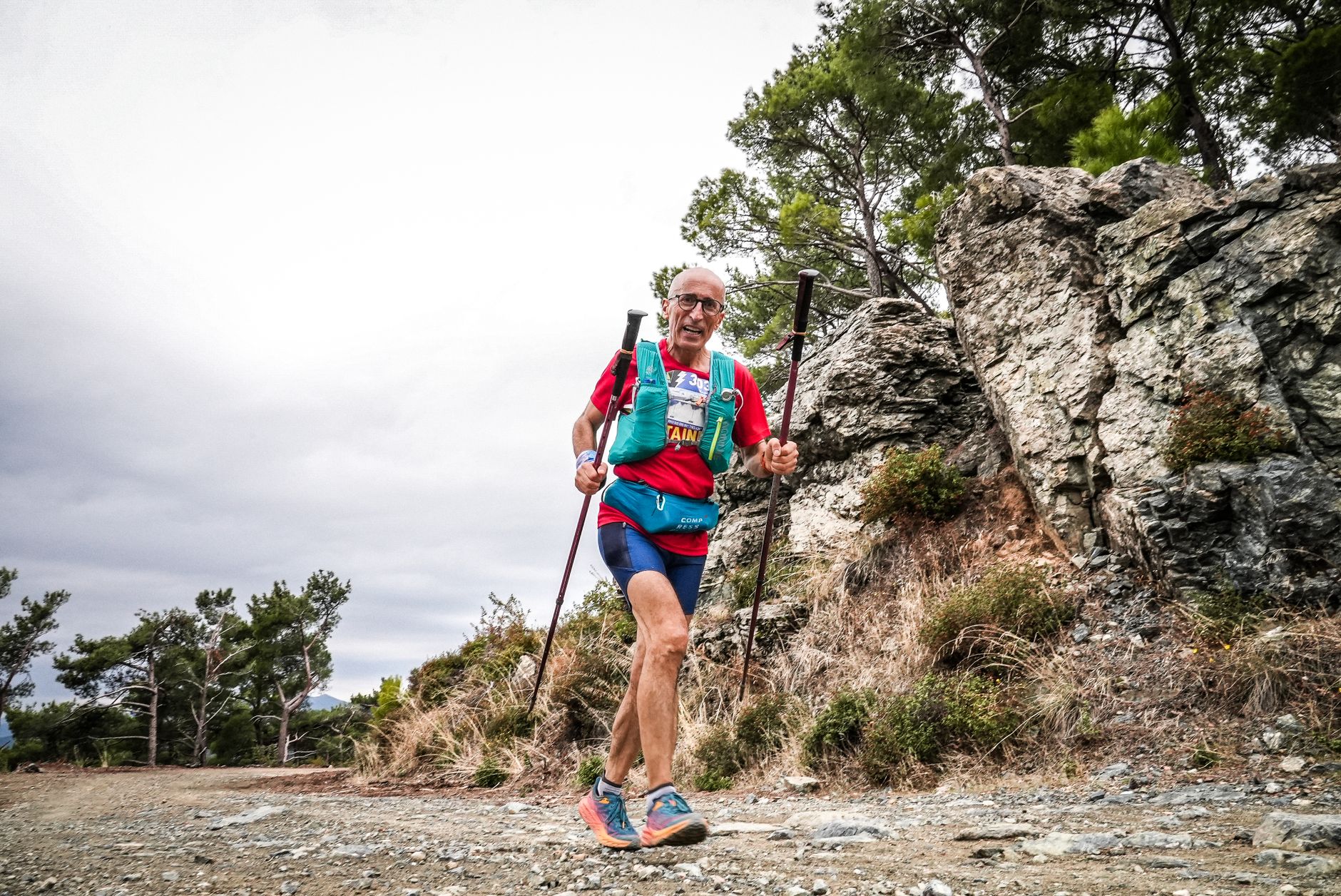
The Verdict
The trail running shoes vs. gravel running shoes question doesn’t have a universal answer — but it does have a clear framework. For backpackers and fastpackers spending the majority of their time on natural trail surfaces, technical terrain, or any route with sustained soft-ground or wet conditions, a quality trail running shoe remains the correct default choice. The grip, protection, and upper durability of purpose-built trail shoes are not matched by any gravel crossover shoe at equivalent price points.
Gravel shoes are not marketing fluff, though. They fill a real gap for routes where hard-packed surfaces dominate — desert canyon systems, high-desert plateaus, fire road networks, European gravel mountain stages. In those contexts, a gravel shoe’s efficiency, durability on hard surfaces, and cushioning tuning genuinely outperform trail-specific footwear. The mistake is buying a gravel shoe because it sounds versatile and then expecting it to perform like a trail shoe when terrain demands it.
Know your route. Map your terrain percentages honestly. Then choose the shoe that’s actually optimized for what you’ll be running through — not the one that sounds the most capable in a product description.
Shop Backcountry Gear Labs on Etsy
Hoodies, tees, hats, and more for campers and hikers who live for the trail.
Get Weekly Gear Picks
Join the Backcountry Gear Labs newsletter for expert gear picks and backcountry advice, every week.