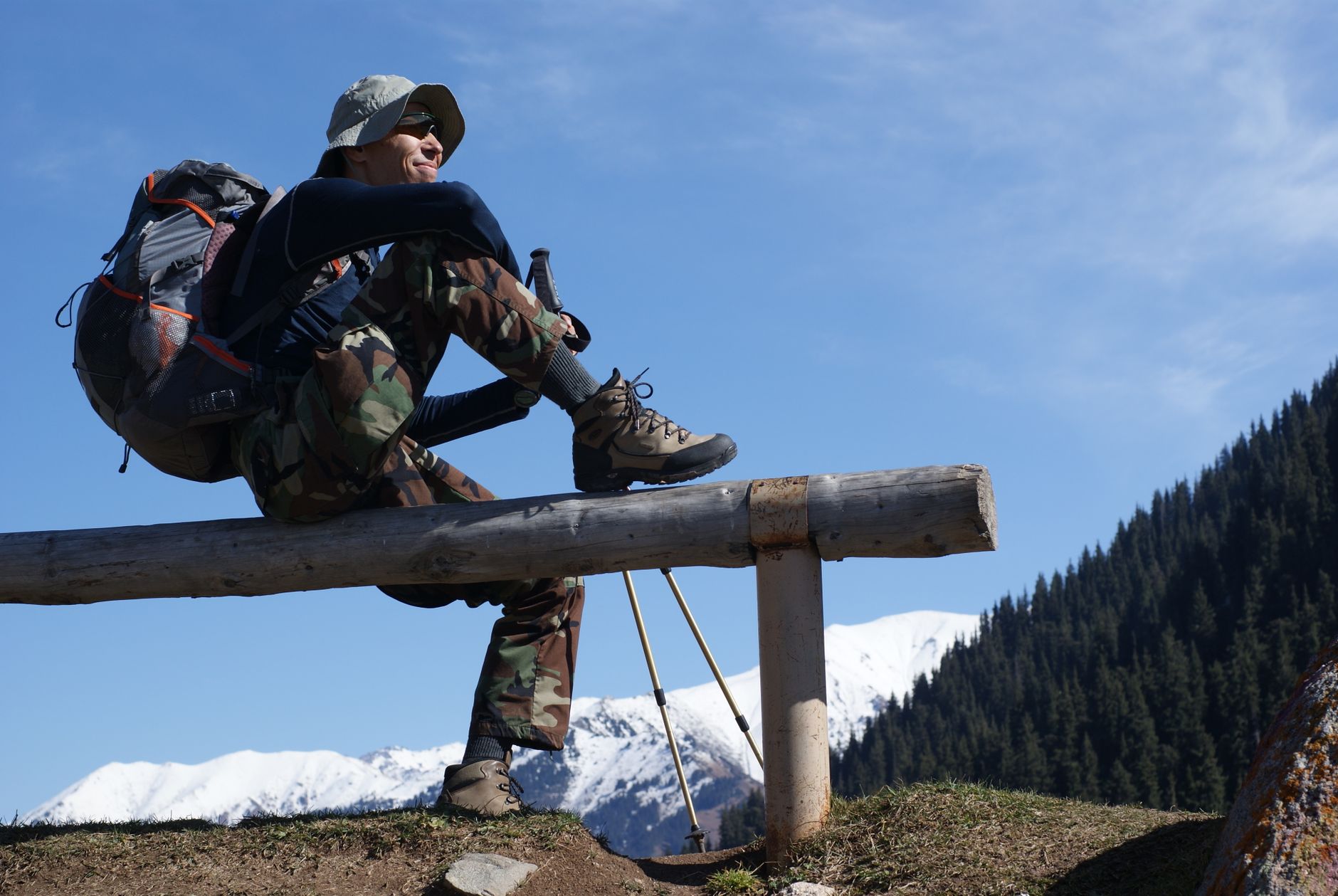
Whether you’re glassing elk on a remote ridgeline or packing out a whitetail from deep timber, the pack on your back can make or break your hunt. A purpose-built hunting backpack isn’t just a place to stuff gear — it’s a load management system, a mobile base camp, and sometimes the difference between a successful harvest and a miserable slog back to the truck. After testing dozens of packs across multiple seasons, I’ve narrowed down the best hunting backpacks heading into 2026.
The hunting pack market has evolved significantly over the past few years. We’re seeing more hybrid designs that double as frame systems for hauling meat, ultralight materials that don’t sacrifice durability, and modular setups that let you adapt your loadout for a day stalk versus a week-long expedition. Knowing what to look for before you drop several hundred dollars is critical — and that’s exactly what this guide is designed to help you do.
I’ve put these packs through real-world conditions: glassing trips in the Rockies, mule deer hunts in the desert Southwest, and late-season whitetail pushes in the Upper Midwest. What follows is honest, field-tested advice with zero fluff. Let’s get into it.
What Makes a Great Hunting Backpack in 2026?
The best hunting packs share a handful of non-negotiable qualities: a suspension system that can handle heavy loads, materials tough enough to resist brush and rock without turning your legs to rubber, and enough organization to keep your rangefinder, calls, and snacks exactly where you need them at 4 AM. Beyond those basics, the right pack depends heavily on your hunt type, terrain, and how far from the trailhead you’re willing to go.
Frame systems have become increasingly important as hunters push deeper into backcountry. An external or internal frame with an adjustable torso length allows you to properly distribute weight across your hips, which is the only way to carry 70-plus pounds of meat and gear without destroying your lower back. Look for load lifter straps, a padded hip belt with pockets, and ideally a removable lid or detachable daypack component that adds versatility without extra cost.
Weight matters too, but not in a vacuum. A 6-pound pack is only worth it if it can still carry a 60-pound load comfortably. In 2026, the sweet spot is finding packs in the 4–6 pound range that don’t skimp on frame integrity or suspension quality. Materials like Dyneema composite fabric and reinforced 500D Cordura nylon are leading the charge in balancing weight savings with abrasion resistance.
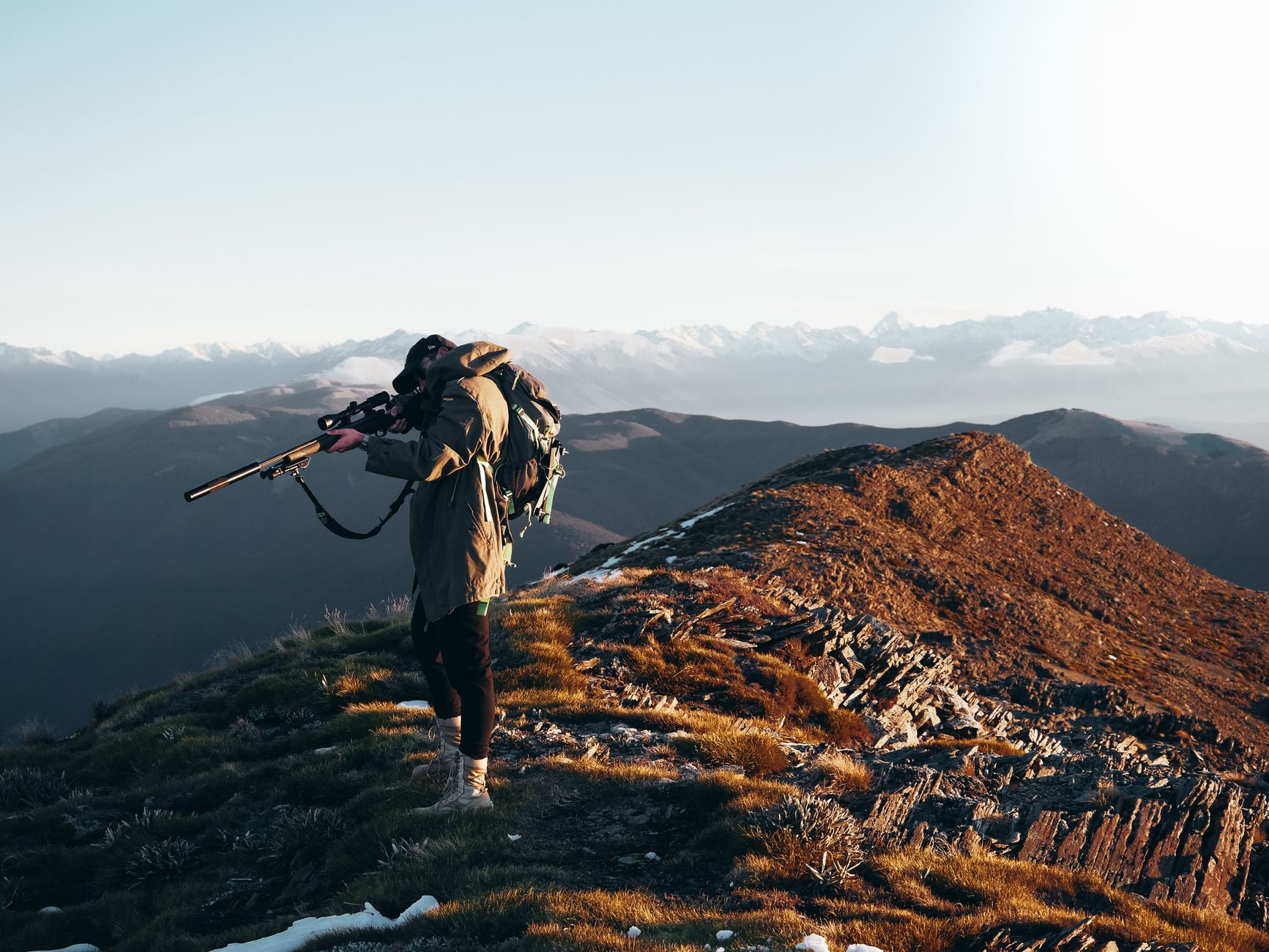
Top Hunting Backpacks for 2026
1. Sitka Gear Mountain Hauler 4000 ⭐⭐⭐⭐⭐
Sitka has long been the gold standard for backcountry hunting apparel, and their Mountain Hauler 4000 proves they know how to build packs just as well as clothing. With 4,000 cubic inches of capacity and a bombproof frame sheet system, this pack is purpose-engineered for multi-day elk and mule deer hunts in serious terrain. The integrated meat shelf and bungee lashing system make hauling out quarters efficient and secure, and the GORE-TEX fabric shell laughs off brush, rain, and snow alike.
Pros:
- ✓ Exceptional load transfer even with 70+ lb loads
- ✓ Weatherproof GORE-TEX shell handles all conditions
- ✓ Intuitive meat hauling system built right in
- ✓ Rifle and bow carry options included
Cons:
- ✗ Premium price point puts it out of reach for budget hunters
- ✗ Runs heavy at around 6 lbs before loading
2. Mystery Ranch Metcalf 75 ⭐⭐⭐⭐⭐
Mystery Ranch builds packs that last decades, and the Metcalf 75 is their flagship hunting system designed for the most demanding backcountry scenarios. The NICE frame and Futura yoke suspension system are genuinely in a class of their own — once you dial in the fit, carrying heavy loads feels almost manageable. With 75 liters of capacity, dual side zip access, and a removable 20L daypack, this is the pack you bring when you don’t know exactly what the mountain will throw at you. The trizip main compartment design is a Mystery Ranch signature that makes packing and repacking in the dark surprisingly easy.
Pros:
- ✓ Best-in-class frame and suspension system
- ✓ Removable 20L daypack adds serious versatility
- ✓ Made in Bozeman, MT with lifetime repair policy
- ✓ Trizip main compartment is a game-changer for organization
Cons:
- ✗ Heavier than ultralight competitors
- ✗ Learning curve to adjust the Futura yoke correctly
3. Stone Glacier Sky Archer 6900 ⭐⭐⭐⭐⭐
If you’re a bowhunter who wants to go ultralight without compromising on meat hauling capability, the Stone Glacier Sky Archer 6900 deserves serious consideration. Weighing in at just under 5 lbs for the complete system, it punches well above its weight class when loaded up. The carbon fiber frame stays rigid under load, the hipbelt suspension manages weight distribution impressively well, and the dedicated bow carry system is hands-down the best I’ve used in the field. The removable lid and ability to strip the pack down to a 32L configuration make this pack genuinely multi-purpose across seasons.
Pros:
- ✓ Ultralight carbon fiber frame at under 5 lbs
- ✓ Best bow carry system in its class
- ✓ Modular design adapts from day hunt to expedition
- ✓ Outstanding load transfer for its weight
Cons:
- ✗ Premium price reflects the ultralight materials
- ✗ Carbon frame requires careful handling around rocks
4. Badlands Superday Hunting Backpack ⭐⭐⭐⭐
Not every hunt requires a 75-liter expedition pack, and Badlands knows that better than most. The Superday is engineered for the hunter who needs a capable, versatile daypack that can handle a full day in the field without the bulk of a larger system. At 2,700 cubic inches, it fits enough gear for a serious day stalk while staying light and manageable in thick timber. The integrated rain cover, rifle and bow carry, and Badlands’ Tiburon fabric construction make this one of the best value hunting daypacks on the market heading into 2026. It’s also one of the few packs in this category with a hydration reservoir sleeve that actually works well with a rifle on your back.
Pros:
- ✓ Exceptional value for the build quality
- ✓ Integrated rain cover included out of the box
- ✓ Works great for both rifle and archery hunters
- ✓ Tiburon fabric is tough as nails
Cons:
- ✗ Not designed for heavy meat hauling loads
- ✗ Hip belt not ideal for very heavy loads
5. ALPS OutdoorZ Commander X Frame Pack ⭐⭐⭐⭐
For hunters who want serious meat hauling capability without the four-figure price tag, the ALPS OutdoorZ Commander with external X-frame is the answer. This pack combines a 4,800 cubic inch bag with a bombproof external frame that can handle massive loads with a level of stability that rivals packs costing three times as much. The X-frame design allows you to strip off the bag entirely and use it as a dedicated meat hauler, which is a genuinely useful feature when you’re making multiple trips out of the backcountry. It won’t win any ultralight awards, but if you need a pack that works hard and won’t leave you broke, the Commander X Frame is hard to beat.
Pros:
- ✓ Best value meat hauling system on this list
- ✓ External X-frame removable for standalone meat haul
- ✓ 4,800 cubic inches handles extended hunts
- ✓ Budget-friendly without feeling cheap in the field
Cons:
- ✗ Heavier and bulkier than internal frame competitors
- ✗ External frame can hang up in dense brush
How to Choose the Right Capacity for Your Hunt
Capacity is one of the most misunderstood variables in hunting pack selection. Beginners tend to either under-pack or throw a 90-liter expedition pack on their back for a three-mile day stalk. The general rule I follow: day hunts warrant 20–35 liters, two to three night backcountry hunts need 45–60 liters, and anything longer than three nights — especially in elk or bear country where you need to haul meat — demands 65–80 liters or a dedicated frame system.
Keep in mind that capacity alone doesn’t tell the whole story. A well-organized 50-liter pack with external attachment points, compression straps, and a meat shelf can carry significantly more functional gear than a disorganized 65-liter bag. Pay attention to how the pack accesses its compartments, where it allows you to strap spotting scopes and tripods externally, and whether the design lets you get to your rain gear without unpacking everything else first.

Frame Systems: Internal vs. External for Backcountry Hunting
The internal vs. external frame debate gets heated in hunting camps, but the practical answer depends on your terrain and load. Internal frame packs move with your body, making them superior in steep, technical terrain where balance matters and you’re scrambling over rocky ridgelines. They’re also less likely to snag on branches in dense timber. For most backcountry hunters going after elk, mule deer, or mountain goats, a quality internal frame with a rigid framesheet is the right call.
External frames, however, have made a legitimate comeback in the hunting world precisely because they excel at one thing internal frames struggle with: carrying awkward, oversized loads. When you’re strapping 80 pounds of boned-out elk across a metal frame for a five-mile pack-out, that rigid external structure distributes weight more predictably and allows better airflow between your back and the pack. Many experienced backcountry hunters own both — an internal frame for the hunt itself and an external for the pack-out.
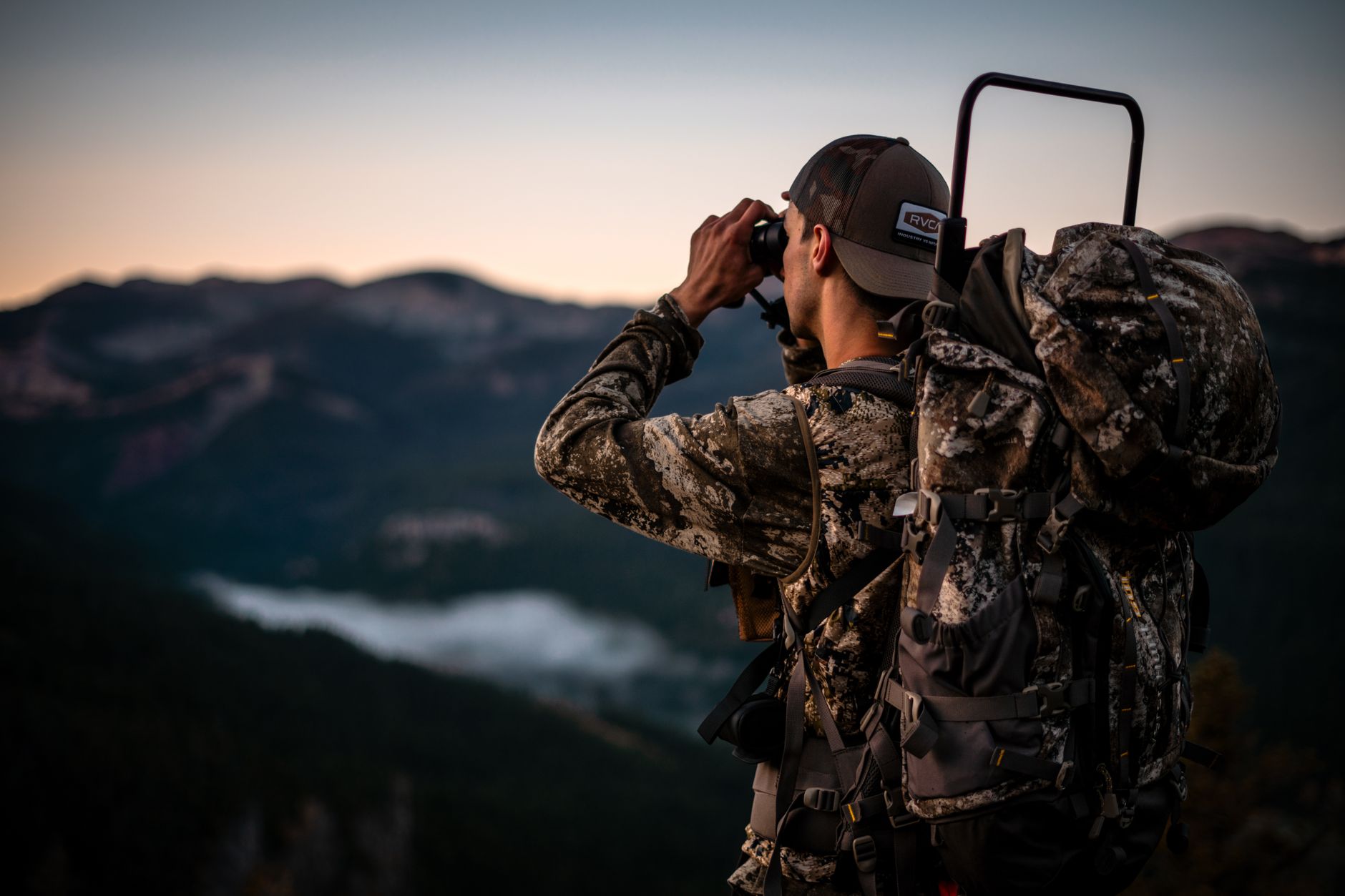
Camo Patterns, Scent Control, and Additional Features Worth Paying For
Modern hunting packs come loaded with features that range from genuinely useful to pure marketing fluff. Camo patterns matter more for archery hunters or any situation where you’re stalking close to game — in those cases, proven patterns like Sitka’s Open Country or Kuiu’s Verde are worth seeking out over generic blaze orange. Rifle hunters in most western big game scenarios rarely need to worry about pattern specificity, but staying away from anything bright or reflective is still good practice.
Scent-control fabric technology has gotten more sophisticated, with activated carbon treatments and sealed zippers appearing on higher-end packs. The jury is still out on how much these features help in actual field conditions compared to proper wind discipline and hygiene practices, but if you’re a whitetail hunter who obsesses over every scent molecule, the added peace of mind might be worth it. Features I do think are worth paying for regardless: silent fabric treatment, compression straps that won’t rattle, a dedicated hydration sleeve, and a removable lid that converts to a bino harness or fanny pack.

Conclusion: Invest in the Pack That Matches Your Hunt
The right hunting backpack is one of the highest-return investments you can make in your time afield. A well-fitted, purpose-built pack reduces fatigue, keeps your gear organized and accessible, and gives you the ability to push deeper into the backcountry where the animals are. Whether you go with the expedition-ready Mystery Ranch Metcalf, the ultralight Stone Glacier Sky Archer, or the budget-friendly ALPS Commander, the key is matching the pack to your specific hunting style and terrain.
Don’t buy a pack based on what someone else uses in a different mountain range on a different type of hunt. Think about your average trip length, the loads you’ll carry in and out, and the terrain you cover most. Then invest accordingly. Your back — and your success rate — will thank you for it.
Stay Ahead of the Gear Curve
Want first access to our latest field tests, gear reviews, and backcountry hunting tips before they hit the main feed? Join the Backcountry Gear Labs newsletter and get Camp Mavrik’s unfiltered take on the gear that actually matters delivered straight to your inbox. No spam. No filler. Just real gear advice from real time in the field.
Shop Backcountry Gear Labs on Etsy
Hoodies, tees, hats, and more for campers and hikers who live for the trail.
Get Weekly Gear Picks
Join the Backcountry Gear Labs newsletter for expert gear picks and backcountry advice, every week.